
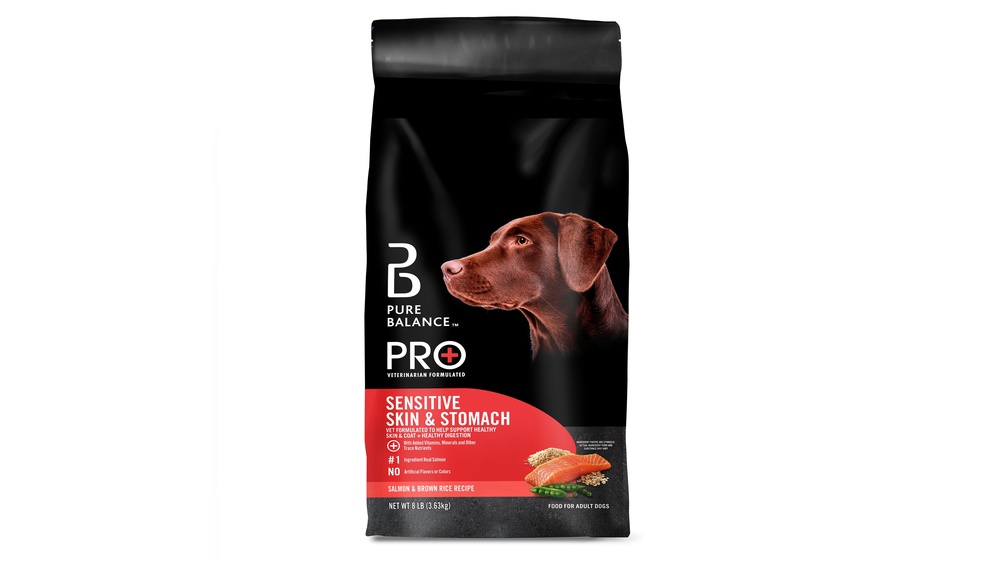
If your dog struggles with a sensitive stomach, you know how tough it can be to find the right food. You want something that soothes their tummy, keeps them happy, and fits your budget.
Choosing the best dry food for sensitive stomach dogs isn’t just about ingredients—it’s about giving your furry friend comfort and health every day. Keep reading, and you’ll discover simple, effective options that can make mealtime easier for both of you.
Credit: training.unitedats.com
Signs Of Sensitive Stomach In Dogs
Dogs with sensitive stomachs often show clear signs that something is wrong. These signs help pet owners understand their dog’s discomfort. Watching for these signs can lead to early care and better health. Knowing what to look for helps choose the best dry food for sensitive stomach dogs.
Common Symptoms
Dogs with sensitive stomachs often vomit or have diarrhea. They may also show signs of gas and bloating. Loss of appetite is common, along with weight loss. Sometimes, dogs seem tired or less active. Frequent licking of lips or swallowing can signal nausea. Notice these symptoms to act quickly and help your dog feel better.
Causes Of Sensitivity
Food intolerance is a main cause of stomach sensitivity in dogs. Some dogs react to certain ingredients like grains or dairy. Stress and changes in diet can upset their stomach. Infections and parasites also cause digestive issues. Sometimes, the cause is unknown but still affects the dog’s digestion. Understanding causes helps pick the right food and care for your dog.
Credit: www.petcarerx.com
Key Ingredients For Gentle Digestion
Choosing the right ingredients is key for dogs with sensitive stomachs. The right food helps reduce digestive upset and supports gut health. Ingredients that are gentle and easy to digest keep your dog comfortable and happy.
Easily Digestible Proteins
Proteins are essential for your dog’s health. Some proteins are easier to digest than others. Chicken, turkey, and fish are gentle on the stomach. These proteins reduce the chance of digestive problems. They also provide important nutrients for energy and muscle health.
Fiber And Prebiotics
Fiber helps keep your dog’s digestion regular. It supports healthy bowel movements and prevents constipation. Prebiotics feed the good bacteria in the gut. Healthy bacteria improve digestion and boost the immune system. Ingredients like pumpkin, sweet potato, and chicory root are great fiber sources.
Avoiding Common Allergens
Many dogs with sensitive stomachs react to certain foods. Common allergens include corn, wheat, soy, and dairy. These ingredients can cause gas, diarrhea, or vomiting. Avoiding these allergens can help your dog feel better. Choose foods with simple, limited ingredients to reduce risk.
Top Dry Foods For Sensitive Stomachs
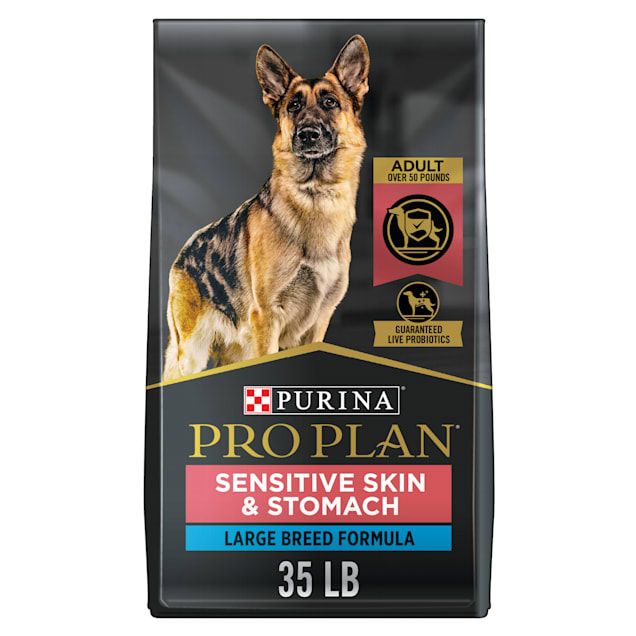
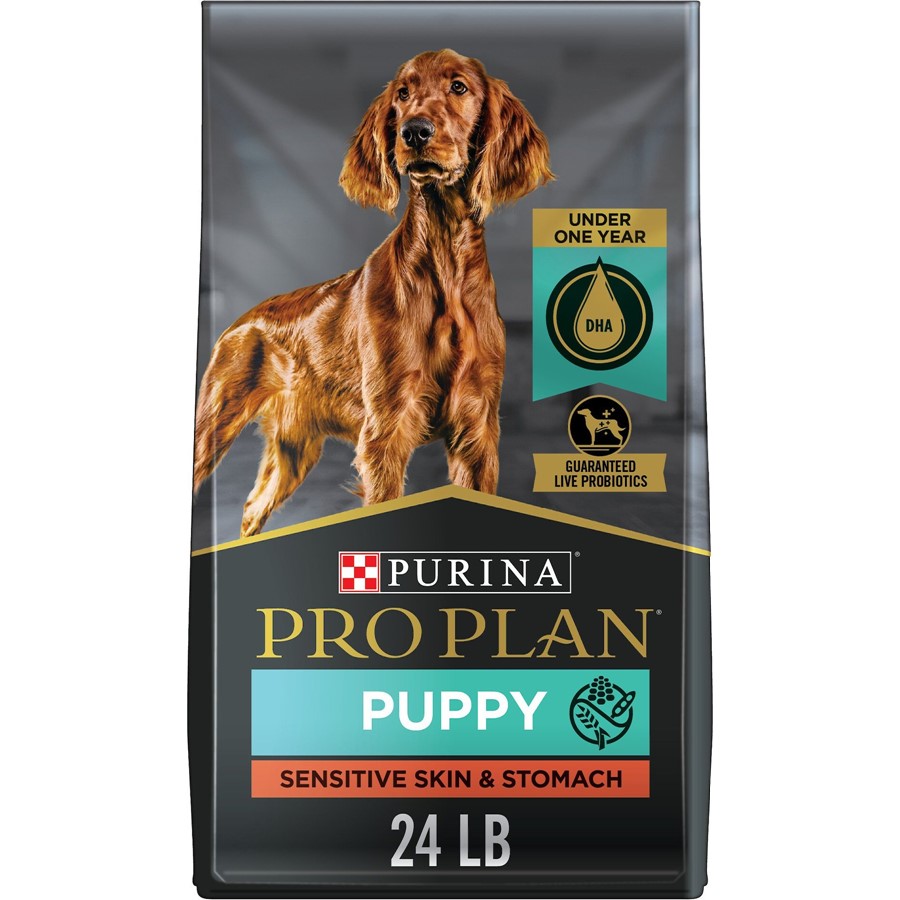
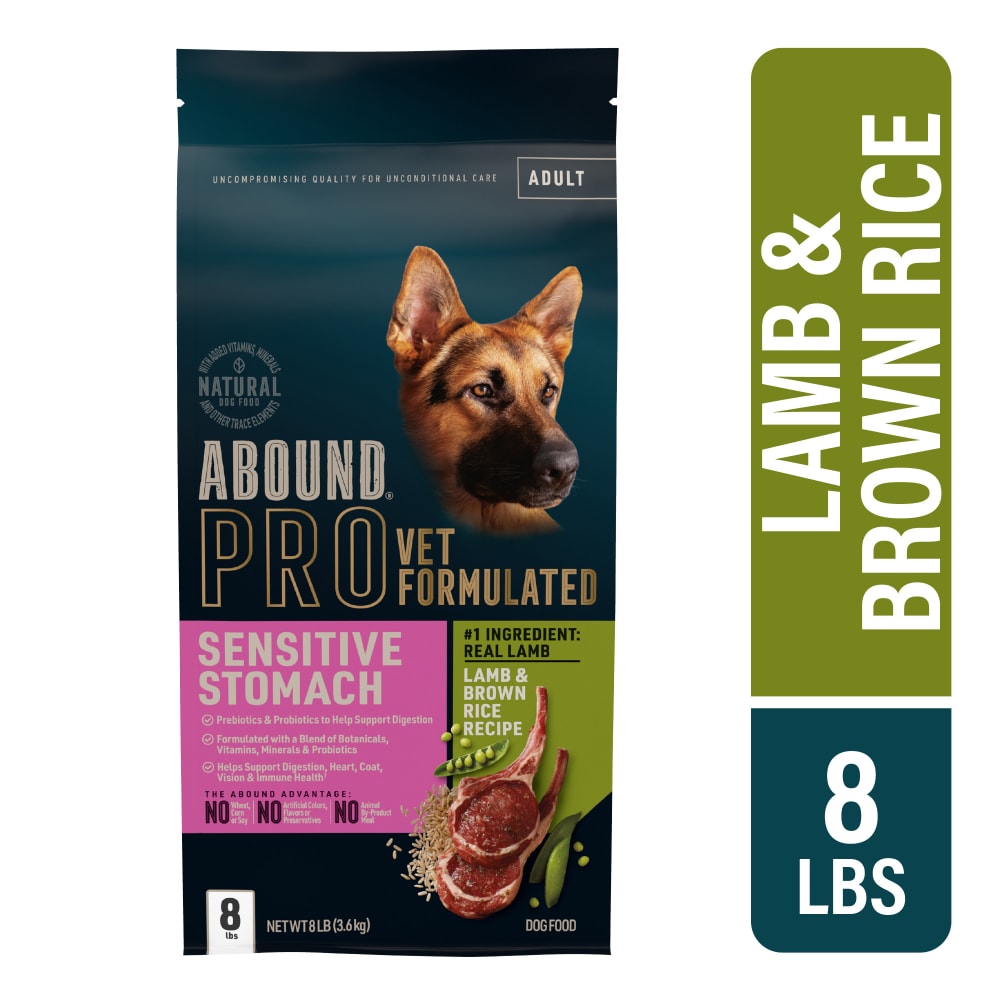
Choosing the right dry food for dogs with sensitive stomachs is important. Such foods help reduce tummy troubles and improve digestion. Many brands offer special formulas designed to be gentle and easy to digest. These options focus on simple ingredients and avoid common irritants.
Here are some top dry food types that support sensitive stomachs. Each type meets different needs and preferences to keep dogs healthy and happy.
Grain-free Options
Grain-free dry foods remove common grains like wheat, corn, and soy. These grains can cause allergies or upset stomachs in some dogs. Grain-free recipes use alternatives like peas, lentils, or potatoes. They provide energy without causing digestive issues. Many dogs with sensitive stomachs find relief on these diets.
Limited Ingredient Formulas
Limited ingredient formulas have fewer ingredients to reduce allergy risks. They often include one protein source and a few simple carbs. This makes it easier to identify and avoid allergens. These foods are gentle and less likely to cause stomach upset. They suit dogs with food sensitivities or allergies well.
Hypoallergenic Choices
Hypoallergenic dry foods use special proteins and carbs that rarely cause allergies. Ingredients like hydrolyzed proteins break down allergens into tiny parts. These foods help dogs with severe allergies or chronic stomach problems. They support better digestion and reduce itching or skin issues.
Credit: www.kroger.com
Choosing The Right Food For Your Dog
Choosing the right food for your dog is very important, especially if your dog has a sensitive stomach. The right dry food can help reduce tummy troubles and keep your dog healthy. It takes careful thought and some research. You want to find food that is gentle, nutritious, and tasty for your furry friend.
Reading Labels Effectively
Start by reading the food labels carefully. Look for simple ingredients that your dog can easily digest. Avoid foods with artificial colors, flavors, and preservatives. Check for high-quality protein sources like chicken or fish. Also, find foods with added fiber to help digestion. Grain-free options might help some dogs but are not always necessary.
Consulting Your Veterinarian
Your vet knows your dog’s health best. Talk to them before changing your dog’s diet. They can suggest foods that fit your dog’s specific needs. Your vet can also test for allergies or other issues. This advice helps avoid foods that might cause problems. Follow their guidance for the best results.
Transitioning To New Food
Change your dog’s food slowly. Mix a small amount of new food with the old. Increase the new food over 7 to 10 days. Watch your dog for any signs of stomach upset. This slow change helps your dog adjust without stress. It makes the new diet easier to accept.
Tips For Managing Sensitive Stomachs
Managing a dog’s sensitive stomach requires care and patience. Small changes can make a big difference in your dog’s comfort and health. Understanding how to feed and observe your dog helps prevent upset stomachs and digestive issues.
Follow simple tips to keep your dog happy and healthy. These tips focus on feeding habits, supplements, and watching your dog’s reactions closely.
Feeding Schedules
Feed your dog smaller meals more often during the day. This reduces stress on the stomach and aids digestion. Avoid feeding large amounts at once, which can cause discomfort. Stick to a regular schedule to keep the digestive system stable. Always offer fresh water alongside meals to help digestion.
Supplements And Additives
Consider adding probiotics to support healthy gut bacteria. They improve digestion and reduce stomach issues. Omega-3 fatty acids can also help reduce inflammation in the stomach. Use supplements that your vet recommends to avoid any harm. Natural additives like pumpkin can soothe your dog’s digestive tract.
Monitoring Your Dog’s Response
Watch your dog closely after introducing new food or supplements. Note any changes in appetite, stool quality, or energy levels. Keep a journal to track what works and what does not. If symptoms worsen, stop the new food and consult a veterinarian. Early detection of problems helps keep your dog comfortable.
Frequently Asked Questions
What Ingredients Are Best For Sensitive Stomach Dog Food?
Ideal ingredients include easily digestible proteins like chicken or turkey. Avoid fillers such as corn, wheat, and soy. Look for added probiotics and fiber to support digestion and gut health in sensitive stomach dogs.
How To Choose Dry Food For Sensitive Stomach Dogs?
Select dry food with limited, natural ingredients. Check for grain-free options or those with novel proteins. Prioritize formulas with added digestive enzymes and probiotics to reduce digestive upset and improve nutrient absorption.
Can Sensitive Stomach Dogs Eat Grain-free Dry Food?
Yes, grain-free dry food often helps reduce allergies and digestive issues. However, consult your vet before switching, as some dogs may tolerate grains well. Always monitor your dog’s response to new food.
How To Transition Sensitive Stomach Dogs To New Dry Food?
Gradually mix new food with old over 7-10 days. Start with 25% new food, increasing to 100%. This slow transition helps prevent digestive upset and allows the stomach to adjust.
Conclusion
Choosing the right dry food helps your dog feel better every day. Sensitive stomachs need gentle ingredients that support digestion. Watch your dog’s health and energy closely. Small changes can make a big difference in comfort. Trust your pet’s needs and choose foods carefully.
Happy dogs mean happy owners. Keep learning about the best options for your furry friend. Caring for sensitive stomachs shows your love and attention.


