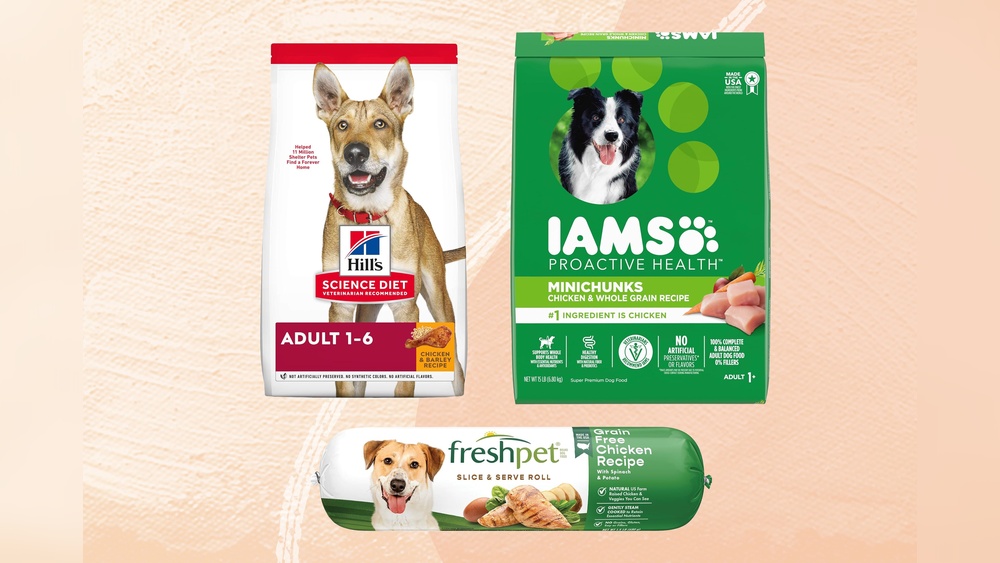
If your dog often struggles with tummy troubles or you simply want to keep their digestion smooth and healthy, choosing the right food is key. You might be surprised how much the right dog food can improve your furry friend’s comfort, energy, and overall happiness.
You’ll discover the best dog food options designed specifically for healthy digestion. By the end, you’ll feel confident picking the perfect meal that supports your dog’s gut health and keeps their tail wagging. Keep reading to find out how small changes in their diet can make a big difference!
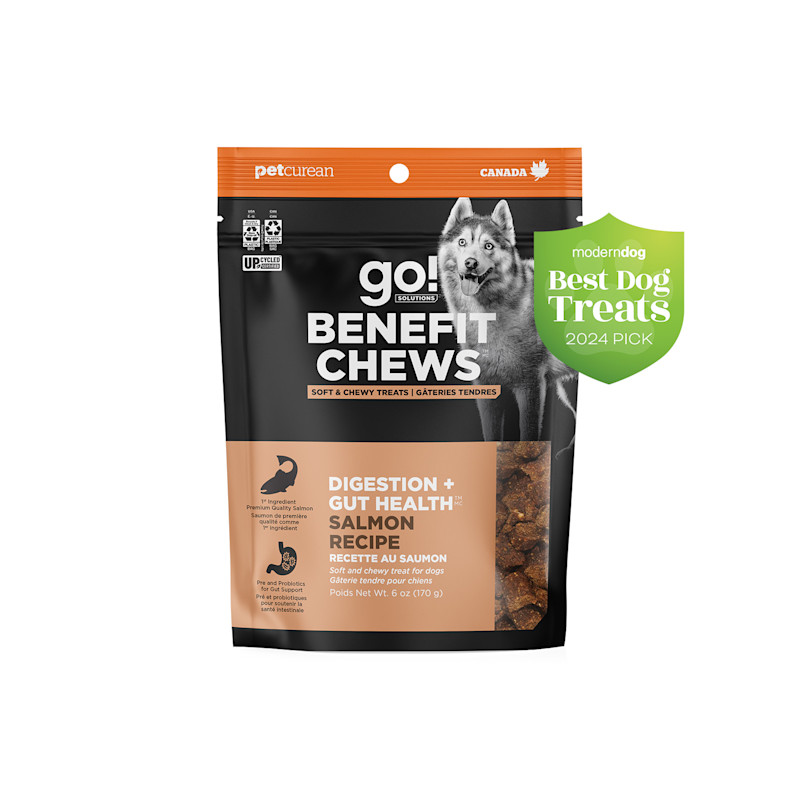
Credit: go-solutions.com
Causes Of Digestive Issues In Dogs
Digestive issues in dogs can cause discomfort and affect their overall health. Understanding the causes helps pet owners choose the best dog food for healthy digestion. Several factors can lead to digestive problems, including diet, age, breed, and underlying medical conditions. Identifying these causes early helps prevent more serious issues and supports your dog’s well-being.
Common Digestive Problems
Dogs often suffer from problems like diarrhea, constipation, and gas. These issues can result from infections, parasites, or stress. Poor digestion may also cause vomiting and bloating. Recognizing these signs early allows for timely care and better food choices.
Foods That Trigger Sensitivities
Certain foods can upset a dog’s stomach. Ingredients like dairy, wheat, and soy often cause sensitivities. Some dogs react badly to artificial additives and preservatives. Feeding foods free from common allergens supports a healthy digestive system.
Impact Of Age And Breed
Age changes digestion in dogs. Puppies have sensitive stomachs, while older dogs digest food slower. Some breeds have a higher risk of digestive problems. Knowing your dog’s breed and age helps tailor their diet for better digestion.
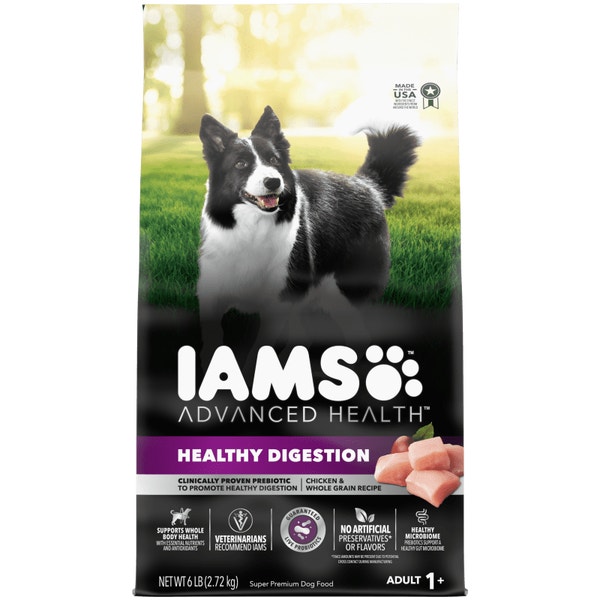
Credit: www.iams.com
Key Nutrients For Digestive Health
Good digestion is key for your dog’s overall health. The right nutrients help keep their digestive system running smoothly. These nutrients support nutrient absorption and reduce tummy troubles. Knowing what to include in dog food helps maintain healthy digestion.
Role Of Fiber
Fiber helps move food through the digestive tract. It keeps bowel movements regular and prevents constipation. Some fibers feed good bacteria in the gut. This promotes a balanced digestive system and better nutrient use.
Benefits Of Probiotics And Prebiotics
Probiotics are good bacteria that improve gut health. They fight harmful bacteria and boost immunity. Prebiotics feed these good bacteria to help them grow. Together, they support a healthy balance of microbes in the gut.
Importance Of Digestible Proteins
Digestible proteins are easy to break down and absorb. They provide essential amino acids for your dog’s body. Proteins that digest well reduce stress on the digestive system. This helps your dog get the most nutrients from their food.
Types Of Dog Food For Sensitive Stomachs
Choosing the right food helps dogs with sensitive stomachs feel better. Some foods calm the tummy and reduce gas or diarrhea. Different types of dog food offer options for gentle digestion. Understanding these choices helps pick the best food for your dog.
Grain-free Options
Grain-free dog food removes wheat, corn, and rice. These grains can upset some dogs’ digestion. Grain-free recipes often use vegetables or potatoes instead. This type helps dogs with allergies or grain sensitivities. It can reduce stomach upset and improve digestion.
Limited Ingredient Diets
Limited ingredient diets contain fewer ingredients than regular food. They focus on simple, easy-to-digest proteins and carbs. This lowers the chance of food allergies or reactions. Dogs with sensitive stomachs often do well on these diets. They reduce stomach stress and promote gut health.
Wet Vs. Dry Food Benefits
Wet food has high moisture, which aids digestion and hydration. It is softer and easier to chew for some dogs. Dry food helps keep teeth clean and lasts longer. Both types have benefits for sensitive stomachs. Some owners mix wet and dry for balanced feeding.
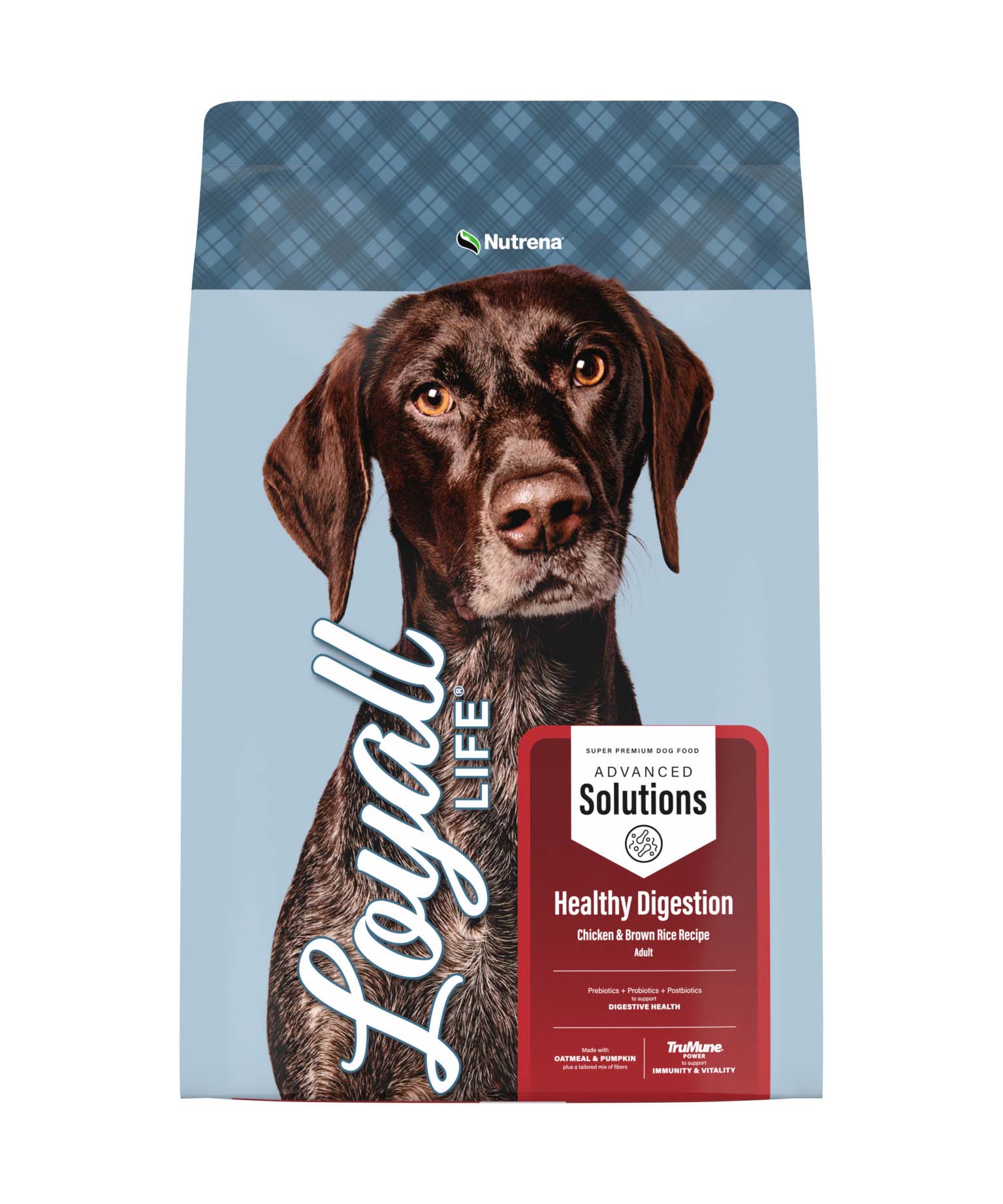
Credit: nutrenaworld.com
Top Dog Food Brands For Digestion
Choosing the right dog food is key to healthy digestion. Some brands focus on ingredients that support the gut. These brands use probiotics and fibers to ease digestion. They help dogs absorb nutrients better and reduce stomach problems.
Here are some top dog food brands that promote good digestion. They cover a range of prices and special needs. This guide helps pick food that suits your dog’s health and budget.
Premium Choices With Probiotics
Premium dog foods often include probiotics. These good bacteria help balance the digestive system. Brands like Hill’s Science Diet and Royal Canin use high-quality probiotics. Their formulas support gut health and improve stool quality. These foods use natural ingredients and no fillers.
Budget-friendly Options
Good digestion does not need to be costly. Affordable brands like Blue Buffalo Basics and Natural Balance offer quality options. They include fiber and prebiotics for gut health. These foods avoid artificial colors and flavors. They provide nutrition without hurting your wallet.
Specialty Formulas For Allergies
Some dogs have food allergies that affect digestion. Brands such as Wellness Simple and Canidae Grain-Free make allergy-friendly foods. They use limited ingredients to reduce allergic reactions. These formulas support sensitive stomachs and improve digestion. Ideal for dogs with specific dietary needs.
Tips For Transitioning To New Dog Food
Changing your dog’s food needs care. Sudden switches can upset their stomach. Proper steps help your dog adjust smoothly. This keeps digestion healthy and avoids discomfort.
Gradual Switching Methods
Start by mixing 25% new food with 75% old food. Do this for three days. Then, increase new food to 50%. Keep the old food at 50% for three days. Next, change to 75% new food and 25% old food. After another three days, serve only the new food. This slow process helps your dog’s tummy adapt.
Monitoring Your Dog’s Response
Watch for changes in stool and energy. Soft stools or diarrhea may mean the food is too new. Loss of appetite or vomiting needs attention. Note your dog’s mood and activity. Healthy digestion shows in bright eyes and good energy. Keep a daily log to track any changes.
When To Consult A Veterinarian
Contact a vet if diarrhea lasts over three days. Vomiting or refusing food for more than a day needs help. Sudden weight loss or swelling calls for a vet visit. Professional advice ensures your dog stays safe. Early help prevents serious health issues.
Homemade Dog Food Recipes For Digestion
Preparing homemade dog food can improve your pet’s digestion and overall health. You control every ingredient and avoid harmful additives. Fresh, natural foods often ease digestive issues and boost nutrient absorption. Cooking at home lets you tailor meals to your dog’s needs and tastes.
Simple Balanced Meals
Start with lean proteins like chicken, turkey, or fish. Add cooked vegetables such as carrots, green beans, and pumpkin. Include a small portion of rice or sweet potatoes for energy. Balance each meal with protein, fiber, and carbs. Avoid raw ingredients that may upset digestion. Cook all food thoroughly for safety and easier digestion.
Incorporating Digestive Supplements
Probiotics support healthy gut bacteria and improve digestion. You can add plain yogurt or specific probiotic powders. Digestive enzymes help break down food, easing nutrient absorption. Use enzyme supplements made for dogs. Fiber supplements like psyllium husk aid bowel movements. Consult your vet before adding any supplements to meals.
Foods To Avoid
Steer clear of onions, garlic, and chives. These can cause stomach upset and toxicity. Avoid fatty or fried foods; they strain the digestive system. Chocolate, grapes, and raisins are toxic to dogs. Limit dairy as many dogs are lactose intolerant. Stay away from artificial sweeteners and preservatives found in processed foods.
Frequently Asked Questions
What Ingredients Aid Healthy Dog Digestion?
Ingredients like fiber, probiotics, and omega-3 fatty acids support digestion. Fiber promotes regular bowel movements. Probiotics balance gut bacteria. Omega-3 reduces inflammation in the digestive tract. Including these in dog food improves nutrient absorption and overall gut health.
How To Choose Dog Food For Sensitive Stomachs?
Look for dog food with limited ingredients and no fillers. Choose formulas with easily digestible proteins like chicken or fish. Avoid artificial additives and grains that may cause irritation. Opt for foods enriched with probiotics and prebiotics to soothe sensitive stomachs.
Can Homemade Dog Food Improve Digestion?
Homemade dog food can improve digestion if balanced properly. Use fresh, whole ingredients rich in fiber and protein. Avoid harmful foods like onions, garlic, or excessive fat. Consult a vet to ensure nutritional completeness and suitability for your dog’s digestive needs.
How Often Should I Feed My Dog For Good Digestion?
Feed your dog small, frequent meals two to three times daily. This helps avoid overeating and reduces digestive stress. Regular feeding schedules stabilize metabolism and improve nutrient absorption, supporting healthy digestion and preventing issues like bloating or gas.
Conclusion
Choosing the right dog food supports your pet’s digestion daily. Healthy digestion helps dogs absorb nutrients well and stay energetic. Foods rich in fiber and probiotics aid gut health naturally. Always check ingredients for quality and avoid fillers or artificial additives.
Feeding your dog balanced meals keeps their tummy happy and reduces discomfort. Simple changes in diet can improve digestion and overall well-being. Trust your pet’s needs and watch their health improve steadily. Good digestion means a happier, healthier dog every day.