
When it comes to your dog’s health, every ingredient in their food matters. You want to give your furry friend the best, but finding dog food without red dye can be tricky.
Red dye is often added to pet food for color, but it can cause allergies and health issues for some dogs. If you care about what goes into your dog’s bowl and want to avoid harmful additives, this guide is for you.
Keep reading to discover the best dog food options that skip the red dye, so your pup stays happy, healthy, and full of energy.
Why Avoid Red Dye In Dog Food
Choosing dog food without red dye matters a lot for your pet’s health. Red dye is a color additive in some pet foods. It makes the food look bright and appealing. But this artificial color can cause health problems for dogs. Many pet owners do not know the risks. Learning why to avoid red dye helps you pick safer food for your dog.
Health Risks Linked To Red Dye
Red dye can cause allergies in dogs. It may trigger itching, swelling, and skin rashes. Some dogs have stomach upset after eating food with red dye. Symptoms include vomiting and diarrhea. Red dye can also affect your dog’s behavior. Some studies suggest it may increase hyperactivity or restlessness. Long-term exposure could harm organs like the liver. Avoiding red dye reduces these health risks.
Common Sources Of Red Dye In Pet Food
Red dye is often found in dry kibble and canned dog food. It appears in treats, too. Some brands use red dye to make meat look fresher. Others add it to snacks to attract buyers. Labels may list it as Red 40 or FD&C Red No. 40. Checking ingredient lists helps you spot red dye. Choosing natural dog food without these dyes is safer.

Credit: www.drharveys.com
Ingredients To Look For In Dye-free Dog Food
Choosing dog food without red dye means checking the ingredients carefully. Many pet foods use artificial colors to make the food look more appealing. These colors can cause allergies and health problems in dogs. It is best to pick food with natural and healthy ingredients. This section explains what to look for in dye-free dog food.
Natural Color Alternatives
Natural colors come from fruits, vegetables, and spices. Ingredients like beet juice, turmeric, and paprika add color naturally. These ingredients do not harm your dog’s health. They give the food a nice look without chemicals. Natural colors are safer and often bring extra nutrients.
Nutritional Benefits Of Dye-free Ingredients
Dye-free dog food usually contains more real meat and vegetables. These foods have important vitamins and minerals. Ingredients like sweet potatoes and carrots provide fiber and antioxidants. Real meat offers protein for strong muscles. Choosing dye-free food helps your dog stay healthy and active.
Top Dog Food Brands Without Red Dye
Choosing dog food without red dye helps keep your pet healthy and safe. Many brands now offer options free from artificial colors. These foods focus on natural ingredients and balanced nutrition. Here are some top dog food brands without red dye to consider for your furry friend.
Premium Options
Brands like Blue Buffalo and Wellness provide premium dog foods without red dye. These products use real meat and whole grains. They avoid artificial colors, flavors, and preservatives. These options often include added vitamins and minerals. The ingredients support your dog’s overall health and energy.
Another premium choice is Natural Balance. It offers limited ingredient diets. This helps dogs with food sensitivities stay healthy. The formulas use natural colors from vegetables and fruits. These foods suit dogs needing gentle, wholesome nutrition.
Budget-friendly Choices
For affordable options, check out brands like Diamond Naturals and Rachael Ray Nutrish. These brands offer quality dog food without red dye at lower prices. They focus on natural ingredients and simple recipes. Their products support good digestion and strong immunity.
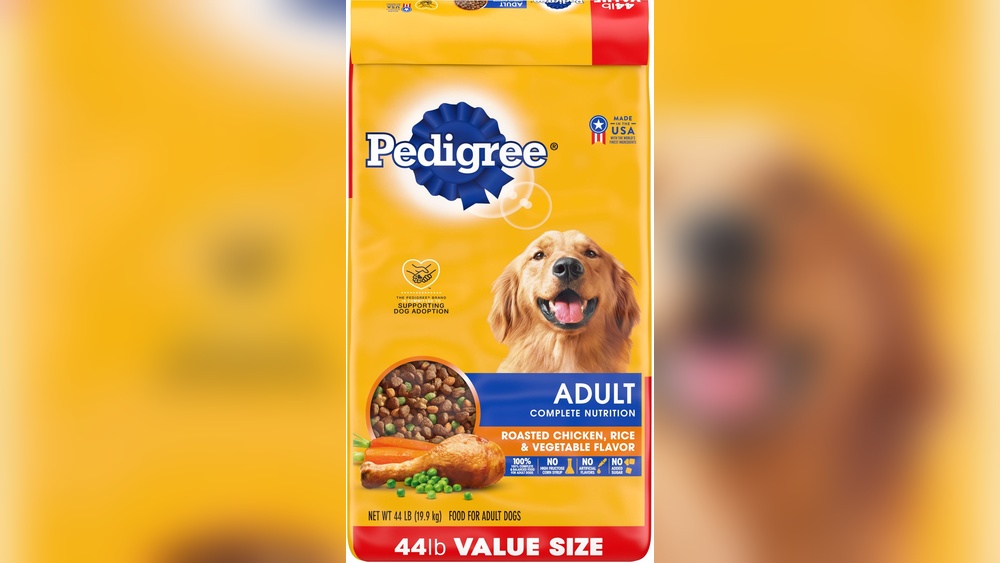
Pedigree also provides no red dye products in their range. These foods meet basic nutritional needs without artificial colors. They work well for pet owners on a budget. Feeding your dog safe, dye-free food is possible without high costs.

Credit: www.elektro-illi.ch
Homemade Dog Food Recipes Without Red Dye
Making homemade dog food without red dye is a healthy choice for your pet. Red dye can cause allergies and other health issues in dogs. Preparing food at home lets you control every ingredient. You give your dog meals that are fresh, safe, and nutritious.
Simple recipes with natural ingredients keep your dog’s diet clean. You avoid harmful additives and fillers found in some commercial dog foods. Homemade meals can match your dog’s taste and dietary needs. This approach supports better digestion and overall health.
Simple And Nutritious Recipes
Start with cooked lean meats like chicken, turkey, or beef. Mix in cooked vegetables such as carrots, peas, and sweet potatoes. Add rice or oats for energy and fiber. Use small amounts of olive oil or fish oil for healthy fats. These meals provide protein, vitamins, and minerals essential for dogs.
Cook all ingredients well to avoid any stomach upset. Serve the food at room temperature to keep flavors intact. Store leftovers in the fridge for up to three days. These simple recipes are easy to prepare and keep your dog happy.
Safe Ingredients To Use
Choose fresh meats without added preservatives or dyes. Vegetables like green beans, zucchini, and pumpkin are safe and healthy. Avoid onions, garlic, grapes, and chocolate, which are toxic to dogs. Use whole grains such as brown rice and barley in moderation.
Natural supplements like plain yogurt or eggs can improve digestion. Always introduce new foods slowly to watch for allergies. Clean water should be available at all times. Safe ingredients build a strong foundation for your dog’s diet and well-being.
Tips For Transitioning To Dye-free Dog Food
Switching your dog’s food to a dye-free option can improve their health and comfort. Dogs may need time to adjust to new flavors and ingredients. A smooth transition helps avoid stomach problems and keeps your dog happy. Here are some easy tips to follow when changing your dog’s food.
Gradual Switching Methods
Start by mixing a small amount of dye-free food with the old food. Use about 25% new food and 75% old food on the first day. Increase the new food amount slowly over 7 to 10 days. By the end, your dog should eat only the dye-free food. This slow change helps their digestion adjust well.
Monitoring Your Dog’s Reaction
Watch your dog closely after each meal during the switch. Look for any signs of upset stomach, like vomiting or diarrhea. Check if your dog shows less energy or changes in behavior. If problems appear, slow down the transition or consult your vet. Good observation ensures your dog stays healthy and happy.
Signs Your Dog May Be Sensitive To Food Dyes
Dogs can react to certain ingredients in their food. Food dyes are one of these ingredients. Some dogs may be sensitive to red dye or other artificial colors. Knowing the signs of sensitivity helps you protect your dog’s health. Watch for changes in behavior and physical symptoms.
Behavioral Changes
Your dog may act restless or anxious after eating food with dyes. They might scratch or lick more than usual. Some dogs become irritable or show less interest in playtime. Sudden changes in sleep patterns can also signal sensitivity. These signs often appear soon after meals.
Physical Symptoms
Look for skin problems like redness, rashes, or bumps. Swelling around the face or paws may occur. Digestive issues such as vomiting or diarrhea can be linked to dyes. Excessive drooling or a runny nose are also common signs. These symptoms need quick attention to avoid worsening.
How To Read Dog Food Labels For Hidden Dyes
Reading dog food labels can help you avoid harmful dyes. Some dyes hide in the ingredient list under different names. Knowing how to spot these can protect your dog’s health. This section explains how to find hidden dyes on labels.
Common Dye Names And Codes
Red dyes often appear as “Red 40” or “Allura Red.” Other names include “FD&C Red No. 40” and “E129.” These names mean synthetic coloring agents. Some labels use color codes like “Yellow 5” or “Blue 1.” These codes represent artificial dyes too. Check for words like “color added” or “artificial color.”
Labeling Regulations
Dog food labels must list all ingredients by law. Artificial dyes must appear in the ingredient list. The FDA regulates dye use in pet foods. They allow certain dyes but require clear labeling. Some countries have stricter rules than others. Always read labels carefully before buying any dog food.

Credit: rheumconsultants.com
Frequently Asked Questions
What Are The Dangers Of Red Dye In Dog Food?
Red dye can cause allergies, hyperactivity, and digestive issues in dogs. It may trigger skin irritations and worsen existing health problems. Choosing dog food without red dye helps reduce these risks and promotes better overall health for your pet.
How To Identify Dog Food Without Red Dye?
Check the ingredient list for artificial colorings like Red 40 or Red 3. Opt for natural or dye-free labels. Many brands now highlight “no artificial dyes” on packaging, making it easier to select safe, healthy dog food.
Which Ingredients Replace Red Dye In Dog Food?
Natural colorants like beet juice, turmeric, and paprika often replace red dye. These alternatives provide color without harmful chemicals. They are safer for dogs and maintain the food’s visual appeal without health risks.
Are All Natural Dog Foods Free From Red Dye?
Most natural dog foods avoid artificial dyes, including red dye. However, always verify the ingredient list to ensure no hidden color additives. Choosing certified natural or organic brands increases the chance of dye-free products.
Conclusion
Choosing dog food without red dye helps keep pets healthy and safe. Many brands offer natural options that avoid artificial colors. Reading labels carefully protects dogs from unwanted ingredients. A healthy diet supports better energy and a shiny coat. Always pick food that fits your dog’s needs and preferences.
Simple steps lead to happier and healthier pets every day. Trust the process and give your dog the best nutrition possible.


