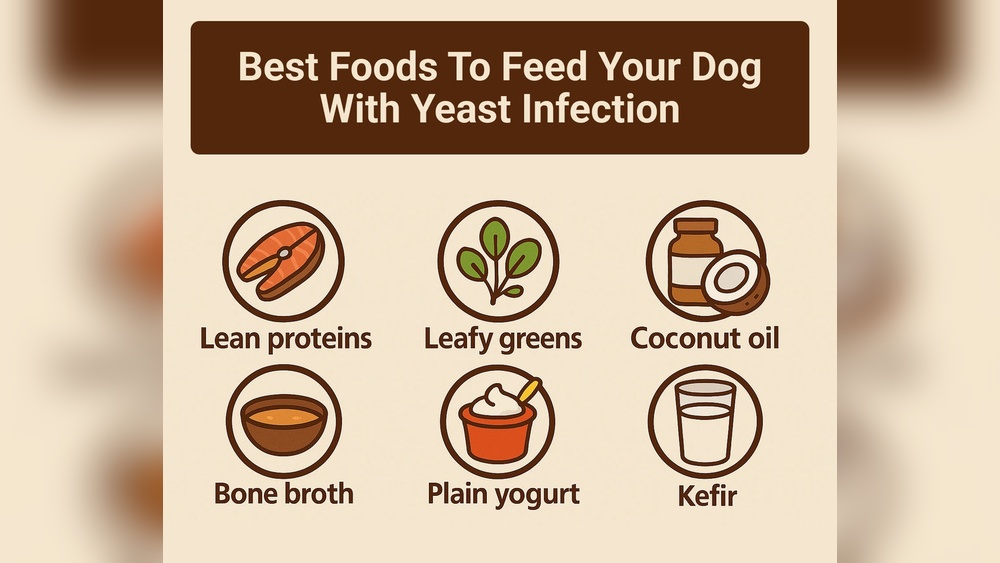
If your dog is struggling with yeast problems, you know how frustrating it can be to see them itchy, uncomfortable, and restless. What you feed your furry friend plays a huge role in managing these issues.
Choosing the best food can help reduce yeast growth and keep your dog feeling happy and healthy. You’ll discover simple, effective food options that can make a real difference. Keep reading to find out how you can take control and give your dog the relief they deserve.
Causes Of Yeast Infections In Dogs
Yeast infections in dogs happen when yeast grows too much on their skin or ears. This overgrowth causes itching, redness, and discomfort. Understanding what causes yeast infections helps in choosing the right food and care. Several factors can trigger these infections, and diet plays a big role in managing them.
Common Triggers
Yeast infections often start because of moisture trapped in the skin folds or ears. Poor air circulation creates a perfect place for yeast to grow. Allergies to pollen, dust, or certain foods can also irritate the skin. This irritation weakens the skin’s barrier, making yeast growth easier. Dogs with weak immune systems get infections more often. Antibiotic use can kill helpful bacteria, allowing yeast to spread quickly.
Role Of Diet
Diet affects yeast infections a lot. Foods high in sugar and carbohydrates feed yeast and encourage growth. A balanced diet with low sugar helps control yeast levels. Some dogs react badly to grains or certain proteins. These reactions cause inflammation and skin problems. Choosing foods with natural ingredients and fewer fillers supports healthy skin. Supplements like omega-3 fatty acids improve the skin’s defense against yeast. Proper nutrition keeps your dog strong and less prone to infections.

Credit: hno-oberascher.at
Symptoms Of Yeast Overgrowth
Yeast overgrowth in dogs can cause many problems. It happens when yeast grows too much on the skin or inside the ears. This can make dogs feel uncomfortable and sick. Knowing the symptoms helps owners act quickly. Early signs often show on the skin and in behavior. Watch closely for changes.
Skin And Ear Signs
Red, itchy skin is a common sign of yeast overgrowth. Dogs may scratch or bite these spots a lot. The skin might smell bad or have a thick, greasy feel. Hair loss can happen around the affected area. Ears often get inflamed and smelly. You may see dark wax or discharge inside the ear. These signs show the yeast is growing too much.
Behavioral Changes
Dogs with yeast problems may act restless or irritable. They might scratch or lick themselves more than usual. Sleep can be disturbed by constant itching. Some dogs seem tired or less active. They might avoid playing or walking. These changes in behavior often point to discomfort from yeast overgrowth.
Foods To Avoid For Yeast Issues
Dogs with yeast problems need special care in their diet. Certain foods can make yeast infections worse. Avoiding these foods helps keep your dog healthy and comfortable. Focus on feeding your dog ingredients that do not feed the yeast.
High Sugar Ingredients
Sugar feeds yeast and makes infections grow faster. Avoid foods with added sugars like corn syrup or honey. Treats with sweeteners can also cause flare-ups. Natural sugars in fruits should be limited too. Always check labels for hidden sugars in dog food.
Grains And Carbohydrates
Grains like wheat, corn, and rice can increase yeast growth. These carbs turn into sugars during digestion. High-carb diets may worsen yeast problems. Choose low-carb or grain-free dog food options. This helps reduce yeast feeding and promotes healing.
Top Ingredients To Support Yeast Control
Choosing the right ingredients helps manage yeast problems in dogs. Certain foods can reduce yeast growth and support skin health. Feeding your dog with these ingredients strengthens their natural defenses.
Lean Proteins
Lean proteins provide essential nutrients without extra fat. Chicken, turkey, and fish are good options. These proteins help repair skin and support immune health. Avoid fatty meats that can worsen yeast issues.
Probiotics And Prebiotics
Probiotics add healthy bacteria to the gut, balancing yeast levels. Yogurt with live cultures and supplements work well. Prebiotics feed good bacteria and improve digestion. Together, they reduce yeast overgrowth and boost your dog’s health.
Omega Fatty Acids
Omega fatty acids reduce inflammation and support skin healing. Fish oil and flaxseed oil are rich sources. These fats help soothe irritated skin and control itching. Including omega fatty acids in your dog’s diet promotes comfort and recovery.
Best Commercial Dog Foods For Yeast Problems
Choosing the right commercial dog food helps manage yeast problems. These foods support your dog’s skin and digestion. They reduce yeast growth and soothe irritation. Quality ingredients matter the most.
Many brands offer formulas made especially for dogs with yeast issues. These foods avoid ingredients that feed yeast. They include nutrients that help balance your dog’s body naturally.
Grain-free Options
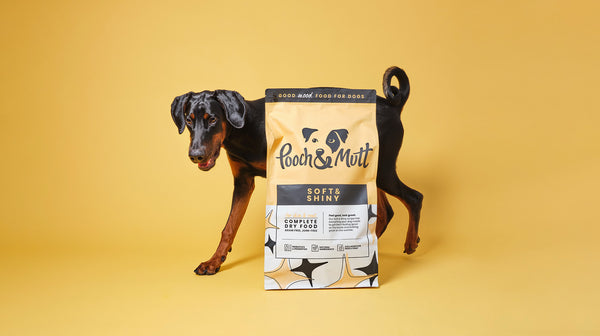
Grain-free dog foods remove common yeast triggers like corn and wheat. These grains can cause allergies and worsen yeast infections. Grain-free diets use vegetables and proteins instead. They help keep yeast levels low. Dogs often feel less itchy and have healthier skin.
Look for dog foods with sweet potatoes or peas. These are good carbohydrate sources without grains. Fish or lamb are good protein choices for sensitive dogs. This type of food supports a balanced gut and skin.
Limited Ingredient Diets
Limited ingredient diets have fewer ingredients to reduce allergy risks. Fewer ingredients mean fewer chances for yeast to flare up. These diets often focus on one protein and one carbohydrate source. This simplicity helps identify and avoid triggers.
Many limited ingredient foods use novel proteins like duck or venison. These proteins are less likely to cause reactions. The diet also avoids additives and fillers. This keeps the food gentle and easy to digest.
Credit: www.poochandmutt.co.uk
Homemade Meal Ideas For Sensitive Dogs
Feeding dogs with yeast problems requires careful meal choices. Homemade meals offer control over ingredients. They help avoid allergens and irritants. This keeps sensitive dogs healthier and happier.
Simple ingredients like lean meats and vegetables work well. Avoid grains and sugars that feed yeast. Fresh, natural foods support better digestion and skin health.
Simple Recipes
Cooked chicken breast with steamed green beans is a good start. Brown rice can be added if tolerated. Mix in a small amount of pumpkin for fiber. These foods are easy to digest and low in yeast triggers.
Boiled turkey with carrots and zucchini also works. Use olive oil for healthy fats. These meals provide essential nutrients without causing yeast flare-ups.
Safe Treats
Offer small pieces of cooked sweet potato as treats. They are gentle on the stomach and naturally sweet. Freeze plain yogurt in small portions for a cool snack. It helps balance gut bacteria.
Cooked eggs cut into bite-size pieces make tasty rewards. Avoid store-bought treats with added sugars or grains. Homemade treats ensure safety and support yeast control.
Supplements That Help Manage Yeast
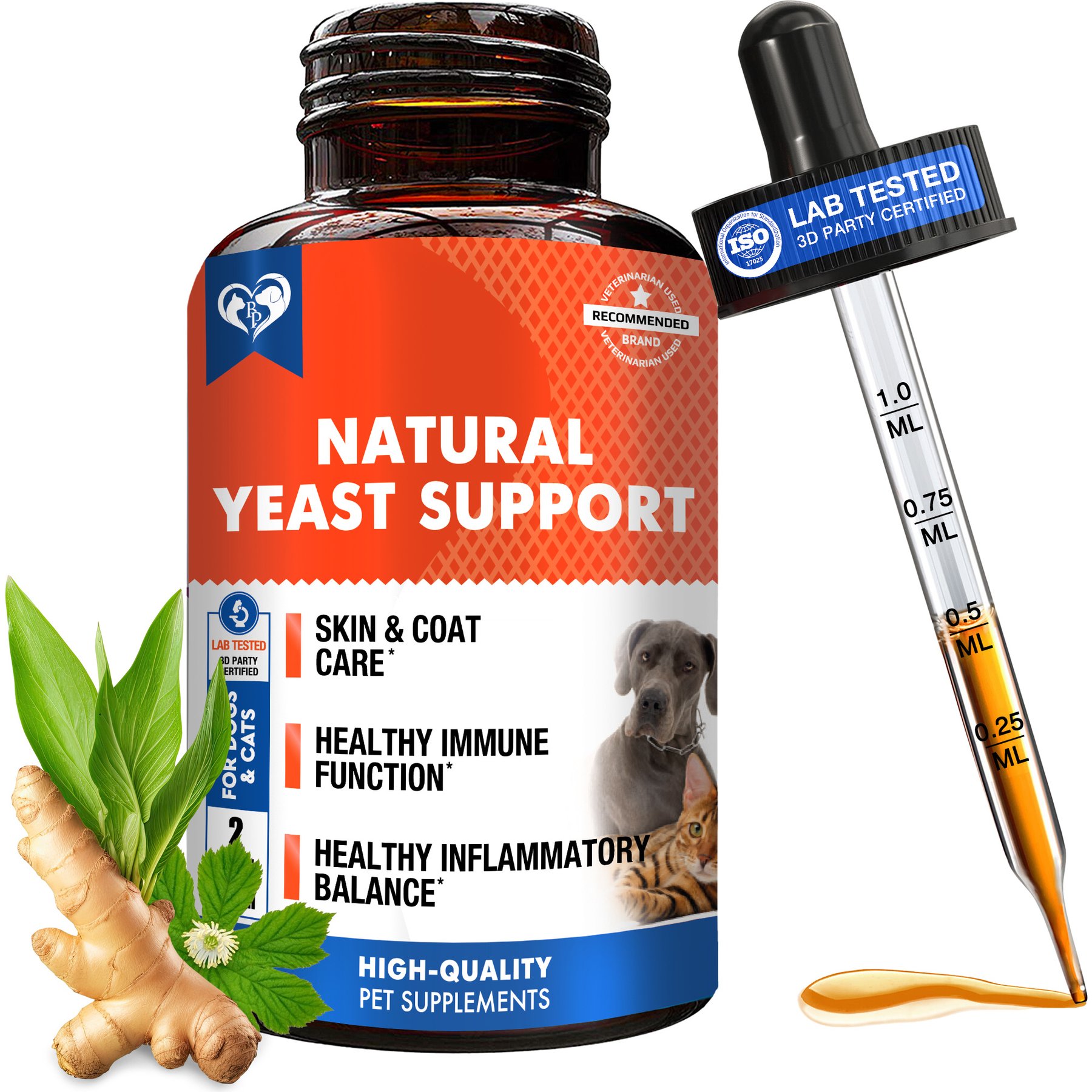
Supplements can play a key role in managing yeast problems in dogs. They support the immune system and help fight yeast overgrowth. Choosing the right supplements makes a big difference. These supplements often work alongside a proper diet and vet care.
Natural Antifungals
Natural antifungals help reduce yeast growth in the body. Ingredients like coconut oil contain caprylic acid. This acid fights yeast and improves skin health. Garlic is another natural antifungal that boosts immunity. It is important to use garlic carefully and in small amounts. Some herbs like oregano oil also have antifungal properties. These natural options support the dog’s health gently and safely.
Vitamin Support
Vitamins support the body’s defense against yeast infections. Vitamin C is a strong antioxidant that helps reduce inflammation. B vitamins improve skin and coat health. Vitamin E protects cells from damage and supports healing. Supplements with these vitamins can help your dog feel better faster. Always check with a vet before adding vitamins to your dog’s diet.
Credit: www.ftllogistics.lv
Tips For Transitioning Your Dog’s Diet
Changing your dog’s diet can be tricky, especially with yeast problems. A sudden switch may upset their stomach or skin. Careful steps help your dog adjust well. Patience and attention make the transition smooth and safe.
Follow these tips to help your dog enjoy new food without issues. Watch closely for any changes in behavior or health. Small changes over time support better digestion and comfort.
Gradual Food Changes
Start by mixing a small amount of new food with the old. Increase the new food portion slowly over 7 to 10 days. This helps your dog’s body get used to new ingredients. Avoid switching all at once to prevent upset stomach.
Observe how your dog reacts each day. Keep the feeding schedule steady and consistent. This steady approach reduces stress and improves acceptance of the new diet.
Monitoring Reactions
Watch for signs of allergies or digestive problems. Scratching, redness, or bad breath may mean the food is not right. Diarrhea or vomiting also signal trouble.
Keep a daily log of any symptoms or changes. This record helps you and your vet decide the best food plan. Early detection of issues stops bigger problems later.
Frequently Asked Questions
What Foods Help Dogs With Yeast Infections?
Foods low in carbs and sugars help dogs with yeast infections. Include lean proteins, vegetables, and probiotics to balance gut flora and reduce yeast growth.
Can Probiotics Improve A Dog’s Yeast Condition?
Yes, probiotics restore good bacteria in the gut. They help reduce yeast overgrowth and improve your dog’s immune response naturally.
Are Grain-free Diets Better For Dogs With Yeast Problems?
Grain-free diets may help reduce yeast infections. They lower carbohydrate intake, which can limit yeast growth and improve skin health.
Which Vegetables Are Best For Dogs With Yeast Issues?
Leafy greens like spinach and kale are ideal. They provide antioxidants and fiber, supporting digestion and reducing yeast overgrowth.
Conclusion
Choosing the right food helps dogs fight yeast problems better. Foods low in sugar and grain can reduce yeast growth. Healthy proteins and vegetables support your dog’s skin and immune system. Watch your dog’s reactions to new foods closely. Consistency matters for long-term health and comfort.
Consult your vet for tailored advice and treatment. A good diet can make your dog happier and healthier. Simple changes bring big benefits over time. Keep your dog’s needs in mind every day.