
If you have both dogs and cats at home, you know how tricky it can be to keep your space clean and stress-free. Finding the best litter box that works well when dogs are around isn’t just about convenience—it’s about peace of mind for you and comfort for your pets.
You want a solution that keeps your cat’s litter safe from curious paws and your floors free from mess. You’ll discover smart tips and top litter box choices designed to fit perfectly into a busy, multi-pet household. Keep reading to find the perfect match for your furry family!
Challenges Of Litter Boxes With Dogs
Using a litter box in a home with dogs can be tricky. Dogs and litter boxes do not always mix well. Dogs may see the litter box as a toy or a place to explore. This can cause problems for both the pet owner and the cat.
Many dog owners face challenges when trying to keep the litter box clean and safe. Dogs might dig in the litter or spread it around the house. These challenges make it harder to keep a tidy home and a happy pet environment.
Common Issues
Dogs often treat litter boxes like play areas. They can knock over the box or scatter litter everywhere. Some dogs may even try to eat the litter. This causes messes and can be unhealthy for dogs.
Another problem is the risk of dogs disturbing cats at the litter box. Cats need privacy to feel safe while using it. Dogs nearby can stress cats and stop them from using the box.
Behavioral Concerns
Dogs curious about the litter box may develop bad habits. For example, chewing or digging in the litter can become a routine. This behavior can damage the litter box or cause health issues.
Stress from living with a dog near the litter box can lead cats to avoid it. Cats might start going outside the box. This creates new problems for pet owners to solve.
:strip_icc()/SPRPETS-Petmate-Booda-Dome-Cleanstep-Litter-Box-Titanium-Maddy-Newton-Brooke-Kane-photo-01-630ac24a2a9f4b37ac11c7c1b24ee4c7.jpg)
Credit: www.thesprucepets.com
Key Features To Consider
Choosing the right litter box for a home with dogs requires careful thought. Dogs can be curious and may disturb the litter box. This makes picking the right features very important. The right litter box helps keep the area clean and safe for both pets and owners.
Durability And Material
The litter box must be strong. Dogs can bump or push it. Look for boxes made from tough plastic or other sturdy materials. These last longer and resist cracks. Smooth surfaces make cleaning easier and stop dirt build-up. Avoid flimsy materials that break fast.
Odor Control
Odor can spread quickly in homes with dogs. A litter box with good odor control keeps the house fresh. Some have built-in filters or covers to trap smells. Choose a box that can hold odor well. This helps keep both pets and humans comfortable.
Size And Design
The size must fit the cat and the space available. A bigger litter box gives cats more room to move. Dogs need to be able to avoid it easily. Look for designs with high walls or lids to stop dogs from disturbing the litter. Simple shapes are easier to clean and fit better in rooms.
Top Litter Boxes For Homes With Dogs
Choosing the right litter box matters a lot in homes with dogs. Dogs can be curious and may disturb the litter box easily. Picking a litter box that fits your home helps keep peace between pets. The best litter boxes offer cleanliness, odor control, and safety for cats and dogs.
Self-cleaning Models
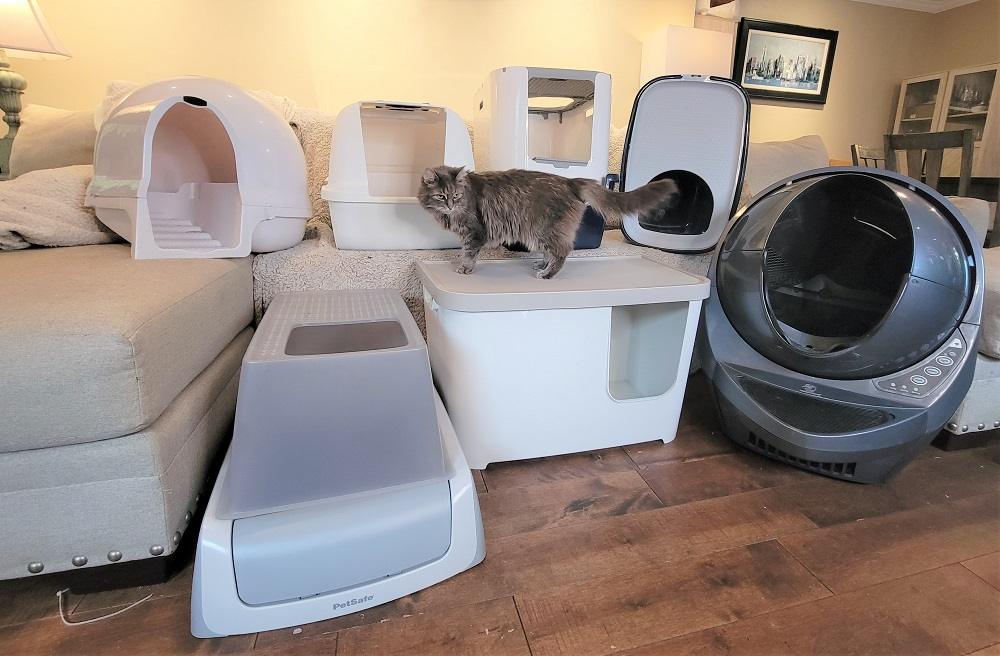
Self-cleaning litter boxes save time and effort. They clear waste automatically after your cat uses them. This feature keeps the area neat and fresh. These boxes reduce the chance of dogs getting into the litter. They are ideal for busy pet owners and help maintain hygiene.
Covered Vs. Open Boxes
Covered boxes keep litter and smells inside. They stop dogs from sniffing or digging into the box. Some cats may prefer the privacy of a covered box. Open boxes offer easy access and better ventilation. Consider your cat’s habits and your dog’s behavior when choosing.
Eco-friendly Options
Eco-friendly litter boxes use sustainable materials. They reduce waste and help the environment. Some boxes are made from recycled plastics or biodegradable materials. Pair these boxes with natural litter for a greener home. Eco options are safe and gentle for pets.
Credit: cats.com
Training Tips For Pets
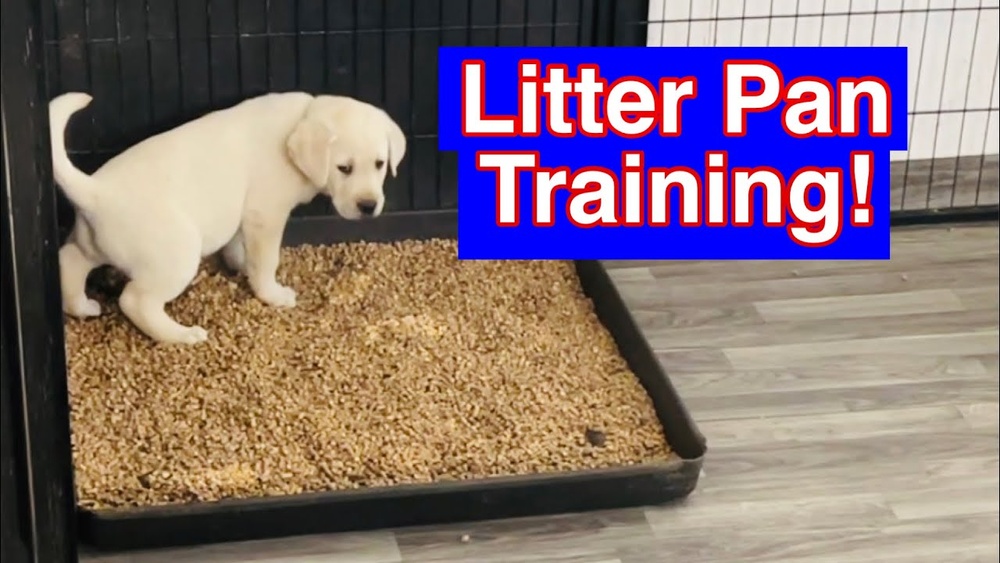
Training pets to use a litter box takes patience and clear steps. Dogs and cats learn best with simple routines. Teaching them early helps avoid confusion and accidents. The following tips can guide you through this process smoothly.
Introducing The Litter Box
Place the litter box in a quiet, easy-to-reach spot. Let your pet explore it without pressure. Show them where it is after meals or naps. Use a calm voice to encourage curiosity. Avoid moving the box too often to build comfort.
Encouraging Proper Use
Reward your pet when they use the litter box correctly. Praise and small treats work well. Keep the box clean to invite use. Watch your pet’s signals for bathroom needs. Gently guide them back to the box if needed.
Managing Accidents
Do not punish your pet for accidents. Clean the area thoroughly to remove odors. Use enzyme-based cleaners for best results. Observe patterns to understand when accidents happen. Adjust training methods based on your pet’s progress.
Maintaining A Clean Environment
Keeping the litter box area clean is very important when living with dogs. A clean space helps stop bad smells and keeps your home fresh. It also makes your pets feel safe and comfortable. Simple habits and good products make cleaning easier. This part shows how to maintain a clean litter box environment.
Regular Cleaning Routines
Clean the litter box daily to stop odors and bacteria. Remove solid waste and clumps often. Wash the box with mild soap once a week. Dry it well before adding fresh litter. Regular cleaning keeps the area neat and healthy for pets.
Using Deodorizers And Liners
Use deodorizers to reduce bad smells around the litter box. Sprinkle baking soda or pet-safe powders on the litter. Liners help protect the box and make cleaning quick. Change liners every time you clean the box. These tools keep the area fresh and easy to maintain.
Storage And Placement
Place the litter box in a quiet, low-traffic spot. Avoid places near your dog’s food or water bowls. Good ventilation helps control odors. Keep cleaning tools nearby for quick access. Proper placement helps keep the environment clean and pets happy.

Credit: doggybathroom.com
Frequently Asked Questions
What Is The Best Litter Box For Homes With Dogs?
The best litter box for homes with dogs is sturdy and has high walls. It prevents dogs from accessing cat litter while giving cats privacy and comfort.
Can Dogs Use A Cat Litter Box Safely?
Dogs should not use cat litter boxes. Cat litter can be harmful if ingested by dogs. Instead, provide separate potty areas for each pet.
How To Keep Dogs Away From Cat Litter Boxes?
Place the litter box in a dog-proof area or use a covered box. Training and deterrents like mats or barriers also help keep dogs away.
Are Self-cleaning Litter Boxes Good With Dogs Around?
Self-cleaning litter boxes reduce odor and mess but may confuse dogs. Choose models with secure lids and sensors to avoid accidental activation or damage.
Conclusion
Choosing the right litter box helps keep both pets happy. Dogs and cats can share spaces peacefully. A good litter box reduces mess and odors. It also makes cleaning easier for you. Remember, comfort and hygiene matter most for pets.
Try different styles to find the best fit. Small changes make a big difference at home. Enjoy a cleaner, calmer place with the right litter box.


