

Teaching your dog to sit is one of the simplest and most important commands you can master together. Imagine having your dog listen and respond instantly, making walks, visits to the vet, and playtime much easier and more enjoyable.
If you’ve ever felt frustrated when your dog won’t settle down, this guide is exactly what you need. By the end, you’ll have clear, step-by-step tips that anyone can follow to train their dog to sit quickly and effectively. Ready to see your dog become more obedient and happy?
Let’s get started!
Preparing For Training
Preparing for training sets the stage for success. It helps your dog learn faster and better. Taking time to prepare makes training sessions smooth and fun. Clear steps make teaching “sit” easier for both of you.
Choosing The Right Environment
Pick a quiet place with few distractions. A calm spot helps your dog focus on you. Avoid noisy areas or places with many people. Start indoors or in a fenced yard. Short sessions in a peaceful setting work best.
Gathering Necessary Supplies
Have treats ready to reward good behavior. Use small, soft treats your dog likes. Keep a clicker if you plan to use one. Bring a leash to guide your dog gently. Prepare a comfortable mat or blanket for resting.
Setting Training Goals
Set clear, simple goals for each session. Focus on one step at a time. For example, first teach your dog to look at you. Next, add the “sit” command. Small goals help your dog learn without feeling confused.

Credit: betternaturedogtraining.com
Basic Commands Before Sit
Before teaching your dog to sit, focus on basic commands. These commands prepare your dog’s mind and body. They make learning new skills easier. Start with simple steps that build good habits and clear communication.
Building Attention Skills
Teaching your dog to pay attention is the first step. Use a quiet place to practice. Call your dog’s name and wait for eye contact. Reward your dog with a treat or praise. Keep sessions short to hold interest. Attention skills help your dog listen better to commands.
Using Name Recognition
Your dog must recognize their name before sitting. Say your dog’s name clearly and cheerfully. Wait for your dog to respond with a look or movement. Give a treat immediately after the response. Repeat this often in different places. Name recognition improves your dog’s focus and helps with training.
Step-by-step Sit Training
Teaching your dog to sit is the first step in good behavior training. This simple command helps your dog learn control and focus. Follow these clear steps to train your dog to sit quickly and easily. Practice daily for best results.
Introducing The Sit Command
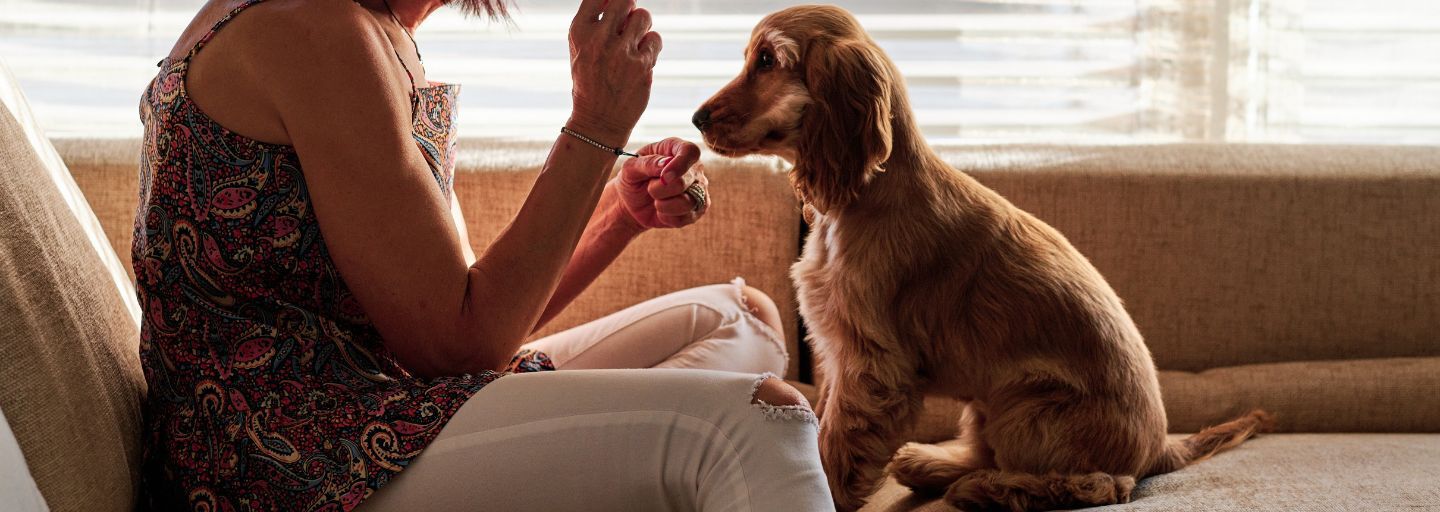
Start by holding a treat close to your dog’s nose. Slowly move the treat above their head. This motion will make your dog look up and naturally sit down. Once your dog sits, say “sit” clearly. Give the treat right away as a reward. Repeat this several times to create a connection.
Using Hand Signals
Use a simple hand signal to help your dog understand the command. Raise your hand with your palm facing up or use a finger pointing upwards. Show this signal every time you say “sit.” Dogs learn faster with visual cues. Combine the hand signal with the verbal command consistently.
Timing Your Rewards
Reward your dog immediately after they sit. Quick rewards make it easier for dogs to link action and treat. Use small, tasty treats to keep your dog interested. Praise your dog with a happy tone. Avoid delays between sitting and giving the reward.
Credit: www.purina.com.au
Common Challenges
Training a dog to sit can bring many joys and strengthen your bond. Still, it often comes with challenges. Recognizing these common problems helps keep training smooth and stress-free.
Patience and consistency are key. Understanding typical hurdles prepares you for success.
Dealing With Distractions
Dogs notice everything around them. Sounds, smells, and movements can pull their attention away. Training in a quiet place at first helps your dog focus. Slowly add distractions as they improve. Keep sessions short to maintain attention. Use treats and praise to bring focus back quickly.
Handling Stubborn Behavior
Some dogs resist commands more than others. They might ignore you or act playful instead. Stay calm and firm with your voice. Repeat the command clearly without raising it. Break the task into smaller steps. Reward small improvements to encourage progress. Avoid punishment; it can create fear and confusion.
Avoiding Overtraining
Too much training tires your dog and lowers interest. Keep sessions brief, about 5 to 10 minutes. End on a positive note with success. Give your dog time to rest and play between sessions. Overtraining can cause frustration for both you and your dog. Balance training with fun activities for better results.
Advanced Tips For Success
Training your dog to sit is easy with basic steps. To get better results, use advanced tips. These tips help your dog learn faster and remember commands longer. Training becomes more effective and fun for both you and your pet.
Consistency In Commands
Use the same word for “sit” every time. Don’t change the command or tone. Speak clearly and calmly. Dogs learn best when instructions stay the same. Practice daily to reinforce the command. Consistency builds your dog’s trust and understanding.
Varying Training Sessions
Change where and how you train your dog. Try indoors, outdoors, quiet, or busy places. Use different rewards like treats or praise. Short sessions work better than long ones. New settings help your dog apply the command everywhere. Keep sessions fun to hold your dog’s interest.
Incorporating Sit Into Daily Routine
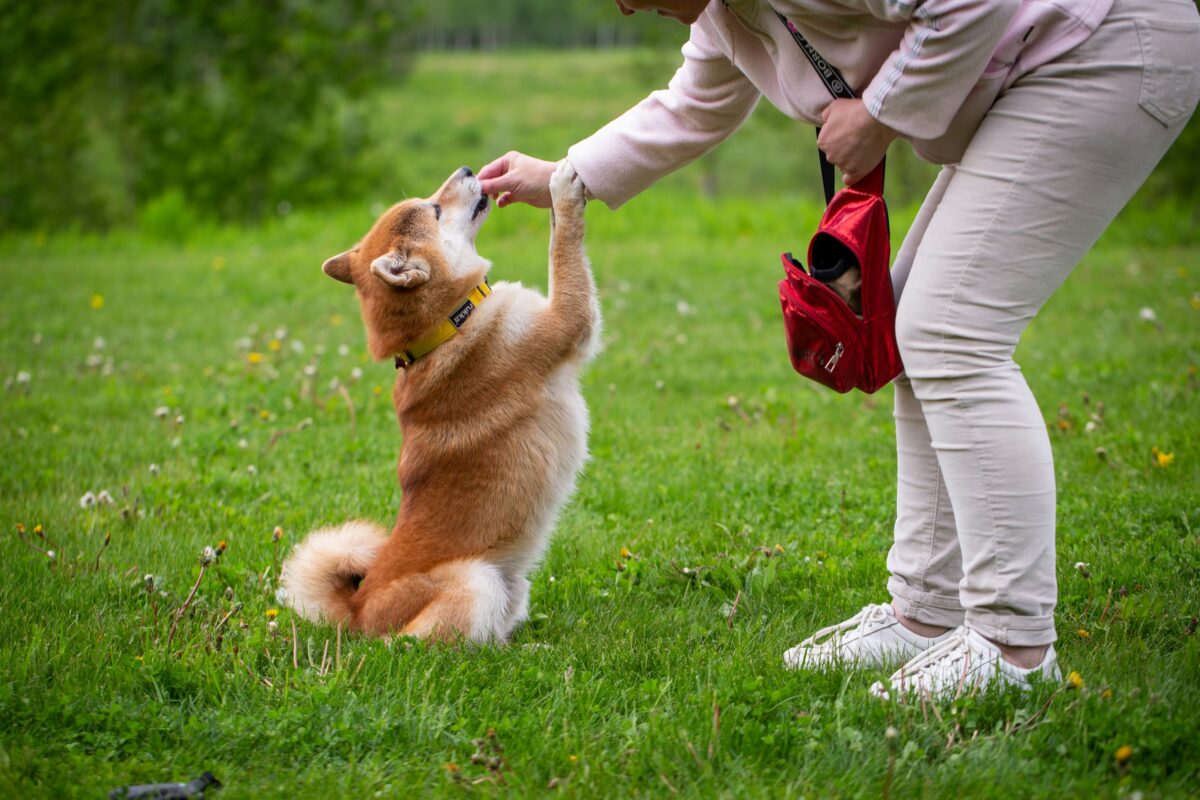
Ask your dog to sit before meals or walks. Use the command during playtime or greetings. This practice makes sitting a normal part of life. Your dog learns to obey without extra effort. Daily use strengthens the habit and your bond.
Credit: www.caninejournal.com
Troubleshooting Training Issues
Training your dog to sit can sometimes hit a snag. Problems may arise that slow progress or cause confusion. Troubleshooting these issues helps keep training on track. Patience and small changes make a big difference.
Recognizing Training Plateaus
Sometimes your dog may stop improving. This pause is called a training plateau. It means your dog understands the command but won’t respond faster or better. This phase can last days or weeks. Don’t get discouraged. Keep practicing with short, consistent sessions.
Adjusting Techniques
Try changing your training methods if progress stalls. Use different treats or rewards. Change your tone of voice to be more encouraging. Shorten training sessions to keep your dog’s attention. Add more hand signals or body language. Small tweaks often help your dog learn faster.
When To Seek Professional Help
Some problems need an expert’s advice. If your dog shows fear or aggression, find a trainer. Persistent ignoring of commands may mean a health problem. A professional trainer can offer new methods or check behavior issues. Early help saves time and frustration.
Frequently Asked Questions
How Long Does It Take To Train A Dog To Sit?
Training a dog to sit usually takes a few days to a week. Consistent short sessions and positive reinforcement speed up learning. Patience and repetition are key to success.
What Commands Should I Use To Teach My Dog To Sit?
Use clear commands like “sit” or “sit down. ” Always say the command before guiding your dog. Consistency in wording helps your dog understand and obey faster.
Can I Train My Dog To Sit Without Treats?
Yes, you can use praise, petting, or toys as rewards. Treats are effective but not necessary. Positive reinforcement with any reward motivates your dog to learn.
How Often Should I Practice Sitting With My Dog?
Practice short sessions 2-3 times daily. Frequent, brief training helps your dog retain the command better. Avoid long sessions that cause frustration or boredom.
Conclusion
Training your dog to sit takes time and patience. Practice daily with clear commands and rewards. Keep sessions short and fun to hold your dog’s attention. Be consistent with your words and hand signals. Celebrate small successes to build your dog’s confidence.
Remember, every dog learns at its own pace. Enjoy the bonding experience while teaching this basic skill. Soon, your dog will sit on command, making walks and playtime easier. Stay calm, positive, and keep training simple. Your efforts will pay off in a well-behaved pet.


