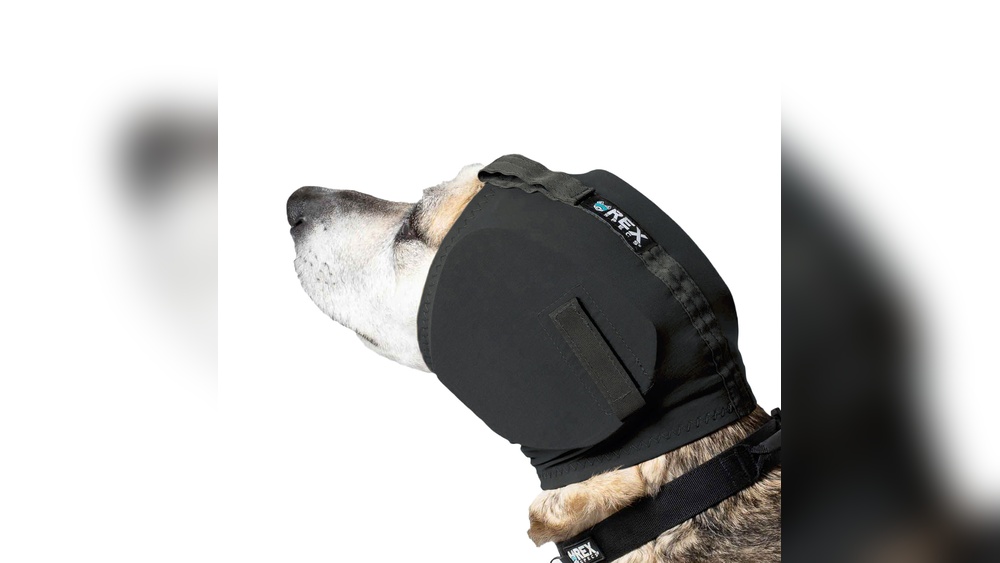
Is your dog constantly scratching, biting, or rubbing their skin? Watching your furry friend suffer from itchiness and allergies can be heartbreaking.
You want to help them feel comfortable and happy again—but with so many options out there, it’s hard to know where to start. You’ll discover the best itch and allergy relief solutions for dogs that actually work. Keep reading to find simple, effective ways to ease your dog’s discomfort and bring back their playful spirit.
Common Causes Of Itching And Allergies
Dogs often suffer from itching and allergies. These problems cause discomfort and can lead to skin damage. Understanding the common causes helps in managing your dog’s health better. It also helps you find the right treatment to soothe your pet quickly.
Fleas And Parasites
Fleas are a common cause of itching in dogs. These tiny bugs bite the skin and cause irritation. Parasites like mites also cause intense itching and redness. Flea bites can lead to allergic reactions. Regular flea control is important to keep your dog comfortable.
Food Sensitivities
Some dogs react to certain foods. Ingredients like beef, chicken, or dairy can cause allergies. Food sensitivities show as itching, redness, or ear infections. Changing your dog’s diet may reduce symptoms. Consult a vet to find the best food for your dog.
Environmental Allergens
Dogs can be allergic to pollen, dust, or mold. These allergens cause skin itching and watery eyes. Grass and trees often trigger allergic reactions. Cleaning your dog’s bedding and limiting outdoor exposure helps reduce symptoms. Allergy tests can identify specific triggers.
Skin Infections
Bacterial or fungal infections cause itching and sores. These infections often result from scratching or allergies. Infected skin looks red, swollen, or scaly. Treatment with antibiotics or antifungal medicine is necessary. Early care prevents worsening of skin problems.
Signs Your Dog Needs Relief
Dogs cannot tell us when they feel itchy or uncomfortable. Observing their behavior helps spot signs of itch and allergy problems. Early detection leads to faster relief and better health for your dog.
Excessive Scratching And Biting
Dogs scratch or bite to relieve itchiness. If your dog scratches more than usual, it may need help. Biting at the skin is also a clear sign of discomfort.
Redness And Inflammation
Look for red, swollen areas on your dog’s skin. These spots often show irritation or allergic reactions. Inflamed skin feels warm and may be tender to touch.
Hair Loss And Hot Spots
Hair falling out in patches shows skin trouble. Hot spots are raw, painful areas caused by constant scratching. These spots worsen without proper care.
Behavioral Changes
Itch or allergy pain can make dogs restless or irritable. Your dog may sleep less or avoid activities. Watch for unusual behaviors as signs of discomfort.
Top Over-the-counter Treatments
Many dogs suffer from itching and allergies that cause discomfort. Over-the-counter treatments offer relief without a prescription. These options help reduce irritation and improve your dog’s skin health. Here are some popular and effective OTC treatments for itch and allergy relief.
Medicated Shampoos
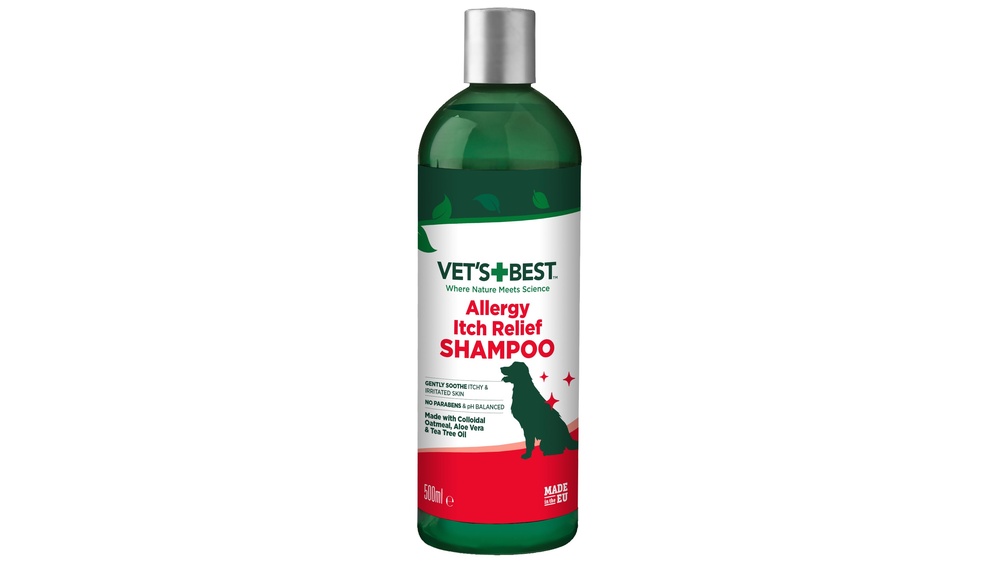
Medicated shampoos clean your dog’s skin and remove allergens. They soothe itching and reduce inflammation. Ingredients like oatmeal, aloe, and chamomile calm irritated skin. Regular baths with these shampoos can improve skin condition quickly. Use as directed for best results.
Antihistamines
Antihistamines block allergy symptoms that cause itching. Common ones include diphenhydramine and cetirizine. They reduce swelling and redness. Always check the correct dosage for your dog’s weight. Consult your vet before starting any medication.
Topical Sprays And Creams
Topical sprays and creams provide fast relief for itchy spots. They cool and soothe inflamed skin. Some contain hydrocortisone or aloe vera for calming effects. Apply directly to affected areas as needed. Avoid letting your dog lick treated spots.
Supplements For Skin Health
Supplements improve your dog’s skin from the inside out. Omega-3 fatty acids are popular for reducing allergies. They support healthy coat and reduce dryness. Vitamins E and biotin also promote skin repair. Add these supplements to your dog’s diet for long-term benefits.
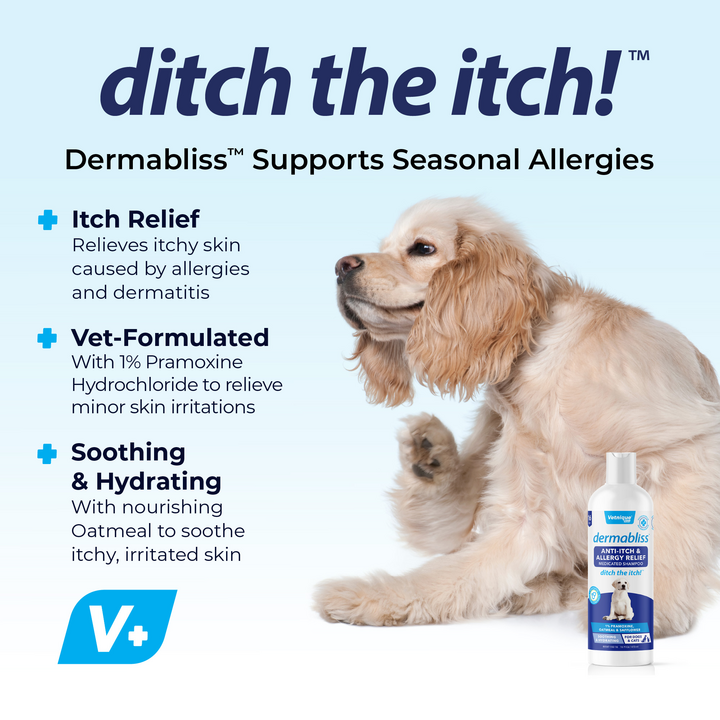
Credit: vetnique.com
Prescription Options From Veterinarians
Prescription options from veterinarians offer effective relief for dogs suffering from itch and allergies. These treatments target the root causes and help reduce discomfort quickly. Vets tailor these medications to suit each dog’s specific needs. Understanding these options helps pet owners make informed choices for their dog’s health.
Steroids And Anti-inflammatory Medications
Steroids reduce swelling and itching fast. They calm the immune system and ease allergic reactions. Anti-inflammatory drugs also lower pain and redness. Vets prescribe these for short or long-term use. Careful monitoring ensures safety and effectiveness.
Allergy Shots And Immunotherapy
Allergy shots train the dog’s immune system to tolerate allergens. This treatment builds tolerance over time. It helps reduce allergic responses gradually. Immunotherapy is a good option for chronic allergies. It requires regular visits to the vet for injections.
Antibiotics For Secondary Infections
Scratching can cause skin wounds that get infected. Antibiotics fight these bacterial infections. They prevent the infection from spreading further. Vets prescribe antibiotics after checking the infection type. Proper use is crucial to avoid resistance.
Specialized Diet Plans
Food allergies can trigger itching and rashes. Special diets remove common allergens from meals. These diets include limited ingredients or novel proteins. Vets recommend these plans after allergy testing. Nutrition plays a key role in managing allergies.
Natural And Home Remedies
Natural and home remedies can soothe your dog’s itch and allergy symptoms safely. These remedies use gentle, simple ingredients. They help calm irritated skin without harsh chemicals. Many dog owners trust these methods for quick relief and better skin health.
Oatmeal Baths
Oatmeal baths are a popular way to relieve itching. Oatmeal contains compounds that reduce inflammation and soothe skin. Grind plain oatmeal into a fine powder. Mix it in warm bath water. Let your dog soak for 10 to 15 minutes. This helps cool the skin and ease irritation.
Aloe Vera Treatments
Aloe vera gel is excellent for calming itchy skin. Use pure aloe vera without added chemicals. Apply a thin layer to the affected areas. Aloe vera reduces redness and promotes healing. Avoid letting your dog lick the gel to prevent stomach upset.
Coconut Oil Applications
Coconut oil moisturizes dry, itchy skin naturally. Use virgin coconut oil for best results. Rub a small amount on irritated spots twice daily. Coconut oil has antibacterial properties that help prevent infections. It also makes your dog’s coat soft and shiny.
Dietary Adjustments
Diet plays a key role in allergy relief. Foods rich in omega-3 fatty acids reduce inflammation. Add fish oil or flaxseed oil to your dog’s meals. Avoid common allergens like wheat, corn, or soy. Consult your vet before making major diet changes.
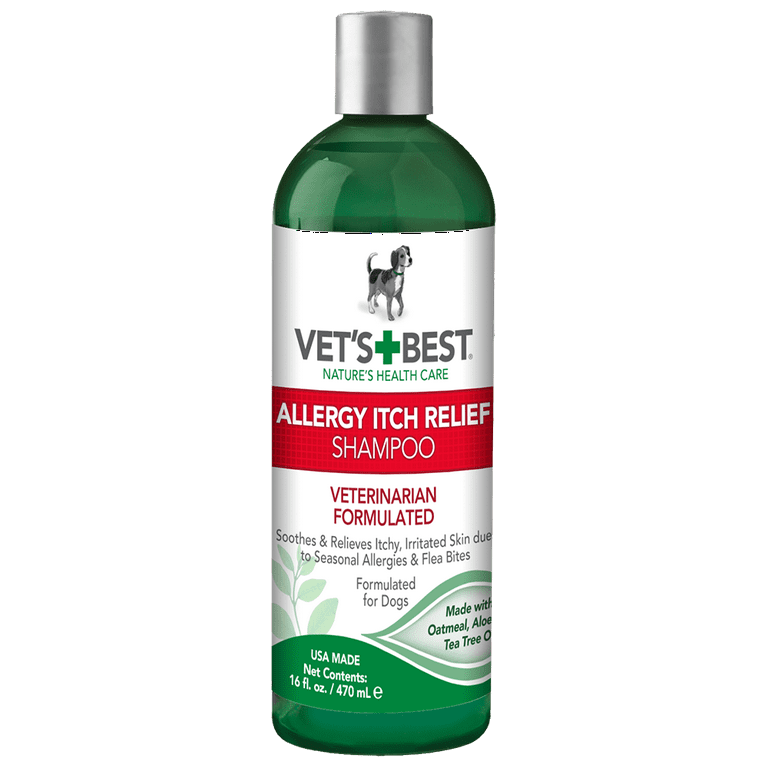
Credit: www.walmart.com
Preventive Measures To Reduce Allergies
Preventing allergies in dogs helps keep them comfortable and healthy. Taking steps before allergies start can reduce itching and irritation. Simple daily habits protect dogs from common allergens. These habits support their skin and overall wellbeing.
Regular Flea And Tick Control
Fleas and ticks cause intense itching and allergic reactions. Use vet-recommended flea and tick preventives regularly. Check your dog’s fur and skin for pests often. Early removal stops bites and skin inflammation. This control prevents flea allergy dermatitis, a common dog allergy.
Maintaining Clean Living Spaces
Clean homes reduce dust, mold, and pollen exposure. Vacuum floors and furniture frequently. Wash your dog’s bedding weekly in hot water. Keep air filters clean and change them often. Clean spaces lower allergens that trigger skin problems.
Balanced Nutrition
A healthy diet strengthens your dog’s immune system. Feed high-quality food with essential fatty acids. Omega-3 and Omega-6 support skin health and reduce inflammation. Avoid foods known to cause allergies in your dog. Good nutrition helps fight allergens from the inside out.
Seasonal Allergy Management
Seasonal allergies flare during certain times of the year. Limit your dog’s outdoor time during high pollen days. Rinse your dog’s coat after walks to remove pollen. Keep windows closed on windy days. These actions reduce contact with seasonal allergens and soothe itching.
When To See A Veterinarian
Knowing when to see a veterinarian is key for your dog’s health. Some itch and allergy symptoms need expert care. Acting early can prevent bigger problems. Watch your dog closely. Learn the signs that require a vet visit.
Persistent Symptoms
Itching that lasts more than a week needs a vet check. Scratching, licking, or biting without relief can harm your dog’s skin. Persistent symptoms show the problem may be serious. A vet can find the root cause and suggest proper treatment.
Signs Of Infection
Redness, swelling, or oozing spots on the skin often mean infection. Your dog may also have a bad smell or scabs. Infections can worsen quickly. A vet can prescribe medicine to stop infection and ease discomfort.
Severe Allergic Reactions
Sudden swelling, difficulty breathing, or vomiting are serious signs. These reactions need immediate medical help. Allergies can sometimes cause life-threatening problems. Don’t wait. Take your dog to the vet right away.
Chronic Skin Conditions
Long-term skin problems need professional care. Conditions like eczema or dermatitis can worsen without treatment. A vet can offer tests and ongoing care plans. Proper management helps your dog stay comfortable and healthy.

Credit: www.amazon.com
Frequently Asked Questions
What Causes Itching And Allergies In Dogs?
Dogs can develop itching and allergies due to food, pollen, dust mites, or flea bites. Genetics and environment also play a role. Identifying triggers helps in managing symptoms effectively and improving your dog’s comfort and health.
How Can I Relieve My Dog’s Allergy Symptoms?
Use hypoallergenic shampoos, antihistamines, or prescribed medications from a vet. Regular grooming and a balanced diet also reduce allergy flare-ups. Avoid allergens and maintain a clean living environment for best results.
Are Natural Remedies Effective For Dog Itch Relief?
Yes, some natural remedies like oatmeal baths, coconut oil, and aloe vera can soothe itchy skin. However, consult your vet before using natural treatments to ensure safety and effectiveness for your dog’s specific condition.
When Should I See A Vet For My Dog’s Allergies?
Visit a vet if itching persists more than a week or worsens. Severe symptoms like hair loss, swelling, or infections require professional diagnosis and treatment. Early intervention prevents complications and improves recovery chances.
Conclusion
Finding the right itch and allergy relief helps your dog feel better fast. Simple treatments can reduce scratching and improve their comfort. Regular care and attention keep your dog happy and healthy. Watch for signs of allergies and act quickly to help.
A calm, itch-free dog means more joy for your whole family. Keep learning about safe remedies and consult your vet as needed. Your dog deserves relief and a happy life every day.