
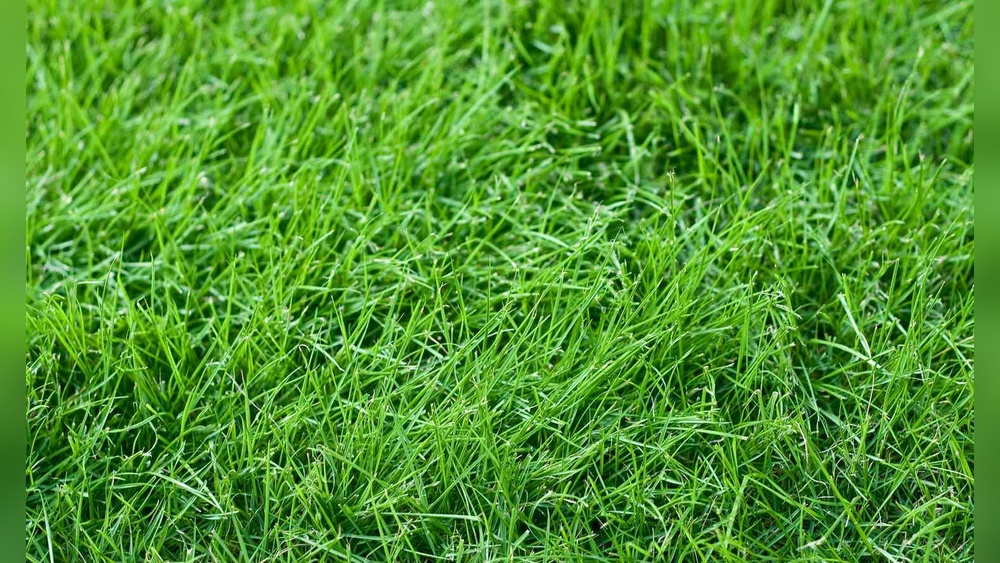
If you have dogs, you know how tough it can be to keep your yard looking green and healthy. Your furry friends love to run, dig, and play, which can quickly wear down ordinary grass.
But what if you could find the best grass seed that stands up to all that activity and keeps your yard beautiful? You’ll discover the top grass seeds designed specifically for yards with dogs. By choosing the right seed, you can enjoy a lush lawn that your pets will love—and you’ll love the way it looks.
Keep reading to find out which grass seeds will make your yard a happy place for both you and your dogs.

Credit: thegrasspeople.com
Challenges Of Yards With Dogs
Yards with dogs face special challenges that affect grass health. Dogs love to run, dig, and play. These actions can harm the grass and soil. Understanding these challenges helps in choosing the best grass seed. A yard with dogs needs grass that can handle rough use and recover fast.
Strong, durable grass keeps your yard green and safe for your pets. Let’s explore the common problems dog owners face with their lawns.
Common Damage Caused By Dogs
Dogs often dig holes in the yard. This leaves bare patches where grass cannot grow. Running and playing create worn paths. These areas lose grass and look ugly. Constant foot traffic breaks the grass blades and roots. This damage makes the lawn weak and patchy.
Soil Compaction And Wear
Dogs running and jumping press down the soil. This compacts the soil, making it hard and dense. Compacted soil stops air, water, and nutrients from reaching roots. Grass roots struggle to grow in tight soil. As a result, grass becomes thin and brown. Soft soil helps grass stay green and healthy.
Urine Spots And Grass Burn
Dog urine contains nitrogen and salts. Too much nitrogen burns the grass, causing yellow or brown spots. These spots can spread if not treated. Frequent urination in the same spot worsens damage. Grass needs a seed type that resists urine burn. This keeps the yard looking fresh and green.
Key Qualities Of Durable Grass Seeds
Choosing the right grass seed for yards with dogs is important. Dogs play and run a lot, so the grass needs to stay strong. Durable grass seeds have special qualities that help the lawn last longer. These qualities help the grass survive heavy use and keep your yard looking good.
Wear Resistance
Wear resistance means the grass can handle lots of foot traffic. Dogs running and playing can quickly damage weak grass. Durable seeds grow tougher grass blades. This grass bends but does not break. It keeps the lawn green and thick even after many games.
Quick Recovery
Quick recovery helps the grass heal fast from damage. When dogs dig or run, the grass can get torn or bare. Grass with quick recovery grows new shoots fast. This fills in bare spots soon. Your lawn stays full and healthy all season.
Tolerance To Pet Urine
Pet urine can harm grass by causing yellow spots. Tolerant grass seeds resist damage from urine. These grasses absorb or break down harmful chemicals. This keeps the lawn green and prevents ugly patches. Tolerance helps your yard look nice despite pets.
Top Grass Seed Types For Dog-friendly Yards
Choosing the right grass seed for yards with dogs is important. Dogs run, dig, and play a lot. This activity can wear out the grass quickly. Picking a tough and resilient grass type helps keep your yard green and healthy. Some grass seeds handle foot traffic better and recover faster from damage. They also resist digging and urine spots. Here are some of the best grass seed types for dog-friendly yards.
Kentucky Bluegrass
Kentucky Bluegrass is a popular choice for many lawns. It grows dense and thick, making it soft for dogs to play on. This grass recovers well from damage. It spreads through underground stems, filling in bare spots fast. It prefers cooler climates and needs regular watering. This grass handles moderate foot traffic well and stays green most of the year.
Perennial Ryegrass
Perennial Ryegrass germinates quickly and grows fast. It forms a strong, durable turf that stands up to dog activity. This grass type is often mixed with others for better lawn durability. It tolerates wear and tear but may need overseeding yearly. Perennial Ryegrass thrives in cooler areas and prefers full sun. It is easy to maintain and stays green in spring and fall.
Tall Fescue
Tall Fescue is known for its deep roots. Deep roots help it survive droughts and heavy use. This grass grows thick and can handle rough play. It resists dog urine damage better than many grasses. Tall Fescue works well in both sun and shade. It requires less water once established. It stays green longer in summer heat.
Bermuda Grass
Bermuda Grass is a tough warm-season grass. It grows quickly and recovers fast from wear. This grass forms a dense carpet that holds up to heavy traffic. It handles heat and drought better than most grasses. Bermuda Grass needs full sun to thrive. It can go dormant in winter but comes back strong in spring.
Pet-safe Grass Seed Options
Choosing the right grass seed is important for yards with dogs. Pet-safe grass seeds protect your furry friends from harmful chemicals and toxins. These seeds grow strong grass that stands up to playful paws and digging. Healthy grass means a happy pet and a beautiful yard.
Non-toxic Seed Choices
Non-toxic grass seeds do not contain harmful chemicals. These seeds help keep pets safe from skin irritations and stomach problems. Common non-toxic options include Kentucky bluegrass, perennial ryegrass, and tall fescue. These types grow dense, durable lawns that dogs enjoy running on. Using non-toxic seeds reduces risks and promotes a safe outdoor space.
Allergy Considerations
Some dogs suffer from allergies caused by certain grass types. Choose seeds that are less likely to cause allergic reactions. Fine fescues and buffalo grass are good choices for sensitive pets. These grasses produce less pollen and reduce allergy symptoms. Selecting allergy-friendly grass seeds helps your dog stay comfortable and healthy.
Organic And Chemical-free Seeds
Organic grass seeds grow without synthetic fertilizers or pesticides. These seeds create a natural lawn safe for pets to roam freely. Chemical-free options reduce the chance of poisoning and skin problems. Look for certified organic seeds to ensure quality. A chemical-free yard supports your pet’s well-being and the environment.
Tips For Planting And Maintaining Grass With Dogs
Growing grass in yards with dogs needs special care. Dogs run, dig, and use the lawn often. This can make grass hard to grow and keep green. Follow simple tips to plant and maintain grass that lasts. These tips help your grass stay healthy and your yard neat.
Proper Seeding Techniques
Start by choosing grass seed that suits dogs and your climate. Spread seeds evenly on loose soil. Lightly rake the soil to cover seeds well. Press the soil gently to help seeds touch the ground. Avoid planting seeds too deep. Good seed contact with soil helps quick growth.
Watering And Fertilizing
Water the grass daily after planting until seeds sprout. Use gentle watering to avoid washing seeds away. Once grass grows, water less but deeply to build strong roots. Fertilize with dog-safe products to avoid harming pets. Use fertilizer in early spring and fall for best results.
Repairing Damaged Areas
Check your lawn often for worn or bare spots. Clear debris and loosen soil in these areas. Re-seed or add grass patches to fix damage. Keep dogs away from new seed spots until grass grows. Repair quickly to stop damage from spreading.
Using Barriers And Training
Use low fences or barriers to protect grass from heavy dog traffic. Train dogs to use specific areas for digging and bathroom needs. Reward good behavior to encourage them to avoid the grass. Barriers and training help keep your lawn green and healthy.
:max_bytes(150000):strip_icc()/best-grasses-for-dogs-5085279-hero-d2c93258a8b04f9da09c95873aac7d4a.JPG)
Credit: www.thespruce.com
Additional Yard Care For Pet Owners
Taking care of a yard with dogs needs special attention. Dogs can cause wear and tear on grass. Their activities can also affect soil and lawn health. Extra care keeps your yard green and safe for pets.
Regular Cleaning And Waste Removal
Pick up dog waste every day. Waste left on grass can burn the lawn. It also spreads harmful bacteria. Clean yards reduce bad smells and keep pets healthy.
Rinse urine spots with water. This helps to dilute strong acids that harm grass. Regular cleaning protects your lawn’s look and health.
Soil Health Improvement
Test soil to know its condition. Dog activity can compact soil, making it hard for grass roots. Aerate the soil to improve air and water flow.
Add organic matter like compost. It enriches soil and helps grass grow strong. Healthy soil supports a lush yard even with dogs around.
Seasonal Lawn Care
Adjust lawn care to the seasons. In spring, reseed bare spots caused by pets. Summer needs more watering to fight heat stress.
Fall is good for fertilizing and aerating. Winter may require less care but keep the yard clean. Proper seasonal care keeps your lawn ready for pet play all year.
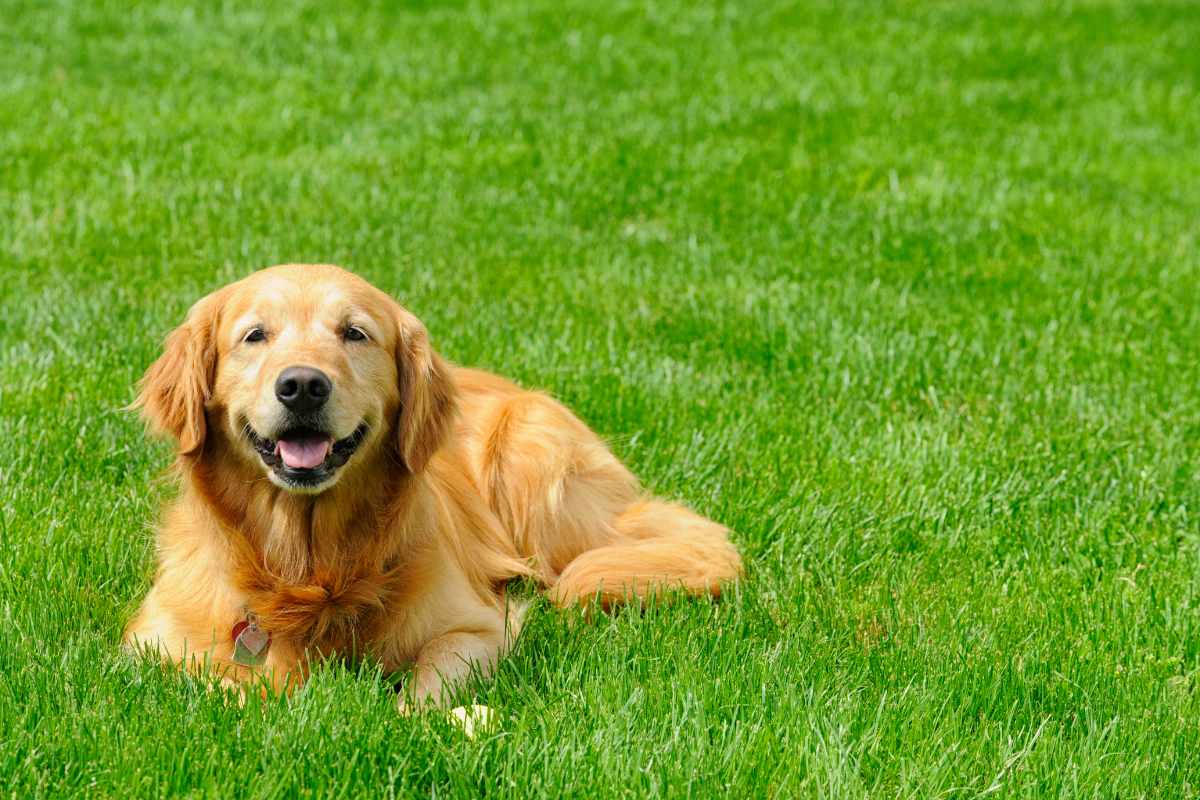
Credit: www.lawnstarter.com
Frequently Asked Questions
What Is The Best Grass Seed For Yards With Dogs?
The best grass seed for yards with dogs is durable and fast-growing. Perennial ryegrass and tall fescue are ideal for wear resistance and recovery. They withstand heavy foot traffic and pet activity while maintaining a green, healthy lawn.
How Do I Protect Grass From Dog Urine Damage?
To protect grass from dog urine, water the area immediately after your dog urinates. This dilutes the nitrogen concentration. Choose grass types like fescue that are more tolerant to urine. Regular lawn care and reseeding also help maintain healthy grass.
Can Grass Seed Grow Well In Shaded Dog Yards?
Yes, shade-tolerant grass seeds like fine fescue and tall fescue grow well in shaded yards. These grasses need less sunlight and resist wear from pets. Proper watering and fertilization improve grass health in shaded areas.
How Long Does It Take For Grass Seed To Grow In Dog Yards?
Grass seed typically takes 7 to 21 days to germinate in dog yards. Growth speed depends on grass type, soil quality, and weather. Regular watering and avoiding heavy pet traffic during early growth aid faster establishment.
Conclusion
Choosing the right grass seed keeps your yard green and healthy. Seeds that resist wear and recover fast suit dogs best. Strong grass means fewer muddy patches and less dirt inside. Care and watering help grass grow thick and lush.
A good lawn makes outdoor time fun for your pets. Try the options that fit your climate and soil. Watch your yard thrive with the best grass seed for dogs. Simple steps lead to a beautiful, pet-friendly lawn.


