
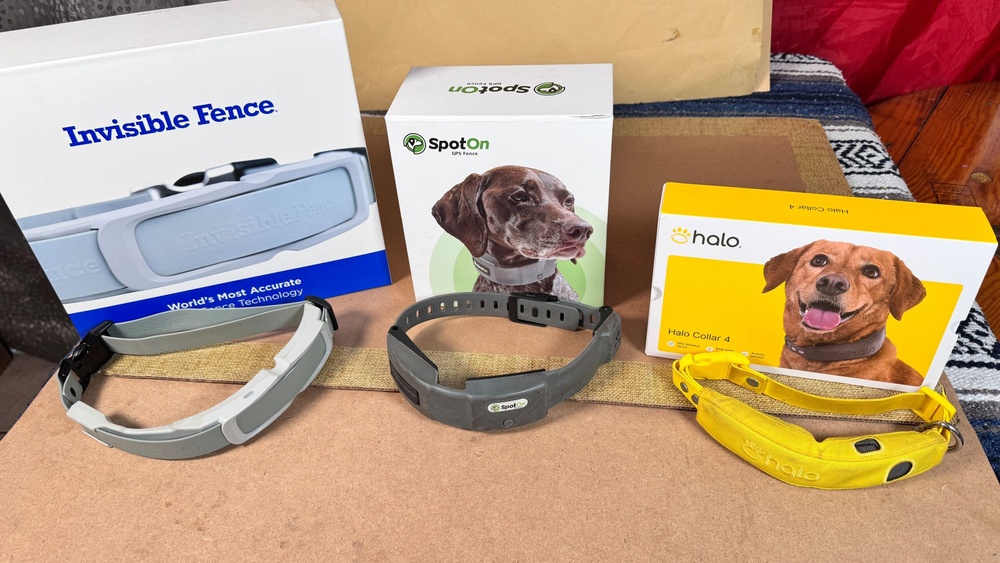
Looking for the best wireless dog fence GPS to keep your furry friend safe and secure? You want a solution that gives your dog freedom to roam while giving you peace of mind.
Imagine never worrying about your dog running off or getting lost again. In this guide, you’ll discover top options that are easy to set up, reliable, and fit your budget. Keep reading to find the perfect wireless dog fence GPS that works for you and your pet’s lifestyle.

Credit: jprstudies.org
Why Choose Wireless Dog Fences
Wireless dog fences offer a modern solution to keep pets safe without physical barriers. They use GPS or radio signals to create an invisible boundary. Dogs stay within set limits while enjoying freedom and comfort. These fences suit many homes and lifestyles.
Benefits Over Traditional Fences
Wireless fences do not need digging or building walls. They save space and look neat in any yard. Dogs can run freely without hitting physical barriers. No risk of dogs digging under or jumping over fences. Installation is faster and less disruptive to your garden. Maintenance is easy compared to wooden or metal fences.
Flexibility And Portability
Wireless fences are easy to move and adjust. Change the boundary size anytime to fit your needs. Perfect for renters or those who move often. Take the fence with you on trips or visits. It works well in different terrains and yard shapes. You can create a safe area anywhere within minutes.
Safety Features
Many wireless fences include warning signals for dogs. Beeps or vibrations alert pets before reaching the boundary. This helps dogs learn limits without stress. Some systems have automatic shut-off to prevent shocks. GPS tracking allows monitoring your dog’s location on a phone. These features keep your pet secure and calm.
How Gps Wireless Fences Work
GPS wireless fences keep dogs safe without physical barriers. They use satellite signals to create invisible boundaries. This technology helps pets roam freely yet stay within a set area. Understanding how these systems work makes choosing the right one easier.
Gps Technology Explained
GPS stands for Global Positioning System. It uses satellites orbiting the earth to find exact locations. The dog’s collar receives signals from these satellites. The system then calculates the dog’s position with great accuracy. This allows the fence to know if the dog is near the boundary.
Setting Up The Boundary
Owners set the boundary using a smartphone or device. They mark the safe area on a map. The GPS system stores this boundary in its memory. This boundary can be a circle or custom shape. The system tracks the dog’s location against this set area.
Collar And Receiver Functions
The collar has a built-in GPS receiver. It constantly checks the dog’s position. If the dog approaches the boundary, the collar sends a warning beep. If the dog crosses the boundary, the collar gives a mild static correction. This teaches the dog to stay inside the safe zone.
Top Features To Look For
Choosing the best wireless dog fence GPS needs attention to key features. These features affect how well the fence works for your dog’s safety. Each feature plays a role in comfort, reliability, and ease of use. Understanding these top features helps pick the right fence for your needs.
Range And Coverage
Range defines how far your dog can roam safely. A wide coverage area suits larger yards or open spaces. Check if the fence supports adjustable zones for flexible boundaries. Good coverage means your dog stays within safe limits without feeling trapped.
Battery Life And Charging
Long battery life ensures the fence works without frequent charging. Look for fences with quick and easy charging options. Some models offer rechargeable batteries, saving money on replacements. Reliable battery life keeps protection active day and night.
Alert Types And Adjustments
Different alerts warn your dog about boundary limits. Common alerts include sound, vibration, and mild static correction. Adjustable settings let you choose the best alert for your dog’s personality. Proper alerts help train your dog gently and effectively.
Waterproof And Durability
Durability matters for outdoor use in all weather conditions. Waterproof collars withstand rain, mud, and splashes without damage. Strong materials resist wear and tear from active dogs. A durable fence stays reliable for years, protecting your dog safely.
Credit: www.sjfiremuseum.org
Best Wireless Dog Fences In 2024
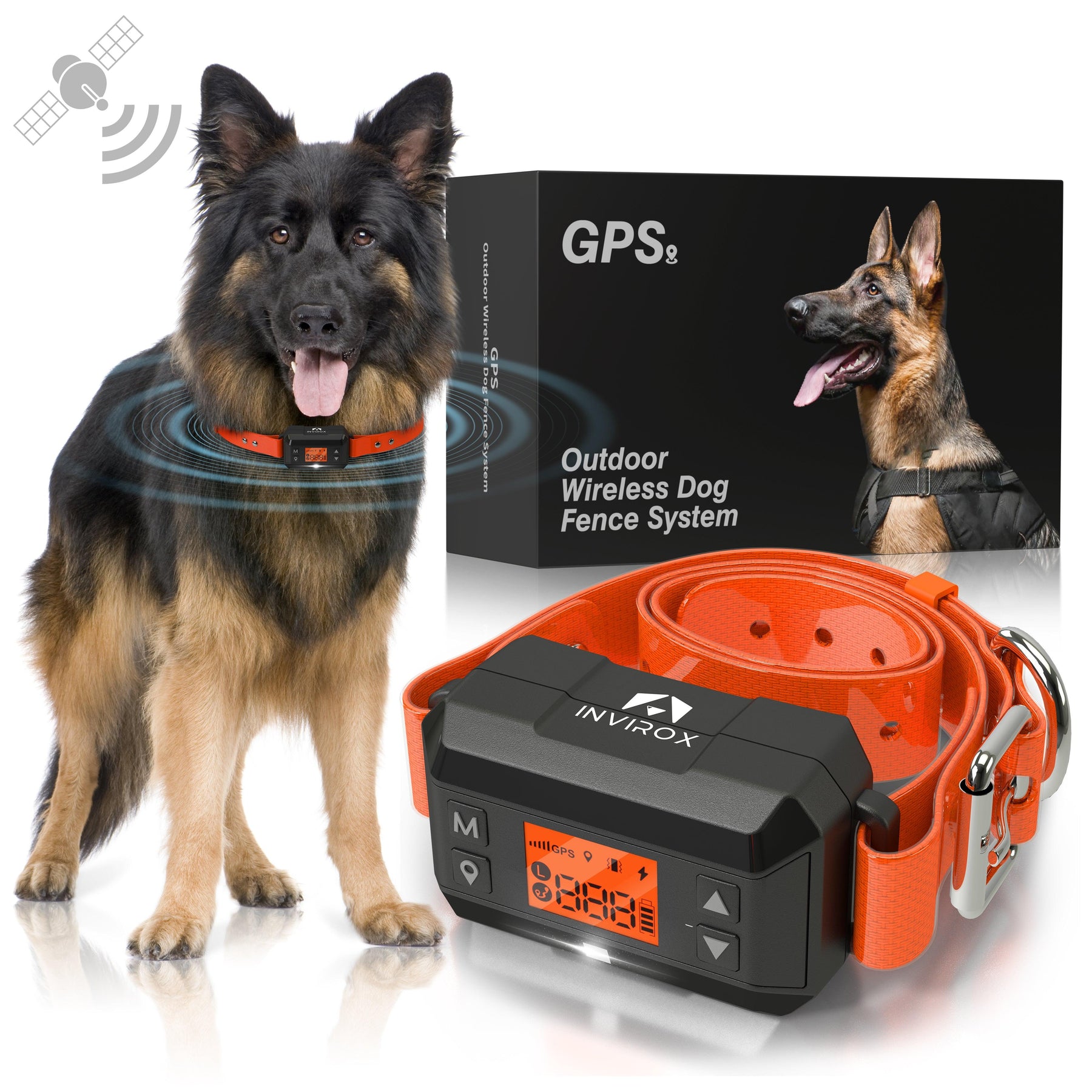
Wireless dog fences with GPS are popular in 2024. They offer a safe way to keep pets within a set area. No need for physical fences or digging holes. These fences use GPS signals to create invisible boundaries. Dogs get gentle corrections if they cross the limit. This technology suits homes with open yards or tricky landscapes.
Choosing the right wireless dog fence means balancing features, price, and ease of use. Some models offer wide coverage and smart alerts. Others focus on affordability or simple setup. Customer reviews highlight real experiences and reliability. The following sections show top picks in different categories.
Premium Models
Premium wireless dog fences provide advanced features and large coverage. They often include adjustable correction levels and multiple dog collars. Many come with smartphone apps for easy control. These fences support wide areas, up to several acres. They use strong GPS signals for accuracy and safety. Premium models suit large properties or owners wanting extra control.
Budget-friendly Options
Budget-friendly wireless dog fences offer basic protection without high costs. These units cover smaller areas, ideal for apartments or small yards. Setup is usually quick and straightforward. They provide reliable boundary alerts and safe corrections. These options work well for owners on a budget or with smaller dogs. Quality remains good despite the lower price.
Customer Favorites
Customer favorites combine good value, ease of use, and solid performance. They have positive reviews for reliability and pet safety. Many users praise clear instructions and fast setup. These fences often include features like waterproof collars and adjustable ranges. They suit most dog sizes and yard shapes. Popular brands keep improving based on user feedback.
Installation Tips And Tricks
Installing a wireless dog fence with GPS needs care and attention. Proper setup ensures your dog stays safe and enjoys freedom. Follow these simple tips to get the best results from your system.
Choosing The Right Location
Select a clear area for the base station. Avoid metal objects or thick walls near it. These can block GPS signals and reduce fence accuracy. Place the base in a central spot to cover the whole yard well.
Keep the base away from water and direct sunlight. A shaded, dry place works best. Check the power source to ensure continuous operation.
Setting Boundaries Accurately
Mark the boundary clearly before programming the fence. Use flags or markers to show limits. Walk around the yard to test the GPS signal strength.
Adjust the boundary size using the fence system controls. Start with a small area and increase slowly. This helps your dog get used to the safe zone.
Double-check the boundary edges for obstacles. Trees, buildings, and hills can affect signal quality and coverage.
Training Your Dog
Introduce your dog to the fence slowly. Use treats and positive words to encourage them. Walk your dog along the boundary several times.
Watch your dog’s reactions and correct gently if they cross the line. Repeat training daily until your dog understands the limits.
Never punish your dog harshly. Keep training sessions short and fun. Consistency helps your dog learn faster and stay safe.

Credit: www.petsafe.com
Common Challenges And Solutions
Wireless dog fences with GPS offer great freedom for pets. Yet, some challenges can arise during use. Understanding these common problems helps pet owners keep their dogs safe and happy. Below are key issues and easy solutions.
Signal Interference Issues
Signal interference can cause the fence to work poorly. Trees, buildings, or metal objects often block signals. Moving the base station to a clear spot helps. Avoid placing it near large metal objects or thick walls. Check for other wireless devices that might cause interference. Adjusting the fence range can improve signal strength.
Handling Large Or Stubborn Dogs
Big or strong dogs may test the fence limits. Some dogs ignore warnings and try to escape. Training is important to teach boundaries. Use consistent commands and reward good behavior. Choose a collar with adjustable correction levels. Stronger dogs may need higher correction settings, but never too strong to cause pain.
Maintenance And Troubleshooting
Regular maintenance keeps the wireless fence working well. Check collars and batteries often. Replace batteries before they run out. Inspect the base station and wires for damage. Clean the collar sensors to ensure good contact. If the fence stops working, reset the system first. Consult the manual for specific troubleshooting steps.
Enhancing Pet Safety Beyond Fences
Keeping pets safe goes beyond just setting up fences. Wireless dog fences with GPS help track pets, but safety involves more steps. Combining technology and care creates a safer space for pets. Understanding how to enhance safety helps owners protect their furry friends better.
Combining Gps With Other Devices
GPS tracking works well with other safety devices. Collars with LED lights make pets visible at night. Activity monitors track health and alert unusual behavior. Cameras let owners watch pets from anywhere. Using multiple tools adds layers of protection.
Regular Health And Behavior Checks
Checking pets’ health often prevents serious problems. Watch for changes in eating, walking, or mood. Early signs of illness or stress show in behavior. Regular vet visits keep pets strong and happy. Healthy pets stay safer outside the fence.
Emergency Preparedness
Emergency plans protect pets in unexpected situations. Keep a pet first-aid kit at home and in cars. Know nearby vets and emergency clinics. Teach family members how to respond to pet emergencies. Quick action saves lives and reduces pet stress.
Frequently Asked Questions
What Is A Wireless Dog Fence Gps System?
A wireless dog fence GPS system uses satellite signals to keep pets within a set boundary. It offers flexibility without physical wires, ensuring safe outdoor freedom for dogs. The system provides real-time location tracking and boundary alerts for pet safety.
How Accurate Are Wireless Dog Fence Gps Devices?
Wireless dog fence GPS devices are generally accurate within a few feet. The precision depends on GPS signal strength and environmental factors. Most systems provide reliable boundary control, ensuring your dog stays safe without false alerts.
Can Wireless Gps Fences Work In Large Areas?
Yes, wireless GPS fences can cover large areas depending on the device range. Some models support multiple boundary zones and adjustable range settings. This flexibility suits various yard sizes and outdoor spaces, offering effective containment.
Are Wireless Dog Fence Gps Systems Safe For Pets?
Wireless dog fence GPS systems are safe when used as instructed. They use mild static corrections or audible warnings to discourage boundary crossing. Proper training and device calibration ensure your dog’s comfort and safety.
Conclusion
Choosing the best wireless dog fence GPS keeps your pet safe. It lets your dog roam freely within set limits. The right system fits your yard and your dog’s needs. Easy setup and clear signals make the fence work well.
Trustworthy devices help you avoid unwanted escapes or accidents. Always check battery life and range before buying. A good fence gives peace of mind every day. Keep your dog happy and secure with the best choice. Safety and freedom—both matter for your furry friend.


