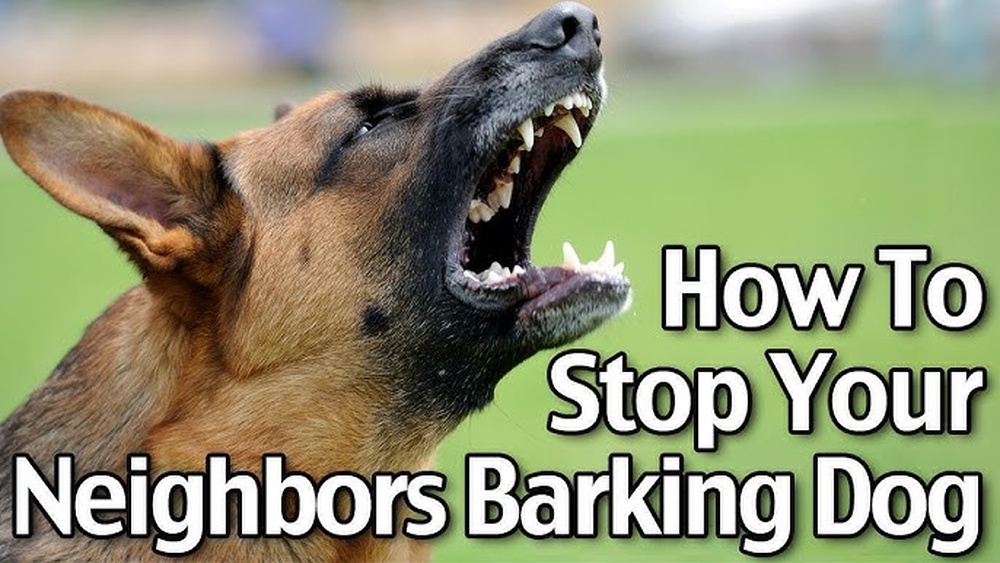
Are you tired of constant barking from your neighbor’s dog disrupting your peace? It’s frustrating when you can’t relax at home because of nonstop noise.
You’re not alone, and there are effective ways to handle this without causing conflict. Imagine enjoying quiet evenings and peaceful mornings again. You’ll discover simple, proven strategies to stop your neighbor’s dog from barking so much. Keep reading to find out how you can regain your calm and improve your living environment today.
Reasons Dogs Bark
Dogs bark for many reasons. It is their way to communicate. Understanding why dogs bark helps in solving barking problems. Some reasons are natural, while others come from behavior. Knowing these can help stop a neighbor’s dog from barking too much.
Common Triggers
Dogs bark at sounds like doorbells or sirens. They react to strangers near the house. Other animals passing by can also cause barking. Sometimes, dogs bark at moving cars or bikes. Loud noises scare dogs, making them bark loudly. These triggers make dogs alert and vocal.
Behavioral Causes
Barking can come from boredom or loneliness. Dogs left alone often bark to get attention. Anxiety or fear also cause barking. Some dogs bark to protect their territory. Poor training or lack of exercise can increase barking. Understanding these behaviors helps in reducing noise.
Impact Of Constant Barking
Constant dog barking can disturb daily life and peace at home. It affects everyone around the barking dog. Understanding this impact helps find better solutions. Noise from barking can cause tension between neighbors. It also harms health and well-being over time.
Effects On Neighbors
Continuous barking breaks the quiet of neighborhoods. It interrupts conversations and outdoor activities. People may find it hard to concentrate on work or rest. The noise can cause frustration and anger. Some neighbors might avoid their own homes. It can harm relationships and create ongoing conflicts.
Health And Stress Concerns
Noise from barking can increase stress levels. It may cause headaches and trouble sleeping. Over time, constant noise can lead to anxiety. Children and elderly people are more affected. Stress from noise lowers overall quality of life. Quiet environments help people stay calm and healthy.
Approaching Your Neighbor
Approaching your neighbor about their dog’s barking can feel awkward. Still, it is important to handle the situation calmly. Being polite helps keep the conversation friendly. Clear communication can lead to a good solution for both of you.
Talking face-to-face often works best. It shows respect and helps avoid misunderstandings. Choose a quiet time when your neighbor is not busy. This way, you both can focus on the issue without distractions.
Effective Communication Tips
Start with a friendly greeting. Use “I” statements to share your feelings. For example, say “I have trouble sleeping because of the barking.” Avoid blaming or accusing words. This helps prevent your neighbor from feeling defensive.
Listen to their side calmly. They might not know their dog is barking a lot. Stay patient and open to their explanation. Speak clearly and keep your tone soft. This encourages a positive discussion.
Building Cooperation
Suggest working together to find a solution. Offer ideas like training or adjusting the dog’s schedule. Ask if they need help or support. Show that you want to solve the problem as neighbors, not enemies.
Agree on small steps to reduce barking. Check back after some time to see if things improve. Thank your neighbor for listening and cooperating. This builds trust and a friendly neighborhood atmosphere.

Credit: www.amazon.com
Soundproofing Techniques
Soundproofing techniques help reduce noise from a neighbor’s barking dog. They create a quieter space in your home and yard. These methods block or absorb sound waves, making barking less disturbing. Choosing the right soundproofing depends on your situation and budget.
Barrier Options
Physical barriers can block sound before it reaches your property. Fences made of thick wood or vinyl are good choices. Adding mass helps stop sound waves from passing through. Planting dense bushes or trees also reduces noise. These natural barriers absorb and scatter sound effectively. Position barriers as close to the noise source as possible.
Indoor Soundproofing
Inside your home, soundproofing stops noise from entering rooms. Use heavy curtains on windows to absorb sound. Adding rugs or carpets softens noise on floors. Sealing gaps around doors and windows prevents sound leaks. Installing acoustic panels on walls cuts down echo and barking. These simple steps create a peaceful indoor space.
Using Anti-bark Devices
Using anti-bark devices offers a practical way to reduce your neighbor’s dog’s barking. These devices work by distracting or discouraging the dog without causing harm. They provide a humane solution that can improve peace in your neighborhood.
Ultrasonic Solutions
Ultrasonic devices emit a high-pitched sound. Dogs hear this sound, but humans usually cannot. The noise distracts the dog and stops barking. These devices activate automatically when barking starts. They are easy to use and safe for dogs. Ultrasonic solutions are quiet for people around.
Vibration Collars
Vibration collars send a gentle vibration to the dog’s neck. This vibration interrupts barking without pain. The collar senses barking and reacts immediately. Dogs learn to stop barking to avoid the vibration. These collars are adjustable and safe. They offer a calm way to reduce noise.
Environmental Adjustments
Environmental adjustments can help reduce a neighbor’s dog barking. Changing the surroundings can calm the dog and lower noise. Small changes often make a big difference. Focus on reducing triggers and creating peaceful areas for the dog.
Reducing Stimuli
Dogs bark at sights and sounds around them. Limiting what the dog sees or hears can help. Close windows and curtains to block outside activity. Remove or cover objects that catch the dog’s attention. Avoid loud noises near the dog’s space. Less stimulation means less reason to bark.
Creating Calm Spaces
Dogs need safe, quiet spots to feel relaxed. Suggest your neighbor set up a calm area for their dog. Soft bedding and toys can comfort the dog. A sheltered spot away from street noise works well. A peaceful place helps the dog stay calm and quiet. Calm dogs bark less.
Professional Training Options
Dealing with a neighbor’s barking dog can be tough. Professional training options offer effective ways to reduce or stop the noise. Trainers use proven methods that help dogs learn calm behavior. These services focus on teaching the dog and guiding the owner.
Hiring Trainers
Hiring a professional trainer can bring quick results. Trainers observe the dog’s behavior and find the root cause of barking. They teach the dog to respond to commands and stay calm. Trainers also advise neighbors on managing the dog’s environment. This approach improves the dog’s behavior over time.
Obedience Programs
Obedience programs provide structured learning for dogs. These programs include classes that teach basic commands and good manners. They help dogs focus and reduce barking through consistent training. Group classes also allow socializing, which can lower anxiety and noise. Obedience programs offer long-term benefits for dogs and neighbors alike.

Credit: www.youtube.com
Legal And Community Measures
Dealing with a neighbor’s barking dog can be stressful. Taking legal and community steps often helps solve the problem. These methods focus on clear rules and peaceful talks. Understanding your local laws and using community services can make a big difference.
Local Noise Ordinances
Most towns have noise rules about barking dogs. These laws say when and how long dogs can bark. Check your city’s website or call the local office for details. If the dog breaks the rules, report it to the authorities. They may send a warning or fine the owner. This can stop the barking quickly.
Keep notes about the barking. Write down dates, times, and how long it lasts. This record helps prove the problem if you need to report it. Knowing your rights helps you stay calm and act wisely.
Mediation Services
Mediation helps neighbors talk and solve problems calmly. A neutral person guides the conversation. They help both sides share their views and find a solution. This avoids fights and keeps good relations. Many communities offer free or low-cost mediation.
Try mediation before going to court. It saves time and money. It also helps neighbors understand each other. Sometimes, the dog’s owner does not know about the problem. Talking can fix it fast.

Credit: www.akc.org
Frequently Asked Questions
How Can I Politely Address My Neighbor’s Barking Dog?
Start by talking calmly with your neighbor about the barking. Express your concerns kindly. Suggest solutions that benefit both sides. Often, a friendly conversation can resolve the issue without conflict.
What Legal Steps Can Stop A Neighbor’s Dog Barking?
Check local noise ordinances or animal control laws. File a complaint if the barking violates these rules. Keep a log of barking times and durations. Legal action is a last resort after communication fails.
Are There Effective Noise-cancelling Tools For Dog Barking?
Yes, white noise machines and soundproof fences help reduce noise. These tools can minimize disturbance inside your home. They do not stop the barking but reduce its impact.
How Can I Help My Neighbor Control Their Dog’s Barking?
Suggest training classes or professional dog trainers. Encourage regular exercise and mental stimulation for the dog. Sometimes, behavior issues cause excessive barking and can be managed with proper training.
Conclusion
Stopping a neighbor’s dog from barking takes patience and care. Talking kindly with your neighbor helps solve many problems. Using gentle methods keeps everyone happy and safe. Quiet surroundings make your home more peaceful. Small changes can make a big difference.
Remember, respect and understanding build better relationships. Keep calm and stay friendly while finding solutions. Peace at home is worth the effort.