If you want your dog to listen better and learn faster, the right tool can make all the difference. A dog whistle is one of the simplest yet most effective training aids you can use.
But with so many options out there, how do you choose the best dog whistle for training? You’ll discover the top whistles that can help you communicate clearly with your furry friend, improve their behavior, and strengthen your bond. Keep reading to find the perfect whistle that fits your needs and brings out the best in your dog.

Credit: ishop.com.uy
Why Use A Dog Whistle
Using a dog whistle is a smart choice for training your dog. It makes communication clear and consistent. Dogs hear sounds we cannot. This helps in catching their attention quickly. The whistle’s tone stays the same every time. This helps dogs understand commands better.
Benefits For Training
A dog whistle helps train dogs faster. It works well over long distances. This is useful for outdoor training. The sound is sharp and easy for dogs to hear. It reduces confusion during training sessions. Dogs respond to the whistle, not distractions. This leads to better behavior and control. The whistle also helps with recall commands. It keeps your dog safe in open areas.
How Dogs Respond To Whistles
Dogs hear high-pitched sounds better than humans. The whistle sound is clear and distinct. This grabs their attention immediately. Dogs learn to associate the whistle with commands. They respond quickly to different whistle patterns. The sound is not disturbing or scary. Dogs can recognize their owner’s whistle from others. This strengthens the bond between you and your dog.

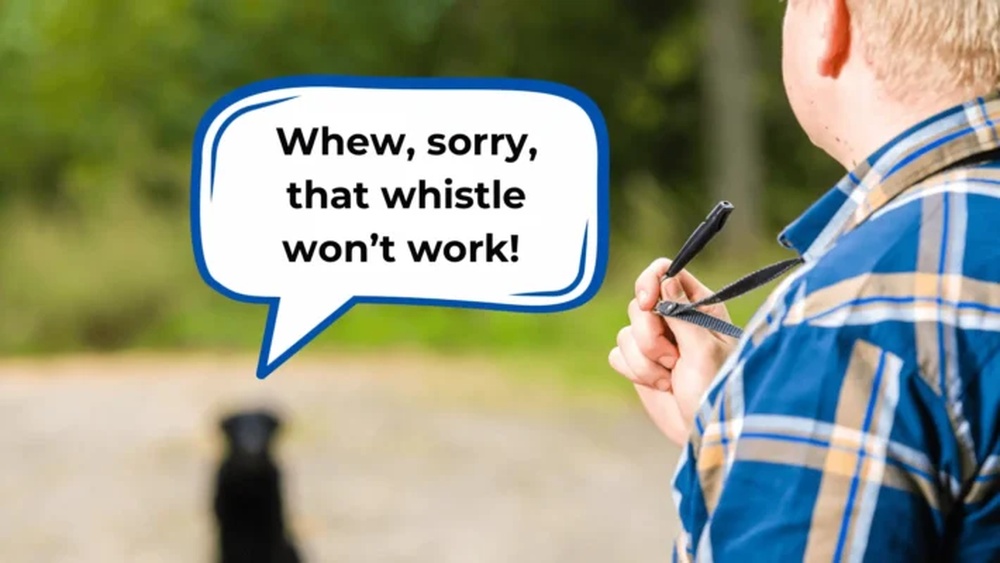
Credit: www.countryfile.com
Types Of Dog Whistles
Dog whistles come in different types to suit training needs. Each type has unique features and benefits. Choosing the right one helps improve your dog’s response.
Silent Whistles
Silent whistles produce sounds that humans cannot hear. Dogs hear high-pitched tones clearly. These whistles avoid disturbing people nearby. They work well for outdoor training sessions.
Adjustable Frequency Whistles
Adjustable frequency whistles let you change the pitch. This helps find a sound your dog reacts to best. They offer flexibility for training different dogs. You can fine-tune the whistle for better results.
Electronic Whistles
Electronic whistles use batteries to create sound. They often come with buttons for easy use. Some models offer volume control and different tones. These whistles are useful for consistent and clear signals.
Key Features To Consider
Choosing the best dog whistle means focusing on key features. These features affect how well the whistle works for training your dog. Understanding these points helps pick a whistle that suits your needs and your dog’s behavior.
Sound Range And Frequency
A good dog whistle should have a clear sound range. Dogs hear higher frequencies than humans. The whistle must emit sounds dogs can easily detect. Adjustable frequency lets you find the best tone for your dog. A whistle with a wide frequency range suits many training situations.
Durability And Material
Durability matters for a dog whistle used outdoors. Choose materials that resist wear and tear. Metal whistles last longer than plastic ones. Rust-resistant materials keep the whistle working well. A sturdy whistle handles drops and moisture without damage.
Ease Of Use
The whistle should be simple to use. It must produce a clear sound with little effort. Some whistles need strong blowing; others require less air. A whistle that fits comfortably in your mouth works best. Easy operation helps maintain consistent training signals.
Portability
Portability is important for training on the go. The whistle should be small and light. It should fit easily in your pocket or hang on a keychain. A portable whistle is ready whenever your dog needs training. Carrying it is hassle-free and practical.
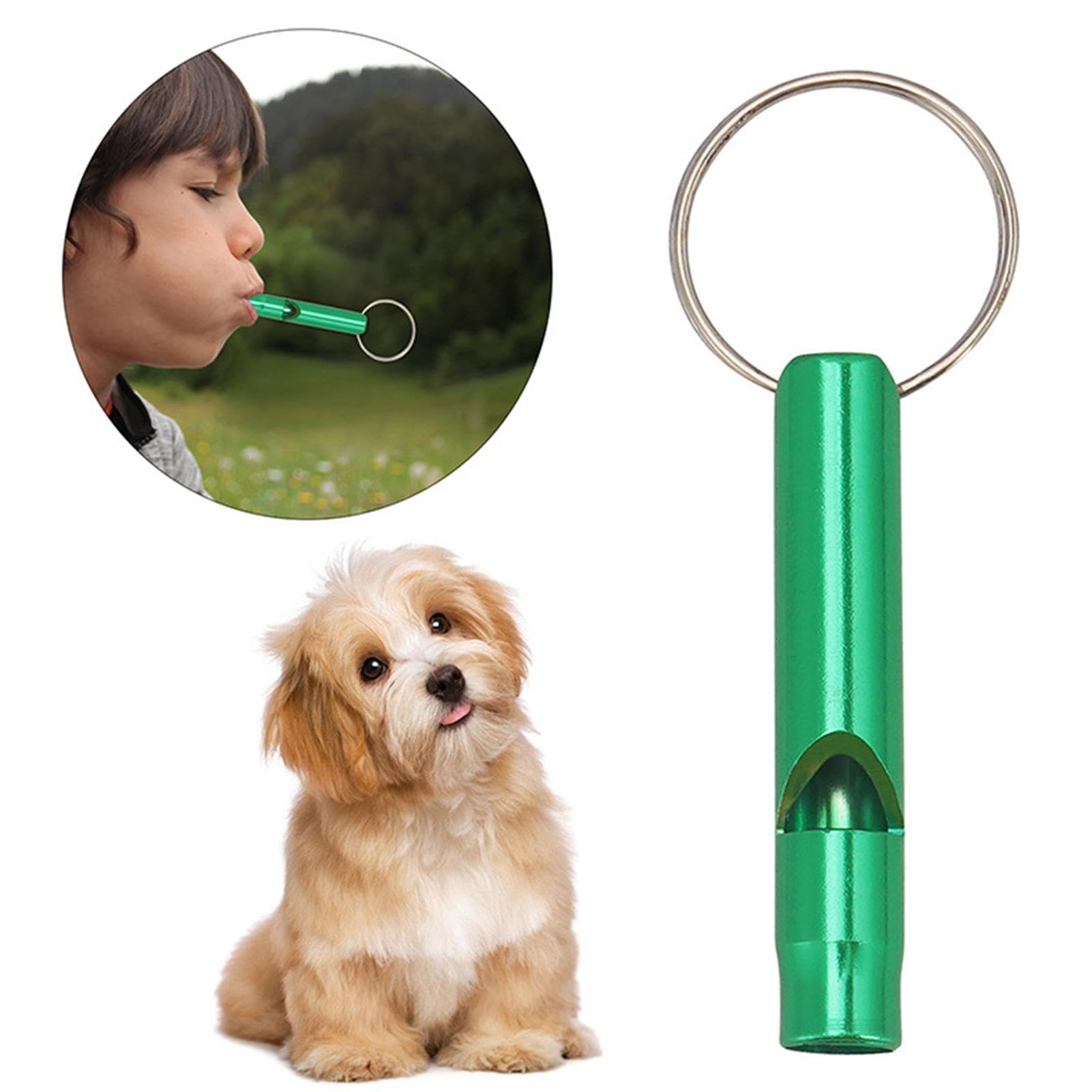
Credit: www.rickandanns.com
Top Dog Whistles For Training
Choosing the right dog whistle makes training easier and more effective. Different whistles suit different needs and dogs. This guide highlights top dog whistles for training. Each option fits unique training goals and dog sizes.
Explore these picks to find a whistle that matches your training style and dog’s personality.
Best Overall Whistle
The best overall dog whistle balances quality and ease of use. It offers clear sound that dogs can hear from far away. This whistle is made of durable materials and has adjustable tones. Trainers trust it for consistent and reliable signals during sessions.
Best Budget Option
Low cost does not mean low quality here. This whistle provides good sound and durability at a friendly price. It works well for basic training and casual use. Ideal for new trainers or those on a tight budget. Simple design and effective sound make it a solid choice.
Best For Large Dogs
Large dogs need a whistle with a louder, sharper sound. This model produces strong tones that carry over long distances. It helps catch the attention of bigger dogs quickly. Made with sturdy materials, it fits comfortably in hand for easy use.
Best For Small Dogs
Small dogs respond to softer, higher-pitched whistles. This whistle creates gentle sounds that don’t scare small pets. It is lightweight and easy to blow. Perfect for delicate training needs and close-range commands.
Training Tips With A Dog Whistle
Using a dog whistle can improve training results. It helps your dog focus and respond better. The sound is clear and easy for dogs to hear. Training with a whistle needs patience and the right steps. Follow simple tips to get the best from your training sessions.
Starting Basic Commands
Begin with simple commands like “sit” or “come.” Blow the whistle once to get your dog’s attention. Say the command right after the whistle. Wait for your dog to obey before giving praise. Repeat this process several times each day. Keep sessions short to keep your dog interested.
Consistency And Timing
Use the whistle sound the same way every time. Timing is key. Blow the whistle just before giving a command. Reward your dog quickly when it follows the command. Consistent signals help your dog understand what you want. Practice regularly to build a strong connection.
Combining Whistle With Treats
Treats make learning more fun and motivating. Blow the whistle and give a command. When your dog listens, offer a treat immediately. This shows your dog that good behavior brings rewards. Slowly, your dog will follow the whistle without needing treats. This method strengthens positive training habits.
Common Mistakes To Avoid
Training your dog with a whistle can be very effective. Mistakes can slow progress or confuse your pet. Avoiding common errors helps your dog learn faster and better. Here are key mistakes to watch out for during whistle training.
Overusing The Whistle
Using the whistle too much can make your dog ignore it. Dogs may stop paying attention if they hear it all the time. Use the whistle only for important commands. Keep whistle use clear and meaningful.
Ignoring Dog’s Response
Watch how your dog reacts to the whistle. If your dog looks confused, change your approach. Training works best when you respond to your dog’s behavior. Adjust signals based on what your dog understands.
Inconsistent Signals
Always use the same whistle sound for the same command. Different sounds can confuse your dog. Consistency helps your dog know what you want. Clear and steady signals build trust and speed learning.
Maintaining Your Dog Whistle
Maintaining your dog whistle is key for its long life and clear sound. Regular care keeps it working well and ready for every training session. Simple steps help avoid damage and keep the whistle clean. This ensures your dog responds quickly and correctly to the signals.
Cleaning And Care
Clean your dog whistle after each use. Wipe the outside with a soft, dry cloth. Avoid water inside the whistle to stop damage. If the whistle has dirt inside, use a small brush gently. Never use harsh chemicals or soaps. These can harm the whistle material. Dry it completely before storing to prevent rust or mold.
Storage Tips
Store the whistle in a cool, dry place. Keep it in a small pouch or case to protect it. Avoid places with high heat or moisture. Do not leave the whistle in direct sunlight. This can cause the material to crack or fade. Check your whistle regularly for signs of wear. Replace it if the sound becomes weak or unclear.
Frequently Asked Questions
What Is The Best Dog Whistle For Training?
The best dog whistle offers adjustable frequency, durability, and a clear sound. It helps train dogs effectively without causing stress. Look for whistles made of metal or durable plastic for long-lasting use.
How Does A Dog Whistle Help With Training?
A dog whistle emits high-frequency sounds dogs hear but humans don’t. It aids in recall, commands, and behavior correction. This tool enhances communication, making training faster and more consistent.
Can All Dogs Hear Dog Whistle Sounds?
Most dogs hear frequencies between 40,000 to 60,000 Hz, higher than humans. Dog whistles emit sounds within this range, so nearly all dogs can hear them. Some breeds may respond better depending on hearing sensitivity.
How To Use A Dog Whistle For Effective Training?
Start by associating the whistle sound with commands or treats. Use consistent patterns and reward your dog for correct responses. Practice regularly in different environments for the best results.
Conclusion
Choosing the best dog whistle helps improve your training sessions. Dogs respond well to clear and consistent sounds. A good whistle makes commands easier to hear and follow. Try different whistles to see what your dog prefers. Practice often and stay patient during training.
Small efforts lead to better behavior over time. Training becomes more fun with the right tool. A quality dog whistle supports strong communication with your pet. Keep training simple and enjoy watching your dog learn.