
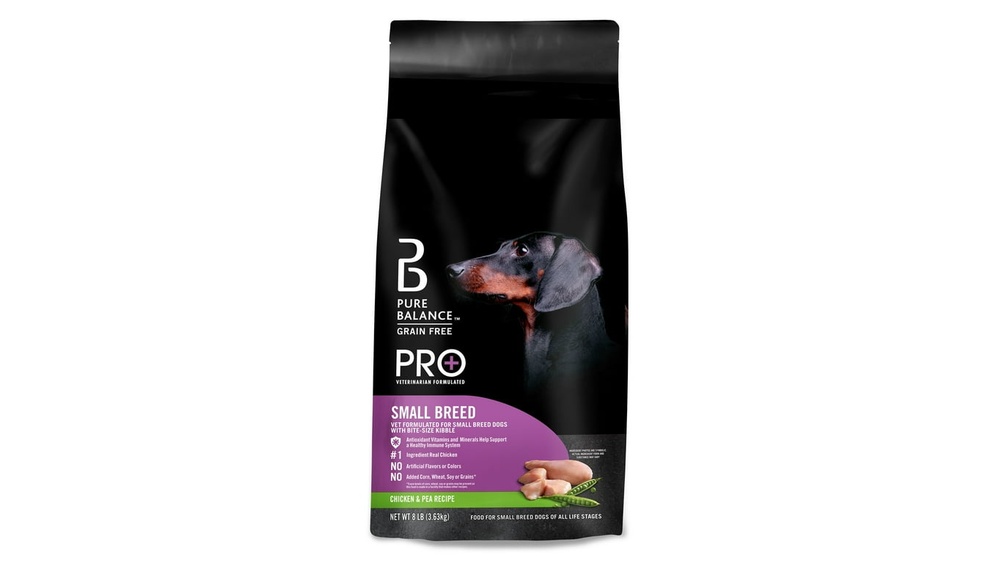
Choosing the right food for your small breed dog is more important than you might think. Your furry friend has unique needs that big dog foods just can’t meet.
Feeding them the best small breed dog food helps keep them healthy, energetic, and happy for years to come. If you want to give your dog the nutrition they deserve, keep reading. This guide will help you find the perfect food tailored just for your little companion.
Credit: www.dogfoodadvisor.com
Why Small Breeds Need Special Food
Small breed dogs are not just tiny versions of large dogs. Their bodies work differently and need special food. Feeding them the right diet helps keep them healthy and active. Their food must meet unique needs that larger breeds do not have.
Unique Nutritional Needs
Small dogs need more nutrients in less food. Their small stomachs mean they eat less but need packed nutrition. They require higher protein levels for muscle strength. Small breeds also benefit from healthy fats for shiny coats and energy.
Common Health Concerns
Small breeds often face dental problems. Their teeth are crowded in small mouths. Special food helps reduce plaque and keeps teeth clean. Some small dogs are prone to hypoglycemia, needing food that supports stable blood sugar.
Energy Requirements
Small dogs burn calories faster than big dogs. They need food with more calories per bite. Balanced meals help maintain energy through the day. High-quality ingredients ensure they get lasting fuel without weight gain.
Key Ingredients For Small Dogs
Choosing the right food for small breed dogs means knowing what ingredients matter most. Small dogs have unique needs. Their fast metabolism and tiny stomachs require nutrient-dense food. Quality ingredients support their energy, health, and longevity.
Proteins And Fats
Proteins are the building blocks for muscles and tissues. Small dogs need high-quality animal proteins like chicken, fish, or lamb. These help maintain strong muscles and healthy skin.
Fats provide energy and keep the coat shiny. Look for healthy fats like omega-3 and omega-6 fatty acids. These support brain function and reduce inflammation.
Essential Vitamins And Minerals
Vitamins like A, D, and E keep the immune system strong. Minerals such as calcium and phosphorus support bone health. Small dogs need these nutrients in balanced amounts. They help with growth and overall well-being.
Avoiding Fillers And Additives
Fillers like corn, wheat, and soy offer little nutrition. These can cause allergies or digestive problems. Artificial colors, flavors, and preservatives may harm health. Choose foods without these additives for a clean diet.
Top Small Breed Dog Food Brands
Choosing the right food for small breed dogs supports their health and energy. Small breeds need special nutrition. Their faster metabolism and tiny mouths require food made just for them. Here are some top brands trusted by dog owners and vets alike. These brands offer quality, taste, and nutrients tailored for small dogs.
Premium Options
Premium dog foods use high-quality ingredients. They often include real meat, vegetables, and whole grains. Brands like Blue Buffalo and Wellness provide balanced meals. These foods support healthy skin, shiny coats, and strong muscles. They also contain added vitamins and minerals for overall well-being.
Affordable Choices
Affordable brands still offer good nutrition without high prices. Options like Taste of the Wild and Nutro deliver essential nutrients at a fair cost. These foods are easy to find in stores or online. They provide small breeds with energy and support digestion without breaking the bank.
Grain-free Alternatives
Grain-free dog foods avoid wheat, corn, and soy. This helps dogs with allergies or sensitive stomachs. Brands such as Merrick and Natural Balance offer grain-free recipes. These foods focus on protein and healthy fats. They keep small dogs feeling good and active.

Credit: www.amazon.com
Homemade Meals For Small Dogs
Homemade meals can be a great choice for small dogs. They offer control over ingredients and portion sizes. You can tailor meals to your dog’s needs and preferences. Cooking at home helps avoid fillers and artificial additives found in some commercial foods.
Small dogs have unique nutritional needs. Their fast metabolism requires nutrient-rich meals in small portions. Homemade food can meet these needs with fresh, wholesome ingredients. This section explains how to prepare healthy homemade meals for your small dog.
Balanced Recipes
A balanced recipe includes protein, carbohydrates, and fats. Protein sources like chicken, turkey, or fish support muscle health. Carbohydrates from rice or sweet potatoes provide energy. Healthy fats from fish oil or olive oil aid coat and skin health. Vegetables like carrots and peas add fiber and vitamins. A good recipe mixes these parts to keep your dog healthy.
Safe Ingredients
Use fresh, high-quality ingredients for safety. Avoid toxic foods like onions, garlic, grapes, and chocolate. Wash vegetables thoroughly before cooking. Cook meat properly to kill bacteria. Skip seasoning and salt, which can harm dogs. Always check if an ingredient is safe for dogs. Fresh and simple ingredients reduce allergy risks and digestive issues.
Meal Preparation Tips
Plan meals ahead to keep a routine. Cook in batches and freeze portions for easy use. Use clean utensils and bowls to avoid contamination. Chop ingredients into small pieces for easy chewing. Introduce new foods slowly to watch for reactions. Keep meals fresh and store leftovers in the fridge. Consistency helps your dog enjoy and digest meals well.
Feeding Tips For Tiny Dogs
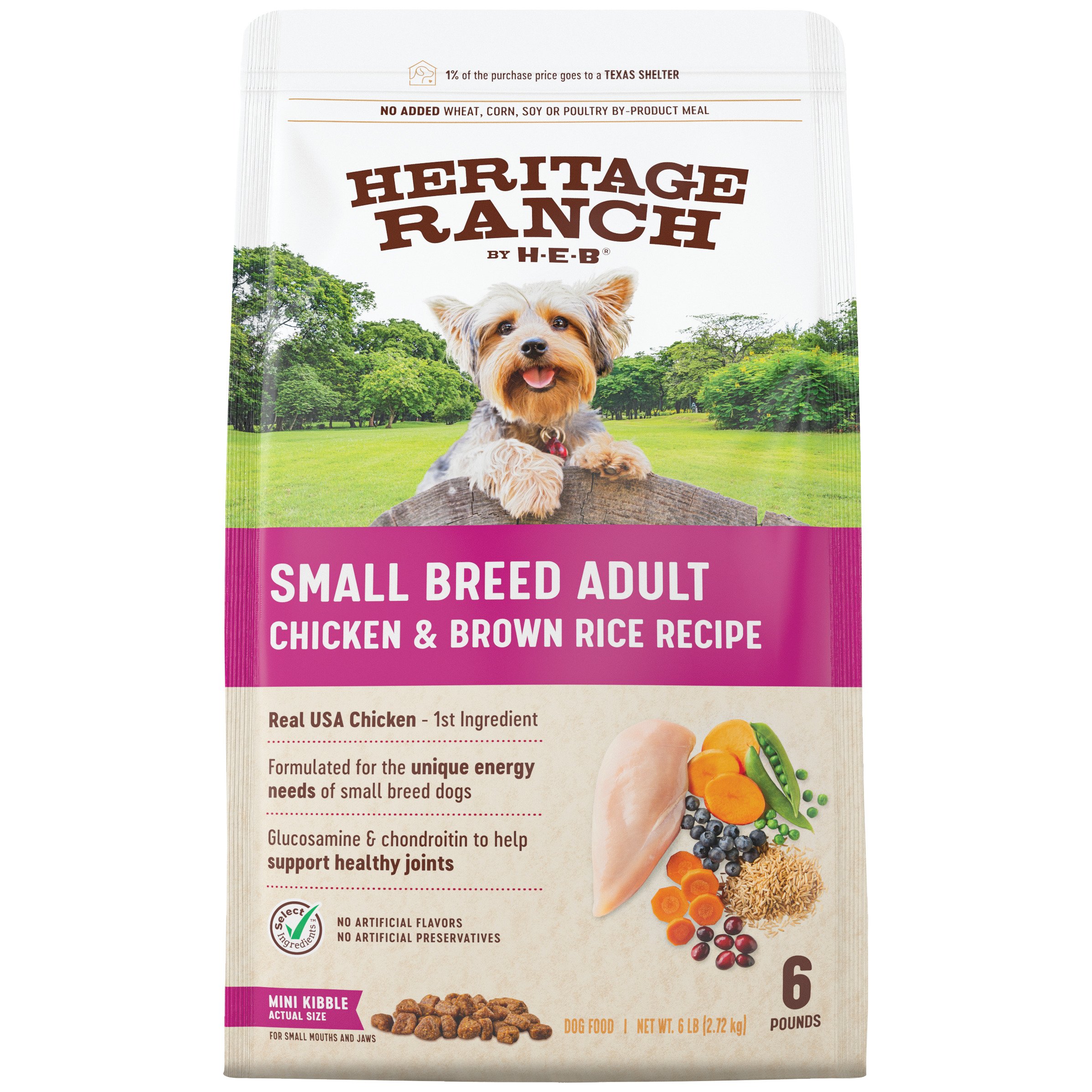
Feeding tiny dogs needs special care. Their small size means they have unique needs. Proper feeding helps keep them healthy and happy. Small dogs burn energy fast and need the right diet. Follow simple tips for the best feeding routine.
Portion Control
Small dogs need smaller portions than large dogs. Too much food can cause weight gain. Use a measuring cup for precise feeding. Check the dog food label for daily amounts. Adjust portions based on activity and age. Avoid free feeding to prevent overeating.
Feeding Frequency
Tiny dogs benefit from several small meals daily. Feeding three to four times helps keep energy steady. Smaller meals are easier to digest for tiny stomachs. Regular feeding times create a good routine. Watch for hunger signs but avoid overfeeding.
Monitoring Weight And Health
Keep track of your dog’s weight regularly. Sudden weight changes can signal health issues. Look for a visible waist and feel ribs gently. Check for changes in appetite or energy. Visit the vet for regular health checks and advice.
Credit: www.cityofcrescent.com
Common Mistakes To Avoid
Choosing the right food for small breed dogs is important for their health. Many pet owners make common mistakes. These errors can harm a dog’s growth and energy. Avoiding these mistakes helps your dog live a happy life.
Overfeeding
Small dogs need less food than larger dogs. Overfeeding leads to weight gain and health problems. Measure food portions carefully. Feed your dog the amount recommended on the food label or by a vet. Avoid giving too many treats between meals.
Ignoring Allergies
Some small dogs have food allergies or sensitivities. Watch for signs like itching, vomiting, or diarrhea. Avoid foods with ingredients that cause reactions. Consult a vet for allergy testing. Choose hypoallergenic or limited-ingredient foods if needed.
Choosing Inappropriate Food
Not all dog foods suit small breeds. Large breed formulas may lack the right nutrients. Pick foods made for small dogs. They have smaller kibble sizes and balanced nutrition. This supports your dog’s energy and healthy digestion.
Frequently Asked Questions
What Ingredients Are Best For Small Breed Dog Foods?
High-quality protein, healthy fats, and essential vitamins are key. Small breed foods often include chicken, fish, and grains for energy. These ingredients support growth, digestion, and coat health. Avoid fillers like corn or soy for better nutrition and overall wellbeing.
How Much Should I Feed My Small Breed Dog Daily?
Feed amounts vary by weight, age, and activity. Typically, small breeds need ⅓ to 1 cup of food daily. Split meals into two or three portions for better digestion. Always follow package guidelines and consult your vet for personalized advice.
Are Grain-free Small Breed Dog Foods Better?
Grain-free foods suit dogs with allergies or sensitivities. However, grains like rice and oats provide important nutrients. Choose grain-free only if your dog has specific dietary needs. Always check ingredients and discuss with your vet before switching.
Can Small Breed Dogs Eat Adult Dog Food?
Adult dog food can work if it meets nutritional needs. Small breed formulas offer smaller kibble size and higher calorie density. Puppies and seniors need special formulas for growth or aging support. Choose food based on your dog’s life stage for optimal health.
Conclusion
Choosing the right food keeps small dogs happy and healthy. Quality ingredients support their energy and growth. Small breeds need food made just for their size. Feeding them well helps prevent health problems later. Always check the label for good nutrition.
Remember, a balanced diet means a longer, joyful life. Treat your small dog with care every day. Their health depends on what they eat. Good food is a simple way to show love. Small dogs deserve the best to stay strong and active.


