

If you want to keep your dog safe and happy in your yard, choosing the right fence is key. You might be worried about your dog slipping through gaps or jumping over low barriers.
Or maybe you want a fence that looks good and fits your budget. Finding the best fence for your dog can feel overwhelming, but don’t worry—you’re in the right place. You’ll discover simple and effective fence options that will keep your furry friend secure while giving you peace of mind.
Keep reading to find the perfect fence that suits your dog’s needs and your home.

Credit: www.dogproofer.com
Choosing The Right Fence Material
Choosing the right fence material is important to keep dogs safe and secure in the yard. The fence must be strong enough to hold your dog and tall enough to stop jumping or climbing. Different materials offer various benefits and styles. Understanding each option helps pick the best fence for your dog’s needs and your home.
Wooden Fences
Wooden fences are popular for their natural look. They provide good privacy and block noise. Dogs cannot see outside, which reduces distractions. Wood is easy to customize in height and style. It needs regular care to avoid rotting or damage from weather.
Vinyl Fences
Vinyl fences are low maintenance and durable. They do not need painting or staining. Vinyl is resistant to weather and pests. This material is smooth, so dogs cannot chew it easily. It offers a clean, modern look for any yard.
Chain Link Fences
Chain link fences are strong and affordable. They allow dogs to see through, which may keep them calm. However, some dogs may try to climb or dig under the fence. Adding slats or barriers can increase privacy and security.
Metal Fences
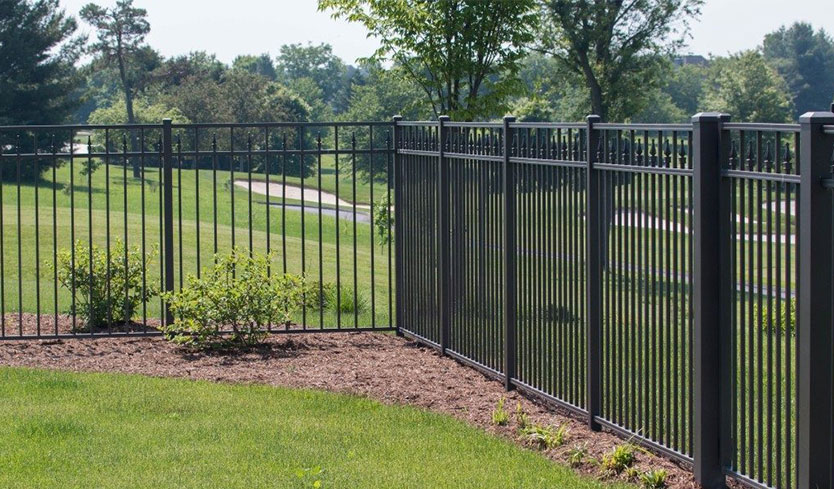
Metal fences, like wrought iron, are very sturdy. They last a long time and add style to your yard. Metal fences can have sharp edges, so choose designs safe for dogs. These fences may not block your dog’s view but prevent escapes.
Composite Fences
Composite fences combine wood fibers and plastic. They look like wood but resist weather and insects better. Composite fences require less care than wood. They provide privacy and strength, making them a good choice for dog yards.
Height And Design Considerations
Choosing the right height and design for your dog’s fence is very important. It helps keep your dog safe and happy in the yard. The fence must stop your dog from jumping over or squeezing through. The design should match your dog’s behavior and size. A good fence also looks nice in your yard.
Ideal Fence Height For Dogs
Most dogs need a fence at least 4 to 6 feet tall. Small dogs might need shorter fences. Bigger or more active dogs need taller fences. Some dogs can jump very high. For these dogs, fences 6 feet or taller work best. Check your dog’s jumping skill before choosing height.
Solid Vs. See-through Designs
Solid fences give dogs privacy and block outside distractions. Dogs feel calmer with solid walls. See-through fences let dogs watch outside. This can keep dogs alert and excited. Choose solid fences to reduce barking. Pick see-through fences if your dog likes to watch the world.
Gates And Entryways
Gates must be strong and close tightly. Dogs can push or dig under weak gates. Use locks or latches that children cannot open. Gates should be wide enough for you to enter easily. Check gates often for gaps or damage. A good gate helps keep your dog safe.
Security Features To Prevent Escapes
Keeping dogs safe inside the yard requires strong security features. These features stop dogs from escaping and protect them from outside dangers. Good fences combine several security elements to create a safe space for dogs. Let’s explore key features that prevent escapes effectively.
Dig-resistant Barriers
Dogs often dig to escape. Adding a dig-resistant barrier stops this behavior. These barriers go under the fence to block digging. Materials like metal mesh or concrete strips work well. They prevent dogs from digging holes under the fence. Installing barriers keeps curious dogs from breaking free.
Anti-climb Elements
Some dogs try to climb fences. Anti-climb features make climbing hard or impossible. Smooth surfaces and tall fences help. Adding angled tops or rollers prevents dogs from getting a grip. These elements reduce escape attempts by active and agile dogs.
Locking Mechanisms
Fence gates must stay securely closed. Strong locking mechanisms keep gates shut tight. Locks with key or combination options offer extra security. Avoid simple latches that dogs can open. Proper locks ensure dogs stay inside and prevent accidental openings.
Durability And Maintenance
Durability and maintenance are key factors when choosing a fence for your dog’s yard. The fence must stand strong against weather and daily wear. It should last many years without needing constant fixes. Easy upkeep saves time and effort. This section explains how to pick a fence that stays reliable and simple to care for.
Weather Resistance
A good dog fence must resist rain, wind, and sun. Materials like vinyl and metal handle rain well. Wood fences need treatment to avoid rot and decay. Strong fences keep their shape and color despite weather changes. Choose fences that do not rust or warp easily. This protects your yard and keeps your dog safe.
Longevity Of Materials
Fence materials vary in life span. Metal fences often last the longest. Vinyl fences also hold up for many years without damage. Wood fences can last but need regular sealing and care. Avoid fences that break or weaken quickly. Long-lasting fences save money and avoid frequent replacements.
Ease Of Repair
Simple repairs keep fences working well. Some fences have parts that are easy to replace. Metal and vinyl fences often have repair kits available. Wood fences may need nails or new boards. Choose fences that do not require special tools for fixes. Quick repairs help keep your dog safely inside the yard.
Aesthetic Appeal And Style Options
Choosing the best fence to keep dogs in the yard involves more than just safety. The fence should also add beauty to your outdoor space. A well-designed fence can improve your home’s look. Style and color matter a lot. They make the fence a part of your garden or yard design.
Fences come in many styles and colors. This variety lets you pick one that fits your taste and home style. From simple to decorative, the options are many. You can find a fence that matches your house or garden perfectly.
Color Choices
Colors affect the fence’s look and feel. You can choose natural wood tones for a warm, classic look. White fences give a clean, bright appearance. Dark colors add a modern, bold touch. Some fences come pre-painted, while others allow you to paint them yourself. Pick a color that blends well with your yard and home.
Decorative Elements
Decorative elements add charm to fences. These include patterns, cut-outs, and post caps. Some fences have lattice tops or scalloped edges. These details make the fence look more stylish. Decorative touches can turn a simple fence into a garden feature. Choose elements that match your taste and garden style.
Customizable Designs
Customizable fences let you create a unique look. You can change height, width, and spacing between panels. Some fences allow mixing materials like wood and metal. Custom designs help fit the fence to your yard’s shape. They also ensure your dog stays safe without spoiling the view.
Cost And Installation Factors
Choosing the best fence for your dog involves thinking about cost and installation. These factors affect both your budget and how soon your yard becomes secure. Understanding different options helps you make a smart choice. Here are key points to consider.
Budget-friendly Options
Wood and chain link fences often cost less upfront. They provide good security without high prices. Vinyl fencing costs a bit more but lasts longer. Some fences need less maintenance, saving money over time. Choose a style that fits your budget and keeps your dog safe.
Professional Vs. Diy Installation
Professional installation costs more but ensures strong, lasting fences. Experts handle tricky spots and follow local rules. DIY installation saves money but needs time and skill. Mistakes can lead to weak spots where dogs escape. Consider your skills and the fence type before deciding.
Long-term Value
Cheap fences may wear out fast and need repairs. A higher initial cost often means better materials and durability. Think about how long the fence will last and its upkeep. A strong fence saves money and effort in the long run. Protect your dog with a fence that lasts years.
Special Considerations For Different Dog Breeds
Different dog breeds have unique needs for yard fencing. Size, strength, and behavior affect fence choice. Choosing the right fence helps keep dogs safe and secure.
Small Breeds
Small dogs can slip through wide gaps easily. Choose fences with narrow spaces or solid panels. Low fences might work, but check for holes at the bottom. Small dogs may dig under fences, so add barriers underground.
Large And Strong Dogs
Large dogs need tall, sturdy fences. Strong breeds can push or jump over weak fences. Metal or wood fences work well for strength. Secure gates and posts to avoid breaks or bends.
Escape Artists
Some dogs are clever and try to escape. They climb, dig, or squeeze through tight spots. Use fences with smooth surfaces to prevent climbing. Add dig barriers and check for gaps often. Consider electronic fences as a backup safety measure.
Credit: www.greenwayfence.com
Legal And Neighborhood Guidelines
Choosing the best fence for your dog means following legal and neighborhood rules. These rules help keep the area safe and peaceful. Knowing them saves time and avoids fines. It also keeps good relations with neighbors.
Local Regulations
Local laws often set fence height and style limits. They protect public safety and property views. Some places require fences to be a certain distance from the street. Others forbid certain materials. Check city or county websites for clear rules.
Homeowners Association Rules
Many neighborhoods have homeowners associations (HOAs). HOAs have rules about fence design and colors. They want the neighborhood to look uniform and neat. Before installing a fence, read the HOA guidelines. Getting approval avoids conflicts and extra costs.
Permits And Restrictions
Some areas require permits for fence installation. Permits ensure fences meet safety and zoning rules. Applying usually involves submitting plans and paying fees. Some places also limit fence height or block visibility. Confirm all restrictions before starting your project.
Credit: www.justart.pl
Frequently Asked Questions
What Is The Best Fence Type To Keep Dogs In Yard?
A chain-link fence is durable and affordable for dogs. Wooden fences offer privacy and security. Vinyl fences are low-maintenance and sturdy. Choose based on your dog’s size, behavior, and yard layout.
How Tall Should A Dog Fence Be?
A dog fence should be at least 6 feet tall for most dogs. Larger or more agile breeds may require taller fences to prevent jumping over.
Can Invisible Fences Keep Dogs Safely Contained?
Invisible fences use underground wires and collars to deter dogs. They are effective for trained dogs but don’t provide physical barriers. Not suitable for aggressive or escape-prone dogs.
Are Wooden Fences Good For Dog Yards?
Yes, wooden fences provide strong barriers and privacy. They can be customized in height and style. Regular maintenance is needed to prevent damage from weather or chewing.
Conclusion
Choosing the best fence keeps your dog safe and happy. Strong materials prevent escapes and protect your pet. Make sure the fence fits your yard size and dog’s behavior. Regular checks keep the fence in good shape. A good fence also adds beauty to your home.
Your dog will enjoy outdoor time without worries. Safe boundaries mean peace for you and your dog. Pick a fence that works well for your needs. Simple steps lead to a secure yard every day.


