Are you worried about your dog constantly scratching its ears or shaking its head? These could be signs of ear mites, tiny pests that cause big discomfort for your furry friend.
Finding the best treatment for dog ear mites is crucial to bring relief and protect your pet’s health. You’ll discover simple, effective solutions to get rid of ear mites quickly and safely. Keep reading to learn how you can help your dog feel comfortable again and prevent future infections.

Credit: cuisinesansfrontieres.ch
Signs Of Ear Mites In Dogs
Ear mites are tiny parasites that live inside a dog’s ear canal. They cause discomfort and irritation. Detecting ear mites early helps prevent serious ear infections. Knowing the signs of ear mites in dogs is important for every pet owner.
Common Symptoms To Watch For
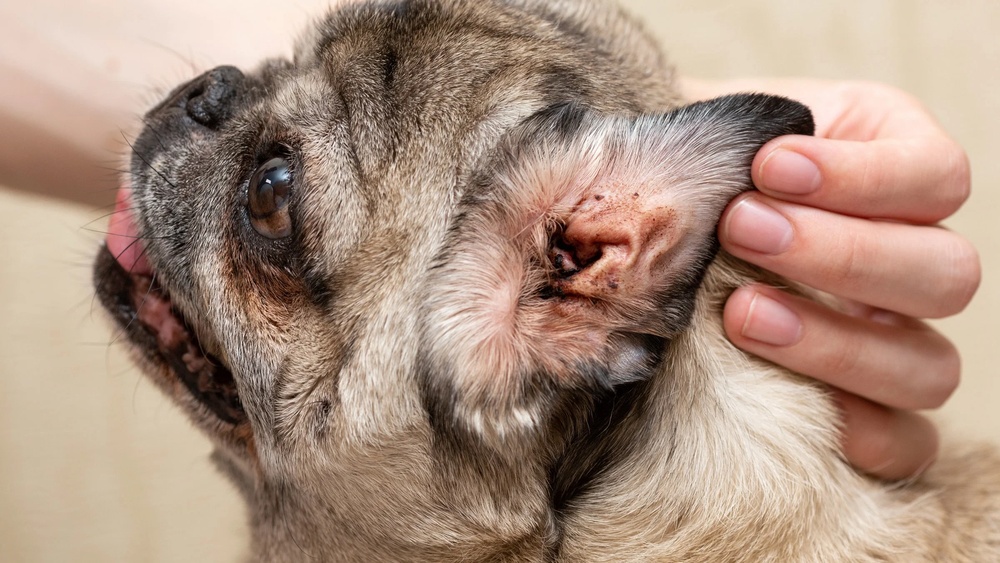
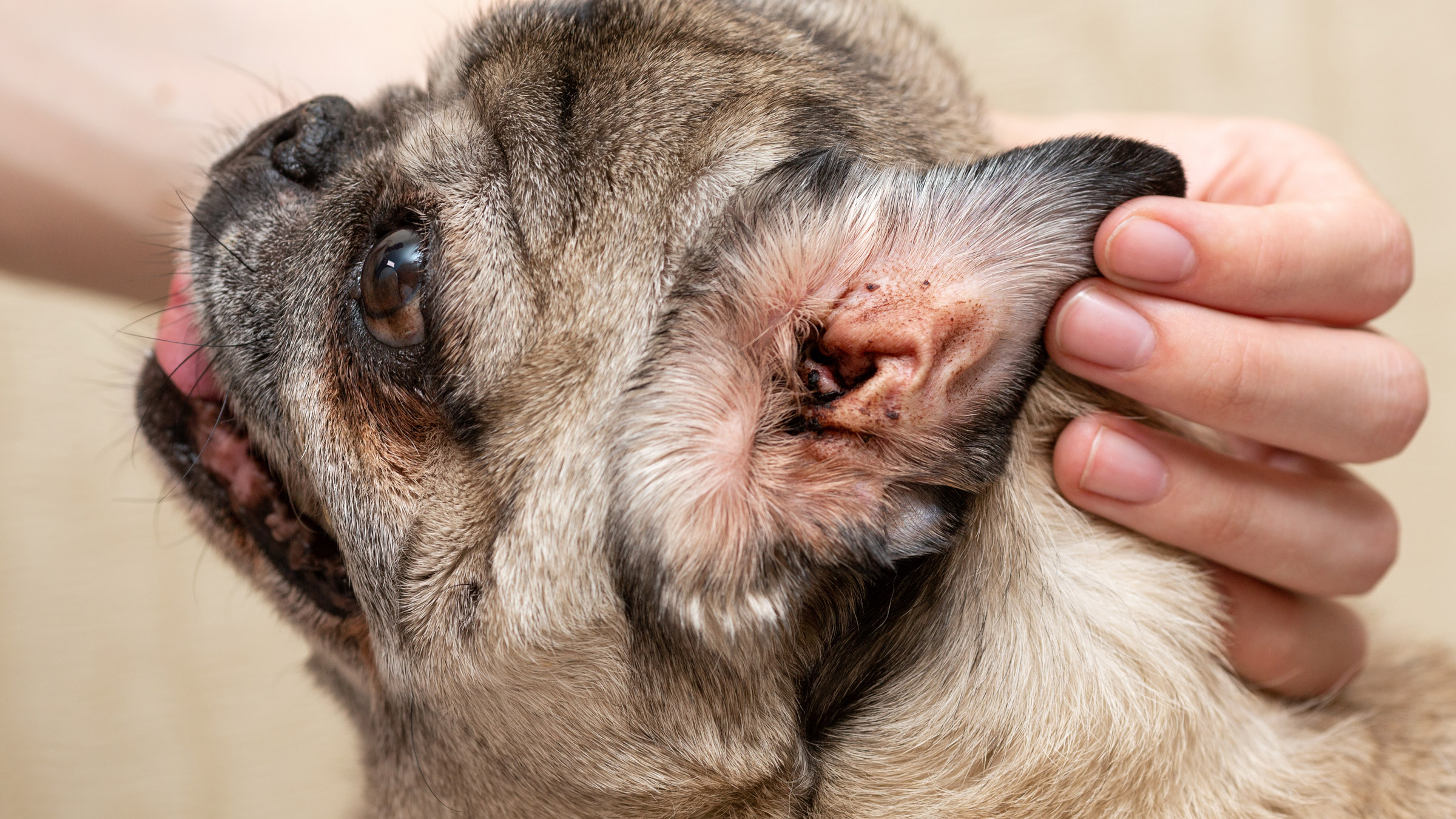
Dogs with ear mites often scratch their ears a lot. Their ears may look red and swollen. Dark, crumbly debris resembling coffee grounds may appear inside the ear. A strong, unpleasant odor can come from the ear. Sometimes, dogs shake their heads frequently to relieve itching.
Behavioral Changes
Dogs with ear mites may act restless or irritable. They may avoid having their ears touched. Some dogs may lose their balance or tilt their heads. Sleep might be disturbed due to constant itching. These changes show discomfort caused by the mites.
When To Consult A Vet
Seek veterinary help if symptoms last more than a few days. If your dog’s ears bleed or swell severely, visit the vet immediately. Persistent scratching can cause wounds and infections. A vet can confirm ear mites and provide proper treatment. Early care helps protect your dog’s ear health.
Credit: www.goodrx.com
Home Remedies For Ear Mites
Home remedies can help manage ear mites in dogs at an early stage. These treatments often involve cleaning and applying natural substances to soothe irritation and remove mites. While home care can ease discomfort, it is essential to be gentle and cautious to avoid harming your dog’s ears.
Cleaning The Ears Safely
Start by gently cleaning your dog’s ears with a soft cloth or cotton ball. Use a warm, damp cloth to remove visible dirt and debris. Avoid using cotton swabs inside the ear canal to prevent injury. Cleaning helps remove excess wax and mites, making other treatments more effective.
Natural Oils And Solutions
Some natural oils can help reduce ear mites. Tea tree oil, diluted with a carrier oil, has mild antiseptic properties. Olive oil can suffocate mites and soothe the skin. Apply a few drops carefully into the ear, then massage gently. Avoid using undiluted essential oils, as they may irritate the ear.
Limitations Of Home Treatments
Home remedies may not fully eliminate ear mites, especially in severe cases. Mites can cause infections requiring veterinary care and prescription medication. Watch for signs like persistent scratching or bad odor. Seek professional help if symptoms worsen or last more than a week.
Veterinary Treatments
Veterinary treatments are the most reliable way to cure dog ear mites. These treatments target the mites directly and help your dog feel better fast. A vet will choose the best option based on your dog’s condition. Here are the common veterinary treatments for dog ear mites.
Medicated Drops And Ointments
Medicated drops and ointments are applied directly inside the ear. They kill the mites quickly and reduce itching. The vet cleans the ear before applying medicine. This helps the drops work better. These treatments often need daily use for a week or two.
Oral Medications
Oral medications are pills or chewables that kill mites from inside. They work through the bloodstream and reach the ears. This option is good for dogs that resist ear drops. The vet decides the dose based on your dog’s weight. Oral meds may cause mild side effects like upset stomach.
Follow-up Care
Follow-up care is important to ensure mites are gone. The vet checks your dog’s ears after treatment. Sometimes, more medicine is needed if mites return. Keep your dog’s ears clean and dry during recovery. This helps prevent new mite infestations and keeps ears healthy.

Credit: www.tractorsupply.com
Preventing Ear Mite Infestations
Preventing ear mite infestations is key to keeping your dog healthy and happy. Ear mites cause discomfort and infections. Taking steps to stop mites from spreading saves your dog from pain and vet visits. Simple habits can make a big difference in prevention.
Regular Ear Cleaning
Clean your dog’s ears gently and regularly. Use a vet-recommended ear cleaner. Avoid using cotton swabs deep inside the ear. Wipe only the outer ear and visible parts. Clean ears reduce the chance of mites and infections.
Maintaining A Clean Environment
Keep your dog’s living area clean and dry. Wash bedding often in hot water. Vacuum floors and furniture to remove dust and mites. Clean toys and collars regularly. A clean space lowers the risk of mite infestations.
Routine Vet Checkups
Visit the vet for regular ear checks. Early detection helps treat mites before they spread. Vet visits allow professional cleaning if needed. Follow the vet’s advice on ear care and mite prevention. Routine exams keep your dog’s ears healthy.
Common Mistakes To Avoid
Dealing with dog ear mites can be tricky. Many pet owners make mistakes that slow down healing. Avoiding these errors helps your dog get better fast. Here are common mistakes to watch out for.
Using Incorrect Medications
Not all ear mite treatments work for every dog. Using the wrong medicine can cause harm or no effect. Some products are for other ear issues, not mites. Always use treatments made for dog ear mites. Check with your vet before starting any medicine.
Ignoring Early Symptoms
Small signs like scratching or head shaking often go unnoticed. Early symptoms need quick action to stop mites from spreading. Waiting too long lets the problem get worse. Watch your dog’s ears closely and act at the first sign.
Neglecting Follow-up
One treatment may not be enough to fully clear mites. Skipping follow-up care can cause mites to come back. Clean your dog’s ears as advised by the vet. Schedule follow-up visits to ensure mites are gone for good.
Frequently Asked Questions
What Is The Best Treatment For Dog Ear Mites?
The best treatment for dog ear mites involves medicated ear drops prescribed by a vet. These drops kill mites and reduce inflammation quickly. Cleaning the ears regularly helps remove debris and supports healing. Early treatment prevents infections and discomfort for your dog.
How Do I Know If My Dog Has Ear Mites?
Common signs include intense itching, dark ear discharge, and head shaking. Dogs may also show redness and swelling inside the ear. A vet can confirm ear mites with a microscopic ear swab exam. Early detection ensures faster, more effective treatment.
Can I Treat Dog Ear Mites At Home?
Some mild cases can be managed at home with vet-approved ear mite treatments. Cleaning the ears gently and applying medicated drops helps. However, it’s best to consult a vet to avoid complications and ensure correct treatment.
How Long Does Ear Mite Treatment Take?
Treatment usually lasts 1 to 3 weeks depending on severity. Consistent medication application and ear cleaning speed up recovery. Follow your vet’s instructions fully to prevent mite recurrence and ensure complete healing.
Conclusion
Treating dog ear mites quickly keeps your pet healthy and happy. Regular cleaning and vet visits help stop mites from returning. Using the right medication eases itching and discomfort fast. Watch your dog’s ears for signs of mites often. Healthy ears mean a happier, more playful dog.
Taking action early saves your dog from pain. Simple care routines protect your dog’s ears every day. Stay alert and keep your furry friend safe.