Are you looking for the best dog bones to keep your furry friend happy and healthy? Choosing the right bone isn’t just about fun—it’s about your dog’s dental health, safety, and overall well-being.
With so many options out there, it can be overwhelming to find the perfect fit for your pup. You’ll discover top choices that will satisfy your dog’s chewing needs while protecting their teeth and gums. Keep reading, and you’ll learn how to pick the best bones that your dog will love—and you’ll feel confident about every chew!
Benefits Of Dog Bones
Dog bones offer more than just a tasty treat. They provide several benefits that support your dog’s health and happiness. Giving your dog a bone can be a smart choice for their overall well-being. Let’s explore the key benefits of dog bones.
Dental Health Improvement
Chewing on dog bones helps clean teeth naturally. It removes plaque and tartar buildup. This reduces the risk of gum disease and bad breath. Strong teeth and healthy gums come from regular chewing. Bones act like a toothbrush for your dog’s mouth.
Mental Stimulation
Chewing keeps dogs busy and focused. It helps reduce boredom and stress. This activity stimulates their brain and sharpens focus. Dogs feel calm and satisfied after chewing bones. It can also prevent destructive behaviors caused by anxiety.
Nutritional Value
Some dog bones provide important nutrients. They contain calcium and phosphorus for strong bones. Natural bones may have marrow, rich in vitamins and minerals. These nutrients support your dog’s growth and health. Choose bones that add nutrition, not just flavor.
Credit: peterdobias.com
Types Of Dog Bones
Dog bones come in many types, each with unique benefits. Choosing the right bone helps keep your dog happy and healthy. Some bones clean teeth, while others satisfy chewing needs. Understanding these types makes it easier to pick the best one for your pet.
Rawhide Bones
Rawhide bones come from the inner layer of cow or horse hides. They are popular for chewing and can last a long time. Rawhide helps clean your dog’s teeth by reducing plaque. Some dogs may find rawhide hard to digest, so watch for any issues.
Natural Chew Bones
Natural chew bones include real animal bones like beef or lamb bones. These bones provide calcium and minerals for your dog. They offer a satisfying chew experience and help keep teeth strong. Always choose bones that are safe and sized correctly for your dog.
Synthetic Bones
Synthetic bones are made from durable materials like nylon or rubber. They do not splinter and are safe for strong chewers. These bones come in many shapes and flavors to keep dogs interested. They also support dental health by reducing tartar buildup.
Edible Dental Chews
Edible dental chews combine the fun of chewing with oral care. They are designed to freshen breath and fight plaque. These chews are made from digestible ingredients and often include vitamins. Dogs enjoy the taste while benefiting from healthier teeth and gums.
Choosing The Right Size
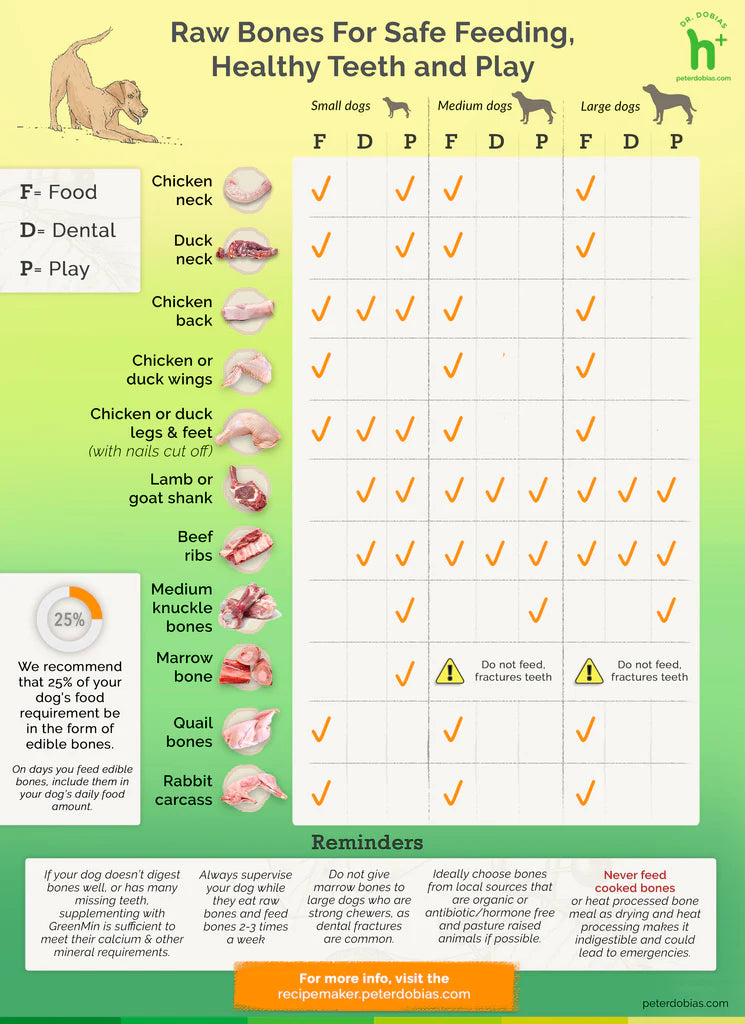
Choosing the right size of dog bones is very important for your pet’s safety and enjoyment. A bone too small can be a choking risk. A bone too large can be hard to chew and cause frustration. Picking the perfect size helps keep your dog happy and healthy. Each breed size has different needs for chewing and bone strength.
Small Breeds
Small breed dogs need smaller, softer bones. Their teeth and jaws are delicate. Choose bones that fit easily in their mouths. Avoid bones that are too hard or large. Small bones prevent choking and protect their teeth.
Medium Breeds
Medium breeds need bones that are bigger than small breeds. Their jaws are stronger and can handle tougher bones. Pick bones that are firm but not too hard. Medium-sized bones help clean teeth and satisfy chewing urges.
Large Breeds
Large breed dogs require big, durable bones. Their strong jaws can handle hard bones safely. Select bones that are thick and long-lasting. Large bones reduce the risk of swallowing whole pieces. They also keep big dogs busy and help dental health.

Credit: www.acabonacfarms.com
Safety Tips For Chewing
Making your own dog bone treats is fun and healthy. You know exactly what your dog eats. Homemade treats avoid harmful chemicals found in some store-bought options. Plus, you can customize flavors your dog loves. Baking dog bones at home is easy and rewarding. Here are some simple recipes, ingredients to avoid, and tips to keep your treats fresh.
Simple Homemade Recipes
Try this easy peanut butter dog bone recipe:
- 1 cup whole wheat flour
- 1/2 cup natural peanut butter
- 1/4 cup water
- 1 egg
Mix all ingredients until dough forms. Roll out dough and cut into bone shapes. Bake at 350°F (175°C) for 20 minutes. Let cool before giving to your dog.
Another recipe uses pumpkin:
- 1 cup oat flour
- 1/2 cup canned pumpkin
- 1 egg
Combine ingredients and shape into bones. Bake at 325°F (160°C) for 25 minutes. These treats are tasty and gentle on the stomach.
Ingredients To Avoid
Never use chocolate, onions, or garlic. These are toxic to dogs. Avoid artificial sweeteners like xylitol. It is deadly even in small amounts. Stay away from high salt and sugar content. These harm your dog’s health. Stick to natural, dog-safe ingredients for treats.
Storage Tips
Store homemade dog bones in an airtight container. Keep them in a cool, dry place. Treats last about one week at room temperature. For longer storage, refrigerate or freeze them. Thaw frozen treats before giving to your dog. Proper storage keeps treats fresh and tasty.

Credit: www.youtube.com
Frequently Asked Questions
What Types Of Dog Bones Are Safest For Pets?
Safe dog bones include natural rawhide, nylon, and dental chews. Avoid cooked bones as they can splinter. Always choose size-appropriate bones to prevent choking or damage. Supervise your dog while chewing to ensure safety and prevent ingestion of large fragments.
How Do I Choose The Best Dog Bone Size?
Select a bone size larger than your dog’s mouth. Small bones pose choking risks for larger dogs. Large bones are hard to chew for small breeds. Proper sizing ensures safe, enjoyable chewing and reduces dental damage.
Can Dog Bones Help Improve Dental Health?
Yes, chewing bones helps reduce plaque and tartar buildup. It stimulates gums and strengthens teeth. Dental bones are designed to clean teeth effectively. Regular chewing supports overall oral hygiene and fresher breath.
Are Natural Dog Bones Better Than Synthetic Ones?
Natural bones offer texture and flavor dogs enjoy. Synthetic bones are durable and often safer long-term. Each type has benefits; consider your dog’s chewing habits. Consult your vet to find the best option for your pet.
Conclusion
Choosing the best dog bones keeps your pet happy and healthy. Chewing helps clean teeth and reduces stress. Pick bones that match your dog’s size and chewing habits. Always watch your dog while chewing to stay safe. Treat your dog with care and love through good choices.
Healthy chewing leads to a joyful, active dog. Simple steps make a big difference for your pet. Enjoy the bond that strong teeth and happy dogs bring.