Are you ready to welcome a loyal, gentle giant into your home? Choosing the best big breed dog isn’t just about size—it’s about finding a friend who fits your lifestyle and brings joy every day.
Whether you want a protective companion, a playful family member, or a calm presence by your side, this guide will help you discover the perfect big dog breed for you. Keep reading, and you’ll learn which breeds stand out for their personality, care needs, and how they’ll fit into your life.
Your ideal big dog is closer than you think!
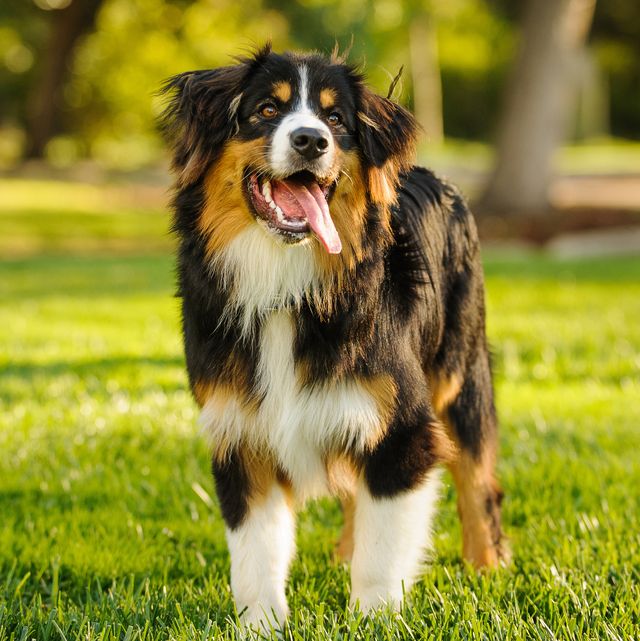
Credit: www.goodhousekeeping.com
Why Choose Big Dog Breeds
Big dog breeds offer unique companionship and charm. Their size often brings a sense of security and calm to a home. These dogs are known for their friendly and loving nature. They can fit well into families with space and time to care for them. Choosing a big dog breed means welcoming a gentle giant into your life.
Traits Of Gentle Giants
Big dogs often have calm and patient personalities. They tend to be gentle with children and adults alike. Many large breeds are protective without being aggressive. They enjoy being close to their owners and show loyalty. Their size can be intimidating but their hearts are kind.
Benefits Of Large Dogs
Large dogs provide comfort and a strong presence. They are excellent companions for outdoor activities. Their size helps in guarding the home. They often have longer lifespans than expected with good care. Big dogs can also support physical and mental health through regular exercise.
Considerations Before Adopting
Big dogs need plenty of space to move and play. Their food and medical costs are higher than small dogs. Training is important to manage their strength and energy. Owners should be ready for regular grooming and exercise routines. Consider your lifestyle and home environment before choosing a large breed.
Top Big Dog Breeds
Big dog breeds attract many dog lovers. Their size brings strength and a gentle nature. These dogs often have calm personalities. They make great family pets and protectors. Here are some of the top big dog breeds to know.
Newfoundland
Newfoundlands are large and strong. They have thick fur that suits cold climates. These dogs are gentle giants, known for their sweet nature. They love water and are excellent swimmers.
Saint Bernard
Saint Bernards are famous for rescue work in mountains. They have a friendly and patient temperament. Their large size offers great protection. They are calm and good with children.
Great Dane
Great Danes are tall and powerful. They look like gentle giants with their smooth coats. These dogs are friendly and sociable. They enjoy spending time with families.
Mastiff
Mastiffs are massive and muscular. They have a protective instinct and are loyal. These dogs are calm and quiet at home. They need early training and socialization.
Bernese Mountain Dog
Bernese Mountain Dogs have thick, tricolor fur. They are strong and built for farm work. These dogs are affectionate and good with kids. Their calm nature makes them great pets.
Irish Wolfhound
Irish Wolfhounds are tall and lean. They were once used for hunting wolves. These dogs are gentle and friendly. They enjoy open spaces and long walks.
Leonberger
Leonbergers have a lion-like mane and large frame. They are calm, playful, and very loyal. These dogs bond closely with their families. They need regular exercise to stay happy.
Tibetan Mastiff
Tibetan Mastiffs are large with thick fur. They were bred to guard homes and livestock. These dogs are independent but protective. They need space and firm training.
Temperament And Personality
Big dog breeds have unique temperaments and personalities. These traits influence how they behave at home and around others. Understanding these qualities helps owners choose the right breed. It also builds a stronger bond between dog and family.
Family-friendly Giants
Many large breeds are gentle with children. They enjoy playtime and protect little ones. These dogs often show patience and calmness. Their size can be a comfort for families. They love being part of daily activities. Training helps them become well-mannered companions.
Protective Instincts
Big breeds often have strong protective instincts. They watch over their home and family closely. This trait makes them good guard dogs. They alert owners to strangers or unusual sounds. Proper training teaches them when to be calm. Balanced protection keeps everyone safe and happy.
Social Behavior
Social skills vary among large dog breeds. Some enjoy meeting new people and dogs. Others prefer quiet and familiar company. Early socialization encourages friendly behavior. Regular interaction prevents shyness or aggression. A well-socialized dog adapts better to new places.

Credit: www.goodhousekeeping.com
Care And Maintenance
Big dog breeds need special care to stay healthy and happy. Their size means more attention to exercise, food, grooming, and health. Proper care helps them live longer and feel better every day. Let’s explore what big dogs need to thrive.
Exercise Needs
Big dogs require daily exercise to burn energy and stay fit. Long walks and playtime help keep their muscles strong. Without enough activity, they may become bored or overweight. Choose activities that match their age and breed traits.
Diet And Nutrition
Large breeds need balanced diets with the right nutrients. Feeding them quality dog food supports strong bones and joints. Avoid overfeeding to prevent obesity, which can cause health problems. Divide meals into two or three portions each day.
Grooming Tips
Regular grooming keeps big dogs clean and comfortable. Brush their coat often to reduce shedding and mats. Check ears and teeth to avoid infections and bad breath. Bathing once a month or as needed helps maintain skin health.
Health Concerns
Big breeds face unique health risks like hip dysplasia and heart issues. Regular vet visits catch problems early. Keep vaccines and parasite control up to date. Watch for signs of pain or trouble moving, and seek help quickly.
Training Big Dogs
Training big dogs is important for a happy and safe life together. Large breeds have strength and energy that need guidance. Without training, they can become hard to control. Starting early helps build good habits. Patience and consistency work best with big dogs.
Basic Commands
Teach simple commands like sit, stay, and come first. Use clear words and gentle tones. Practice daily in short sessions. Reward good behavior with treats or praise. These commands keep your dog safe and obedient.
Socialization Strategies
Expose your dog to people and other animals early. Visit parks or pet-friendly places often. Let your dog meet different sounds and sights. Positive experiences reduce fear and aggression. Social dogs are happier and easier to train.
Handling Challenges
Big dogs can pull on the leash or jump. Use a sturdy leash and correct gently. Ignore bad behavior and reward good actions. Stay calm and firm during training. Seek help from a trainer if needed. Challenges are normal; patience solves most problems.
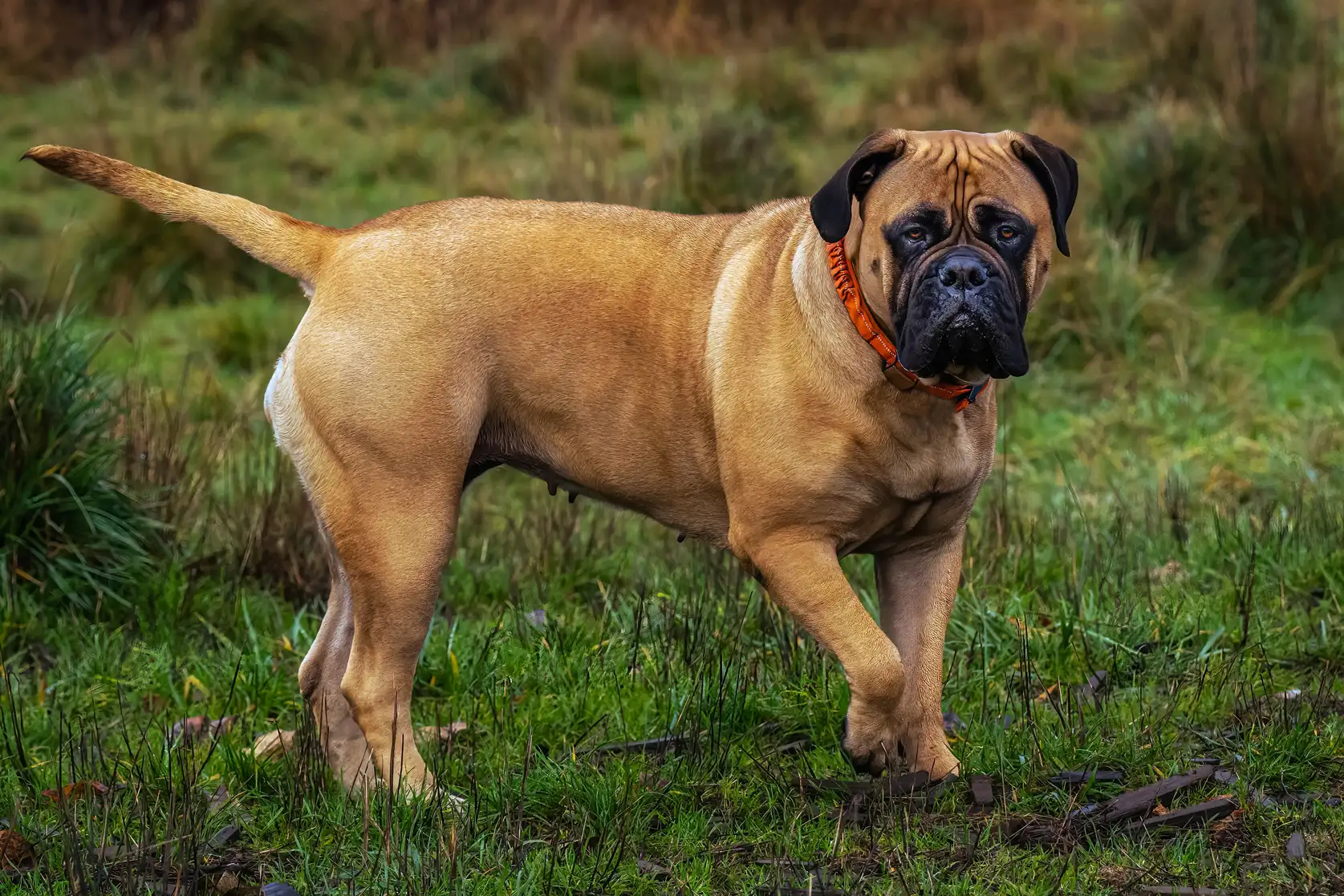
Credit: money.com
Living With Large Dogs
Living with large dogs requires special care and planning. These gentle giants bring joy but need space and attention. Understanding their needs helps create a happy home for everyone.
Space Requirements
Large dogs need plenty of room to move and play. Small apartments often feel cramped for them. A backyard or nearby park is ideal for exercise. Their beds and toys also take up more space. Keep paths clear to avoid accidents with big dogs.
Traveling Tips
Traveling with large dogs calls for careful preparation. Use strong, comfortable harnesses or crates for safety. Check if your destination welcomes big dogs. Bring enough water, food, and their favorite toys. Frequent breaks help them stretch and relax.
Integrating With Other Pets
Introducing large dogs to other pets needs patience. Start with short, supervised meetings in neutral places. Watch body language closely to prevent fights. Gradually increase their time together as they get comfortable. Respect each pet’s space and needs.
Frequently Asked Questions
What Are The Most Popular Big Dog Breeds?
Popular big dog breeds include the Great Dane, Saint Bernard, and Mastiff. These breeds are known for their size, gentle temperament, and loyalty. They make excellent family pets when properly trained and socialized.
How Much Space Do Big Dog Breeds Need?
Big dog breeds require ample space to move comfortably. A large yard or open area is ideal for exercise. They thrive best in homes with enough room to prevent stress or boredom.
Are Big Dog Breeds Good With Children?
Many big dog breeds are gentle and protective with children. Proper training and supervision ensure safe interactions. Breeds like the Newfoundland and Bernese Mountain Dog are especially known for their kid-friendly nature.
What Are Common Health Issues In Big Dog Breeds?
Big dog breeds often face joint problems like hip dysplasia and arthritis. Heart conditions and bloat are also common concerns. Regular vet check-ups and a healthy diet help manage these risks.
Conclusion
Big dog breeds bring strength and loyalty to any home. They need space and care to stay happy and healthy. Each breed has its own personality and needs. Choose one that fits your lifestyle and family. These dogs can become great friends and protectors.
Remember, patience and love help build a strong bond. Enjoy the joy and companionship big dogs offer every day.