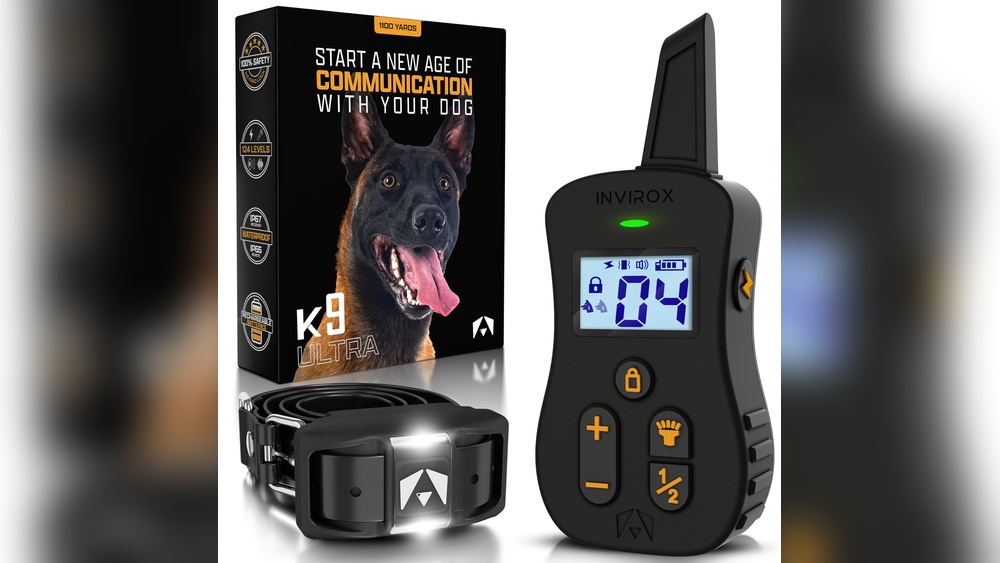
If you want quick and effective results in training your dog, choosing the right shock collar can make all the difference. You might feel unsure about which collar is safe and reliable, or which one suits your dog’s needs best.
This guide will help you cut through the confusion and find the best dog training shock collar that works for you and your furry friend. Keep reading to discover top picks, key features, and important tips that will make training easier and more successful than ever.
Credit: www.outdoorlife.com
How Shock Collars Work
Shock collars help train dogs by giving them small electric signals. These signals catch the dog’s attention and guide their behavior. The collar sends a mild stimulation when the dog does something wrong or needs to stop an action. This helps dogs learn commands faster and behave better.
Types Of Stimulation
Shock collars use different types of signals. The most common is a static shock, which feels like a tiny zap. Some collars offer vibration, which shakes the collar gently. Others have a beep sound to warn the dog first. These options allow trainers to choose the best method for each dog.
Adjustable Settings
Most shock collars let you change the signal strength. You can start with low levels and increase only if needed. This helps avoid causing pain or fear. Some collars also let you adjust the duration and type of stimulation. Custom settings make training safer and more effective.
Safety Features
Good shock collars include safety features to protect dogs. They often have automatic shut-off after a few seconds. This prevents continuous shocks that could hurt the dog. Some collars have lock functions to stop accidental changes. These features keep training safe and humane.
Benefits Of Using Shock Collars
Shock collars offer many benefits for dog training. They help correct behavior quickly and clearly. These collars give trainers control from a distance. They suit many dog types and sizes. Using a shock collar can make training easier and more effective.
Behavior Correction
Shock collars help stop bad habits fast. Dogs learn to avoid unwanted actions. The correction is immediate and clear. This helps dogs understand rules better. It works well for barking, jumping, and chasing. Training with shock collars can improve obedience.
Remote Training Advantages
Remote control allows training from afar. Trainers can guide dogs without being close. This is useful in open spaces. It keeps dogs safe while training. The remote signal helps catch bad behavior. It also rewards good actions quickly.
Suitability For Different Dogs
Shock collars come in various sizes and strengths. They fit small, medium, and large dogs. Trainers can adjust the intensity for comfort. Sensitive dogs get gentle corrections. Stronger dogs receive firmer signals. This makes shock collars flexible for all dogs.
Top Shock Collar Brands
Choosing the right shock collar can make dog training easier and safer. Some brands stand out for quality and features. These brands offer reliable products that many dog owners trust. Each has unique strengths to fit different training needs.
Brand A Highlights
Brand A is known for strong batteries that last long. Its collars have adjustable shock levels for gentle training. The remote control is easy to use with clear buttons. Many users appreciate the lightweight design that fits small dogs well.
Brand B Features
Brand B offers collars with multiple training modes. You get vibration, beep, and shock options. The collars are waterproof, perfect for active dogs. The range of the remote is wide, up to 1000 yards. This brand focuses on safety and comfort during training.
Brand C Advantages
Brand C provides collars with a quick response time. Its shock delivery is consistent and precise. The collar straps are durable and adjustable for all sizes. Brand C includes a built-in rechargeable battery for convenience. Many trainers trust this brand for reliable results.
:strip_icc()/best-dog-training-collars-4174723-a96d29c13b3149af9fdfdad4cfa5ff10.jpg)
Credit: villageatoakwood.com
Choosing The Right Collar
Choosing the right dog training shock collar is important for effective training and your pet’s comfort. The correct collar helps your dog learn commands faster. It also prevents discomfort or harm. Several factors matter when selecting the best collar for your dog.
Size And Fit
The collar must fit your dog well. A collar too tight can hurt your dog’s neck. Too loose, and it won’t work properly. Measure your dog’s neck before buying. Choose an adjustable collar for a better fit. Proper fit keeps your dog safe and comfortable.
Battery Life
Long battery life means less charging time. A collar that lasts many hours helps training sessions go smoothly. Some collars have rechargeable batteries. Others use replaceable batteries. Pick a collar with battery life that matches your training needs.
Range And Signal
Range shows how far you can be from your dog. A strong signal works well in open spaces. Shorter range collars suit small yards. Check the signal strength before buying. Reliable signals ensure your commands reach your dog every time.
Training Tips With Shock Collars
Using shock collars for dog training requires care and patience. Proper techniques help dogs learn without fear or stress. Follow these tips for better results and a happier dog.
Gradual Introduction
Start by letting your dog wear the collar without turning it on. Let the dog get used to the feel of the collar. Turn on the collar at the lowest setting. Watch your dog’s reaction closely. Increase intensity slowly only if needed.
Positive Reinforcement
Use treats and praise to reward good behavior. Pair the collar’s signal with positive rewards. This helps the dog understand what you want. Avoid only using corrections. Balance training with kindness and encouragement.
Avoiding Common Mistakes
Do not leave the collar on your dog all day. Avoid using high settings that hurt your dog. Never use the collar out of anger. Stop training if your dog shows signs of stress. Use the collar as a tool, not a punishment.
Safety And Ethical Considerations
Choosing the best dog training shock collar requires careful thought about safety and ethics. These devices deliver a mild electric pulse to get your dog’s attention. This method can be effective but also risks causing stress or pain. Understanding how to use shock collars properly helps protect your pet’s well-being.
Ethical training respects your dog’s feelings and avoids harm. Every dog reacts differently to shock collars. Some may feel discomfort or fear. Watching for signs of distress is key to using these collars safely. Always aim for training methods that build trust between you and your dog.
Proper Use Guidelines
Use shock collars only as a last option in training. Start with the lowest setting possible. Increase intensity slowly if needed, never jump to high levels. Limit the duration of each session to avoid stress. Read the manufacturer’s manual carefully before use. Never leave the collar on your dog unattended. Consistent commands help your dog understand the correction. Reward good behavior to balance training with positive reinforcement.
Signs Of Discomfort
Look for signs like whining, tail tucking, or excessive scratching. Your dog may try to remove the collar or avoid you. Shaking, panting, or freezing can also indicate pain or fear. Stop using the collar if any of these signs appear. Consult a vet or professional trainer for advice. Your dog’s comfort is the top priority in training.
Alternatives To Shock Collars
Consider clicker training to reward good behavior. Use verbal commands and treats for motivation. Harnesses and gentle leaders guide your dog without pain. Professional trainers can offer personalized, humane methods. These options build a strong bond and reduce stress. Training should be a positive experience for both you and your dog.
User Reviews And Ratings
User reviews and ratings offer real insights into dog training shock collars. They show how well these collars work for different dogs and owners. Honest feedback helps you understand the pros and cons before buying. Reading what others say can save time and avoid surprises. This section shares success stories, common complaints, and expert opinions.
Success Stories
Many dog owners praise shock collars for quick training results. Some say their dogs stopped barking or running away fast. Users report better control during walks and outdoor activities. Several reviews mention improved obedience in a few weeks. Positive stories often highlight easy-to-use collars and clear instructions.
Common Complaints
Some users find shock collars uncomfortable for their dogs. A few mention difficulty adjusting the intensity levels. Battery life and charging issues appear in several reviews. Others feel the collars did not suit their dog’s size or breed. A small number report that the collar caused anxiety or stress.
Expert Opinions
Experts recommend using shock collars carefully and with guidance. They say collars work best as part of a full training plan. Many suggest starting with the lowest shock level to avoid harm. Trainers stress the importance of positive reinforcement alongside corrections. Experts advise against using shock collars on very young puppies.

Credit: www.amazon.com
Frequently Asked Questions
What Are The Benefits Of Dog Training Shock Collars?
Shock collars help correct unwanted behaviors quickly and effectively. They provide consistent training cues and improve obedience. When used properly, they enhance communication between you and your dog. This leads to faster learning and better behavior control in various environments.
Are Shock Collars Safe For All Dog Breeds?
Yes, shock collars are generally safe for most breeds if used correctly. Always choose a collar suitable for your dog’s size and temperament. Avoid excessive stimulation and follow manufacturer guidelines. Proper use ensures your dog’s comfort and safety during training sessions.
How To Choose The Best Shock Collar For My Dog?
Consider your dog’s size, temperament, and training needs. Look for adjustable intensity levels and reliable remote control. Check battery life and waterproof features for durability. Reading reviews and consulting professionals helps select the most effective and safe shock collar.
Can Shock Collars Harm My Dog’s Health?
When used responsibly, shock collars do not harm dogs. Misuse or excessive intensity may cause stress or discomfort. Always start with the lowest setting and observe your dog’s reactions. Proper training and humane use prevent any negative health effects.
Conclusion
Choosing the right shock collar helps train your dog safely and effectively. Each dog is different, so pick a collar that fits your pet’s needs. Always use the collar with care and patience. Proper training builds trust and good behavior.
Remember, collars support training but do not replace love and attention. Training takes time, so stay consistent and kind. Your dog will respond better with gentle guidance. A well-chosen collar can make training easier and more clear for your dog.