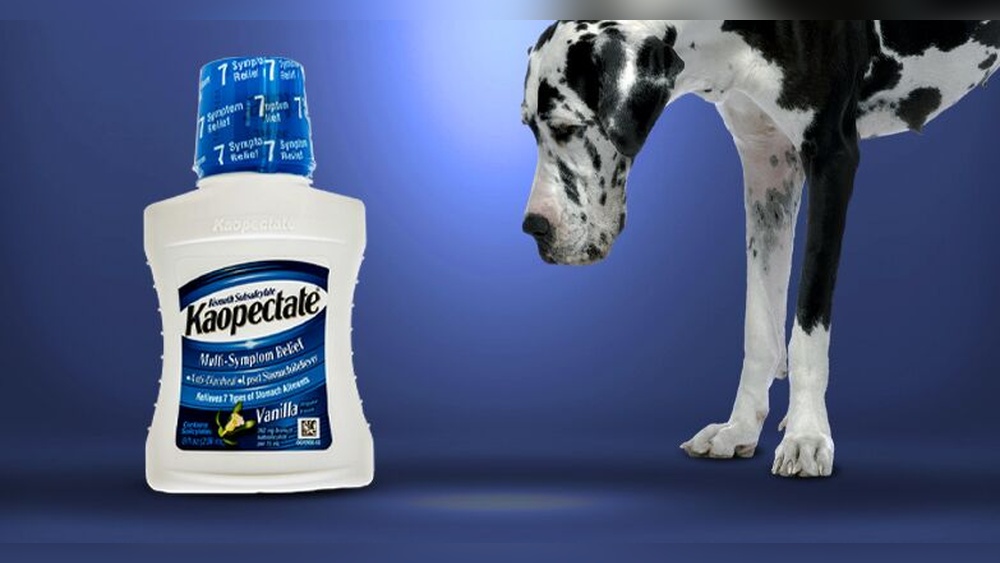
If your dog is showing signs of stomach discomfort, you want to help them feel better fast. Choosing the best antacid for dogs can make a big difference in easing their pain and improving their digestion.
But knowing the right dosage is just as important to keep your furry friend safe. You’ll discover which antacids work best for dogs and how to give the correct amount every time. Keep reading to learn simple, effective ways to protect your dog’s tummy and bring them relief quickly.

Credit: www.mediacityvets.com
Common Causes Of Acid Reflux In Dogs
Acid reflux is a common problem in dogs. It happens when stomach acid flows back into the esophagus. This can cause discomfort and pain. Understanding what causes acid reflux helps in managing it properly.
Several factors can trigger acid reflux in dogs. Some are related to food, others to health issues or habits. Knowing these causes can guide the right treatment and dosage of antacids.
Diet And Eating Habits
Eating too fast can cause acid reflux. Dogs may swallow air or eat large amounts quickly. Certain foods, like fatty or spicy items, can also irritate the stomach. Feeding smaller meals more often can help reduce reflux.
Obesity
Excess weight puts pressure on the stomach. This pressure can push acid up into the esophagus. Maintaining a healthy weight lowers the risk of acid reflux in dogs.
Hiatal Hernia
This is a condition where part of the stomach moves above the diaphragm. It makes it easier for acid to flow back. Hiatal hernia often needs veterinary care and specific treatment.
Stress And Anxiety
Stress affects digestion in dogs. It can increase acid production in the stomach. Reducing stress may help control acid reflux symptoms.
Medications
Some medicines can cause acid reflux as a side effect. Non-steroidal anti-inflammatory drugs (NSAIDs) are common culprits. Always check with a vet about medication risks for acid reflux.
Credit: www.singlecare.com
Symptoms Indicating Need For Antacids
Dogs cannot tell us when they feel stomach pain or discomfort. Watching for certain signs helps you notice when they need antacid treatment. Recognizing these symptoms early can prevent serious stomach issues.
Some signs may seem mild but should not be ignored. The right antacid and proper dosage can ease your dog’s discomfort quickly. Knowing the symptoms also helps your vet give the best care.
Vomiting And Nausea
Frequent vomiting or nausea often means acid is irritating the stomach. Dogs may gag or retch without bringing anything up. These signs suggest your dog’s stomach acid is too high.
Loss Of Appetite
When dogs refuse food or eat less, it can signal stomach pain. Acid reflux or ulcers make eating uncomfortable. Pay attention if your dog suddenly loses interest in meals.
Excessive Drooling
Drooling more than usual can be a sign of nausea or acid buildup. It may happen along with licking lips or swallowing often. This symptom shows your dog feels stomach discomfort.
Restlessness And Whining
Dogs in pain may move a lot or whine quietly. They may seem uneasy or unable to relax. Stomach acid issues can cause this kind of distress.
Dark Or Bloody Stool
Black or bloody stool may point to stomach ulcers or bleeding. This symptom needs immediate veterinary attention. Antacids can help but must be used under vet advice.
Types Of Antacids Suitable For Dogs
Choosing the right antacid for dogs depends on the type of product available. Antacids reduce stomach acid and ease discomfort. Several types suit different needs and conditions. Understanding these types helps in selecting the best option for your dog.
Over-the-counter Options
Many antacids for dogs are available without a prescription. These include products with ingredients like famotidine and ranitidine. They help reduce stomach acid safely for mild cases. Always follow the dosage instructions on the label. These options offer quick relief but should not replace veterinary advice.
Veterinary-prescribed Antacids
Some dogs need stronger antacids prescribed by a vet. These medications are tailored to specific health issues. Vets may prescribe proton pump inhibitors or stronger H2 blockers. These drugs require careful dosing and monitoring. Using prescribed antacids ensures safety and effectiveness for serious conditions.
Natural Alternatives
Natural remedies can also help reduce acid and soothe the stomach. Ingredients like slippery elm, aloe vera, and chamomile are popular. These options are gentle and support digestion naturally. They may not work as fast as medications but can be useful for mild discomfort. Consult your vet before starting any natural treatment.
Safe Dosage Guidelines
Giving the right amount of antacid to your dog is very important. Too little may not work well. Too much can be harmful. Safe dosage guidelines help keep your dog healthy and comfortable. Follow these rules carefully to avoid problems.
Dosage By Weight
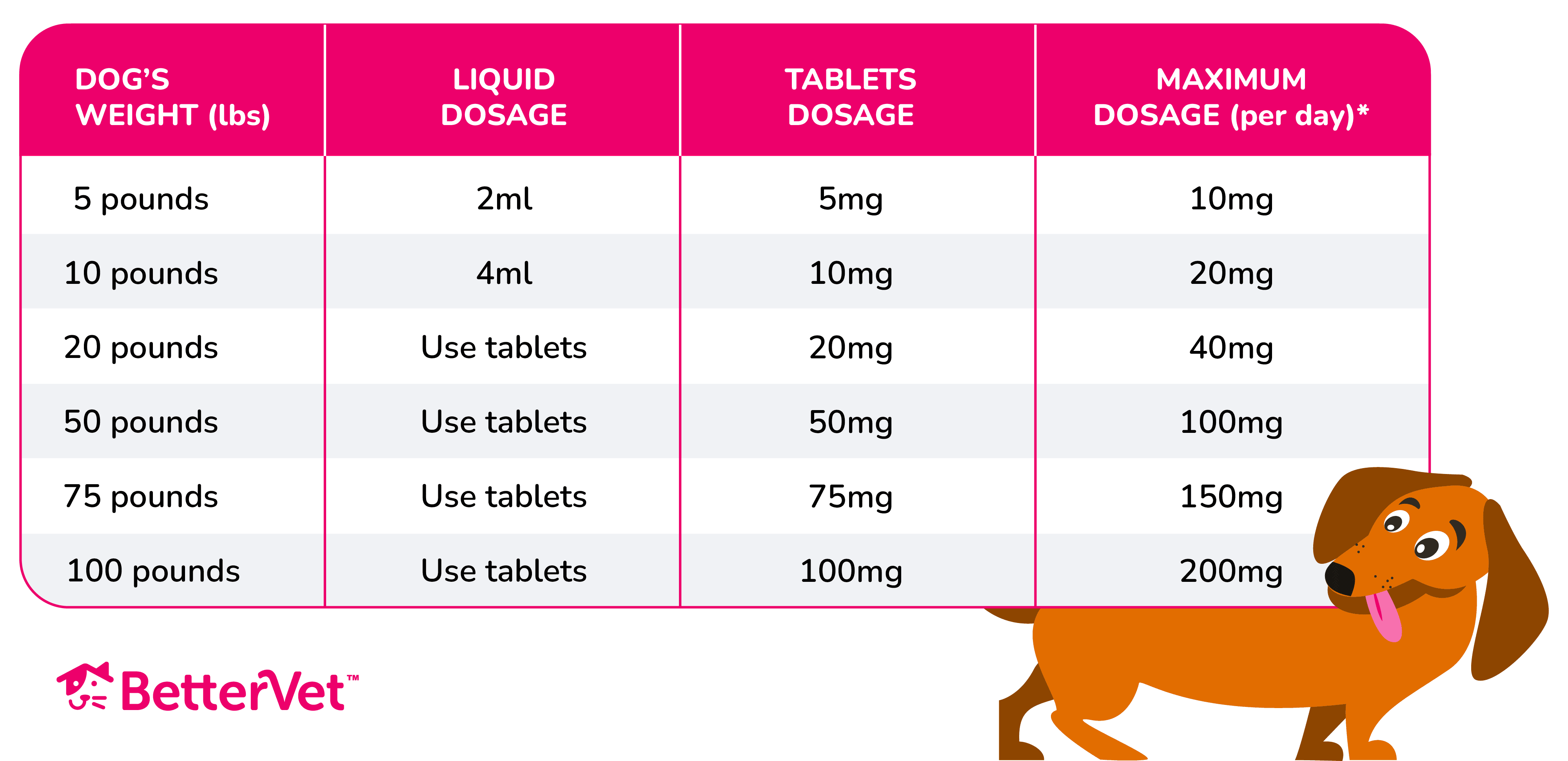
Dogs need different doses based on their weight. Small dogs get less medicine than big dogs. Usually, vets suggest a dose per pound or kilogram. Always use a scale to weigh your dog. This helps give the right amount every time. Never guess the dose. Use a measuring tool for accuracy.
Frequency And Duration
The number of times you give antacid matters. Most dogs need medicine two or three times a day. Do not give doses too close together. Follow the time gaps recommended by your vet. Giving antacid for too long can cause side effects. Use the medicine only for the time told by your vet.
Adjustments For Specific Breeds
Some dog breeds need special care with medicine. Small or toy breeds often need smaller doses. Large breeds may process medicine differently. Dogs with certain health problems need dose changes. Always check with your vet about your dog’s breed. This keeps your pet safe and healthy.
How To Administer Antacids To Dogs
Giving antacids to dogs needs care and patience. Proper dosing helps your dog feel better quickly. Follow the vet’s instructions closely. Watch your dog’s reaction after each dose. Keep the process calm and gentle to reduce stress.
Oral Tablets And Chewables
Place the tablet or chewable at the back of your dog’s tongue. Hold the mouth closed and gently stroke the throat. This encourages swallowing. Use a pill pocket or hide the tablet in food for easier giving. Always check the tablet is swallowed, not spit out.
Liquid Formulations
Use a syringe or dropper to measure the exact dose. Gently insert it into the side of the dog’s mouth. Slowly squirt the liquid to avoid choking. Speak softly and praise your dog to keep it calm. Liquids work well for dogs that resist pills.
Tips For Picky Eaters
Try mixing antacids with your dog’s favorite soft food. Warm the food slightly to increase smell and appeal. Break tablets into tiny pieces and mix well. Offer the medicine at a quiet time without distractions. Reward your dog after giving medicine to create a positive link.
Possible Side Effects And Risks
Knowing when to consult a veterinarian is very important for your dog’s health. Antacids can help with minor stomach issues. But some signs mean a vet’s care is needed right away.
Ignoring serious symptoms can make your dog’s condition worse. A vet can diagnose the exact problem. They also recommend the right dosage and treatment.
Signs Of Severe Stomach Problems
Watch for vomiting that lasts more than two days. Blood in vomit or stool is a red flag. Your dog may refuse to eat or drink. Excessive drooling or weakness can also indicate serious issues.
Allergic Reactions To Antacids
Some dogs may have allergies to certain antacids. Symptoms include swelling, itching, or hives. Difficulty breathing or sudden collapse needs emergency care. Stop giving the antacid and get help immediately.
Changes In Behavior Or Appetite
Sudden changes in your dog’s mood or appetite can signal health problems. Lethargy or unusual aggression are warning signs. Contact a vet to check for underlying issues.
Pre-existing Health Conditions
Dogs with kidney, liver, or heart issues need special care. Antacid dosage may differ for these dogs. A vet should guide you before giving any medication.
Correct Dosage And Medication Guidance
Vets provide the safest dosage based on your dog’s weight and health. They recommend the best antacid type for your dog. Never guess the dose or use human antacids without advice.
When To Consult A Veterinarian
Preventing acid reflux in dogs is key to keeping them healthy and comfortable. Acid reflux happens when stomach acid flows back into the esophagus. This causes pain and irritation. Simple steps can lower the risk and ease symptoms. Focus on diet, feeding, and lifestyle to protect your dog’s digestive health.
Dietary Changes
Choose easy-to-digest foods that are low in fat. Fatty foods can worsen acid reflux. Include lean meats and plain rice in their diet. Avoid spicy or salty treats that irritate the stomach. Small, frequent meals are better than large, heavy ones. Fresh water should always be available to help digestion.
Feeding Schedule Adjustments
Feed your dog at regular times every day. Consistent feeding helps regulate stomach acid production. Avoid feeding right before bedtime to reduce reflux risk. Divide daily food into smaller portions. This prevents the stomach from becoming too full. Monitor your dog’s reaction to meal times and adjust as needed.
Lifestyle Modifications
Keep your dog calm after eating to help digestion. Avoid vigorous exercise or play immediately after meals. Maintain a healthy weight to reduce pressure on the stomach. Provide a comfortable resting area where your dog can relax. Regular vet visits help catch and manage acid reflux early.
Credit: thevets.com
Frequently Asked Questions
What Is The Best Antacid For Dogs?
The best antacid for dogs depends on their condition. Common options include famotidine, ranitidine, and omeprazole. Always consult your vet before administering any medication to ensure safety and proper treatment.
How Do I Determine The Correct Antacid Dosage?
Dosage varies based on your dog’s weight and health. Typically, vets recommend a dosage per kilogram or pound of body weight. Follow your vet’s instructions precisely for safe and effective use.
Can Antacids Cause Side Effects In Dogs?
Yes, antacids can cause side effects like diarrhea, constipation, or vomiting. If symptoms persist or worsen, contact your vet immediately for advice and alternative treatments.
How Often Should I Give My Dog Antacids?
Frequency depends on the medication and your dog’s condition. Most antacids are given once or twice daily. Always follow your vet’s dosage schedule to avoid overuse or complications.
Conclusion
Choosing the right antacid helps keep dogs comfortable and healthy. Always follow the correct dosage to avoid any risks. Watch your dog closely for any side effects or changes. Consult your vet if you are unsure about the medicine. Giving the right amount supports quick relief from stomach issues.
Care and attention make a big difference in your dog’s health. Keep your pet’s well-being as a top priority every day. Small steps bring big improvements in your dog’s comfort.