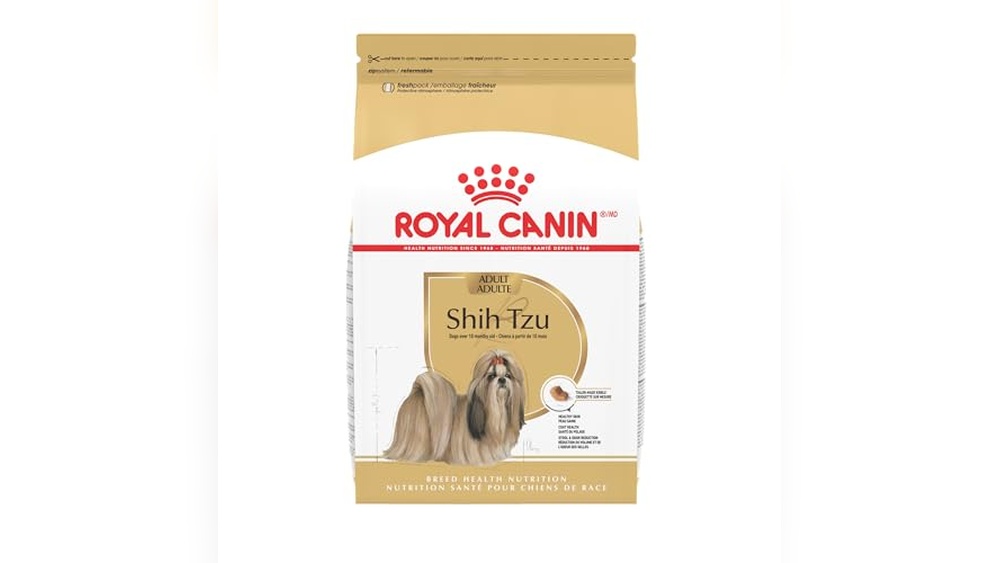
Are you looking for the best mineral supplement for your dog? Choosing the right minerals can make a huge difference in your dog’s health and happiness.
Minerals support strong bones, a shiny coat, and a lively spirit. But with so many options out there, how do you know which one is truly the best? Keep reading, and you’ll discover the key minerals your dog needs, how to pick the perfect supplement, and tips to keep your furry friend feeling their absolute best every day.
Your dog deserves the best—let’s find it together.
Why Minerals Matter For Dogs
Minerals play a vital role in your dog’s health. They support many body functions and keep your pet active. Without the right minerals, your dog can face health problems. Understanding why minerals matter helps you choose the best supplement for your dog.
Key Minerals For Canine Health
Calcium strengthens bones and teeth. Phosphorus works with calcium for strong bones. Iron helps carry oxygen in the blood. Zinc supports the immune system and skin health. Magnesium aids muscle and nerve function. Selenium protects cells from damage. These minerals keep your dog healthy and energetic.
Signs Of Mineral Deficiency
Weak bones or frequent fractures can mean low calcium. Pale gums and tiredness may show iron deficiency. Poor coat and skin issues might signal low zinc. Muscle cramps or weakness suggest magnesium shortage. Slow healing or infections can result from low selenium. Watch for these signs to protect your dog’s health.
Benefits Of Proper Mineral Balance
Balanced minerals improve energy and strength. Your dog’s immune system works better. Healthy skin and shiny fur appear. Bones stay strong and grow well. Proper muscle and nerve function help your dog move easily. Minerals support overall health and a longer life.

Credit: www.amazon.com
Types Of Mineral Supplements
Mineral supplements for dogs come in different types. Each type serves a special purpose. Knowing these types helps you pick the best one for your dog’s health. Some supplements focus on one mineral. Others provide a mix of minerals. The source of minerals also matters for absorption and safety.
Single Mineral Supplements
These supplements contain only one mineral. Examples include calcium, zinc, or iron. They target specific deficiencies in your dog. Single minerals help correct low levels quickly. Use them only when a vet recommends a certain mineral. Overuse can cause imbalance and harm.
Multi-mineral Blends
These blends have several minerals combined. They cover a wider range of nutritional needs. Dogs with general mineral deficiencies benefit most from blends. These supplements support bone, skin, and muscle health. Quality multi-mineral blends have balanced amounts of each mineral.
Organic Vs Inorganic Minerals
Organic minerals come from natural sources like plants. They are easier for dogs to absorb. Inorganic minerals are made from synthetic or mined compounds. They are usually cheaper but less bioavailable. Choosing organic minerals can improve your dog’s nutrient uptake. Check the label for the mineral source to decide.
Top Mineral Supplements For Dogs
Minerals play an important role in keeping dogs healthy and strong. They support bones, muscles, and overall body functions. Choosing the right mineral supplements can help fill gaps in your dog’s diet. It ensures your pet stays active and happy for years.
Here are some of the best mineral supplements for dogs that you can consider. Each type targets different health needs and works well for various breeds and ages.
Calcium And Phosphorus Supplements
Calcium and phosphorus work together to build strong bones and teeth. Puppies need these minerals for growth. Adult dogs need them to maintain bone health. Supplements with the right balance prevent bone problems and support muscle function. Many calcium supplements come in chewable or powder forms for easy feeding.
Magnesium Boosters
Magnesium helps with muscle relaxation and nerve function. It also supports heart health in dogs. A magnesium supplement can reduce cramps and improve energy levels. Dogs with certain health issues may need extra magnesium. Choose a booster that fits your dog’s size and health status.
Zinc And Iron Options
Zinc supports skin health and the immune system. Iron is essential for healthy blood and oxygen transport. Both minerals help prevent anemia and skin problems. Supplements with zinc and iron improve coat shine and overall vitality. These minerals are often combined in one supplement for better effect.
Specialty Mineral Products
Specialty mineral products target unique health needs. For example, selenium supports antioxidant protection. Copper helps with energy production and coat color. Some products mix several minerals to support joint health or digestion. These supplements offer tailored support for specific dog conditions.
Choosing The Right Supplement
Choosing the right mineral supplement for your dog is important. The right supplement supports your dog’s health and energy. Not all supplements work the same for every dog. Knowing what your dog needs helps pick the best one.
Assessing Your Dog’s Needs
Every dog has different mineral needs. Age, size, and activity level matter. Puppies need more calcium for growing bones. Older dogs may need extra zinc or magnesium. Watch for signs like dull coat or low energy. These can show mineral gaps. Tailor supplements to your dog’s health and lifestyle.
Reading Labels And Ingredients
Check labels carefully. Look for minerals like calcium, phosphorus, zinc, and magnesium. Avoid supplements with fillers or artificial additives. Natural sources are often better absorbed by dogs. Pay attention to the amount of each mineral. Too much or too little can cause problems. Choose products with clear, simple ingredient lists.
Consulting Your Veterinarian
Your vet knows your dog’s health best. Share your thoughts about supplements with them. They can recommend the right product and dose. Some dogs have special needs or medical issues. A vet’s advice ensures safety and effectiveness. Regular check-ups help track your dog’s mineral levels.
Safe Usage And Dosage Tips
Giving mineral supplements to dogs helps keep them healthy and active. Using the right dose is important for safety. Too much or too little can cause problems. Follow clear tips to give minerals safely and get the best results.
Avoiding Over-supplementation
Too many minerals can harm your dog’s health. Excess calcium or iron can cause stomach upset or organ damage. Stick to the recommended dose on the product label. Never guess the amount based on your dog’s size alone. Consult your vet to find the right dose.
Best Practices For Administration
Give supplements with food to reduce stomach upset. Use a pill pocket or hide powder in meals. Keep a regular schedule to avoid missing doses. Store supplements in a cool, dry place away from children and pets. Check expiration dates before use.
Monitoring Your Dog’s Response
Watch your dog for changes after starting supplements. Look for signs like vomiting, diarrhea, or unusual behavior. If you notice anything odd, stop the supplement and call your vet. Regular check-ups can help track your dog’s health and adjust doses if needed.
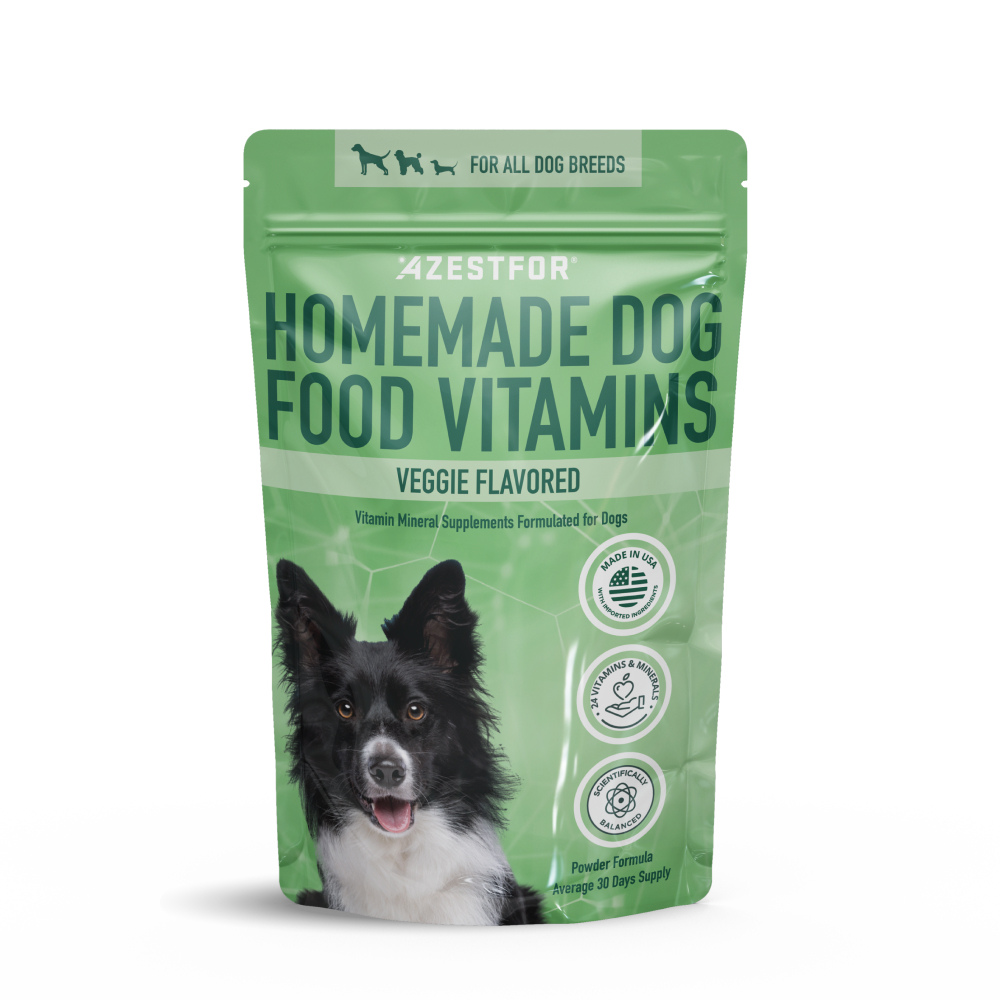
Credit: azestfor.com
Natural Sources Of Minerals
Minerals play a key role in keeping dogs healthy and strong. Natural sources of minerals provide essential nutrients without extra chemicals or fillers. Feeding dogs minerals from natural foods supports their bones, muscles, and immune system.
Natural mineral sources also help improve digestion and energy levels. These sources fit well into a balanced diet. They offer safe, easy ways to add minerals to your dog’s meals.
Mineral-rich Foods For Dogs
Many common foods contain important minerals for dogs. Meat like beef, chicken, and fish offers zinc, iron, and phosphorus. These minerals help build strong muscles and keep blood healthy.
Vegetables like spinach, carrots, and sweet potatoes are rich in calcium and magnesium. These support bone health and nerve function. Eggs provide selenium and iodine, aiding metabolism and thyroid health.
Yogurt and cheese contain calcium and potassium. These help with muscle function and hydration. Including a variety of these foods improves your dog’s mineral intake naturally.
Homemade Supplement Alternatives
Homemade supplements let you control what your dog eats. Ground eggshells are a good source of calcium. Add a small amount to meals to strengthen bones.
Bone broth contains minerals like calcium, magnesium, and phosphorus. It also boosts hydration and digestion. You can make broth at home using leftover bones and water.
Mixing small amounts of kelp powder provides iodine and other trace minerals. This supports thyroid health and overall wellness. Always introduce homemade supplements slowly and watch for reactions.
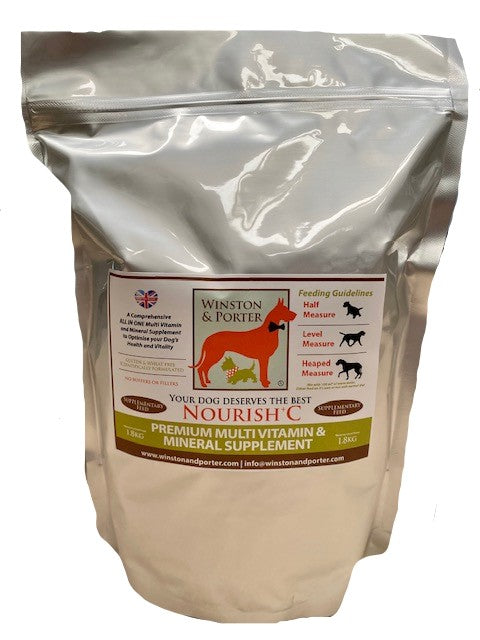
Credit: winstonandporter.com
Frequently Asked Questions
What Are The Best Minerals For Dogs’ Health?
Essential minerals for dogs include calcium, phosphorus, magnesium, zinc, and iron. These minerals support bones, muscles, and overall vitality. A balanced supplement ensures dogs get all necessary nutrients for optimal health and energy.
How Do Mineral Supplements Benefit Dogs?
Mineral supplements improve bone strength, boost immunity, and enhance coat quality. They also aid in muscle function and prevent deficiencies. Proper supplementation promotes overall wellness and supports a dog’s active lifestyle.
When Should I Give My Dog Mineral Supplements?
Give mineral supplements if your dog has a deficiency or special health needs. Consult a vet to determine the right type and dosage. Regular checkups help decide if supplementation is necessary for your dog.
Can Mineral Supplements Cause Side Effects In Dogs?
Excessive minerals can cause toxicity, digestive upset, or organ damage. Always follow vet advice and recommended doses. Quality supplements with balanced minerals reduce the risk of side effects.
Conclusion
Choosing the right mineral supplement helps your dog stay healthy. Minerals support strong bones, shiny coats, and good energy. Always check the ingredients and quality before buying. Consult your vet to find the best fit for your dog. A balanced supplement can improve your pet’s life.
Small changes make a big difference in their health. Keep your dog happy and active with proper minerals. Simple care shows your love and keeps tails wagging.