If your dog has lipomas, you want the best care possible to keep them comfortable and healthy. Choosing the right food can make a big difference in managing these fatty lumps.
But with so many options out there, how do you know which dog food truly supports your furry friend’s health? This guide will help you discover the best dog food for lipomas, so you can make confident choices that protect your dog’s well-being and improve their quality of life.
Keep reading to find out what ingredients to look for and which brands stand out. Your dog deserves the best, and you’re about to find it.
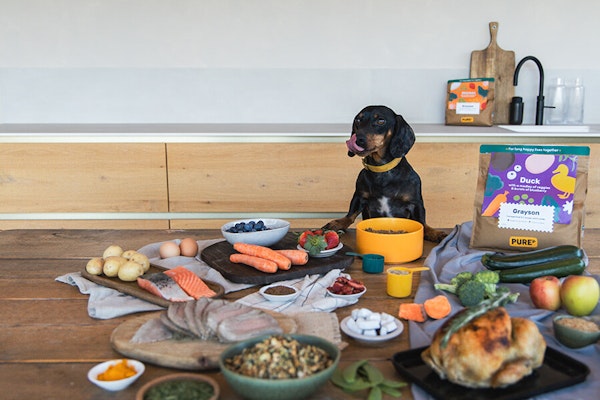
Credit: www.purepetfood.com
What Are Lipomas In Dogs
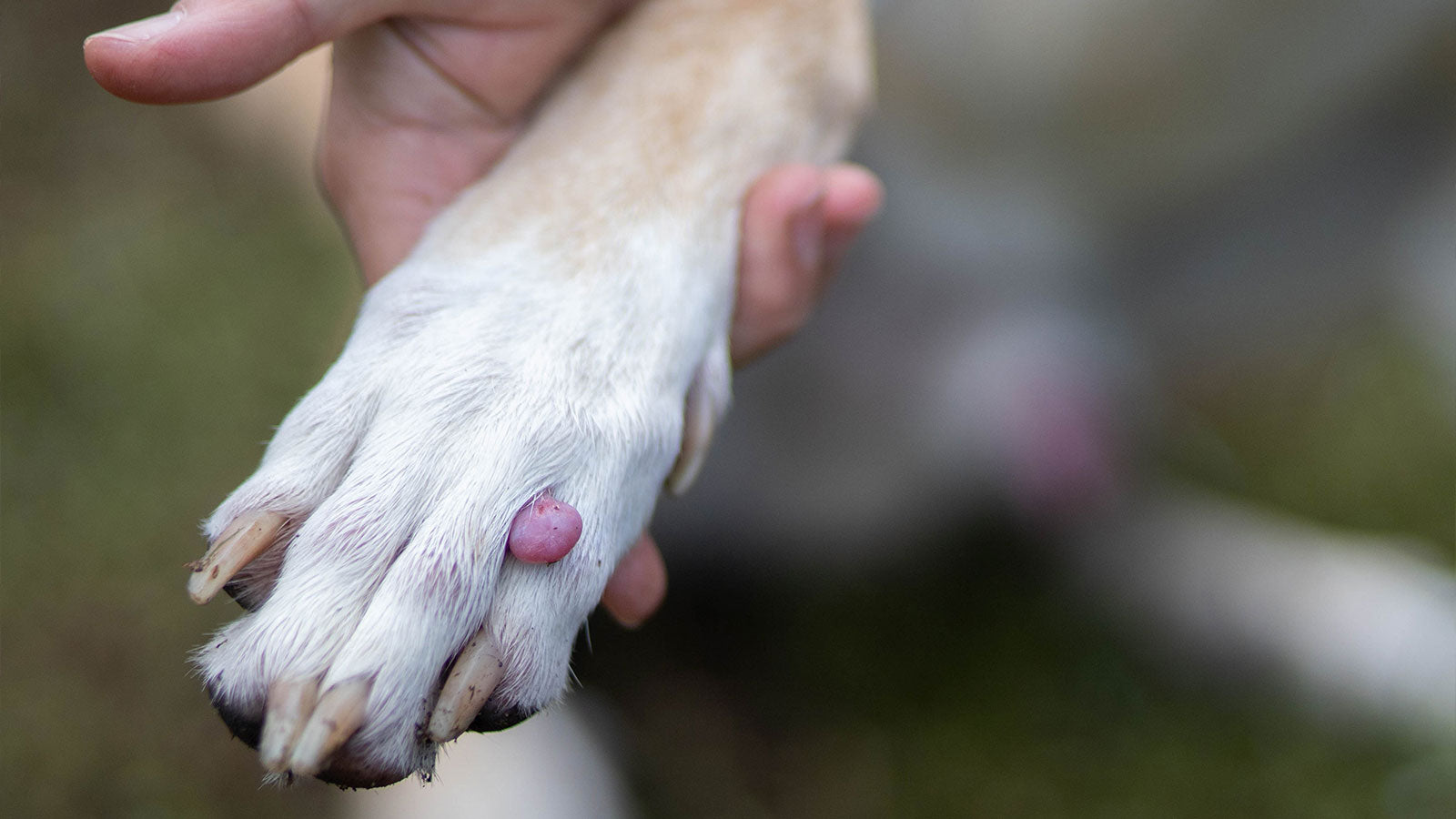
Lipomas are common lumps found under the skin of dogs. These lumps are made of fat cells and are usually soft and movable. Most lipomas are not harmful and grow slowly over time. They often appear in middle-aged or older dogs. These fatty tumors do not usually cause pain or discomfort. Still, they can sometimes grow large and affect your dog’s movement or daily activities.
Common Signs And Symptoms
Lipomas feel like soft, round lumps under your dog’s skin. They move easily when you press them. These lumps often appear on the chest, abdomen, or legs. Usually, lipomas do not cause redness or warmth. Your dog’s skin over the lump looks normal. In some cases, lipomas grow larger and may limit movement. Watch for any sudden size changes or pain.
Causes And Risk Factors
Scientists do not know the exact cause of lipomas. Age is a major risk factor; older dogs get them more often. Overweight dogs have a higher chance of developing lipomas. Some breeds, like Labrador Retrievers and Doberman Pinschers, are more prone. Genetics might also play a role. Hormonal changes and poor diet could increase risk. Keeping your dog fit may help reduce lipoma growth.
Role Of Diet In Managing Lipomas
Diet plays a key role in managing lipomas in dogs. These fatty lumps can be influenced by what your dog eats. Choosing the right food can help control the size and growth of lipomas. A balanced diet supports overall health and may reduce inflammation. Understanding the role of nutrition can guide better food choices for your dog.
Impact Of Nutrition On Skin Health
Healthy skin means a healthier dog. Good nutrition provides essential fats, vitamins, and minerals. These nutrients keep skin elastic and strong. Omega-3 fatty acids reduce inflammation and support skin repair. Vitamins E and A boost skin healing and protect cells. A poor diet can lead to dry, irritated skin. This may worsen lipomas or cause other skin problems. Feeding foods rich in antioxidants helps fight damage from free radicals.
Foods To Avoid For Lipoma-prone Dogs
Some foods may increase fat buildup in lipomas. Avoid high-fat treats and meals with excessive oils. Foods with artificial additives and preservatives can trigger inflammation. Sugary snacks and simple carbohydrates can lead to weight gain. Obesity makes lipomas harder to manage. Steer clear of processed meats and fried foods. These can worsen your dog’s skin and overall health. Stick to natural, whole ingredients for better results.
Key Nutrients For Healthy Skin
Healthy skin supports your dog’s overall well-being, especially for dogs with lipomas. The right nutrients help keep skin strong and reduce inflammation. Feeding your dog food rich in key nutrients promotes skin repair and comfort.
Omega-3 And Omega-6 Fatty Acids
Omega-3 and omega-6 fatty acids are essential for skin health. They reduce swelling and improve skin softness. These fats help maintain the skin’s barrier, preventing dryness and irritation. Fish oil and flaxseed are good sources of omega-3. Omega-6 comes from chicken fat and sunflower oil.
Antioxidants And Vitamins
Antioxidants protect skin cells from damage. Vitamins like A, C, and E support skin repair and boost immunity. These vitamins also help reduce inflammation around lipomas. Fruits and vegetables in dog food provide natural antioxidants and vitamins.
Protein Quality And Sources
High-quality protein helps build and repair skin tissues. Proteins from chicken, turkey, and fish are easy to digest and rich in amino acids. These amino acids are vital for healthy skin and coat. Avoid low-quality proteins that may cause allergies or skin problems.

Credit: www.amazon.com
Top Dog Foods For Lipoma Support
Choosing the right food helps support dogs with lipomas. These fatty lumps are common in older dogs. Certain diets can reduce inflammation and support healthy skin and fat. Here are some top dog food options that aid in managing lipomas effectively.
Grain-free Options
Grain-free dog foods exclude wheat, corn, and soy. These ingredients sometimes cause allergies or inflammation. Grain-free diets focus on protein and vegetables instead. They help reduce allergic reactions and promote healthy fat metabolism. Many dogs with lipomas benefit from grain-free meals.
Limited Ingredient Diets
Limited ingredient diets use fewer ingredients to lower allergy risks. They often contain a single protein source and simple carbs. This helps pinpoint food sensitivities and reduce inflammation. Dogs with lipomas often do well on these diets. They support weight management and skin health.
Prescription Diets
Veterinarians may suggest prescription diets for dogs with lipomas. These foods contain specific nutrients to control fat and support the immune system. Prescription diets often include omega-3 fatty acids and antioxidants. They help reduce swelling and support overall health. Always consult your vet before starting a prescription diet.
Homemade Diets And Supplements
Homemade diets and supplements can support dogs with lipomas. Preparing meals at home helps control ingredients and nutrients. This approach promotes better skin health and can reduce inflammation. Supplements add extra benefits that may improve your dog’s quality of life.
Safe Recipes For Skin Health
Choose lean meats like chicken or turkey as protein sources. Add cooked vegetables such as carrots, green beans, and pumpkin. These provide vitamins and antioxidants that help skin repair. Include healthy fats from fish oil or flaxseed oil. Avoid processed foods, grains, and artificial additives. Keep portions balanced to maintain a healthy weight. Cook all ingredients thoroughly to ensure safety. Simple recipes with whole foods nourish your dog’s skin and body.
Beneficial Supplements For Lipomas
Fish oil is rich in omega-3 fatty acids that reduce inflammation. Vitamin E supports skin healing and acts as an antioxidant. Turmeric contains curcumin, which helps fight inflammation naturally. Probiotics improve digestion and boost the immune system. Use supplements in moderate amounts to avoid side effects. Consult your vet before adding new supplements. These natural aids can help manage lipoma symptoms and promote overall health.
Tips For Choosing The Right Dog Food
Choosing the right dog food is important for managing lipomas. It helps control your dog’s weight and supports overall health. Picking food with good ingredients can reduce the growth of these fatty lumps. Focus on quality, nutrients, and your dog’s specific needs.
Reading Labels Effectively
Check the ingredient list carefully. Look for real meat as the first ingredient. Avoid foods with fillers like corn or soy. Find products with added vitamins and minerals. Watch out for artificial colors and preservatives. These can harm your dog’s health. Choose foods with healthy fats like omega-3. They support skin and coat health.
Consulting Your Veterinarian
Your vet knows your dog’s health history best. Ask about the best diet for lipomas. They may suggest foods with special nutrients. Share your dog’s symptoms and weight changes. Your vet can recommend safe supplements too. Regular check-ups help track your dog’s progress. Follow their advice to keep your dog healthy.
Credit: humanandpets.com
Frequently Asked Questions
What Ingredients Help Reduce Dog Lipomas?
Ingredients rich in omega-3 fatty acids, antioxidants, and fiber help reduce dog lipomas. Look for fish oil, flaxseed, fruits, and vegetables in the dog food.
Can Diet Prevent Lipomas In Dogs?
A balanced diet with low fat and high antioxidants can help prevent lipomas. Maintaining healthy weight and avoiding excess calories are key factors.
Which Dog Food Brands Support Lipoma Health?
Brands with natural, high-quality ingredients like Blue Buffalo, Hill’s Science Diet, and Royal Canin offer formulas supporting lipoma health. Always choose vet-recommended options.
Is Grain-free Dog Food Better For Lipomas?
Grain-free food may benefit some dogs by reducing inflammation, but it’s not proven to directly affect lipomas. Consult your vet before switching diets.
Conclusion
Choosing the right food helps support your dog’s health and comfort. Good dog food can reduce the risk of lipomas growing larger. Focus on natural ingredients and balanced nutrition. Avoid foods high in fat or artificial additives. Regular vet check-ups remain important to monitor your dog’s condition.
Healthy eating and care work together for your dog’s well-being. Small changes in diet can make a big difference. Keep your dog happy and active with the best food choices.