
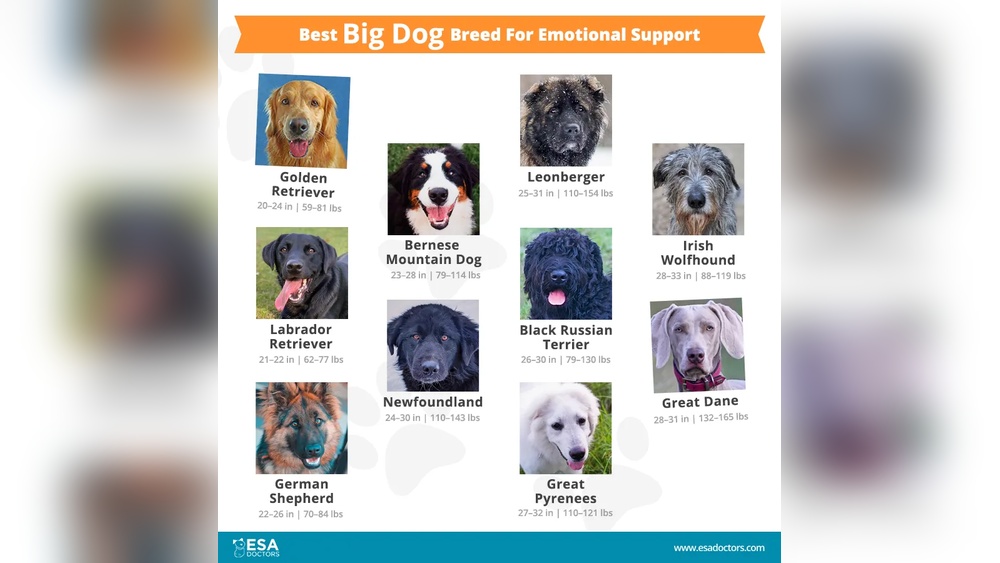
Finding the best dog breed for emotional support can change your life in ways you never imagined. You want a companion who understands your feelings, offers comfort when you need it most, and brings calm to your stressful days.
But with so many breeds out there, how do you choose the right one for your unique needs? This guide will help you discover which dogs are naturally loving, gentle, and perfect for emotional support. By the end, you’ll feel confident about which furry friend could become your greatest source of comfort and joy.
Keep reading to find the perfect match for your heart.
Credit: fastesaletter.com
Traits Of Ideal Emotional Support Dogs
Choosing the right dog for emotional support means finding one with special traits. These traits help the dog provide comfort and calm during hard times. Ideal emotional support dogs have qualities that make them gentle, loving, and easy to live with. Understanding these traits helps you find a dog that fits your emotional needs.
Calm Temperament
A calm dog stays relaxed in many situations. They do not get anxious or excited too fast. This calmness helps soothe people feeling stressed or upset. Dogs with calm temperaments create a peaceful environment. They are less likely to react loudly to noises or changes.
Affectionate Nature
Affectionate dogs love to be near their owners. They enjoy cuddling and gentle touch. This closeness brings comfort and a feeling of safety. Dogs that show love often help reduce feelings of loneliness. Their warm nature makes them great companions.
Trainability
Trainable dogs learn commands and routines quickly. They listen well and follow instructions easily. Good trainability means the dog behaves well in public and at home. These dogs adapt to the owner’s lifestyle and needs. Training also strengthens the bond between dog and owner.
Size Considerations
Size matters for emotional support dogs. Small or medium dogs fit well in apartments and small spaces. They are easier to carry and travel with. Larger dogs need more space and exercise. Choose a size that matches your living situation and daily activities.
Top Calm Dog Breeds For Support
Choosing a calm dog breed helps create a peaceful support system. Calm dogs offer steady comfort and gentle presence. They stay relaxed and respond well to emotional needs. These breeds often have patient temperaments and low energy. They fit well in homes needing quiet companionship and emotional support.
Labrador Retriever
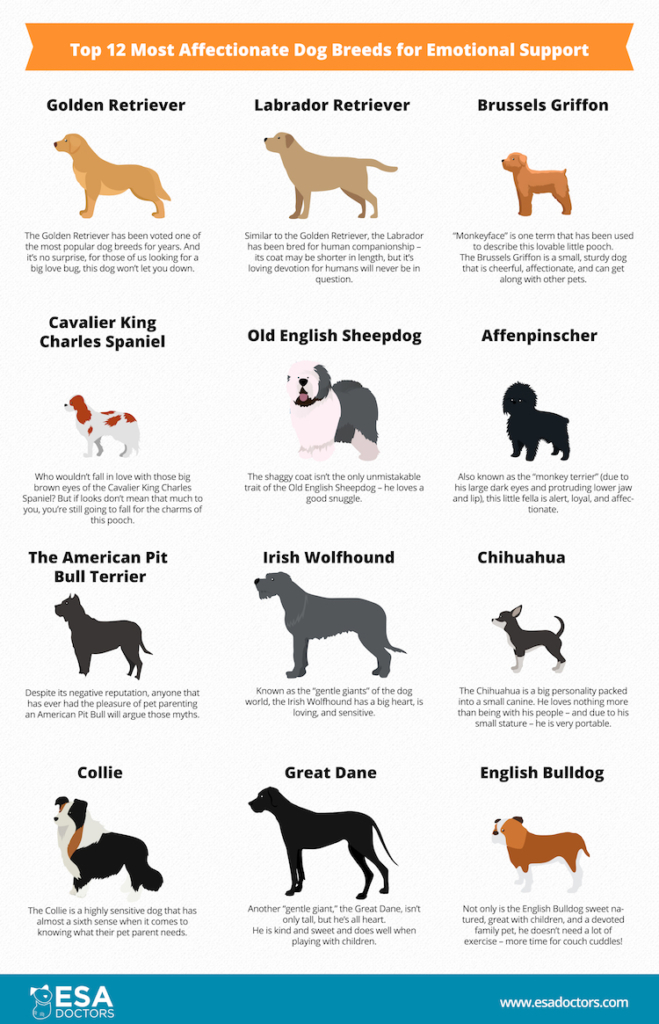
Labradors are friendly and patient dogs. They enjoy being close to people. Their calm nature helps reduce stress. They listen well and adapt to moods. Labs love gentle play and quiet time. They bring warmth and loyalty to any home.
Cavalier King Charles Spaniel
This breed is small and very affectionate. Cavaliers are known for their soft temperament. They stay calm and enjoy cuddles. Their gentle eyes comfort those feeling low. They fit well in small spaces. Cavaliers create a soothing atmosphere easily.
Greyhound
Greyhounds are surprisingly calm indoors. They rest quietly and enjoy peaceful moments. These dogs need short bursts of exercise only. Their slim bodies and soft fur invite relaxation. Greyhounds bond closely with their owners. They offer calm support without much fuss.
Basset Hound
Basset Hounds move slowly and think calmly. Their droopy eyes express warmth and kindness. They enjoy sitting close and listening. Bassets love routines and quiet days. Their steady presence helps ease anxiety. They are gentle companions for emotional support.
Loving Companions For Emotional Aid
Dogs offer more than friendship. They provide comfort and calm during tough times. Their presence helps reduce stress and loneliness. Choosing the right breed can boost emotional support benefits. Some breeds naturally show gentle, caring behavior. They connect deeply with their owners’ feelings. These loving companions become a steady source of emotional aid.
Golden Retriever
Golden Retrievers are friendly and patient. They love to be near their owners. Their calm nature helps soothe anxiety. They respond well to human emotions. This breed enjoys gentle play and hugs. Golden Retrievers are easy to train. They fit well in many homes.
Pug
Pugs have a joyful and affectionate spirit. Their small size makes them easy to carry. They love cuddles and close contact. Pugs often make people smile with their funny faces. They are loyal and always want to be close. Their playful attitude lifts moods quickly.
Shih Tzu
Shih Tzus are gentle and loving dogs. They enjoy quiet moments with their owners. Their soft coats invite soothing petting. Shih Tzus do well in small spaces. They form strong bonds with family members. This breed offers warmth and comfort daily.
Bulldog
Bulldogs have a calm and steady presence. Their slow, relaxed pace helps ease tension. They are very loyal and protective. Bulldogs enjoy close contact and gentle petting. Their unique look often draws smiles. These dogs are quiet but deeply loving.
:strip_icc()/portrait-of-dog-relaxing-on-sofa-at-home-760236329-5c8ac36ec9e77c00010e9646.jpg)
Credit: www.thesprucepets.com
Choosing The Right Support Dog For You
Choosing the right support dog matters a lot for your emotional health. The dog should fit your needs and daily habits. A good match helps both you and the dog feel happy and calm. Consider your energy, allergies, and lifestyle before picking a breed. This makes sure your support dog truly supports you.
Matching Energy Levels
Your energy level should match the dog’s activity needs. Active people need dogs that enjoy exercise and play. Calm people do better with low-energy dogs. A dog with too much energy can stress you out. A lazy dog may not help if you like to move a lot.
Considering Allergies
Allergies can make living with a dog hard. Some breeds shed less and cause fewer allergies. Poodles and Bichon Frises are good for allergy sufferers. Always spend time with a dog before adopting. This helps check if you react to that breed.
Lifestyle Compatibility
Your daily routine shapes the dog’s life too. Busy people need dogs that are okay alone sometimes. Those home often can care for dogs needing more attention. Space matters—big dogs need more room to roam. Small apartments suit smaller breeds better.
Care Tips For Emotional Support Dogs
Emotional support dogs need special care to stay happy and healthy. Proper care helps them provide the best comfort to their owners. Simple habits make a big difference in their well-being.
Regular Exercise
Exercise keeps emotional support dogs strong and calm. Daily walks or playtime help them release energy. It also reduces stress and anxiety for both dog and owner. Choose activities that fit your dog’s breed and age. Consistent exercise improves mood and behavior.
Consistent Training
Training builds trust and good manners. Teach basic commands like sit, stay, and come. Use gentle, positive methods to encourage learning. Consistency makes dogs feel safe and secure. Training helps dogs handle new situations calmly.
Health Monitoring
Watch your dog’s health closely. Check for changes in appetite, behavior, or energy. Regular vet visits catch problems early. Keep vaccinations and flea treatments up to date. Healthy dogs provide better emotional support.
Credit: kjppthy.com
Frequently Asked Questions
What Is The Best Dog Breed For Emotional Support?
Labradors are top emotional support dogs due to their gentle nature. They are friendly, loyal, and easy to train. Their calm temperament helps reduce anxiety and stress effectively. Other great breeds include Golden Retrievers and Poodles.
How Do Emotional Support Dogs Help With Mental Health?
Emotional support dogs provide comfort and companionship. They reduce feelings of loneliness and anxiety. Their presence promotes calmness and emotional stability. These dogs encourage routine and physical activity, improving overall mental well-being.
Can Any Dog Breed Be An Emotional Support Animal?
Technically, yes. However, breeds with calm and friendly temperaments work best. Dogs that are easy to train and social are ideal. Size and energy level should match the owner’s lifestyle for effective support.
Are Small Dog Breeds Good For Emotional Support?
Yes, small breeds like Cavalier King Charles Spaniels and Pugs offer great emotional support. They are portable, affectionate, and adapt well to indoor living. Their size makes them ideal for people in apartments or limited spaces.
Conclusion
Choosing the right dog breed can truly help with emotional support. Dogs offer comfort, love, and companionship every day. Some breeds naturally suit these roles better than others. Think about your lifestyle and needs first. A calm, friendly dog often makes the best support animal.
Remember, training and care are important too. A happy dog means better support for you. Find a breed that fits your heart and home. Your perfect emotional support dog is waiting.


