When winter hits and snow blankets the ground, your dog’s paws face harsh conditions. Cold, ice, and salt can cause discomfort or even injury.
You want to keep your furry friend safe and happy during those snowy walks. That’s why finding the best dog shoes for snow is so important. In this guide, you’ll discover the top options that protect your dog’s paws, provide comfort, and make every winter adventure enjoyable.
Keep reading to find the perfect pair for your loyal companion.
Why Dog Shoes Matter In Snow
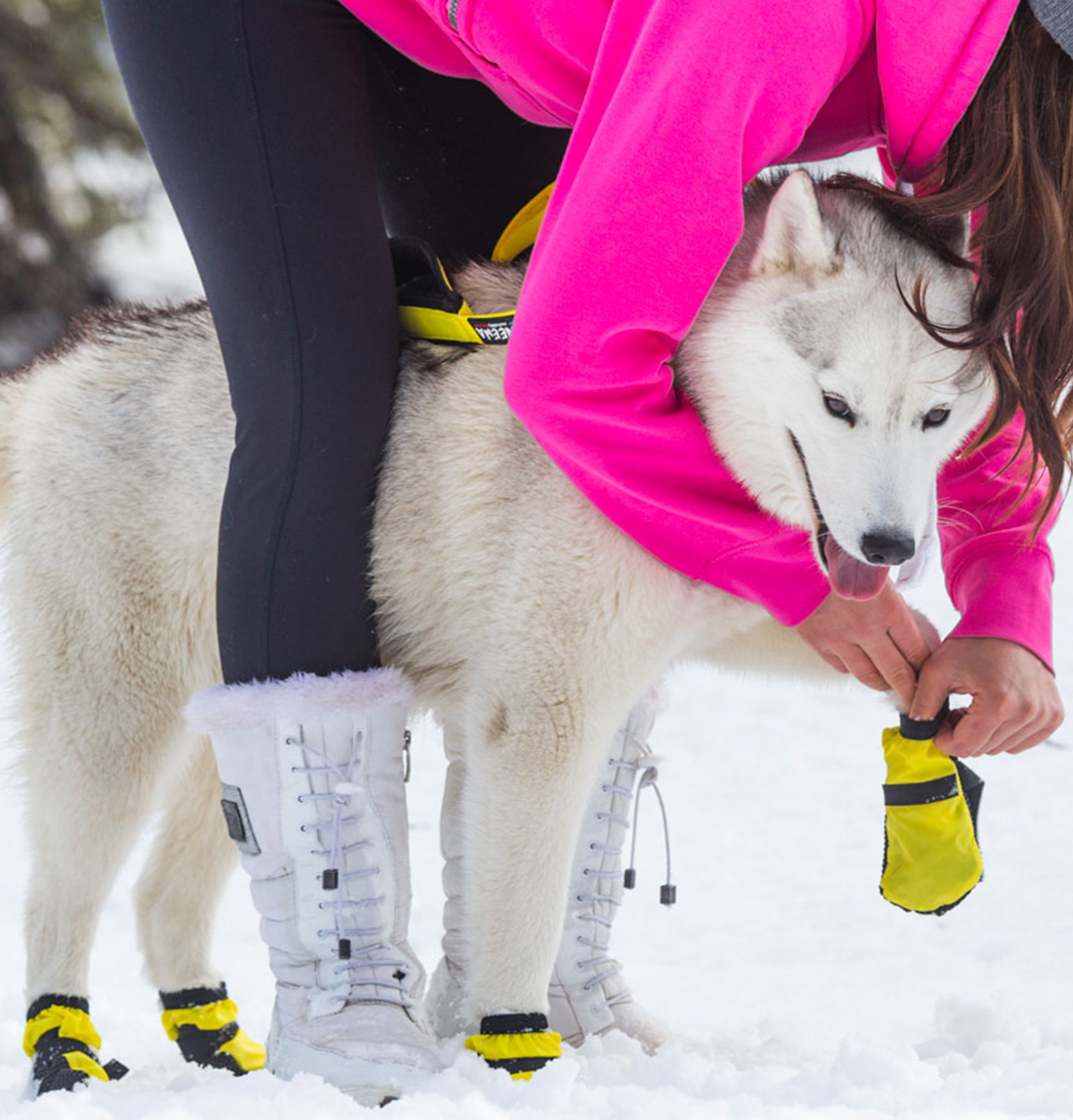
Snow can be tough on a dog’s paws. Cold, ice, and rough surfaces cause discomfort and injury. Dog shoes help keep paws safe and warm. They act as a barrier between paws and harsh winter conditions. Wearing shoes allows dogs to enjoy snowy walks comfortably. Protecting paws from damage is essential for happy pets during winter months.
Protecting Paws From Cold And Ice
Dog paws are sensitive to cold temperatures. Ice and snow can cause frostbite or pain. Shoes provide insulation and keep paws warm. They stop direct contact with frozen ground. Warm paws mean dogs can walk longer and enjoy outside time.
Preventing Salt And Chemical Burns
Roads and sidewalks often have salt or chemicals to melt ice. These substances irritate dog paws and cause burns. Dog shoes block these harmful materials from touching skin. Avoiding burns prevents licking, infections, and pain. Shoes keep paws safe from harsh chemicals on winter paths.
Avoiding Snowballing Between Toes
Snow clumps can stick between dog toes. These snowballs make walking painful and slippery. Shoes prevent snow from accumulating between toes. This stops discomfort and helps dogs walk steadily. No snowballs mean more fun and less paw trouble on snowy days.
Credit: www.neewadogs.com
Key Features Of Snow Dog Shoes
Choosing the right dog shoes for snow is important for your pet’s comfort and safety. Good snow dog shoes protect paws from cold, ice, and salt. They also help your dog walk easily on slippery surfaces.
Several key features make snow dog shoes effective. These features keep your dog’s feet warm, dry, and stable. Understanding these features helps you pick the best shoes for snowy days.
Waterproof Materials
Snow dog shoes must keep water out. Waterproof materials stop snow and slush from soaking paws. They prevent wetness that can cause discomfort or frostbite. Look for shoes made with strong waterproof fabrics or coatings.
Insulation And Warmth
Warmth is crucial in cold weather. Insulated shoes keep your dog’s paws cozy. Soft linings or thick padding block the cold. Proper insulation helps protect paws from freezing temperatures.
Non-slip Soles
Snow and ice are slippery. Non-slip soles give your dog better grip. Rubber or textured soles prevent slipping and falling. Good traction helps your dog walk safely on icy paths.
Adjustable Fastenings
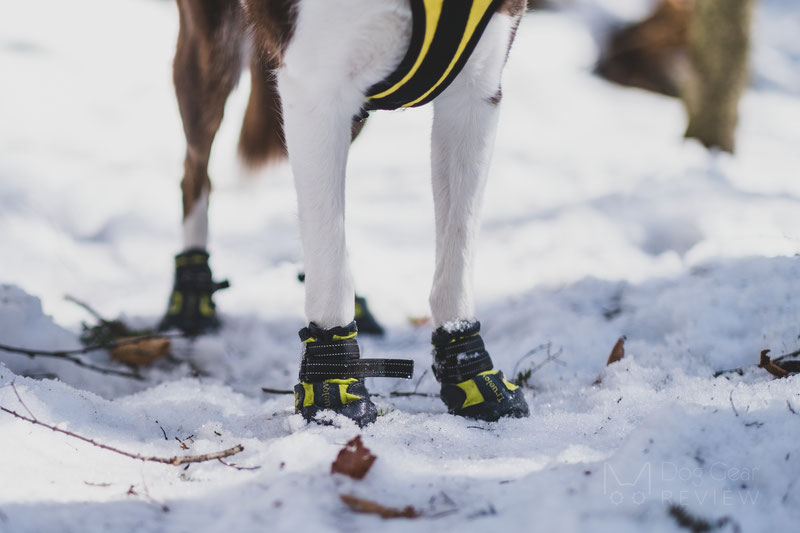
Adjustable fastenings ensure a snug fit. Velcro straps or buckles keep shoes secure. Proper fit stops shoes from falling off. They also prevent snow from entering the shoes.
Top Dog Shoe Brands For Winter
Choosing the right dog shoes for snow is important for your pet’s safety and comfort. Top dog shoe brands for winter offer products made to protect paws from cold, ice, and salt. These brands focus on durability, comfort, and fit to keep dogs happy outdoors. They also provide options at different price points to suit various budgets.
Durability And Quality
Strong materials matter in winter dog shoes. Brands use waterproof fabrics and tough soles. These shoes resist tearing and keep paws dry. Good quality shoes last through many snowy walks. Look for reinforced seams and slip-resistant grips. These features ensure shoes hold up in harsh conditions.
Comfort And Fit
Comfort is key for dogs wearing shoes. Top brands design shoes that fit snugly but not tight. Soft linings protect paws from cold and chafing. Adjustable straps help keep shoes on during movement. A good fit prevents slipping and rubbing. Dogs enjoy wearing shoes that feel natural.
Price Range
Dog shoes for winter come in different prices. Some brands offer budget-friendly options with basic features. Higher-end shoes provide extra protection and durability. Choose shoes that match your dog’s needs and your budget. Investing in quality shoes can save money over time.

Credit: alturafurniture.com
How To Choose The Right Size
Choosing the right size of dog shoes for snow is important for your pet’s comfort. Shoes that fit well protect paws from cold and sharp ice. Shoes too tight cause pain. Shoes too loose can fall off during walks. Here is how to pick the right size for your dog’s shoes.
Measuring Your Dog’s Paws
Start by measuring your dog’s paws carefully. Use a ruler or tape measure. Measure the width at the widest part. Then measure the length from the heel to the tip of the longest toe. Write down the numbers. Measure all four paws because sizes can differ.
Considering Growth And Breed
Think about your dog’s age and breed. Puppies grow fast, so buy shoes with some room. Small breeds often have smaller paws but some need wider shoes. Large breeds may need bigger sizes. Check breed-specific guides for better size ideas.
Trying Shoes On
Let your dog try the shoes before buying. Put them on gently and watch your dog walk. Shoes should feel snug but not tight. Check for rubbing or slipping. Your dog should walk naturally and comfortably. Adjust size if needed.
Tips For First-time Use
Introducing dog shoes for the first time requires patience and care. Dogs may feel strange or uncomfortable wearing them. Taking small steps helps your dog adjust quickly. Use these tips to make the process smooth and pleasant.
Start slow and watch your dog’s reactions. Comfort and trust are key to success.
Getting Your Dog Comfortable
Let your dog sniff and see the shoes first. Touch the shoes to their paws gently. Do not force the shoes on at once. Try putting one shoe on for a short time. Praise your dog softly to reduce stress. This helps build a positive connection with the shoes.
Short Practice Walks
Begin with very short walks indoors. Let your dog get used to walking on different floors. Watch how your dog moves with the shoes on. Stop if your dog tries to bite or remove the shoes. Gradually increase walk time outside as your dog adapts.
Positive Reinforcement
Use treats and praise during shoe time. Reward your dog for calm behavior and walking well. Positive words and gentle petting work too. Avoid scolding if your dog resists. Encouragement makes your dog want to wear shoes more.
Maintaining And Cleaning Dog Shoes
Keeping dog shoes clean and well-maintained is key for their long life. Snow and ice can stick to the shoes and cause damage. Dirt and salt may build up and wear out the material. Regular care keeps shoes safe, comfy, and ready for the next walk in the snow.
Removing Snow And Ice
Check the shoes after every walk in snow. Use a soft brush or cloth to remove snow and ice. Gently tap the shoes to loosen frozen bits. Avoid pulling hard, as this can tear the shoes. Let them dry naturally at room temperature.
Washing Instructions
Hand wash dog shoes with mild soap and warm water. Avoid strong detergents that can harm the material. Use a soft brush to clean tough spots. Rinse thoroughly to remove all soap. Air dry shoes away from direct heat or sun.
Storing During Off-season
Store dog shoes in a cool, dry place during warmer months. Keep them in a breathable bag or box. Avoid damp areas to prevent mold and odor. Check shoes before winter for any needed repairs. Proper storage helps shoes last longer.
Alternatives To Dog Shoes
Dog shoes protect paws in snow, but some dogs dislike wearing them. Alternatives help keep paws safe and comfortable. These options offer different ways to protect your dog’s feet from cold, ice, and salt. They can be easier to use and less stressful for pets.
Paw Balms And Wax
Paw balms and wax create a barrier against snow and ice. They moisturize dry, cracked paws. Applying balm before walks keeps paws soft and safe. Wax forms a thin protective layer that blocks cold and salt. These products are easy to use and lightweight. They also help heal minor paw injuries.
Socks For Snow
Socks provide warmth and grip without the bulk of shoes. Made from soft, waterproof materials, they shield paws from cold surfaces. Socks reduce slipping on ice and snow. They are flexible and allow natural paw movement. Socks come in different sizes and designs for comfort and fit. They are a good choice for short walks in mild snow.
Regular Paw Checks
Checking paws regularly prevents many problems. Look for cuts, cracks, or stuck ice balls. Cleaning paws after walks removes salt and dirt. Trimming fur around pads helps avoid ice buildup. Early detection of issues stops pain and infections. Paw checks keep your dog healthy and ready for snowy days.
Credit: alturafurniture.com
Frequently Asked Questions
What Are The Benefits Of Dog Shoes For Snow?
Dog shoes protect paws from cold, ice, and salt. They prevent injuries and keep feet warm. Shoes also improve traction on slippery surfaces. This makes walks safer and more comfortable for dogs in snowy conditions.
How To Choose The Best Dog Shoes For Snow?
Look for waterproof, insulated, and durable shoes. Ensure a snug fit to avoid slipping. Check for good traction soles and easy fasteners. Comfort and paw protection are key features to consider when selecting snow dog shoes.
Can Dog Shoes Prevent Paw Injuries In Winter?
Yes, dog shoes shield paws from ice cuts, frostbite, and salt burns. They create a protective barrier against harsh winter elements. Using shoes reduces the risk of paw pad damage during snowy walks.
How To Properly Fit Snow Shoes On Dogs?
Measure your dog’s paws accurately before buying. Shoes should fit snugly but not tight. Adjust straps to secure shoes without cutting circulation. Proper fit ensures comfort and prevents shoes from falling off.
Conclusion
Protecting your dog’s paws in snow is very important. Good dog shoes keep paws warm and safe from ice. They also stop cuts from sharp ice or salt. Choose shoes that fit well and stay on. Check the shoes often for damage or dirt.
Happy paws mean happy walks, even in winter cold. Your dog will enjoy outdoor time without pain or injury. Snowy days can be fun with the right gear. Keep your dog comfortable and protected all season long.