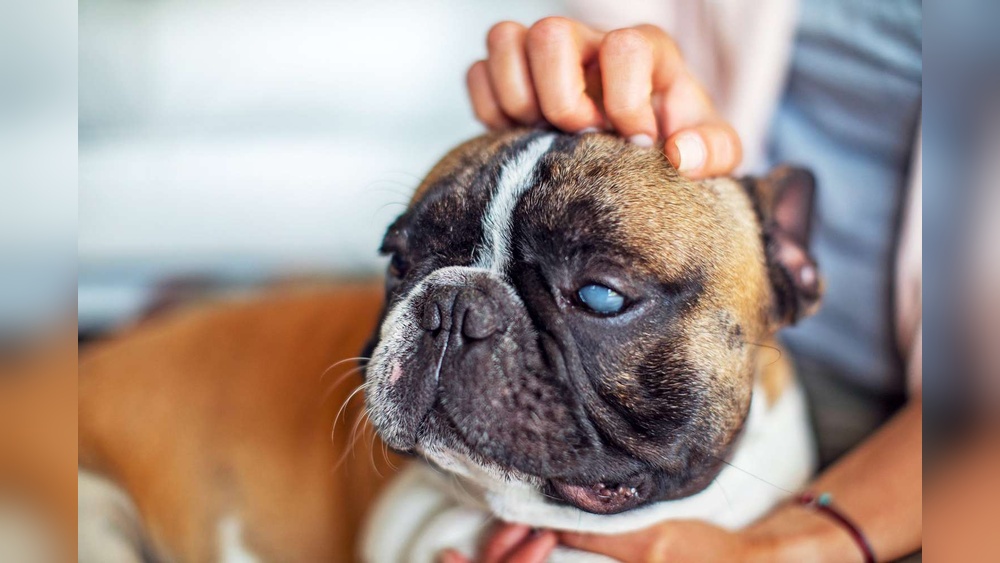
If your dog’s eyes look cloudy, you might feel worried and unsure about what to do next. Cloudy eyes can affect your pet’s vision and comfort, and you want to help them see clearly again.
Choosing the right eye drops is a simple step you can take to ease their discomfort and protect their eyesight. You’ll discover the best eye drops for dogs with cloudy eyes, how to use them safely, and what signs to watch for.
Keep reading to find the solution that can bring back your dog’s bright, clear eyes—and peace of mind for you.
Causes Of Cloudy Eyes In Dogs
Cloudy eyes in dogs can signal different health issues. Understanding the causes helps find the right treatment. Some causes are common and easy to treat. Others need urgent care to save your dog’s vision. Below are some key reasons dogs develop cloudy eyes.
Cataracts
Cataracts occur when the eye lens becomes cloudy. This blocks light from reaching the retina. Dogs with cataracts may have blurry vision or blindness. Older dogs often develop cataracts, but younger dogs can too.
Glaucoma
Glaucoma is high pressure inside the eye. It causes pain and damages the optic nerve. Cloudy eyes happen because the cornea swells. Glaucoma can cause blindness without quick treatment.
Corneal Ulcers
Corneal ulcers are open sores on the eye surface. They cause redness, pain, and cloudiness. Dogs may squint or rub their eyes often. Ulcers happen from injuries or infections.
Uveitis
Uveitis means inflammation inside the eye. It causes redness, pain, and cloudy eyes. This condition can happen from infections, injuries, or immune problems. Uveitis needs prompt treatment to prevent damage.
Nuclear Sclerosis
Nuclear sclerosis happens as dogs age. The lens hardens and looks cloudy but does not blur vision much. It is a normal change and less serious than cataracts. Owners often confuse it with cataracts.
Symptoms To Watch For
Noticing cloudy eyes in your dog can be worrying. Early detection of symptoms helps protect your pet’s vision. Watch closely for signs that suggest eye problems. Acting fast can prevent serious damage and discomfort.
Changes In Eye Appearance
Cloudiness or a white film on the eye surface is a key sign. Redness or swelling around the eyes also matters. Excessive tearing or discharge can indicate irritation. Look for changes in pupil size or shape as well.
Behavioral Signs
Your dog may blink more often or rub its eyes with paws. Squinting or avoiding light shows discomfort. A sudden reluctance to play or explore can mean pain. These behaviors often signal vision issues or eye pain.
Vision Impairment Indicators
Clumsiness or bumping into objects points to vision loss. Hesitation when moving in unfamiliar places is another sign. Difficulty finding toys or food suggests trouble seeing. Watch for these signs to catch problems early.
How Eye Drops Help
Eye drops play a key role in caring for dogs with cloudy eyes. They help ease discomfort and protect the eyes from further damage. Different types of eye drops target specific problems. Understanding how eye drops help can guide you to choose the best option for your dog’s needs.
Reducing Inflammation
Inflammation causes redness and swelling in the eyes. Eye drops with anti-inflammatory ingredients calm this irritation. They reduce pain and help the eye heal faster. Less inflammation means your dog feels more comfortable and can see better.
Lubricating The Eye
Dry eyes often lead to cloudiness and discomfort. Lubricating eye drops add moisture to the surface. They keep the eyes wet and prevent dryness. This helps clear the cloudy appearance and stops further irritation.
Preventing Infection
Cloudy eyes can be a sign of infection. Antibiotic eye drops fight bacteria and stop infections from spreading. These drops protect your dog’s eyes and speed up recovery. Preventing infection is crucial for healthy eyes.
Lowering Eye Pressure
High eye pressure can cause cloudiness and damage. Certain eye drops lower this pressure safely. They help protect the optic nerve and preserve vision. Using these drops keeps your dog’s eyes healthier longer.

Credit: www.entirelypets.com
Top Eye Drops For Cloudy Eyes
Cloudy eyes in dogs can signal discomfort or serious eye problems. Choosing the right eye drops helps ease symptoms and supports healing. Different types of eye drops serve different needs. Some soothe dryness, others fight infection or reduce swelling. Understanding these options guides you to the best care for your dog’s eyes.
Artificial Tears And Lubricants
These drops help keep the eyes moist and comfortable. They protect the eye surface from dryness and irritation. Ideal for dogs with dry eye syndrome or mild cloudiness. They do not treat infections but relieve discomfort. Regular use helps maintain eye health and clarity.
Antibiotic Eye Drops
Antibiotic drops fight bacterial infections causing cloudy eyes. They stop bacteria from growing and spreading. Essential for dogs showing redness, discharge, or pain. Always follow the vet’s instructions for dosage and duration. Early treatment prevents complications and speeds recovery.
Anti-inflammatory Drops
These drops reduce swelling and redness in the eyes. Useful for inflammation caused by allergies or injury. They help improve vision by clearing cloudiness linked to swelling. Steroid and non-steroid types are available. Consult your vet before use to avoid side effects.
Medicated Drops For Glaucoma
Glaucoma increases eye pressure, causing cloudiness and pain. Special drops lower this pressure and protect eye nerves. They slow disease progression and preserve vision. Regular vet checkups are necessary to monitor eye health. Using these drops as prescribed can improve your dog’s comfort.
Choosing The Right Eye Drops
Choosing the right eye drops for dogs with cloudy eyes is important for their health. Not all eye drops work the same. Some can help reduce cloudiness, while others may not be safe. Understanding which eye drops to use helps keep your dog comfortable and protects their vision.
Eye drops for dogs should be selected with care. The wrong type can cause more harm than good. Knowing what to check before buying or using eye drops is key to good care.
Consulting A Veterinarian
Always ask a veterinarian before using any eye drops. They can diagnose the cause of cloudy eyes. A vet will recommend the safest and most effective treatment. Self-medicating can lead to wrong treatment or worsen the condition.
Considering Underlying Conditions
Cloudy eyes may signal different health issues. Some dogs have cataracts, while others have infections or injuries. Eye drops vary based on these problems. Understanding the root cause helps in choosing the right medicine.
Checking For Allergies
Dogs can be allergic to certain eye drops. Look at the ingredients carefully. Avoid drops with harsh chemicals or preservatives. Testing a small amount first can prevent allergic reactions. Watch your dog for redness or swelling after use.

Credit: www.honestpaws.com
Proper Application Techniques
Using eye drops for dogs with cloudy eyes requires care and patience. Proper application helps the medicine work well. It also keeps your dog calm and safe during the process. Follow these simple steps to apply the drops correctly and comfortably.
Preparing Your Dog
Find a quiet place to help your dog stay calm. Gently hold your dog’s head with one hand. Speak softly to soothe your pet. Use a clean cloth to wipe any dirt around the eyes. Wash your hands before touching the drops or your dog’s eyes.
Administering The Drops
Hold the dropper close to your dog’s eye. Avoid touching the eye or eyelashes with the dropper. Use your free hand to gently pull down the lower eyelid. Place the drop inside the pocket formed by the eyelid. Let your dog blink to spread the medicine.
Frequency And Dosage Tips
Follow your vet’s instructions for dosage and timing. Use the exact number of drops prescribed. Do not skip doses or use extra drops. Keep a schedule to remember each application. Watch for any side effects and contact the vet if needed.
When To Seek Emergency Care
Knowing when to seek emergency care for a dog with cloudy eyes is very important. Some eye problems need quick attention. Delaying care can cause serious damage or loss of vision. Watch your dog closely for any signs that need urgent help.
Signs Of Severe Pain
Severe pain in your dog’s eye is a warning sign. Your dog may paw at the eye or shake the head often. Squinting or keeping the eye closed shows discomfort. Sudden crying or whimpering can mean strong pain. Immediate vet care is needed to relieve pain and prevent harm.
Rapid Vision Loss
Cloudy eyes combined with sudden vision loss need fast action. Your dog may bump into objects or act confused. Sudden blindness can happen from infections or injuries. Quick treatment can save your dog’s sight. Don’t wait if you notice fast changes in vision.
Excessive Discharge Or Swelling
Large amounts of discharge or swelling around the eye are serious. Yellow or green pus shows infection. Swollen eyelids or the eye bulging out need urgent care. These signs may mean an abscess or other severe problem. Prompt vet help can stop the issue from worsening.
Preventing Cloudy Eyes In Dogs
Preventing cloudy eyes in dogs helps keep their vision clear and healthy. Cloudy eyes can signal problems like cataracts or infections. Taking simple steps can reduce risks and protect your dog’s sight. Early care and attention make a big difference in eye health.
Focus on regular checkups, injury protection, and overall health. These habits support your dog’s eyes and prevent many common issues.
Regular Eye Checkups
Schedule eye exams with your vet at least once a year. Vets can spot early signs of eye problems. Early detection allows quick treatment before damage occurs. Watch for redness, cloudiness, or unusual discharge. Report any changes to your vet immediately.
Protecting Against Injuries
Keep your dog away from sharp objects or rough play areas. Injuries can cause infections or scarring that lead to cloudy eyes. Use a leash during walks to control your dog’s environment. Avoid exposure to harmful chemicals or smoke. Clean eyes gently if dirt or debris gets in.
Maintaining General Health
Feed a balanced diet rich in vitamins and minerals. Good nutrition supports healthy eyes and immune function. Keep your dog hydrated to maintain eye moisture. Regular exercise helps overall body health, including eyes. Prevent diseases through vaccinations and parasite control.

Credit: www.amazon.com
Frequently Asked Questions
What Causes Cloudy Eyes In Dogs?
Cloudy eyes in dogs can result from cataracts, glaucoma, corneal damage, or aging. Early diagnosis is crucial to prevent vision loss.
Are Eye Drops Safe For Dogs With Cloudy Eyes?
Yes, certain vet-approved eye drops are safe and effective. Always consult a veterinarian before using any eye medication on your dog.
How Do Eye Drops Help Cloudy Eyes In Dogs?
Eye drops can reduce inflammation, relieve dryness, and treat infections. They improve eye comfort and may slow cloudiness progression.
Can Cloudy Eyes In Dogs Be Cured?
Treatment depends on the cause. Some conditions like cataracts may require surgery, while others improve with medication and eye care.
Conclusion
Choosing the right eye drops can help your dog’s cloudy eyes heal. Always check the ingredients and follow the vet’s advice. Regular use can reduce discomfort and improve vision. Watch your pet closely for any changes or side effects. Healthy eyes mean a happier and more active dog.
Taking care of your dog’s eyes is a small step with big rewards. Simple care today can protect your dog’s sight tomorrow. Keep your furry friend comfortable and safe with proper eye care.