
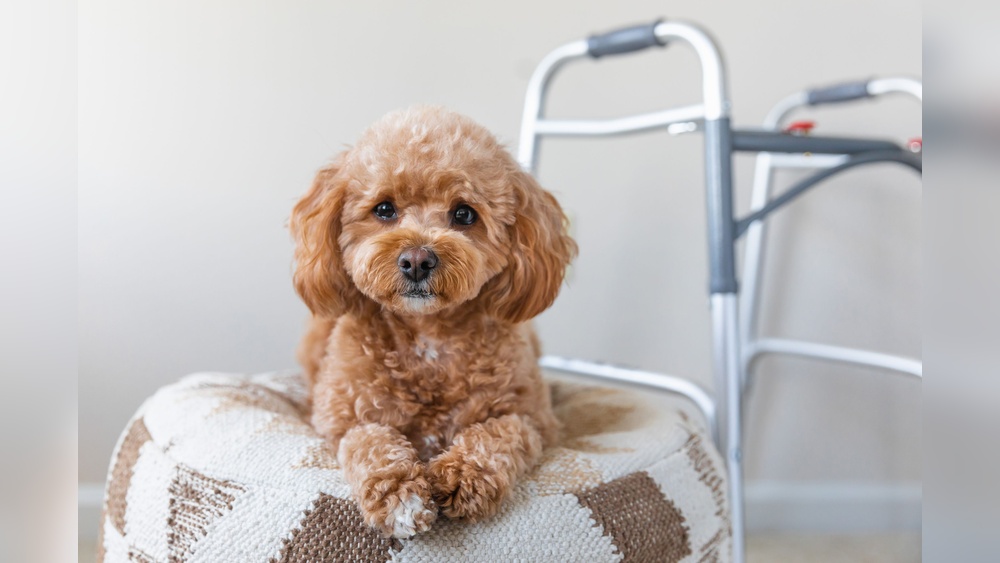
Finding the perfect dog to share your life with after 60 can bring more joy, comfort, and companionship than you might expect. But choosing the right breed matters—a dog that fits your lifestyle, energy level, and needs can make all the difference.
If you want a furry friend who is easy to care for, loving, and a true partner in your golden years, this guide is made just for you. Keep reading to discover the best dogs for seniors over 60, and find out how the right dog can brighten every day.
Benefits Of Dogs For Seniors
Dogs bring many benefits to seniors over 60. They offer more than just company. These pets improve life in several ways. Seniors with dogs often feel happier and healthier.
Choosing the right dog helps seniors enjoy life more fully. Dogs encourage activity and build routines. They also help reduce feelings of loneliness. The bond between a dog and its owner is strong and meaningful.
Emotional Support And Companionship
Dogs provide constant emotional support. Their presence reduces stress and anxiety. Seniors often feel less lonely with a dog nearby. Talking to a dog can lift moods instantly. The bond creates a deep sense of comfort and trust.
Physical Activity And Health
Walking a dog encourages regular exercise. Physical activity helps maintain strength and balance. Dogs motivate seniors to go outside daily. This movement improves heart health and stamina. Active seniors often enjoy better sleep and energy.
Routine And Social Interaction
Caring for a dog creates a daily routine. Feeding, walking, and playing give structure to the day. Dogs also help seniors meet new people. Parks and pet events offer chances to socialize. These interactions reduce isolation and boost happiness.
Key Traits For Senior-friendly Dogs
Choosing the right dog for seniors over 60 requires focus on special traits. These traits make life easier and more joyful for older adults. The right dog fits well with a senior’s lifestyle and energy level. Understanding key traits helps find a dog that brings comfort and companionship.
Low Maintenance Needs
Dogs with low maintenance needs suit seniors best. They require less grooming, exercise, and special care. Short-haired breeds often need less brushing and cleaning. A dog that adapts easily to indoor life saves energy. Simple care routines prevent stress and extra work.
Calm Temperament
A calm dog creates a peaceful home environment. Dogs that stay relaxed and gentle reduce anxiety. They don’t jump or bark excessively. Calm breeds enjoy quiet time and gentle walks. Such behavior matches well with slower daily routines.
Manageable Size
Smaller or medium-sized dogs are easier to handle. They weigh less and need less space. Carrying or lifting a small dog is safer for seniors. Smaller dogs fit better in apartments or smaller homes. Manageable size means fewer challenges during walks or vet visits.
Good Health And Longevity
Healthy dogs live longer and need fewer vet trips. Choosing breeds with strong health reduces medical costs. Longevity means more years of friendship and love. Good health also means more active and happy dogs. Senior owners benefit from a dog that ages well.
Top Small Dog Breeds For Seniors
Small dogs often make the best companions for seniors over 60. Their size is easy to manage, and their needs fit well with a slower pace of life. These breeds offer comfort, friendship, and gentle activity without demanding too much energy. They also adapt well to apartment living and smaller homes.
Here are some top small dog breeds that seniors tend to love. Each breed has unique traits that suit different lifestyles and personalities.
Cavalier King Charles Spaniel
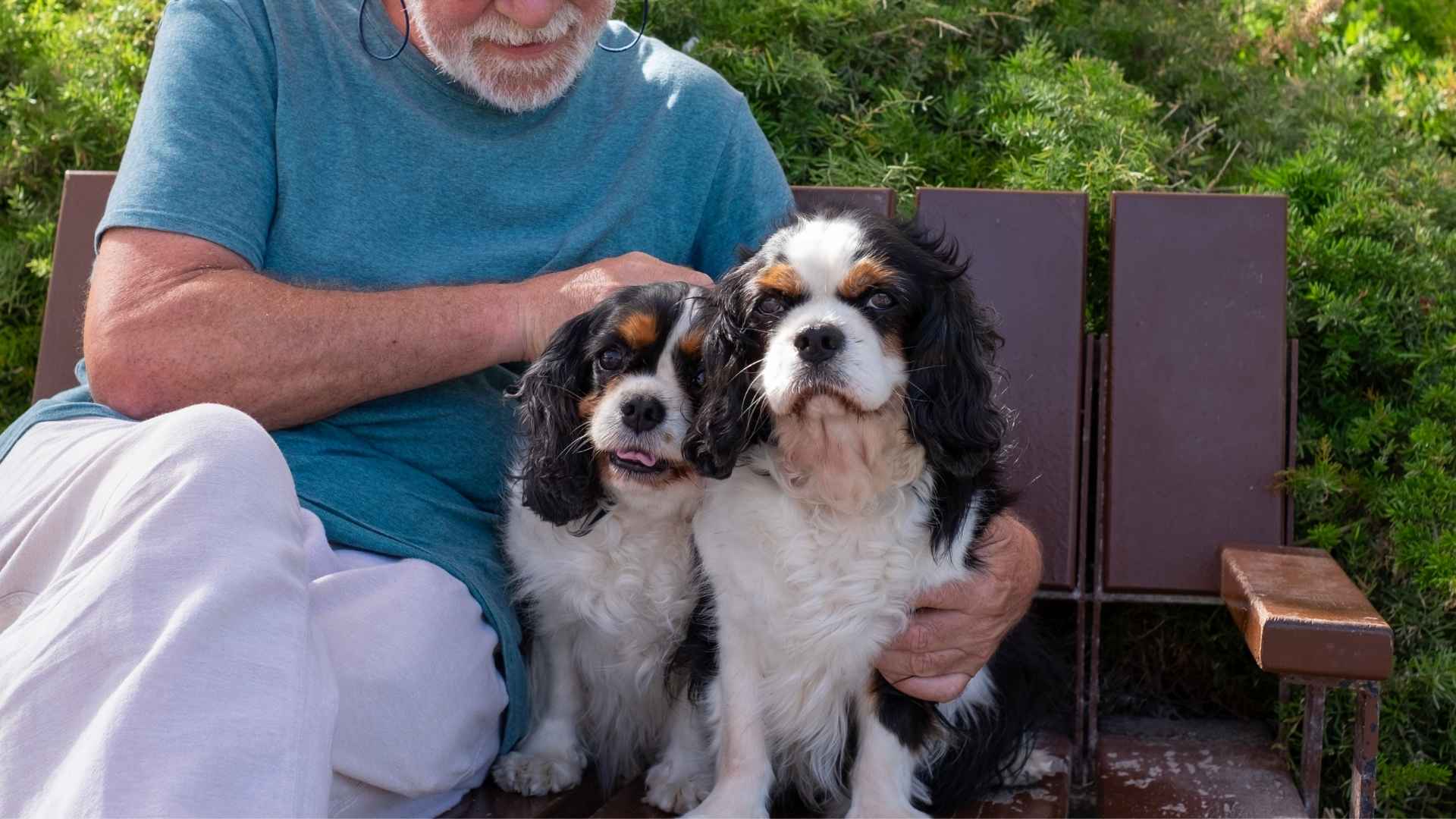
The Cavalier King Charles Spaniel is calm and affectionate. This breed loves to cuddle and enjoys quiet time with their owner. They are gentle and good with other pets. Their small size makes them easy to carry or hold. They need regular short walks and love to be part of family life.
Pug
Pugs are friendly and full of character. They have a playful spirit but also love to relax. Their flat faces mean they do best in cool environments. Pugs are great for seniors who want a dog with a big heart but small body. They do not require much exercise but enjoy daily strolls.
Shih Tzu
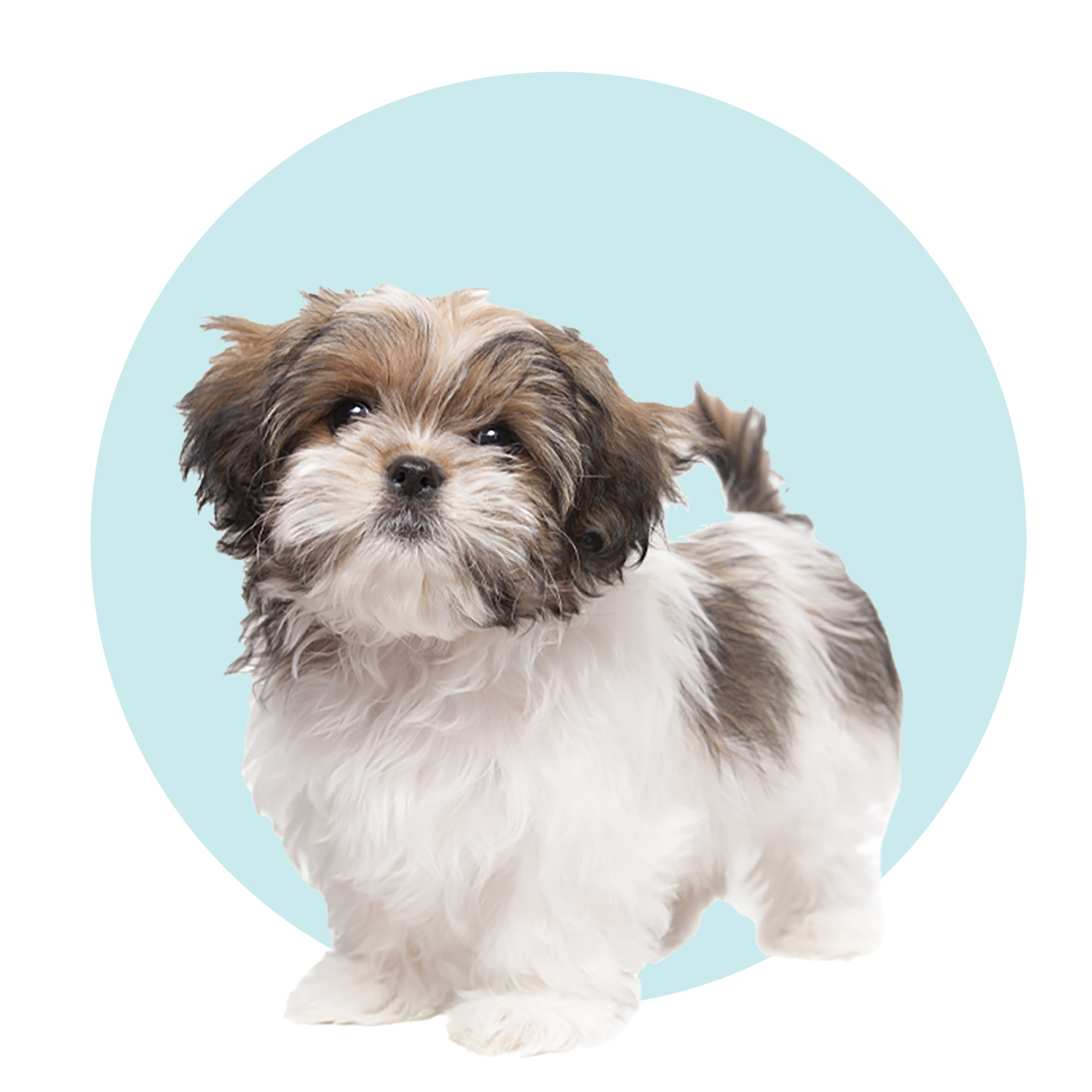
Shih Tzus are known for their sweet nature and loyalty. They have a long, beautiful coat but need regular grooming. These dogs are sturdy and adapt well to indoor living. Shih Tzus enjoy short play sessions and lots of lap time. They are quiet and make great companions for seniors who like calm pets.
Maltese
The Maltese is a small dog with a big personality. They are lively but not overly active. Maltese dogs love attention and respond well to gentle training. Their white coats require care but not heavy exercise. They fit well in smaller homes and enjoy being close to their owners.
Credit: www.storypoint.com
Best Medium And Large Breeds For Seniors
Choosing the right dog breed can bring joy and companionship for seniors over 60. Medium and large dogs offer a great balance of energy and calmness. They can be lively but also gentle and easy to train. These breeds often enjoy daily walks and give plenty of love in return. They fit well with seniors who want an active but manageable pet.
Here are some of the best medium and large dog breeds suited for seniors. Each has unique traits that make them wonderful friends and companions.
Labrador Retriever
Labradors are friendly and loyal dogs. They have a calm nature and love to please. Their moderate energy helps seniors stay active without too much strain. Labradors are easy to train and enjoy socializing. They adapt well to different living spaces and routines.
Golden Retriever
Golden Retrievers are gentle and patient dogs. They have a warm personality that suits seniors well. Their size is perfect for those who want a larger pet but with a soft temperament. These dogs need regular walks and enjoy calm playtime. Their affectionate nature makes them great companions.
Greyhound
Greyhounds are surprisingly low-energy indoors. They enjoy short bursts of running but rest most of the day. Their slim build and quiet nature make them easy to care for. Greyhounds are gentle and rarely aggressive. They bond closely with their owners and love comfort.
Basset Hound
Basset Hounds have a calm and easygoing personality. Their slower pace suits seniors who prefer gentle walks. These dogs are very loyal and love to be near their owners. Their unique look and steady nature make them charming pets. Bassets are good for quiet homes and patient owners.
Adopting Senior Dogs For Senior Owners
Adopting a senior dog can bring joy and companionship to seniors over 60. These dogs often have calm temperaments and know basic manners. They fit well into quieter lifestyles and offer loyal friendship. Choosing a senior dog can be a rewarding decision for older adults seeking a gentle pet.
Advantages Of Senior Dogs
Senior dogs are usually calmer than puppies. They have settled personalities and less energy. These dogs often require less supervision and fewer walks. Their health is more predictable, making care easier. Many senior dogs are already house-trained. They provide comfort without the chaos of young dogs.
Matching Energy Levels
Seniors and older dogs often share similar energy needs. Both prefer short walks and relaxed time at home. This match reduces stress for both owner and dog. It creates a peaceful daily routine. A senior dog won’t demand too much exercise or play. This balance helps maintain a happy household.
Ease Of Training
Senior dogs usually know basic commands and good behavior. Training a senior dog takes less time than a puppy. They are less likely to chew or jump excessively. Many have experience living with families or other pets. This experience makes adapting to a new home easier. Older dogs respond well to gentle, consistent training methods.
Preparing For A Dog As A Senior
Getting a dog as a senior can bring joy and companionship. It needs some careful planning to make life safe and comfortable. Preparing well helps both you and your new pet enjoy each day together.
Home Safety Adjustments
Remove any loose rugs or wires that might cause falls. Make sure floors are clean and dry. Place dog beds in quiet, easy-to-reach spots. Keep food and water bowls at a comfortable height. Use gates to block stairs or unsafe areas. Bright lights in hallways help you and your dog move safely.
Health Considerations
Choose a dog with a calm nature and low energy needs. Small or medium dogs often suit seniors best. Regular walks keep both of you active but avoid long or hard routes. Watch your dog’s health closely for changes in behavior or appetite. Prepare for grooming and vet visits to keep your dog healthy.
Choosing The Right Veterinarian
Find a vet who understands senior pet needs. A good vet offers advice on diet and exercise. They help manage any health problems early. Choose a vet close to your home for easy visits. Building a trusting relationship with your vet makes care easier.
Daily Care Tips For Senior Dog Owners
Daily care is vital for senior dog owners. Older dogs need special attention to stay healthy and happy. Small changes in their routine can improve their quality of life. Understanding their needs helps owners provide better care.
Exercise And Mobility
Exercise keeps senior dogs active and strong. Short, gentle walks help their joints. Avoid hard running or jumping to prevent injuries. Help your dog move with soft bedding and ramps. Massage can ease stiffness and improve circulation.
Diet And Nutrition
Older dogs need balanced, easy-to-digest food. Choose diets lower in calories but rich in nutrients. Protein supports muscle health. Omega-3 fatty acids help with inflammation and coat shine. Fresh water should always be available for hydration.
Regular Vet Visits
Vet check-ups catch health issues early. Schedule visits twice a year for senior dogs. Vaccinations and dental care remain important. Discuss any changes in behavior or appetite with your vet. Early treatment improves comfort and longevity.
Credit: worldanimalfoundation.org

Credit: www.purewow.com
Frequently Asked Questions
What Dog Breeds Are Best For Seniors Over 60?
Small to medium breeds with gentle temperaments suit seniors best. Examples include Cavalier King Charles Spaniels, Pugs, and Shih Tzus. These dogs require moderate exercise and offer loyal companionship, making them ideal for older adults seeking manageable care and affection.
How Do I Choose A Dog Suitable For My Age?
Consider energy level, size, and grooming needs when selecting a dog. Seniors often prefer calm, smaller breeds that need less exercise and grooming. Matching a dog’s personality with your lifestyle ensures a healthy, happy relationship for both.
Are Low-maintenance Dogs Better For Elderly Owners?
Yes, low-maintenance dogs usually require less grooming and exercise. This makes them easier for seniors to care for daily. Breeds like Bichon Frises or French Bulldogs fit this category, providing companionship without overwhelming responsibilities.
Can Adopting A Senior Dog Benefit Older Adults?
Absolutely, senior dogs often have calmer temperaments and lower energy. They require less training and can bond quickly with owners. Adopting a senior dog is rewarding and suits the lifestyle of many older adults perfectly.
Conclusion
Choosing the right dog brings joy and comfort after 60. Small or calm breeds suit seniors best. They require less exercise and are easy to care for. Dogs offer companionship and help reduce loneliness. A friendly pet encourages daily walks and fresh air.
Think about your lifestyle before picking a dog. A good match means happy years together. Enjoy the love and loyalty dogs freely give. Simple, gentle pets can brighten every day. Find a furry friend that fits your life well.


