
Is your dog’s bad breath making you hold your nose every time they get close? You’re not alone, and the good news is, you don’t have to accept it as normal.
Freshening your dog’s breath isn’t just about comfort—it’s about their health. You’ll discover the best treatment for dog breath that really works. Imagine enjoying cuddles without the unpleasant smell and knowing you’re helping your furry friend stay healthy. Keep reading to find out how simple changes can make a big difference for your dog’s breath and overall well-being.

Credit: www.visco-foam.com
Causes Of Bad Dog Breath
Bad breath in dogs is a common problem that worries many pet owners. Understanding the causes helps to find the best treatment. Several factors can lead to unpleasant odors coming from your dog’s mouth. Knowing these helps keep your dog healthy and happy.
Dental Disease
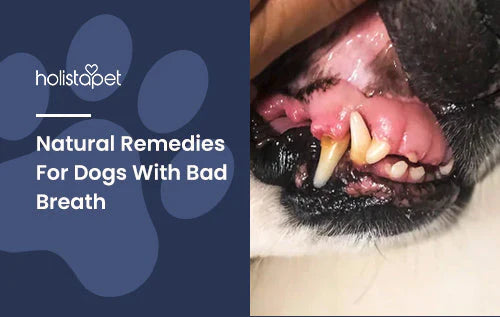
Dental disease is the top cause of bad dog breath. Plaque and tartar build-up create bacteria. These bacteria cause infections and bad smells. Gingivitis and tooth decay worsen the problem. Regular dental care is important to prevent this.
Diet And Eating Habits
The type of food your dog eats affects breath odor. Some diets cause stronger smells than others. Dogs that eat garbage or spoiled food often have bad breath. Chewing on dirty objects also adds to the problem.
Underlying Health Issues
Health problems can cause bad breath too. Kidney disease, diabetes, and liver problems affect mouth odor. These conditions produce chemicals that smell bad. A vet check-up helps find hidden health issues early.
Poor Oral Hygiene
Not cleaning your dog’s teeth leads to bad breath. Food particles stay in the mouth and rot. Lack of brushing or dental treats lets bacteria grow. Good oral hygiene keeps breath fresh and teeth strong.
Credit: www.holistapet.com
Signs Your Dog Needs Breath Care
Bad breath in dogs is more than just a nuisance. It often signals a health problem that needs care. Knowing the signs your dog needs breath care helps you act early. Watch your dog closely for these clear symptoms.
Persistent Bad Odor
Strong, bad breath that does not go away is a warning sign. It may come from bacteria growing in the mouth. This odor can smell sour or rotten. Regular brushing should reduce smells. Persistent bad breath means deeper issues.
Excessive Drooling
Drooling more than usual can show mouth discomfort. Your dog may drool because of pain or infection. Excess saliva can also trap food and bacteria. This makes bad breath worse. Notice if drooling is unusual or sudden.
Difficulty Eating
Your dog may have trouble chewing or eating. They might drop food or avoid hard treats. Pain in the mouth or teeth can cause this. Eating less or slower is a red flag. This problem often links to dental issues.
Inflamed Gums
Look inside your dog’s mouth for red, swollen gums. Healthy gums are pink and firm. Inflamed gums may bleed or hurt when touched. This shows gum disease, which causes bad breath. Treating gum problems helps freshen breath quickly.
Daily Oral Care Tips
Good daily oral care helps keep your dog’s breath fresh. It also prevents dental problems. Small habits make a big difference in your dog’s health. Here are easy tips for daily care.
Brushing Your Dog’s Teeth
Brush your dog’s teeth gently every day. Use a soft-bristled toothbrush made for dogs. Start slow to help your dog get used to brushing. Clean all teeth, especially near the gums. This removes plaque and prevents bad breath.
Using Dental Chews
Give your dog dental chews daily. Chews help remove food stuck between teeth. They also reduce plaque build-up. Choose chews that are safe and approved by vets. Chews make oral care fun for your dog.
Choosing The Right Dog Toothpaste
Use toothpaste made just for dogs. Human toothpaste can harm your pet. Dog toothpaste comes in flavors dogs like. It also contains ingredients to fight bad breath. Choose one that is safe and effective.
Regular Vet Dental Checkups
Visit the vet for dental checkups twice a year. Vets check for dental diseases and clean teeth deeply. Early care stops serious problems. These visits keep your dog’s mouth healthy and breath fresh.
Dietary Solutions For Fresh Breath
Diet plays a big role in keeping your dog’s breath fresh. Certain foods and diets help reduce bad odors and improve oral health. Choosing the right diet supports clean teeth and healthy gums. This section explains simple ways to improve dog breath through food choices.
Specialized Dental Diets
Specialized dental diets are made to clean teeth while dogs eat. These diets often have larger kibble that scrapes plaque off teeth. Some include ingredients that reduce tartar buildup. Feeding these diets regularly helps lower bad breath and dental issues.
Fresh Foods And Ingredients
Fresh foods like carrots, apples, and green beans help clean teeth naturally. Crunchy textures remove food particles stuck between teeth. Fresh ingredients also provide vitamins that support gum health. Adding these foods to meals can improve breath and overall health.
Avoiding Harmful Treats
Some treats contain sugars and fillers that cause bad breath. Avoid giving sweets, processed snacks, or leftover human food. These can increase bacteria in the mouth and harm teeth. Choose treats made for dental health or simple, natural options instead.
Supplements For Oral Health
Oral health supplements come in powders, chews, or liquids. They reduce plaque and fight bacteria that cause bad breath. Some contain enzymes or probiotics to balance mouth bacteria. Regular use of these supplements supports fresh breath and cleaner teeth.
Professional Treatments
Professional treatments offer effective solutions for dog breath problems. These treatments target the root causes of bad odor in your dog’s mouth. They also improve overall oral health and comfort. Regular professional care keeps your dog’s breath fresh and teeth healthy.
Dental Cleaning Procedures
Dental cleaning removes plaque and tartar from your dog’s teeth. This process happens under anesthesia for safety. The vet cleans above and below the gum line. Polishing smooths teeth to prevent future buildup. Clean teeth reduce bacteria that cause bad breath.
Treatment For Gum Disease
Gum disease leads to inflammation and bad breath. Vets check for signs like redness and swelling. Treatment includes deep cleaning and antibiotics. Severe cases may require tooth removal. Early treatment stops disease from worsening. Healthy gums mean fresher breath and less pain.
Addressing Underlying Health Problems
Bad breath can come from other health issues. Problems like kidney disease or diabetes affect breath odor. Vets run tests to find hidden illnesses. Treating these conditions improves your dog’s breath. Regular check-ups help spot issues early. Good health supports fresh breath and a happy pet.
Home Remedies That Work
Bad breath in dogs can be uncomfortable for both pets and owners. Simple home remedies can help improve your dog’s breath naturally. These remedies support oral health without harsh chemicals. They are easy to use and safe for most dogs.
Natural Breath Fresheners
Fresh herbs like parsley and mint can help reduce bad breath. These herbs contain natural oils that fight odor-causing bacteria. You can chop fresh leaves and mix them into your dog’s food. Small amounts are enough to freshen breath and add flavor.
Carrots and apples also act as natural breath fresheners. They help clean teeth by scraping away plaque as your dog chews. Crunchy fruits and veggies are a healthy treat and promote better oral hygiene.
Safe Homemade Dental Rinses
Dental rinses made from simple ingredients can reduce bacteria in your dog’s mouth. A diluted solution of water and baking soda works well. Use one teaspoon of baking soda in one cup of water. Swish gently in your dog’s mouth with a soft cloth or syringe.
Chamomile tea is another safe rinse option. It soothes gums and lowers bacteria levels. Brew a weak tea, cool it, and apply with a cloth or spray bottle. Rinsing helps maintain a cleaner mouth and fresher breath.
Herbs And Oils For Oral Care
Herbs like neem and rosemary have antibacterial properties. These can help control plaque and reduce bad breath. You can find neem oil or rosemary extract in pet-safe products or add small amounts to food.
Coconut oil is popular for oral care. It fights bacteria and supports gum health. Rub a small amount on your dog’s gums or mix it into meals. Oils should be used in moderation to avoid stomach upset.
Products To Freshen Dog Breath
Bad breath in dogs is a common problem. It can come from food, bacteria, or dental issues. Using the right products helps keep your dog’s breath fresh. These products work by killing bacteria or masking bad smells. They also support your dog’s oral health.
Choosing the right freshening product depends on your dog’s needs and preferences. Some dogs prefer sprays, while others like chew toys. Oral gels and powders are another option. Each product has its own benefits and use methods.
Breath Freshening Sprays
Breath freshening sprays are quick and easy to use. Spray a small amount in your dog’s mouth. They often contain ingredients that kill odor-causing bacteria. Many sprays also have mint or natural flavors. These sprays provide immediate fresh breath and reduce plaque build-up.
Oral Gels And Powders
Oral gels and powders mix with your dog’s food. They work from inside the mouth to fight bad breath. These products help reduce bacteria and improve gum health. Gels can be applied directly to teeth and gums. Powders are simple to sprinkle on dry or wet food.
Chew Toys With Dental Benefits
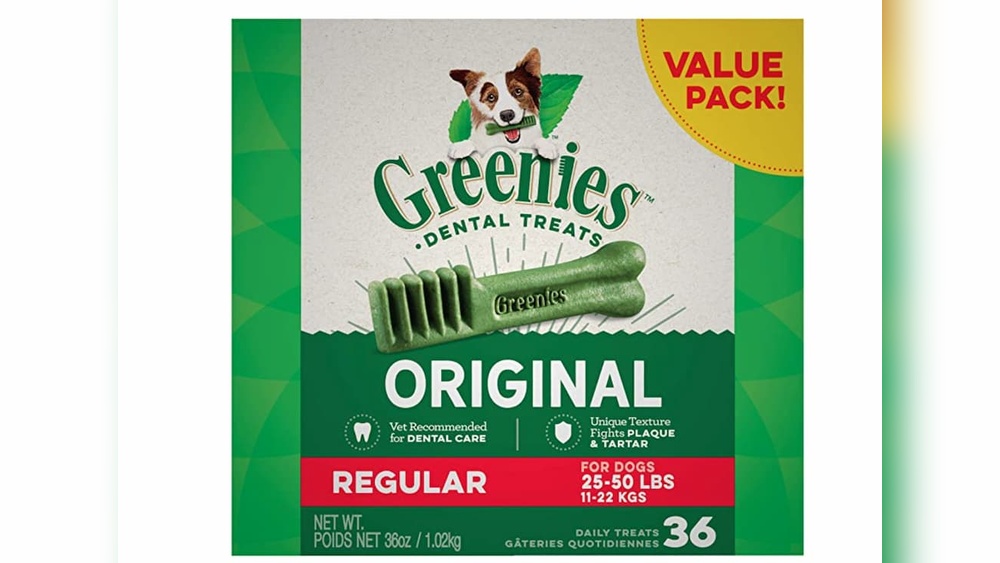
Chew toys clean your dog’s teeth while they play. They scrape away plaque and reduce bacteria. These toys also massage gums and freshen breath naturally. Chew toys come in different textures and sizes. Choose one that suits your dog’s chewing style and size.

Credit: www.amazon.ae
Preventing Bad Breath Long-term
Preventing bad breath in dogs takes steady care and attention. Fresh breath shows good health and keeps your pet comfortable. Building healthy habits helps avoid oral problems later.
Consistent Oral Hygiene Routine
Brush your dog’s teeth daily with a pet-safe toothpaste. This removes plaque and food bits that cause bad smell. Use a soft brush and gentle strokes. Regular brushing lowers bacteria and keeps gums healthy.
Monitoring Diet And Treats
Feed your dog balanced meals with proper nutrients. Avoid sugary or sticky foods that harm teeth. Choose dental treats designed to clean teeth. These treats help reduce tartar and freshen breath naturally.
Regular Vet Visits
Schedule dental checkups twice a year with your vet. Vets spot early signs of dental disease and treat them quickly. Professional cleanings remove stubborn plaque and tartar. Regular visits keep your dog’s mouth healthy and breath fresh.
Frequently Asked Questions
What Is The Best Treatment For Dog Bad Breath?
The best treatment for dog bad breath is regular dental care. Brushing your dog’s teeth daily helps remove plaque. Dental chews and professional cleanings are also effective. Additionally, a balanced diet supports oral health and fresher breath.
How Often Should I Clean My Dog’s Teeth?
You should clean your dog’s teeth daily or at least several times a week. Regular brushing prevents plaque buildup and bad breath. Using dog-specific toothpaste is important. Consistency ensures better oral hygiene and reduces the risk of dental disease.
Can Diet Affect My Dog’s Breath?
Yes, diet plays a key role in your dog’s breath. Feeding high-quality, balanced food reduces odor-causing bacteria. Avoid sugary treats and table scraps. Dental-specific diets can help maintain oral health and improve breath freshness.
When Should I See A Vet For Dog Breath Issues?
Visit a vet if bad breath persists beyond home care. Persistent odor may indicate dental disease or other health problems. Early vet visits prevent complications and ensure proper diagnosis and treatment.
Conclusion
Bad breath in dogs often signals an underlying problem. Regular brushing and dental chews help keep breath fresh. Healthy food and clean water also support good oral health. Visit your vet for check-ups and advice. Treating breath issues early avoids bigger problems later.
Fresh breath makes your dog happier and healthier. Simple care routines work best for lasting results. Keep your dog’s smile bright and breath clean every day.


