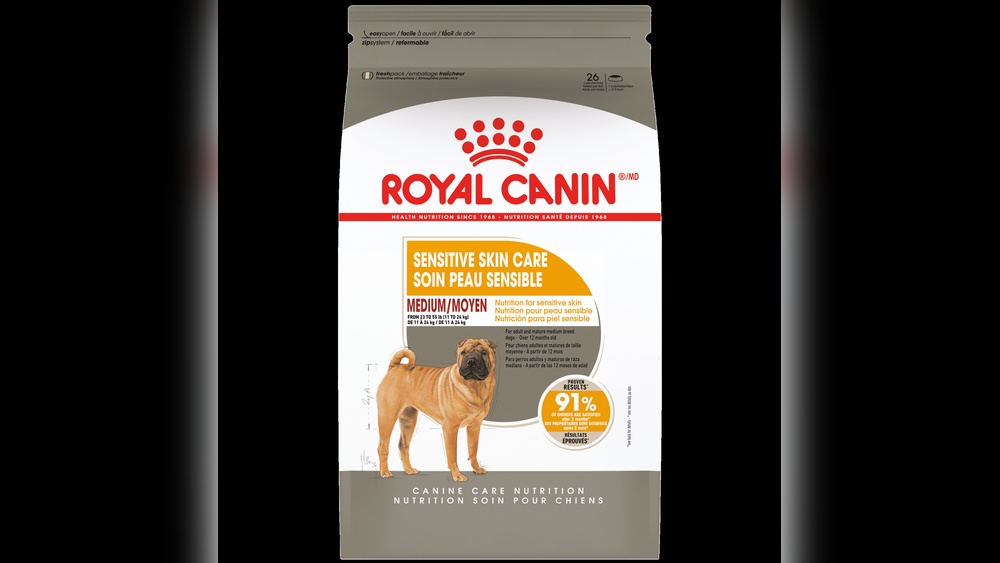
If your dog’s skin gets red, itchy, or flaky, you know how tough it can be to watch them uncomfortable. Finding the right food could be the key to soothing your furry friend’s sensitive skin.
You want something that not only tastes good but also helps reduce irritation and keeps their coat shiny and healthy. You’ll discover the best foods specially designed for dogs with sensitive skin—foods that can make a real difference in your pet’s comfort and happiness.
Keep reading to learn how you can help your dog feel their best every day.
Credit: www.visco-foam.com
Causes Of Sensitive Skin In Dogs
Sensitive skin in dogs causes discomfort and itching. It affects their health and happiness. Understanding what triggers sensitive skin helps in choosing the best food. It also guides proper care and treatment. Causes vary from allergies to diet and environment. Each factor plays a role in skin health.
Common Allergens
Allergens often cause skin problems in dogs. Dust mites, pollen, and mold can irritate skin. Flea bites are a frequent allergen too. Dogs may scratch or bite their skin. Allergic reactions cause redness and inflammation. Identifying allergens helps to avoid them.
Environmental Factors
Weather and surroundings affect dog skin. Dry air can cause flaky skin. Hot weather may lead to rashes and sweat irritation. Chemicals in cleaning products or lawn treatments also harm skin. Rough surfaces or frequent baths strip natural oils. These factors weaken the skin’s protective barrier.
Diet And Sensitivity
Food can trigger skin sensitivity in dogs. Some dogs react to certain proteins or ingredients. Common triggers include beef, dairy, and wheat. Poor nutrition worsens skin condition. A balanced diet with limited ingredients supports skin health. High-quality food reduces allergic reactions and soothes skin.
Key Nutrients For Healthy Skin
Healthy skin keeps sensitive dogs comfortable and happy. Certain nutrients help protect and repair their skin. These key nutrients support skin health and reduce irritation. Feeding the right diet helps maintain a shiny coat and less itching.
Omega Fatty Acids
Omega fatty acids, like omega-3 and omega-6, are vital for skin health. They reduce inflammation and help heal dry, itchy skin. These fats keep the skin hydrated and soft. Fish oil, flaxseed oil, and certain meats are good sources.
Vitamins And Minerals
Vitamins A, E, and zinc play important roles in skin repair and protection. Vitamin A supports cell growth and renewal. Vitamin E acts as an antioxidant to fight skin damage. Zinc helps the skin heal and stay strong. Including these nutrients improves overall skin condition.
Protein Sources
High-quality proteins supply amino acids needed for skin repair. Proteins from chicken, turkey, or fish are gentle on sensitive dogs. They help build healthy skin and a strong coat. Avoid proteins that often cause allergies, such as beef or dairy, for sensitive skin dogs.
Top Ingredients To Look For
Choosing the right ingredients helps keep sensitive skin dogs healthy. Some ingredients can soothe skin and reduce irritation. Others might cause allergies or worsen skin problems. Knowing which ingredients to select is key to supporting your dog’s skin health. Here are the top ingredients to look for in dog food for sensitive skin.
Limited Ingredient Diets
Limited ingredient diets contain fewer ingredients. This helps identify and avoid allergens. These diets reduce the chance of skin reactions. They often use simple, natural components. Less complexity means less chance of irritation. Great for dogs with food sensitivities.
Novel Proteins
Novel proteins are rare or new protein sources for dogs. Examples include duck, venison, or kangaroo. These proteins are less likely to cause allergies. They provide essential nutrients without triggering skin issues. Novel proteins support better digestion and skin health.
Grain-free Options
Grain-free dog foods remove common grains like wheat and corn. Some dogs have grain allergies or intolerances. Grain-free diets can help reduce itching and redness. These foods often use vegetables or legumes instead. Grain-free options offer an alternative for sensitive skin dogs.
Recommended Dog Foods For Sensitive Skin
Choosing the right food helps dogs with sensitive skin feel better. Food affects their skin health and comfort. The best foods reduce allergies and soothe irritation. This guide lists top dog food types for sensitive skin. It covers dry kibble, wet food, and homemade meals.
Dry Kibble Choices
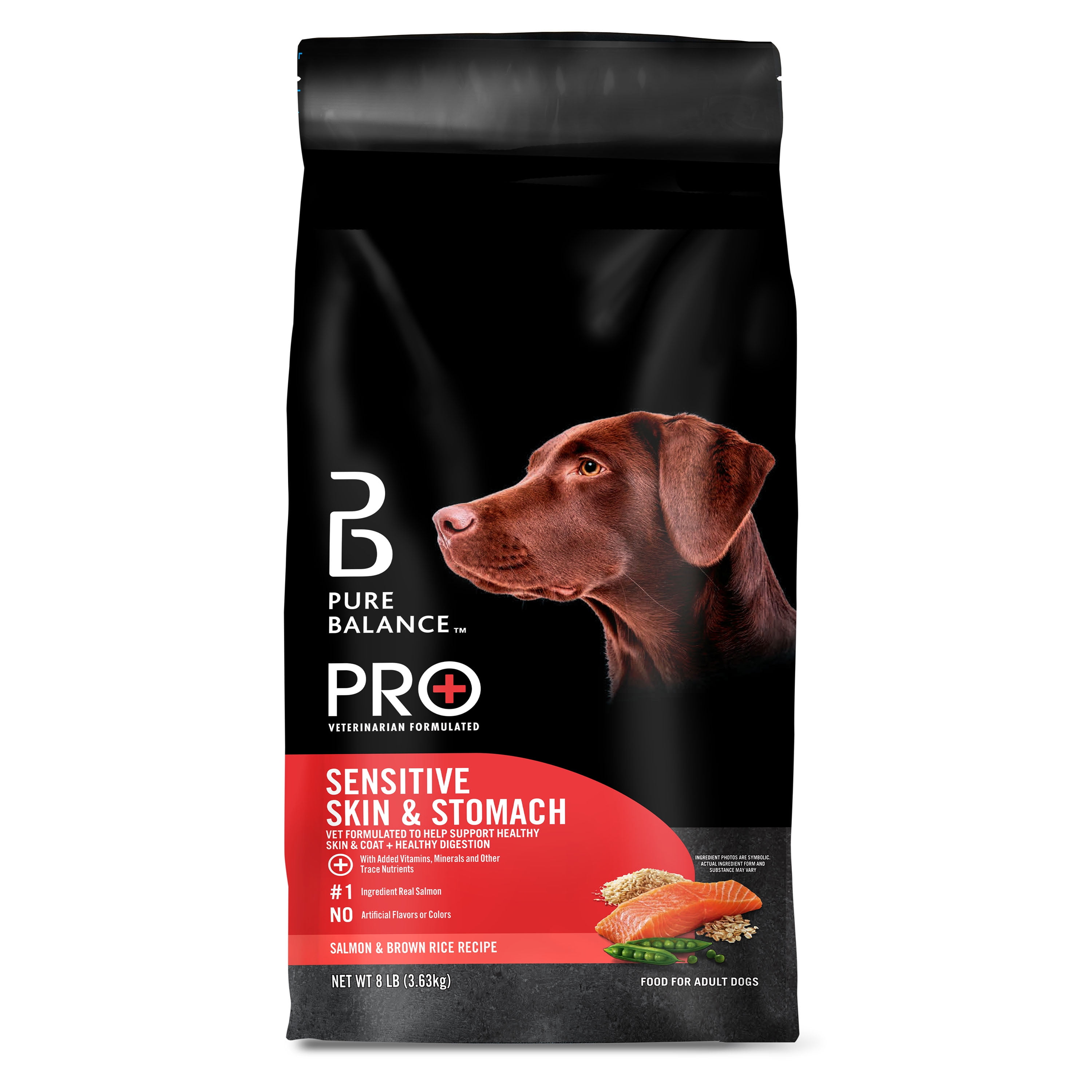
Dry kibble is easy to store and feed. Look for kibble with limited ingredients. Single protein sources like salmon or duck work well. Grain-free options avoid common allergens such as wheat or corn. Choose kibble with added omega-3 fatty acids to support skin health. Avoid artificial colors and preservatives that may cause irritation.
Wet Food Options
Wet food has more moisture, which helps hydration. It often contains fewer fillers than dry kibble. Select wet food with simple, natural ingredients. Protein should be clear and high quality, such as turkey or lamb. Avoid foods with soy, gluten, or dairy. Check labels for added vitamins that help skin repair.
Homemade Meal Ideas
Homemade meals allow control over ingredients. Use lean meats like chicken or fish for protein. Add cooked vegetables like carrots or green beans for vitamins. Include small amounts of rice or sweet potato for energy. Avoid onions, garlic, and other toxic foods. Homemade meals need balance, so consult a vet for recipes.
Foods To Avoid For Sensitive Skin Dogs
Choosing the right food for dogs with sensitive skin is very important. Some foods can cause irritation or allergic reactions. Avoiding certain ingredients helps keep your dog comfortable and healthy. Knowing which foods to avoid can protect your dog’s skin and improve their overall health.
Common Allergens In Dog Food
Many dogs with sensitive skin react to common allergens. Ingredients like beef, chicken, dairy, and wheat often cause issues. These allergens can trigger itching, redness, and rashes. Fish and eggs are also known to cause reactions in some dogs. Reading labels carefully helps avoid these triggers. A simple diet with limited ingredients often works best.
Artificial Additives And Preservatives
Artificial additives can worsen sensitive skin problems. Colors, flavors, and preservatives may cause allergies or skin irritation. Chemicals like BHA, BHT, and ethoxyquin are common preservatives to avoid. Natural or organic dog foods usually do not contain these additives. Choosing foods free from artificial substances supports healthier skin and reduces flare-ups.
:strip_icc()/oneplus_sensitive-c831eb0f80914383989f1ccf8b2bd528.jpeg)
Credit: opencontabilidade.com
Tips For Transitioning To New Food
Changing your dog’s food can be tricky, especially for sensitive skin dogs. A sudden switch may upset their stomach or cause skin problems. Taking steps to move to new food carefully helps your dog adjust smoothly. This reduces risks and supports better health.
Gradual Introduction
Start by mixing a small amount of new food with the old food. Use about 25% new food and 75% old food for the first few days. Slowly increase the new food portion over 7 to 10 days. This gentle change helps the dog’s digestive system adapt. Avoid sudden changes to prevent stomach upset and skin flare-ups.
Monitoring Skin Reactions
Watch your dog’s skin closely during the transition. Look for redness, itching, or dryness. Any worsening of symptoms may mean the new food is not suitable. Keep a daily log of skin condition and behavior. Consult your vet if you notice any negative changes. Early detection helps manage skin problems quickly.
Supplement Options For Skin Support
Supplements can boost your dog’s skin health. They help reduce irritation and dryness. Supplements support healing and improve coat shine. These options work well with a good diet and vet care.
Fish Oil And Omega-3s
Fish oil is rich in Omega-3 fatty acids. These fats reduce inflammation in the skin. They help calm redness and itching. Regular use can improve coat softness and shine. Fish oil supports overall skin barrier health. It is safe for most dogs but check with your vet first.
Probiotics And Digestive Health
Probiotics improve your dog’s gut health. A healthy gut helps the skin stay strong. These good bacteria reduce allergic reactions and skin problems. Probiotics also boost your dog’s immune system. Choose high-quality probiotics made for dogs. They can be added to food or given as treats.
:strip_icc()/Spruce-best-dog-food-for-allergies-4173781-024027f06d344cd8acf7267d38694fa3.jpg)
Credit: onedesignmarketing.com.br
Frequently Asked Questions
What Are The Best Ingredients For Sensitive Skin Dog Food?
Foods with limited ingredients like salmon, sweet potatoes, and peas are ideal. They reduce allergens and soothe skin irritation effectively.
How Do Hypoallergenic Dog Foods Help Sensitive Skin?
Hypoallergenic foods avoid common allergens such as wheat, soy, and dairy. They minimize allergic reactions and improve skin health.
Can Grain-free Dog Food Improve Sensitive Skin?
Yes, grain-free diets often reduce inflammation and itching. Many dogs with sensitive skin benefit from grain-free options.
How Important Is Omega-3 For Dogs With Sensitive Skin?
Omega-3 fatty acids reduce inflammation and promote a healthy coat. Including fish oil or flaxseed oil boosts skin condition.
Conclusion
Choosing the right food helps sensitive skin dogs stay healthy. Gentle ingredients reduce itching and redness. Balanced nutrition supports their overall well-being. Always check labels for allergens and fillers. Consult your vet to find the best option. Feeding your dog with care shows love.
Small changes can make a big difference. Healthy skin means a happier, active dog. Keep watching your pet’s response to new food. Patience and attention lead to better skin health.