Keeping your dog safe during car rides is more important than you might think. You want to protect your furry friend from sudden stops, sharp turns, and unexpected accidents.
But with so many options out there, how do you choose the best car restraint for dogs? You’ll discover simple, effective solutions that keep your dog secure and comfortable. Ready to make every trip safer for your loyal companion? Let’s dive in and find the perfect fit for your dog’s safety and your peace of mind.
Why Car Restraints Matter
Car restraints for dogs protect both pets and drivers during travel. They keep dogs safe in case of sudden stops or accidents. Without restraints, dogs can move freely, causing distractions and dangers. Using the right car restraint helps avoid injuries and keeps everyone calm on the road.
Safety Risks Without Restraints
Unrestrained dogs can jump around inside the car. This movement distracts the driver and increases accident risk. In a crash, dogs can be thrown forward, causing serious injuries. Loose pets can also escape when doors open, leading to dangerous situations. Proper restraints prevent these risks and keep dogs secure.
Legal Requirements For Pet Restraints
Many places have laws requiring pet restraints in vehicles. These rules aim to reduce accidents caused by loose animals. Fines may apply if dogs ride without proper restraints. Using a car restraint follows the law and protects pets legally. Always check local rules before traveling with your dog.
Types Of Dog Car Restraints
Choosing the right car restraint for your dog helps keep both safe on the road. Different types of restraints suit different dogs and travel needs. Understanding these types helps pick the best one for your pet.
Harnesses
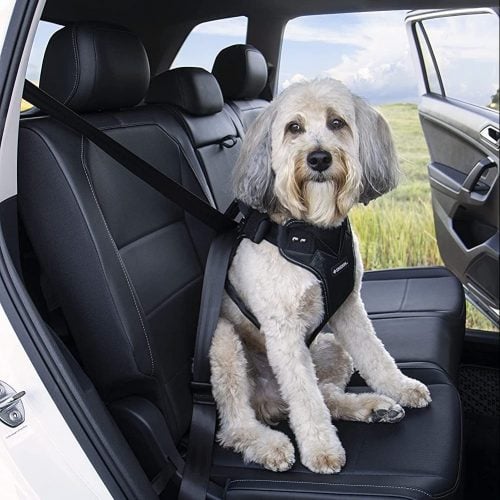
Harnesses attach to your car’s seat belt and fit around your dog’s body. They stop your dog from moving too much during trips. Harnesses come in many sizes and styles for comfort and safety.
Booster Seats
Booster seats lift small dogs so they can see outside. They also keep your dog secure in one place. These seats often include soft padding for a cozy ride.
Crates And Carriers
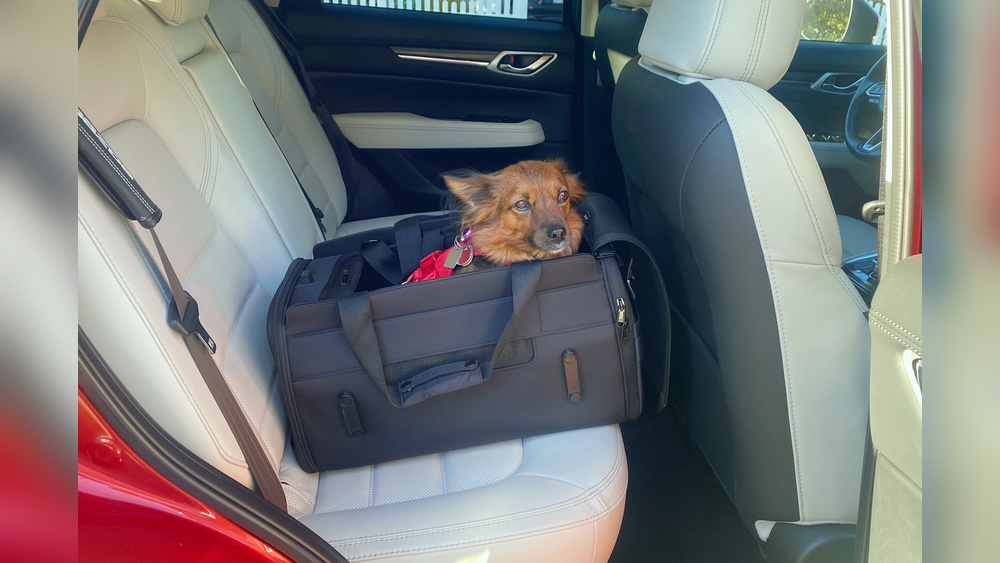
Crates and carriers provide a safe, enclosed space for dogs. They prevent dogs from roaming inside the car. Many crates are strong and well-ventilated for comfort.
Seat Belt Attachments
Seat belt attachments clip to your dog’s collar or harness. They limit how far your dog can move around. These attachments are simple and easy to use on short trips.
Choosing The Right Size And Fit
Choosing the right size and fit is key for your dog’s safety in the car. A proper restraint keeps your dog secure and comfortable. It also helps prevent distractions while driving. The right fit reduces injury risk during sudden stops or accidents. Measuring your dog and checking adjustability ensures the restraint works well.
Measuring Your Dog
Start by measuring your dog’s chest, neck, and length. Use a soft tape measure for accuracy. Measure the widest part of the chest, just behind the front legs. For neck size, measure where the collar usually sits. Length is from the base of the neck to the base of the tail. Compare these measurements with the restraint size guide. A good fit is snug but not tight. Your dog should move freely without slipping out.
Adjustability Features
Look for restraints with adjustable straps and buckles. Adjustability helps customize the fit for your dog’s shape. It also allows room for growth in puppies. Straps should be easy to tighten or loosen. Check if the restraint has padding for extra comfort. Adjustable features improve safety and keep your dog calm. Choose a restraint that adapts well to your dog’s size changes.
Credit: www.rover.com
Material And Durability Factors
Choosing the best car restraint for dogs means paying close attention to materials and durability. These factors ensure the safety and comfort of your pet during travel. Strong materials protect your dog in case of sudden stops or accidents. Durable fabrics and parts also extend the product’s life, saving money over time.
Comfortable Fabrics
Soft, breathable fabrics keep your dog calm and relaxed. Materials like padded nylon or mesh offer comfort without overheating. They prevent skin irritation and allow air to flow. Easy-to-clean fabrics make maintenance simple. Comfort encourages dogs to stay in their restraints willingly.
Strong And Secure Components
High-quality buckles and straps hold up under pressure. Metal clips and reinforced stitching add extra strength. These parts resist wear and tear from daily use. A secure restraint prevents your dog from moving too much. This reduces distractions and keeps everyone safe on the road.
Installation Tips And Best Practices
Installing a car restraint for dogs correctly is very important. A proper setup keeps your dog safe during travel. It also stops distractions while you drive. Follow some key tips to install the restraint securely and comfortably for your pet.
Check the car restraint’s instructions before starting. Every model may have specific steps. Use the right tools for a firm installation. Make sure the restraint fits your dog’s size well. Adjust straps or harnesses so your dog can sit or lie down naturally.
Proper Securing Methods
Attach the restraint to the car’s seatbelt or anchor points. Use the seatbelt path designed for pet restraints. Make sure all buckles click tightly. Tighten straps so the restraint does not move around. The restraint should hold your dog firmly but gently.
Place your dog inside and check the fit again. The dog should not slip out or get tangled. Adjust the position to avoid pressure on sensitive areas. Keep your pet comfortable and secure throughout the journey.
Common Installation Mistakes
Failing to tighten straps is a frequent error. Loose restraints can cause injury during sudden stops. Avoid using restraints that are too big or small for your dog. Incorrect size reduces effectiveness and comfort.
Do not attach the restraint to weak parts of the car. This may break in case of a crash. Avoid twisting the straps or harness. Twists weaken the restraint’s strength and cause discomfort. Double-check all connections before each trip.
Comfort Features For Your Dog
Choosing the best car restraint for dogs means thinking about their comfort. A happy dog stays calm and relaxed during car rides. Comfort features help avoid stress and make trips safer for your pet.
Padding And Support
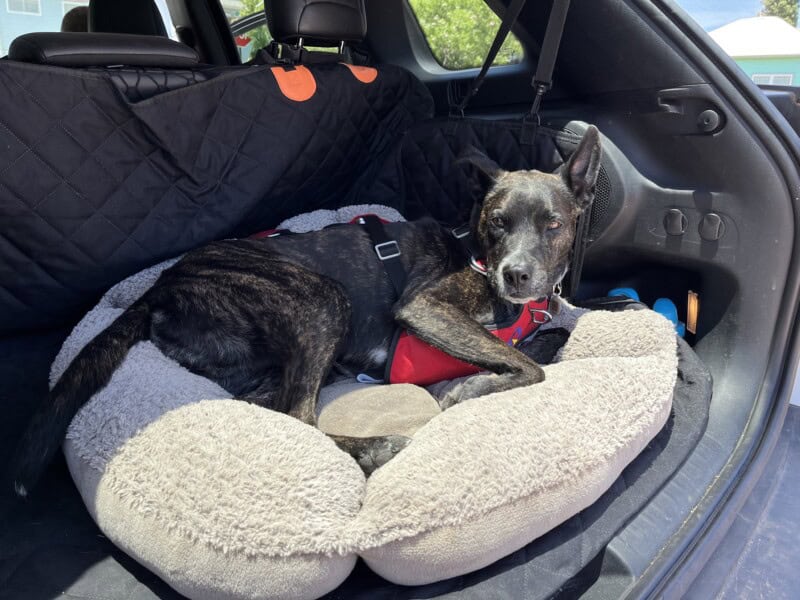
Good padding cushions your dog from bumps on the road. Soft materials protect joints and muscles. Support keeps your dog steady in one place. It stops your pet from sliding or falling. Look for thick, soft padding that holds its shape well.
Ventilation And Breathability
Proper airflow keeps your dog cool and dry. Breathable fabrics prevent overheating and sweating. Mesh panels or holes allow fresh air to circulate. This helps your dog feel fresh even on hot days. Ventilation also reduces bad smells inside the restraint.
Top Brands And Models To Consider
Choosing the right car restraint for dogs ensures safety and comfort during travel. Many brands offer various models designed to fit different dog sizes and car types. This guide highlights some top brands and models that balance quality and price. These selections help pet owners find the best restraint for their furry friends.
Budget-friendly Options
For pet owners on a budget, several brands provide reliable restraints without high costs. The Kurgo Tru-Fit Smart Harness is popular for its durability and easy use. It fits most dogs and secures well to car seat belts.
The PetSafe Happy Ride
Another affordable choice is the Vastar Adjustable Dog Car Seat Belt. It is simple and works with most vehicles. This seat belt is easy to attach and keeps dogs secure during drives.
Premium Choices
Premium dog restraints offer extra features and superior materials. The Sleepypod Clickit Sport
The EzyDog Drive Safety Travel Dog Car Harness
Another top model is the Solvit Deluxe Car Safety Harness
Credit: www.gopetfriendly.com
Maintaining And Cleaning Restraints
Keeping your dog’s car restraint clean and well-maintained is important. It helps the restraint last longer and keeps your pet safe. Dirt, hair, and moisture can damage the material and weaken the straps over time. Regular care ensures the restraint works properly every trip.
Cleaning also removes odors and germs that build up after use. A clean restraint creates a more comfortable ride for your dog. Follow simple steps for inspection and washing to keep the restraint in top shape.
Regular Inspection
Check the restraint before each trip. Look for frayed straps or torn fabric. Make sure the buckles and clips work smoothly. Test all connections to ensure they hold tight. Replace the restraint if you find any damage. Safety depends on strong, intact materials.
Washing Guidelines
Use mild soap and warm water to clean the restraint. Avoid harsh chemicals that can weaken fabric or irritate your dog. Hand washing is best to protect buckles and stitching. Rinse thoroughly to remove all soap residue. Let the restraint air dry completely before use. Do not put it in the dryer, as heat can damage the material.
Travel Tips For Dogs In Cars
Traveling with dogs requires careful planning for their comfort and safety. Dogs feel stress during long car rides. Simple steps can make trips easier and more enjoyable. Keeping dogs calm and secure helps prevent accidents. Follow these travel tips to ensure a smooth journey for your pet.
Frequent Breaks
Stop every two hours to let your dog stretch and move. Short walks help reduce anxiety and muscle stiffness. Use a leash during breaks to keep your dog safe. These pauses also provide bathroom opportunities. Regular breaks make long drives less tiring for dogs.
Hydration And Feeding
Offer water often to prevent dehydration. Use a spill-proof bowl to avoid messes inside the car. Feed your dog a light meal before the trip. Avoid heavy food during travel to prevent nausea. Keep treats handy to reward calm behavior during stops.
:strip_icc()/sps-dog-car-seats-test-ezydog-drive-safety-travel-harness-lu-han-04-633026df06914179abe50eb6f4b118b0.jpeg)
Credit: www.thesprucepets.com
Frequently Asked Questions
What Is The Best Car Restraint For Dogs?
The best car restraint for dogs combines safety, comfort, and ease of use. Look for crash-tested harnesses or secured crates that fit your dog’s size and breed. These restraints prevent injury and minimize distractions while driving, ensuring a safe trip for both you and your dog.
How Do I Choose A Car Restraint For My Dog?
Choose a car restraint based on your dog’s size, weight, and behavior. Measure your dog accurately and select a harness, seatbelt, or crate that fits securely. Also, consider material durability and ease of installation to ensure safety and comfort during travel.
Are Dog Car Restraints Legally Required?
Dog car restraint laws vary by location, but many regions recommend or require pet restraints for safety. Using a proper restraint reduces driver distraction and protects your dog during accidents. Check local regulations to comply and keep your pet secure on the road.
Can Car Restraints Prevent Dog Injuries In Accidents?
Yes, car restraints significantly reduce injury risks for dogs in accidents. Properly secured dogs are less likely to be thrown around or ejected from the vehicle. Choosing a crash-tested restraint enhances protection and improves overall travel safety for your dog.
Conclusion
Choosing the right car restraint keeps your dog safe and calm. It stops sudden moves during drives. A good restraint fits well and feels comfortable. It also helps you follow travel safety rules. Your dog will enjoy trips more with proper protection.
Always check the restraint for damage before each trip. Safe travels bring peace for both you and your pet. A small effort makes a big difference in safety. Keep your furry friend secure on every ride.