
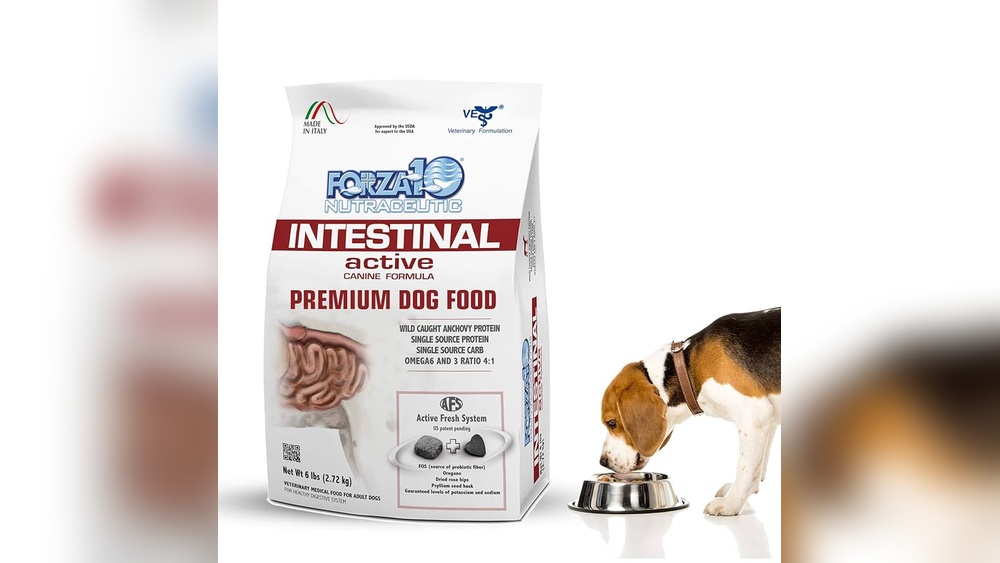
If your dog struggles with intestinal problems, you know how tough it can be to find the right food that soothes their stomach and keeps them healthy. Choosing the best dog food isn’t just about taste—it’s about easing discomfort and supporting your dog’s digestion every day.
You’ll discover simple, effective options designed specifically for dogs with sensitive intestines. Keep reading to learn how to make your furry friend feel better, one meal at a time.
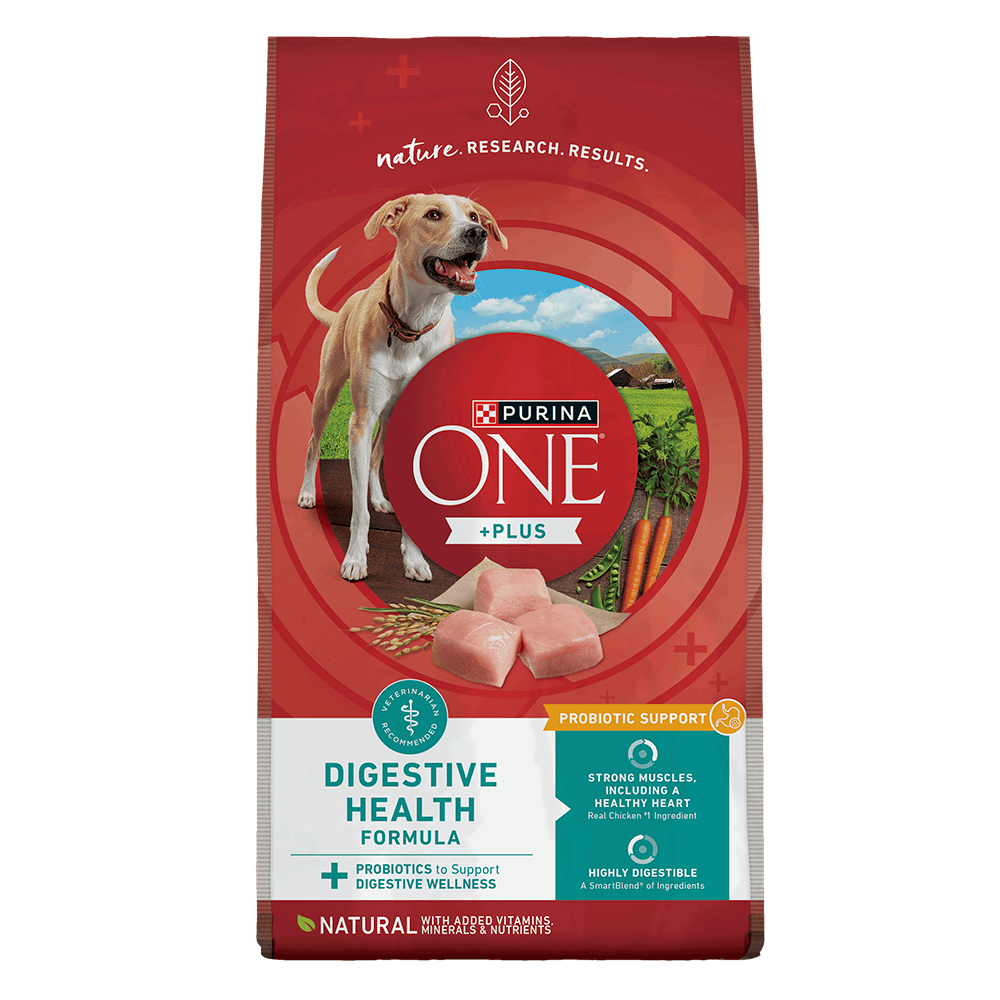
Credit: www.purina.com
Causes Of Intestinal Problems In Dogs
Intestinal problems in dogs can cause pain and discomfort. Understanding the causes helps in choosing the right dog food. Many factors can trigger these issues, including health conditions, diet, and the dog’s environment. Knowing these causes can guide better care and feeding choices.
Common Digestive Disorders
Dogs may suffer from common digestive disorders like inflammatory bowel disease (IBD) or infections. Parasites, such as worms, also cause intestinal distress. These disorders lead to symptoms like diarrhea, vomiting, and weight loss. Early diagnosis is important to manage these conditions properly.
Dietary Triggers
Certain foods can irritate a dog’s intestines. Foods high in fat or artificial additives often cause problems. Sudden diet changes can upset digestion too. Some dogs are allergic to specific ingredients like grains or dairy. Feeding sensitive dogs the right food reduces intestinal upset.
Environmental Factors
Stress and changes in environment impact a dog’s gut health. Poor hygiene or contaminated water can introduce harmful bacteria. Exposure to toxins or chemicals may also harm the intestines. Creating a clean, calm living space supports better digestion.
Signs Your Dog Has Intestinal Issues
Dogs with intestinal problems often show clear signs. Recognizing these signs early helps in managing their health. Watch your dog closely for any unusual symptoms. Some signs are easy to spot, while others might be subtle. Understanding these signs can guide you to take the right steps.
Digestive Symptoms To Watch
Look for diarrhea or loose stools. Vomiting is another common sign. Your dog may have gas or bloating. Constipation can also signal intestinal trouble. Notice if your dog has blood in the stool. A sudden change in appetite is important to note. These symptoms suggest your dog’s digestive system is not working well.
Behavioral Changes
Your dog might seem tired or weak. They could be less active than usual. Watch for signs of discomfort or pain. Your dog may lick its belly often. Some dogs become irritable or restless. Loss of interest in play is a warning. These changes often mean your dog feels unwell.
When To See A Vet
Visit the vet if symptoms last more than two days. Severe vomiting or diarrhea needs quick attention. Blood in vomit or stool is serious. If your dog stops eating or drinking, seek help. Sudden weight loss calls for a vet visit. The vet can diagnose and recommend treatment. Early care improves your dog’s chances to heal.
Key Nutrients For Digestive Health
Digestive health plays a big role in a dog’s overall well-being. Dogs with intestinal problems need special care in their diet. Certain nutrients help soothe the stomach and improve digestion. These key nutrients support gut health and reduce discomfort. Feeding the right ingredients can make a big difference.
Fiber Types And Benefits
Fiber is important for dogs with sensitive stomachs. It helps move food through the intestines smoothly. There are two main types of fiber: soluble and insoluble. Soluble fiber absorbs water and forms a gel that slows digestion. This helps with diarrhea by firming up stools.
Insoluble fiber adds bulk to stool and speeds up waste removal. Both types keep the digestive system balanced. Sources like pumpkin, oats, and beet pulp provide gentle fiber. A balanced fiber mix supports healthy digestion and regular bowel movements.
Probiotics And Prebiotics
Probiotics are good bacteria that live in the gut. They help fight harmful bacteria and support digestion. Adding probiotics to dog food can improve gut health and immune response. Common probiotic strains include Lactobacillus and Bifidobacterium.
Prebiotics feed these good bacteria. They are found in ingredients like chicory root and banana. Prebiotics help probiotics grow and work better. Together, they keep the intestines healthy and reduce inflammation.
Essential Fatty Acids
Essential fatty acids, like omega-3 and omega-6, support gut healing. They reduce inflammation in the intestines and soothe irritation. Fish oil and flaxseed are rich sources of these fats.
These fatty acids also improve skin and coat health. Healthy fats help the body absorb vitamins better. Including essential fatty acids in dog food helps maintain a strong digestive system.

Credit: wefeedraw.com
Top Healing Dog Food Options
Choosing the right food helps dogs with intestinal problems feel better fast. Healing foods support digestion and reduce discomfort. These options offer gentle, healthy nutrition for sensitive stomachs.
Prescription Diets
Prescription diets are made by vets to ease gut issues. They have special ingredients that help digestion and lower inflammation. These diets often include prebiotics and fiber to balance gut bacteria. Always use prescription foods under vet guidance for best results.
Limited Ingredient Foods
Limited ingredient foods contain fewer parts to avoid triggers. They focus on simple proteins and carbohydrates that are easy to digest. This helps identify and reduce food sensitivities. Many dogs with gut problems do well on limited ingredient diets.
Novel Protein Choices
Novel proteins come from sources dogs rarely eat, like duck or venison. These proteins reduce the chance of allergic reactions. Novel protein foods are gentle on sensitive stomachs. They offer new nutrition paths for dogs with intestinal troubles.
Homemade Meals For Sensitive Stomachs
Homemade meals can help dogs with sensitive stomachs feel better. These meals use simple, natural ingredients that are easy to digest. Preparing food at home lets you control what your dog eats. This reduces the risk of upsetting their stomach.
Safe Ingredients
Choose ingredients that are gentle on the stomach. Boiled chicken, white rice, and pumpkin are good options. Avoid spicy, fatty, or processed foods. Plain sweet potatoes and carrots also soothe digestion. Use small amounts of olive oil for healthy fat. Make sure to remove bones and skin from meat.
Recipes To Try
Start with a basic recipe: boiled chicken and rice. Mix one part chicken to two parts rice. Add a spoon of cooked pumpkin for fiber. Cook everything well and serve warm. Another recipe uses turkey, sweet potato, and carrots. Boil all ingredients until soft. Mash them together for easier eating.
Balancing Nutrition
Dogs need protein, carbs, fats, and vitamins. Homemade meals must include all these parts. Add fish oil or a vitamin supplement if needed. Consult your vet to check your dog’s needs. Rotate ingredients to give a variety of nutrients. Proper balance helps your dog stay healthy and strong.
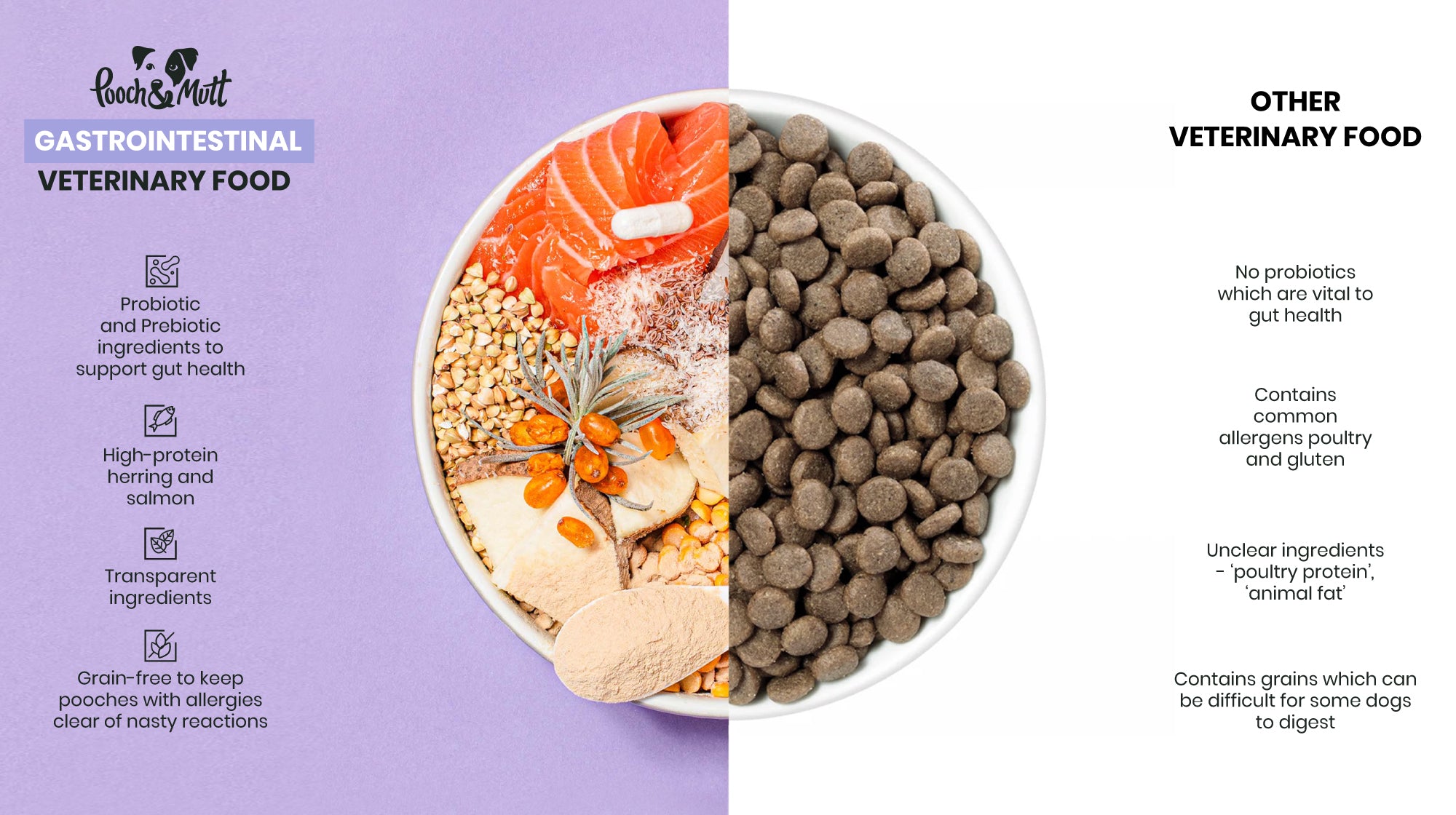
Credit: www.poochandmutt.co.uk
Tips For Transitioning Dog Food Safely
Changing your dog’s food needs care, especially with intestinal problems. Sudden food changes can upset their stomach and cause discomfort. Following safe steps helps your dog adjust smoothly to new food.
Patience and attention make the process easier for both you and your dog. Watch closely and make small changes to avoid problems.
Gradual Changes
Start by mixing a small amount of new food with the old food. Increase the new food slowly over 7 to 10 days. This gives your dog’s stomach time to adapt. Sudden switches can cause diarrhea or vomiting.
Monitoring Reactions
Check your dog’s stool and energy daily. Look for signs of discomfort like gas, diarrhea, or vomiting. Note any changes in appetite or behavior. Early detection helps you adjust the process quickly.
Adjusting Portions
Feed the right amount of food for your dog’s size and condition. Overfeeding can worsen intestinal problems. Underfeeding can cause weakness. Adjust portions based on your dog’s response to the new food.
Lifestyle Changes To Support Gut Health
Supporting your dog’s gut health goes beyond feeding the right food. Lifestyle changes play a big role. Simple daily habits can help improve digestion and reduce intestinal problems.
Healthy routines strengthen the gut and boost your dog’s overall well-being. Here are key lifestyle changes that support gut health for dogs with intestinal issues.
Regular Exercise
Exercise helps keep your dog’s digestive system active. It moves food through the intestines and reduces bloating. Daily walks or playtime improve bowel movements. Exercise also supports a healthy weight. Overweight dogs often face more gut problems.
Stress Reduction
Stress affects digestion and gut health. Dogs under stress may have diarrhea or stomach pain. Create a calm environment for your dog. Use gentle tones and avoid loud noises. Offer a quiet space where your dog can relax. Consistent routines reduce anxiety and support digestion.
Hydration Importance
Water is vital for digestion and nutrient absorption. Always provide fresh, clean water for your dog. Proper hydration helps soften stool and prevent constipation. Dehydration worsens intestinal problems. Encourage your dog to drink by placing water bowls in easy spots.
Frequently Asked Questions
What Ingredients Help Dogs With Intestinal Problems?
Ingredients like easily digestible proteins, fiber, and probiotics aid digestion. Avoid fillers and artificial additives to reduce irritation. These support gut health and improve nutrient absorption for dogs with intestinal issues.
How To Choose The Best Dog Food For Sensitive Stomachs?
Look for limited ingredient diets, hypoallergenic formulas, and added probiotics. Choose foods with high-quality protein and easily digestible carbohydrates. Avoid common allergens like corn, wheat, and soy to minimize digestive upset.
Can Homemade Dog Food Improve Intestinal Health?
Yes, homemade meals allow control over ingredients and freshness. Use lean meats, rice, and cooked vegetables to soothe digestion. Always consult a vet to ensure balanced nutrition and avoid harmful foods.
Are Grain-free Diets Better For Dogs With Intestinal Problems?
Grain-free diets may help some dogs, but not all benefit. Some dogs tolerate grains well. Consult your vet before switching to grain-free to ensure nutritional balance and gut health.
Conclusion
Choosing the right dog food helps dogs with sensitive stomachs feel better. Foods with gentle ingredients support digestion and reduce discomfort. Always check labels for fiber, protein, and fat content. A vet’s advice can guide you to the best choice.
Feeding your dog the right food improves their health and happiness. Small changes in diet make a big difference. Keep your dog’s needs in mind every time you shop. Their comfort and energy depend on what they eat. Simple, careful feeding helps your dog enjoy life more.


