
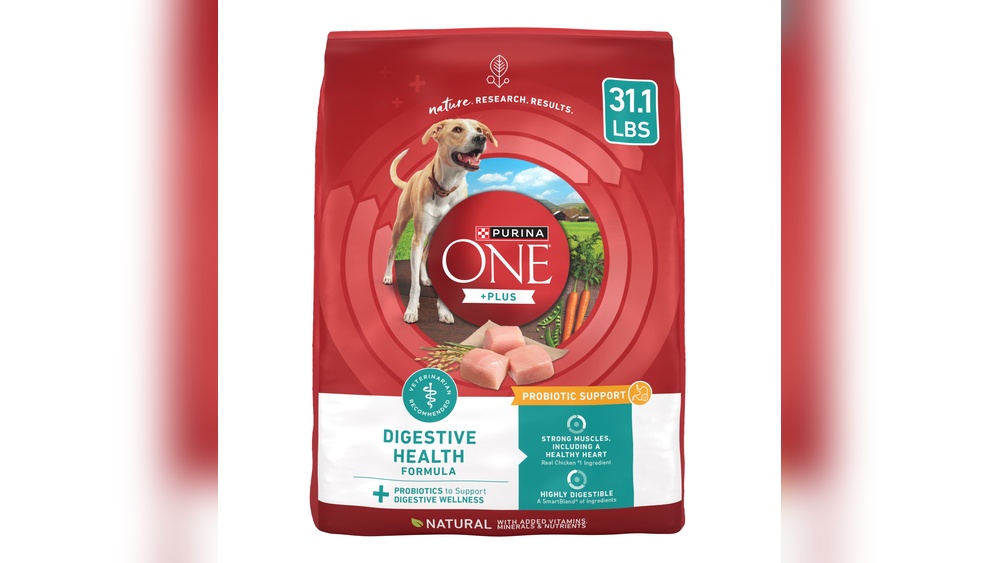
If your dog often struggles with an upset stomach, you know how tough it can be to find the right food. You want something gentle, nutritious, and tasty—something that keeps your furry friend happy and healthy without causing discomfort.
Choosing the best dog food for a sensitive stomach isn’t always easy, but it can make a huge difference in your dog’s wellbeing. You’ll discover top options that soothe digestion and support overall health. Keep reading to find the perfect meal for your beloved companion.
Signs Of A Sensitive Stomach
Dogs with sensitive stomachs often show signs that something is wrong. These signs can be subtle or obvious. Knowing these signs helps you choose the best dog food for their needs. Watch your dog closely for any changes in behavior or health.
Common Symptoms In Dogs
Dogs with sensitive stomachs may vomit frequently. Diarrhea is also a common symptom. Some dogs show bloating or gas. A lack of appetite can happen too. Your dog might lick its lips or drool more than usual. Stomach pain can make dogs restless or whine. Watch for weight loss over time. These signs show your dog needs special care.
When To Consult A Vet
Contact a vet if vomiting lasts more than two days. Persistent diarrhea also requires medical attention. If your dog loses a lot of weight quickly, see a vet. Blood in stool or vomit is a warning sign. Sudden changes in behavior or energy levels need checking. A vet can diagnose the problem and suggest the right diet. Early help prevents serious health issues.
Credit: www.kroger.com
Key Ingredients To Look For
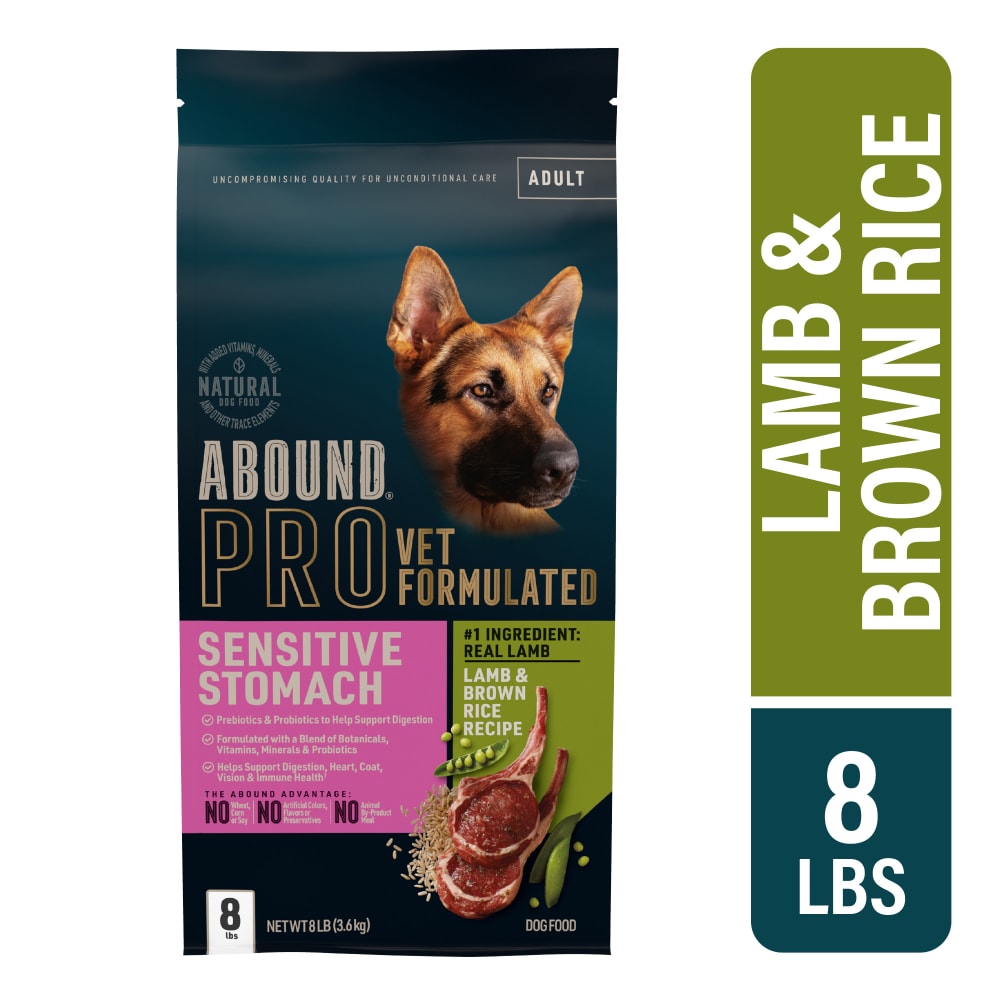
Choosing the right ingredients is vital for dogs with sensitive stomachs. The right food helps avoid upset tummies and keeps your dog healthy. Not all ingredients suit sensitive stomachs. Some can cause discomfort or allergies. Focus on gentle proteins, easily digestible carbohydrates, and helpful additives. These ingredients support digestion and reduce stomach issues.
Gentle Proteins
Proteins are essential for your dog’s health. Choose proteins that are easy to digest. Examples include chicken, turkey, and fish. These proteins are less likely to cause allergies. Avoid common allergens like beef or lamb if your dog has a sensitive stomach. Gentle proteins provide nutrients without causing stomach upset.
Easily Digestible Carbohydrates
Carbohydrates give energy and fiber. Some carbs digest better than others. Rice, sweet potatoes, and oats are gentle on the stomach. These carbs help avoid bloating and gas. They also support healthy digestion. Avoid grains like corn and wheat, which can irritate sensitive dogs.
Beneficial Additives
Certain additives support digestive health. Probiotics help balance gut bacteria. Prebiotics feed good bacteria in the gut. Digestive enzymes aid in breaking down food. These additives reduce stomach discomfort. They improve nutrient absorption and overall digestion. Look for dog foods with these helpful ingredients.
Ingredients To Avoid
Choosing the right dog food is key for pets with sensitive stomachs. Certain ingredients can cause discomfort, allergies, or digestive problems. Avoiding these ingredients helps keep your dog healthy and happy. Below are common ingredients that often cause issues in sensitive dogs.
Common Allergens
Many dogs react to specific proteins and grains. Beef, dairy, chicken, and eggs are common allergens. Wheat, corn, and soy often trigger stomach upset. These ingredients may cause itching, vomiting, or diarrhea. Choosing foods without these allergens reduces the risk of reactions.
Artificial Additives And Fillers
Artificial colors, flavors, and preservatives can irritate sensitive stomachs. Fillers like corn gluten and wheat middlings add no nutrition. These fillers make digestion harder and can cause inflammation. Foods with natural, simple ingredients are easier to digest and better for sensitive dogs.
Credit: www.petcarerx.com
Top Dry Dog Foods For Sensitive Stomachs
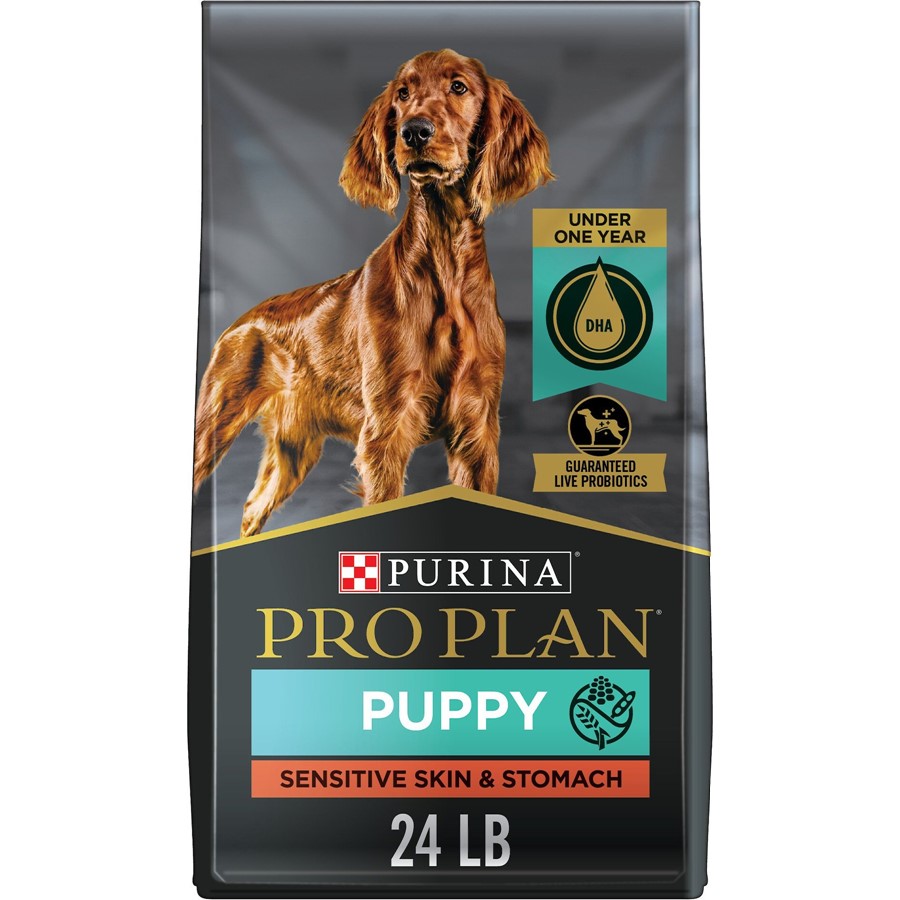
Finding the best dry dog food for sensitive stomachs can be tricky. Dogs with delicate digestion need special care. The right food can ease tummy troubles and improve their health. Dry dog food is often easier to store and serve. Many brands now offer formulas made for sensitive stomachs. These foods use gentle ingredients that are easy to digest. They also avoid common triggers like artificial additives and fillers.
Highly Rated Options
Several dry dog foods stand out for sensitive stomachs. Hill’s Science Diet Sensitive Stomach & Skin is popular among pet owners. It uses simple ingredients to reduce digestive upset. Blue Buffalo Basics Limited Ingredient Diet contains turkey and easily digestible carbs. Natural Balance L.I.D. Limited Ingredient Diet also offers gentle recipes. These options receive strong reviews for helping dogs feel better fast. They avoid common allergens and support digestion well.
Nutritional Benefits
Dry dog foods for sensitive stomachs focus on balanced nutrition. They provide high-quality protein to support muscles. Moderate fat levels help energy without upsetting digestion. These foods often include fiber to regulate bowel movements. They contain vitamins and minerals to boost immunity. Omega fatty acids help maintain healthy skin and coat. Plus, many formulas exclude wheat, corn, and soy. This reduces the chance of allergic reactions and stomach issues.
Best Wet Dog Foods For Gentle Digestion
Wet dog food is often easier to digest for dogs with sensitive stomachs. It contains more moisture, which helps keep dogs hydrated. The soft texture also makes eating gentle on the digestive tract. Wet foods usually have fewer fillers and artificial ingredients. This can reduce stomach upset and improve nutrient absorption. Choosing the right wet food supports your dog’s digestive health and overall well-being.
Popular Choices
Many brands offer wet foods designed for gentle digestion. Hill’s Science Diet Sensitive Stomach & Skin is popular. It uses easily digestible ingredients and natural fibers. Blue Buffalo Homestyle Recipe is another favorite. It includes real meat and limited ingredients to avoid irritation. Natural Balance L.I.D. Limited Ingredient Diet is well-known for simple formulas. It reduces the chance of allergic reactions. These options provide balanced nutrition and easy digestion.
Pros And Cons
Wet dog food hydrates your dog and is easy to chew. It often has higher protein and fewer carbs. This supports sensitive stomachs and maintains muscle health. Wet food can be more expensive than dry food. It spoils faster once opened, requiring refrigeration. Some dogs may prefer the crunch of dry food. Feeding wet food alone might not clean teeth well. Mixing wet and dry food can balance benefits and drawbacks.
Specialty Diets And Prescription Foods
Specialty diets and prescription foods play a key role in managing dogs with sensitive stomachs. These diets are designed to reduce digestive upset and provide balanced nutrition. They often contain limited ingredients or unique protein sources to ease digestion. Prescription foods are formulated under veterinary guidance for specific health needs.
Choosing the right specialty diet can help improve your dog’s comfort and health. It supports digestion and can prevent flare-ups of stomach issues. These foods are usually available through your vet or specialty pet stores.
Veterinary Recommended Brands
Many veterinarians suggest brands that focus on sensitive stomachs. These brands use high-quality ingredients and balanced nutrients. Common veterinary recommended brands include Hill’s Prescription Diet, Royal Canin, and Purina Pro Plan Veterinary Diets. These foods often feature hydrolyzed proteins or novel ingredients like duck or venison. They help reduce allergic reactions and improve digestion. Your vet can guide you on the best brand for your dog’s needs.
When To Consider Prescription Diets
Prescription diets are best for dogs with persistent or severe stomach issues. If your dog has chronic vomiting, diarrhea, or weight loss, talk to your vet. These diets support specific conditions like food allergies, inflammatory bowel disease, or pancreatitis. A vet’s diagnosis ensures your dog gets the right treatment. Avoid switching to prescription foods without professional advice. Proper use can lead to better digestion and overall health for your sensitive dog.
Tips For Transitioning Dog Food
Changing your dog’s food needs care and patience. A sudden switch can upset their stomach. This is especially true for dogs with sensitive stomachs. Proper transitioning helps avoid digestive problems. It also helps your dog accept the new food easily.
Gradual Switch Strategies
Start by mixing a small amount of new food with the old. Slowly increase the new food over 7 to 10 days. This gives your dog’s digestive system time to adjust. Watch the amount of new food. Avoid changing too fast or too slow. Keep the feeding schedule consistent for better results.
Monitoring Your Dog’s Reaction
Watch for signs like vomiting, diarrhea, or gas. These may mean your dog is not adjusting well. Check their energy and appetite too. Keep a daily log to track any changes. If problems continue, pause the switch and consult your vet. Your dog’s comfort is the top priority.
Homemade Diets For Sensitive Dogs
Homemade diets offer a gentle option for dogs with sensitive stomachs. Preparing meals at home lets you control every ingredient. This helps avoid allergens and irritants found in some commercial dog foods.
Homemade food can be fresher and easier to digest. It also allows for variety, which keeps your dog interested in meals. Careful planning ensures your dog gets the right nutrients.
Simple Recipes
Start with plain cooked chicken or turkey. Boil the meat without seasoning or oils. Mix with cooked white rice or sweet potatoes. These ingredients are gentle on the stomach and easy to digest.
Add steamed carrots or green beans for fiber. Avoid onions, garlic, and spices. These can upset a sensitive stomach. Keep the recipe simple to reduce chances of irritation.
Nutritional Considerations
Balance protein, carbohydrates, and fats for a healthy diet. Dogs need essential vitamins and minerals too. Include a source of calcium, like crushed eggshells or supplements.
Consult a vet or pet nutritionist to ensure the diet is complete. Sudden diet changes can cause digestive upset. Introduce new foods slowly to monitor tolerance.
Supplements To Support Digestion
Supplements can help dogs with sensitive stomachs digest food better. They support the natural process inside your dog’s gut. These supplements can reduce discomfort and improve nutrient absorption. Adding the right supplements to your dog’s diet can make a big difference.
Choosing the right supplements focuses on balancing gut health and easing digestion. Some supplements directly aid digestion, while others support the gut environment. Both types are important for dogs with sensitive stomachs.
Probiotics And Enzymes
Probiotics are live good bacteria that help balance the gut. They improve digestion and boost the immune system. Probiotics can reduce gas, diarrhea, and bloating in dogs. Common probiotic strains include Lactobacillus and Bifidobacterium.
Digestive enzymes break down food into smaller parts. This makes nutrients easier to absorb. Enzymes like protease, lipase, and amylase help digest proteins, fats, and carbohydrates. Dogs with enzyme deficiencies often benefit from enzyme supplements.
Other Helpful Additions
Fiber is a key addition to support digestion. It helps regulate bowel movements and feed good gut bacteria. Sources of fiber include pumpkin, psyllium, and beet pulp.
Omega-3 fatty acids reduce inflammation in the gut. They also support overall health and coat condition. Fish oil is a common source of omega-3s for dogs.
Slippery elm and marshmallow root soothe the digestive tract. These natural herbs can calm irritation and protect the stomach lining. They are gentle and safe for most dogs.

Credit: www.acangasolucoes.com.br
Frequently Asked Questions
What Ingredients Are Best For Sensitive Stomach Dog Food?
Sensitive stomach dog foods often contain easily digestible ingredients like rice, chicken, and sweet potatoes. These ingredients reduce digestive stress and minimize allergic reactions. Avoid common allergens like corn, wheat, and soy. Look for foods rich in fiber and probiotics to support gut health and improve digestion.
How To Transition My Dog To Sensitive Stomach Food?
Transition gradually over 7-10 days by mixing increasing amounts of new food with old. Start with 25% new food and 75% old, then adjust daily. This prevents digestive upset and helps your dog adapt. Monitor your dog for any signs of discomfort during the process.
Can Sensitive Stomach Dog Food Help With Diarrhea?
Yes, specially formulated sensitive stomach foods can reduce diarrhea. They contain gentle proteins and fiber that support normal bowel movements. Probiotics in these foods also restore gut balance. Consult your vet if diarrhea persists despite diet changes.
Are Grain-free Dog Foods Better For Sensitive Stomachs?
Not always. Some dogs benefit from grain-free diets, but others do well with grains like rice or oats. The key is choosing foods without artificial additives and allergens. Always observe your dog’s reaction and consult your vet for personalized advice.
Conclusion
Choosing the right food helps your dog feel better every day. Sensitive stomachs need gentle ingredients that are easy to digest. Watch how your dog reacts to new meals. Patience matters. Healthy food supports their energy and happiness. Keep an eye on their digestion and adjust as needed.
A happy dog means a happy home. Simple, gentle food makes a big difference. Trust your instincts to find what suits your dog best.


