If your dog has a collapsed trachea, you know how scary and stressful it can be to see them struggle to breathe. Finding the best medicine for this condition is crucial to help your furry friend feel better fast.
You’ll discover effective treatments that can ease your dog’s breathing and improve their quality of life. Keep reading, because the right medicine could make all the difference for your beloved pet.
Credit: pawprintoxygen.com
Symptoms Of Collapsed Trachea
Collapsed trachea is a common problem in small dogs. It happens when the windpipe weakens and flattens. This makes it hard for dogs to breathe. Knowing the symptoms helps catch the problem early. Early care can make a big difference.
Common Signs To Watch For
Coughing is the most common sign of a collapsed trachea. It often sounds like a goose honking. You may see your dog coughing more during excitement or exercise. Shortness of breath is another key symptom. Your dog might breathe faster or seem to struggle. Some dogs show gagging or retching. This happens because of irritation in the throat. You might notice your dog pulling at the collar. This can make breathing harder and cause more coughing.
When To See A Vet
Visit the vet if your dog coughs often or has trouble breathing. Sudden breathing problems need quick attention. If your dog seems weak or tired, do not wait. A vet can diagnose the problem with tests. Early treatment helps prevent more damage to the trachea. Call the vet if symptoms get worse or last more than a week.
Causes And Risk Factors
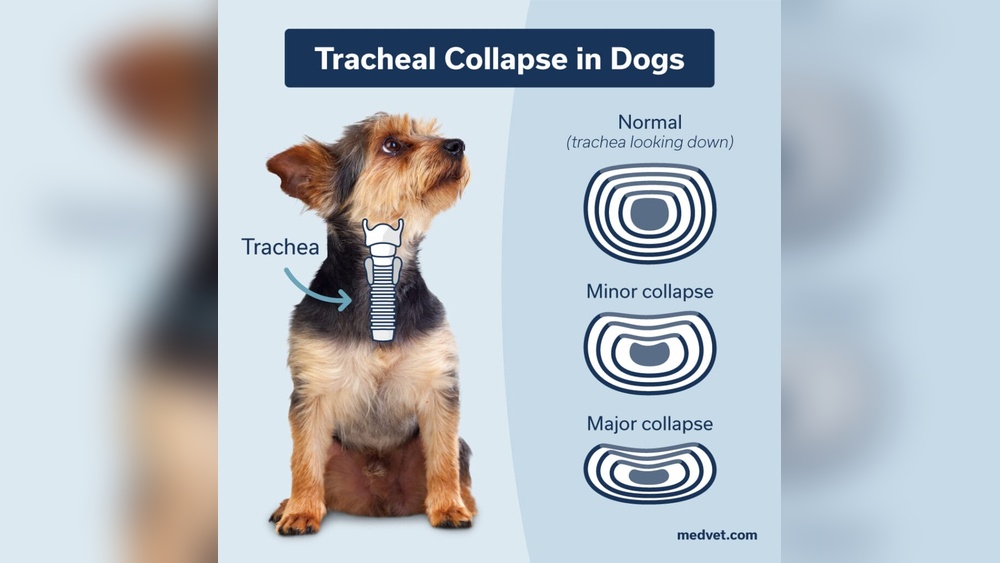
Collapsed trachea in dogs happens due to the weakening of the tracheal rings. This causes the airway to narrow, making breathing hard. Understanding the causes and risk factors helps in managing and preventing the condition. Some dogs are more likely to develop it than others. The environment also plays a role in the disease’s development.
Breed Predispositions
Small dog breeds often suffer from collapsed trachea. Yorkshire Terriers, Pomeranians, and Chihuahuas are commonly affected. These breeds have weaker cartilage in their trachea. Larger breeds are less likely to get this condition. Age also increases the risk; older dogs are more vulnerable. Genetics play a role in the cartilage strength. Some dogs inherit a predisposition to this problem.
Environmental Influences
Exposure to smoke or strong fumes can irritate the trachea. This irritation can weaken the tracheal rings over time. Allergens like dust and pollen may cause inflammation. Obesity adds pressure on the airway and worsens the condition. Constant coughing from infections or allergies strains the trachea. Cold weather may trigger coughing fits in sensitive dogs. Keeping the environment clean reduces the risk of tracheal collapse.
Medical Treatments
Medical treatments play a key role in managing a collapsed trachea in dogs. These treatments focus on easing symptoms and improving breathing. They help reduce coughing and inflammation. Proper medication can make daily life easier for affected dogs.
Medications For Symptom Relief
Doctors often prescribe medicines to control coughing and breathing difficulties. These drugs help dogs breathe more comfortably. They reduce irritation inside the windpipe. Symptom relief improves the dog’s energy and quality of life.
Anti-inflammatory Options
Inflammation worsens trachea problems. Anti-inflammatory drugs reduce swelling in the airway. These medicines make breathing easier and calm irritation. They are important to prevent further damage to the windpipe.
Cough Suppressants
Coughing harms the trachea and causes pain. Cough suppressants help calm the cough reflex. They reduce the frequency and intensity of coughing fits. These medicines protect the delicate tissues inside the trachea.
Surgical Solutions
Surgical solutions offer hope for dogs with severe collapsed trachea. These procedures help open the airway and improve breathing. Surgery is usually considered after medication and lifestyle changes fail to control symptoms. The goal is to provide lasting support to the weakened trachea.
Two common surgical methods are tracheal stenting and external support techniques. Both have benefits and risks. A vet will decide the best option based on the dog’s condition and overall health.
Tracheal Stenting
Tracheal stenting uses a small mesh tube placed inside the trachea. This tube holds the airway open and stops it from collapsing. The procedure is done using a minimally invasive technique. Dogs often show quick improvement in breathing after stenting.
Stents are made from flexible materials to fit the trachea’s shape. They reduce coughing and wheezing by supporting the airway walls. Some dogs may need follow-up care to check for complications like stent movement or irritation.
External Support Techniques
External support techniques involve placing rings or bands around the outside of the trachea. These supports strengthen the trachea and prevent it from collapsing. Surgery requires opening the neck to access the trachea.
This method works best for dogs with collapse in the neck area. It avoids placing foreign material inside the airway. Recovery might take longer than with stenting, but it offers strong, long-term support.
Risks include infection or damage to nearby structures. Careful surgical skill and post-operative care reduce these risks. Many dogs regain better breathing and quality of life after external support surgery.
Home Care Tips
Taking care of a dog with a collapsed trachea requires more than just medicine. Home care plays a big role in keeping your dog comfortable and healthy. Small changes in daily life can help reduce coughing and breathing problems.
Lifestyle Adjustments
Use a harness instead of a collar to avoid pressure on the neck. Keep your dog away from smoke, dust, and strong smells. These can irritate the throat and make coughing worse. Avoid exposure to cold or hot air, as it may trigger breathing problems. Create a calm and quiet space for your dog to rest.
Diet And Exercise
Feed your dog healthy and balanced meals to maintain a good weight. Extra weight puts pressure on the trachea. Regular, gentle walks help keep lungs strong without overexertion. Avoid heavy exercise or activities that cause heavy breathing. Small, frequent meals are easier to digest and can reduce coughing.
Managing Stress
Stress can worsen breathing issues in dogs with collapsed trachea. Stay calm and speak softly to comfort your dog. Avoid loud noises and sudden movements. Provide toys and activities to keep your dog relaxed. Regular routines help dogs feel safe and less anxious.
Credit: pawprintoxygen.com
Alternative Therapies
Alternative therapies can support dogs with collapsed trachea. These methods help ease breathing and improve comfort. They work alongside traditional treatments, offering gentle care options.
Herbal Remedies
Herbal remedies use natural plants to reduce inflammation and calm coughing. Herbs like marshmallow root and slippery elm soothe the throat. They create a protective layer that eases irritation. Always consult a vet before starting any herbal treatment. Some herbs may interact with other medicines or cause allergies.
Acupuncture And Massage
Acupuncture involves small needles placed on specific body points. It helps improve airflow and reduce stress in the airway. Massage relaxes muscles around the neck and chest. This can lower tension and support easier breathing. Both therapies focus on improving overall well-being without harsh side effects. Skilled practitioners should perform these treatments for best results.
Preventing Collapsed Trachea
Preventing a collapsed trachea in dogs is key to keeping them healthy and comfortable. This condition affects the windpipe, making breathing difficult. Taking simple steps can reduce the risk and protect your dog’s airway.
Weight Management
Keeping your dog at a healthy weight lowers pressure on the trachea. Excess weight can strain the windpipe and worsen symptoms. A balanced diet and regular exercise help maintain proper weight. Monitor your dog’s body condition regularly to avoid obesity. Consult your vet for a suitable feeding plan and exercise routine.
Avoiding Irritants
Air quality plays a big role in trachea health. Smoke, dust, and strong chemicals can irritate the airway. Keep your dog away from cigarette smoke and polluted areas. Use gentle cleaning products and avoid sprays near your pet. Regularly clean your home to reduce dust and allergens. Fresh air and a clean environment support easier breathing.
When To Consider Euthanasia
Deciding when to consider euthanasia for a dog with a collapsed trachea is very difficult. It is a choice based on the dog’s comfort and suffering. Watching your dog struggle to breathe is painful for any pet owner. Knowing when to let go shows kindness and love.
Recognizing signs that show your dog is in distress helps make this decision clearer. It’s important to focus on the dog’s quality of life, not just the illness itself. Talk openly with your veterinarian to understand the best path forward.
Quality Of Life Assessment
Assess your dog’s daily happiness and comfort. Is your dog eating and drinking normally? Can your dog rest without constant coughing or choking? Notice if your dog enjoys walks or playtime less than before. Pain, anxiety, or constant breathing trouble are signs of poor quality of life. These factors help determine if euthanasia is the kindest choice.
Veterinary Guidance
Your veterinarian is your partner in this decision. They can explain the dog’s condition and treatment options clearly. A vet assesses pain levels and breathing ability objectively. They provide advice based on experience and medical knowledge. Trusting your vet helps ensure the decision is right for your dog’s well-being.

Credit: www.amazon.com
Frequently Asked Questions
What Is The Best Medicine For Collapsed Trachea In Dogs?
The best medicine often includes cough suppressants, anti-inflammatories, and bronchodilators. Always consult your vet for the right prescription and dosage.
How Do Cough Suppressants Help Dogs With Collapsed Trachea?
Cough suppressants reduce irritation and coughing, helping to ease breathing difficulties in affected dogs. They improve comfort and prevent further trachea damage.
Are Steroids Effective For Treating Collapsed Trachea In Dogs?
Steroids reduce inflammation in the trachea, improving airflow and reducing symptoms. Vet supervision is essential to avoid side effects.
Can Bronchodilators Improve Breathing In Dogs With Collapsed Trachea?
Yes, bronchodilators relax airway muscles, making breathing easier. They are commonly prescribed alongside other treatments for better results.
Conclusion
Choosing the right medicine helps ease your dog’s breathing problems. Always follow your vet’s advice for safe treatment. Medicines can reduce coughing and improve comfort. Regular check-ups keep your dog healthy and happy. Early care can slow down trachea collapse.
Stay patient and gentle with your dog’s needs. Small steps lead to better health and joy. Your dog deserves the best care every day.