If your dog often struggles with upset stomachs, you know how tough it can be to find the right food that keeps them happy and healthy. Choosing the best dog food for a sensitive stomach isn’t just about filling their bowl—it’s about giving your furry friend comfort and relief every day.
You want to avoid those uncomfortable moments and see your dog enjoy mealtime without any worries. You’ll discover simple, effective options that can make a real difference in your dog’s digestive health. Keep reading to learn how to pick the perfect food that supports your dog’s sensitive tummy and brings back their wagging tail.
Credit: www.petcarerx.com
Signs Of A Sensitive Stomach In Dogs
Dogs with sensitive stomachs often show clear signs that their digestion is upset. Spotting these early helps you choose the best food to keep them healthy. Sensitive stomachs can cause discomfort and affect your dog’s mood and energy.
Understanding these signs can guide you in providing the right care and diet for your pet. Watch your dog closely for changes in behavior and digestion.
Common Symptoms To Watch For
Look for frequent vomiting or diarrhea. Loose stools or changes in stool color also indicate trouble. Your dog may have gas or bloating after meals. A lack of appetite can be a warning sign. Excessive drooling or licking around the mouth may occur. Notice if your dog seems tired or less playful than usual.
When To Consult A Vet
Contact a vet if symptoms last more than two days. Seek help if your dog shows signs of pain or severe weakness. Blood in vomit or stool needs immediate care. A vet can diagnose if allergies or infections cause the issue. Early treatment prevents serious health problems. Always trust your instincts about your dog’s health.
Key Ingredients For Gentle Digestion
Choosing the right ingredients is crucial for dogs with sensitive stomachs. Gentle digestion depends on what the food contains. Certain ingredients support the digestive system and reduce upset. These key ingredients help your dog feel better and stay healthy.
Easily Digestible Proteins
Proteins must be easy to break down and absorb. Chicken, turkey, and fish are common choices. These proteins cause less stomach upset. Avoid heavy or complex proteins like beef or lamb. Simple proteins help reduce digestive stress.
Soothing Carbohydrates
Carbohydrates provide energy and support digestion. Rice, sweet potatoes, and oats are gentle options. These carbs digest slowly and cause less irritation. They also help keep stools firm and regular.
Beneficial Fiber Sources
Fiber aids digestion and promotes gut health. Pumpkin, beet pulp, and psyllium husk are good fibers. These fibers help balance digestion and prevent diarrhea. They also feed good bacteria in the gut.
Avoiding Common Irritants
Certain ingredients often cause stomach problems. Wheat, corn, soy, and artificial additives can irritate. Avoid foods with these ingredients. Choosing simple, natural ingredients reduces digestive issues.
Types Of Dog Food For Sensitive Stomachs
Dogs with sensitive stomachs need special care in their diet. Choosing the right type of food helps reduce stomach upset and improves digestion. Various dog food types cater to these needs. Each type has unique benefits and ingredients designed to soothe sensitive tummies.
Understanding these types helps pet owners make better food choices. The goal is to keep dogs healthy and comfortable.
Limited Ingredient Diets
Limited ingredient diets contain fewer components. They focus on simple, easy-to-digest ingredients. These diets reduce the chance of allergic reactions. They often use one protein source and one carbohydrate source. This simplicity helps identify food sensitivities easily.
Grain-free Options
Grain-free dog foods exclude common grains like wheat and corn. Grains can cause stomach issues in some dogs. Grain-free diets use alternatives like potatoes or peas. These options can be gentler on sensitive stomachs. They provide necessary nutrients without causing irritation.
Hypoallergenic Formulas
Hypoallergenic formulas aim to lower allergy risks. They use novel proteins like duck or venison. These proteins are less likely to cause reactions. The formulas also avoid common allergens. Hypoallergenic foods support dogs with food allergies or intolerances.
Homemade Vs Commercial Food
Homemade food allows full control over ingredients. It can be tailored to avoid problem foods. However, it needs careful planning to meet nutrition needs. Commercial food is convenient and balanced. Many brands offer sensitive stomach formulas. Choosing depends on time, budget, and dog’s needs.

Credit: www.acangasolucoes.com.br
Top Dog Food Brands For Sensitive Stomachs
Choosing the right dog food for sensitive stomachs is key to your pet’s health. Some brands focus on gentle ingredients that reduce tummy troubles. Others balance quality and cost for everyday feeding. Veterinarians also suggest trusted options for dogs with delicate digestion. This section highlights top dog food brands that cater to sensitive stomach needs.
Premium Gentle Formulas
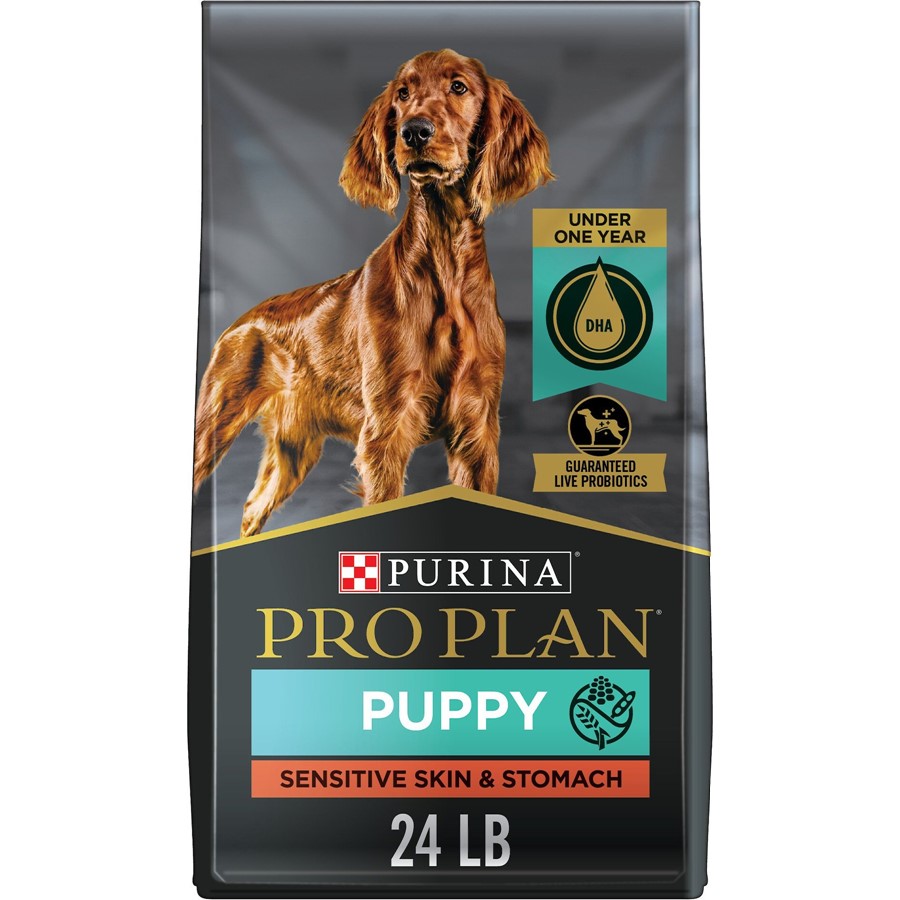
Premium brands use high-quality ingredients designed to soothe digestion. They avoid fillers and artificial additives that cause irritation. These foods often contain limited protein sources. They add fibers and prebiotics to support gut health. Your dog may feel less bloated and have firmer stools. These formulas suit pets with severe sensitivities or allergies.
Affordable Choices
Affordable brands offer balanced nutrition without a high price. They usually use simple recipes with fewer ingredients. This helps reduce the risk of stomach upset. These foods are good for dogs with mild sensitivities. They provide essential vitamins and minerals needed for daily health. Many pet owners find these options budget-friendly and effective.
Veterinarian Recommended Picks
Veterinarians recommend brands backed by research and clinical trials. These foods target specific digestive issues like inflammation or food intolerance. They often include digestive enzymes and probiotics. Such ingredients aid nutrient absorption and improve gut balance. These picks are reliable choices for dogs with ongoing stomach problems. Consulting your vet can guide you to the best option.
Transitioning To New Dog Food
Changing your dog’s food needs care, especially for sensitive stomachs. Sudden changes can cause upset, vomiting, or diarrhea. A slow, steady transition helps your dog adjust and stay healthy.
Step-by-step Switching Guide
Start by mixing 25% new food with 75% old food for three days. Then, change the mix to 50% new and 50% old for the next three days. After that, use 75% new food and 25% old food for three more days. Finally, feed only the new food. This slow change helps your dog’s stomach get used to the new diet.
Monitoring Your Dog’s Reaction
Watch your dog closely during the switch. Look for signs like vomiting, diarrhea, or loss of appetite. Check if your dog seems tired or less active. If any problems happen, slow down the transition or talk to your vet. Healthy digestion means your dog accepts the new food well.
Additional Tips For Managing Sensitive Stomachs
Managing a sensitive stomach in dogs requires more than just the right food. Small changes in daily habits can make a big difference. These tips help keep your dog comfortable and healthy.
Feeding Schedules And Portions
Feed your dog at the same times each day. This helps their stomach get used to a routine. Smaller meals, given more often, reduce stomach stress. Avoid letting your dog eat too fast. Use slow feeder bowls or spread out the food on a plate.
Supplements That Help Digestion
Some supplements can improve digestion. Probiotics add good bacteria to the gut. Digestive enzymes help break down food better. Always check with a vet before starting supplements. They guide you on safe and effective options.
Lifestyle And Environmental Factors
Stress can upset your dog’s stomach. Keep feeding areas calm and quiet. Avoid sudden changes in their routine. Plenty of fresh water supports digestion and overall health. Regular exercise helps keep their digestive system moving smoothly.

Credit: www.amazon.com
Frequently Asked Questions
What Ingredients Help Dogs With Sensitive Stomachs?
Ingredients like rice, pumpkin, and chicken are gentle on digestion. Avoid fillers and artificial additives. Look for limited ingredient diets designed for sensitive stomachs to reduce irritation and improve nutrient absorption.
How Can I Transition My Dog To Sensitive Stomach Food?
Switch gradually over 7-10 days by mixing increasing amounts of new food. This minimizes digestive upset and helps your dog adjust comfortably to the new diet.
Are Grain-free Dog Foods Better For Sensitive Stomachs?
Not always. Some dogs benefit from grain-free diets, but others do well with grains like rice. Consult your vet to choose the best option based on your dog’s specific needs.
What Signs Indicate My Dog Has A Sensitive Stomach?
Common signs include vomiting, diarrhea, gas, and loss of appetite. Persistent digestive issues warrant a vet visit to diagnose and recommend appropriate dietary changes.
Conclusion
Choosing the best dog food for a sensitive stomach helps your pet feel better. Gentle ingredients can reduce upset and improve digestion. Feeding the right food supports your dog’s health and happiness. Watch for signs of improvement and adjust as needed.
Always consult your vet for advice and care. Your dog deserves a diet that soothes and nourishes. Simple changes can make a big difference in comfort and energy. Keep your dog’s needs in mind when picking their meals.