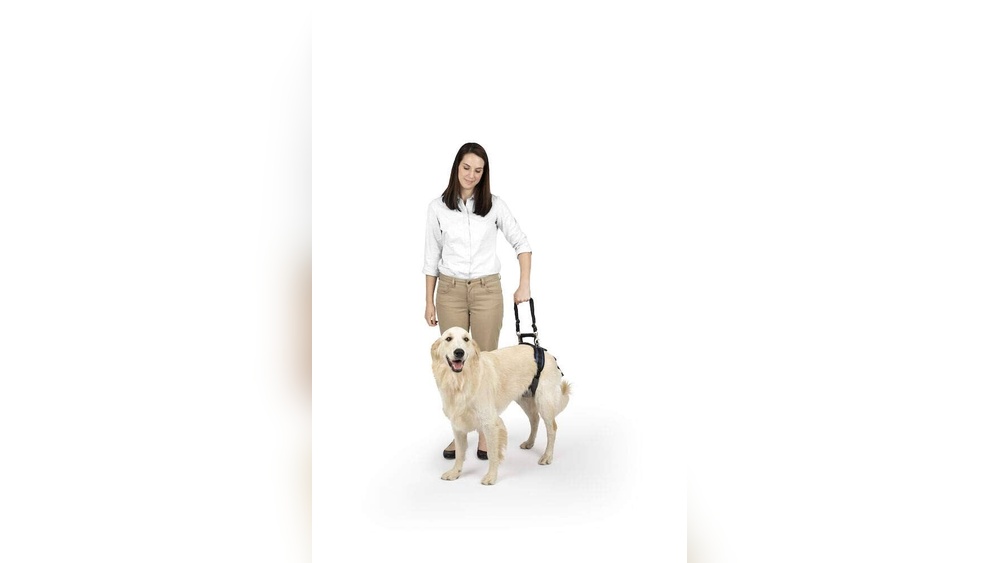
If your dog struggles with mobility or needs extra help walking, finding the best rear support harness can make a huge difference. You want something that’s comfortable, sturdy, and easy to use—something that truly supports your furry friend without causing discomfort.
You’ll discover top harnesses designed to give your dog the stability and confidence they deserve. Keep reading to find the perfect fit that will help your dog move with ease and joy again.

Credit: www.amazon.sa
Benefits Of Rear Support Harnesses
Rear support harnesses offer many advantages for dogs with mobility issues. These harnesses help dogs move more easily and safely. They also provide comfort and support for dogs with pain or weakness.
Using a rear support harness improves a dog’s quality of life. It allows owners to assist their pets without strain. Below are key benefits of these harnesses.
Improved Mobility
Rear support harnesses help dogs walk with less effort. They lift the back legs slightly to reduce pressure. This makes moving easier for dogs with weak hips or joints.
Dogs can enjoy longer walks and more playtime. The harness encourages natural movement without forcing the dog.
Enhanced Safety
The harness keeps dogs stable on uneven or slippery surfaces. It prevents falls and injuries by supporting the rear body. Owners can hold the harness handles to guide the dog safely.
This support reduces the risk of accidents inside and outside the home. It also helps dogs gain confidence while walking.
Pain Relief And Support
Rear support harnesses relieve pressure on sore muscles and joints. They provide gentle lifting to reduce pain during movement. This support can help dogs with arthritis or nerve damage.
The harness also promotes better posture and alignment. It helps dogs recover from injuries or surgery more comfortably.

Credit: walkinpets.com
Key Features To Look For
Choosing the best rear support harness for dogs needs careful thought. This harness helps dogs with weak hips or legs move better. Picking the right one can make a big difference. Some features matter more than others for comfort and support. These features help your dog stay safe and feel good.
Adjustability And Fit
A good harness must fit your dog well. Adjustable straps let you change the size. This ensures the harness is snug but not tight. A proper fit stops slipping and rubbing. It also helps support the dog’s body correctly. Measure your dog before buying. Check the harness fits different dog shapes and sizes.
Durability And Materials
Strong materials make the harness last longer. Look for nylon or heavy-duty fabric. These materials hold up to daily use and weather. Sturdy stitching keeps the harness from falling apart. Durable harnesses save money over time. Choose materials that resist wear and tear.
Ease Of Use
The harness should be easy to put on and take off. Simple clips and fasteners help with this. Fast adjustments are good for quick outings. A harness that is hard to use causes stress. A good design makes handling your dog easier. This is important for both you and your dog.
Comfort Padding
Soft padding protects your dog’s skin and fur. It stops chafing and soreness during walks. Look for breathable padding to keep your dog cool. Comfortable padding encourages your dog to wear the harness longer. This feature improves your dog’s overall experience.
Top Rear Support Harnesses Reviewed
Finding the right rear support harness helps dogs with mobility problems move better. These harnesses give extra support to the back legs and hips. They make walking easier and safer for dogs who need help. Below, some of the best rear support harnesses are reviewed. Each one fits different needs and dog sizes.
Best Overall Harness
The best overall rear support harness works well for most dogs. It offers strong back and leg support. Adjustable straps make it easy to fit different dog shapes. The material is soft but durable for daily use. This harness helps dogs walk steadily and comfortably.
Best For Large Breeds
Large dogs need a harness with extra strength and size. This harness has wide straps that hold bigger muscles and bones. It uses heavy-duty fabric that lasts long. The design supports the whole back and hips. Large dogs feel stable and safe wearing it.
Best For Small Dogs
Small dogs need a light and gentle harness. This one is made with soft, breathable fabric. It fits snugly without hurting sensitive skin. The harness supports the back legs while allowing freedom of movement. Small dogs can walk and play with ease.
Best Budget Option
This budget harness gives good support without high cost. It uses basic but strong materials. Adjustable straps help fit many dog sizes. The design focuses on comfort and ease of use. A smart choice for dog owners on a budget.
How To Measure Your Dog For A Harness
Choosing the right rear support harness means measuring your dog properly. A good fit keeps your dog safe and comfortable. Wrong sizing can cause rubbing or slipping. Follow these simple steps to get accurate measurements for the best fit.
Measuring Chest Girth
Chest girth is the widest part of your dog’s chest. Place the tape measure just behind the front legs. Wrap it all the way around the chest. Make sure the tape is snug but not tight. This measurement is crucial for harness size.
Measuring Neck Size
Measure around the base of your dog’s neck. This is where the collar usually sits. Keep the tape loose enough to fit two fingers underneath. Neck size helps ensure the harness won’t choke or irritate your dog.
Checking Fit And Adjustments
Try the harness on your dog after measuring. Adjust straps to fit comfortably but securely. The harness should not pinch skin or restrict movement. Check for any slipping or tight spots. A proper fit allows your dog to move freely.
Tips For Using Rear Support Harnesses
Using a rear support harness for your dog can make a big difference in their comfort and mobility. These harnesses help lift and support dogs with weak hips or legs. To get the best results, follow some simple tips. These tips will help keep your dog safe and happy while using the harness.
Proper Lifting Techniques
Lift your dog gently using the harness handles. Avoid pulling too hard on one side. Hold both handles evenly to support their weight. Keep your back straight to protect yourself. Lift with your legs, not your back. This prevents injury to both you and your dog. Move slowly and calmly to avoid startling your pet. Always check the harness fit before lifting.
Training Your Dog To Wear The Harness
Let your dog sniff and explore the harness first. Use treats to create a positive connection. Put the harness on for a short time at first. Praise your dog to encourage calm behavior. Gradually increase the time your dog wears it. Practice walking with the harness indoors before going outside. Patience helps your dog feel comfortable and safe.
Maintaining The Harness
Clean the harness regularly to keep it fresh and safe. Use mild soap and warm water for washing. Check for signs of wear or damage often. Replace the harness if straps or buckles are weak. Store it in a dry place away from sunlight. Proper care extends the life of the harness. A well-maintained harness works better and lasts longer.
Common Issues And Solutions
Choosing the best rear support harness for dogs can improve your pet’s mobility and comfort. Yet, some common issues may arise. Knowing how to fix these problems helps your dog enjoy the harness more. This section covers common issues and solutions to make your experience smooth.
Chafing And Skin Irritation
Chafing happens when the harness rubs against your dog’s skin. It causes redness or soreness. To stop this, pick a harness with soft, padded straps. Check the fit often. Too tight or loose harnesses cause rubbing. Clean the harness regularly to avoid dirt buildup. Using a protective balm on sensitive spots helps protect the skin.
Harness Slipping
Harness slipping means the harness moves out of place during walks. This can be unsafe. Choose a harness with adjustable straps. Make sure it fits snugly but not too tight. Some harnesses have non-slip pads that keep them in place. Check the fit before every walk. Replace worn or stretched straps to maintain grip.
Handling Stiff Or Weak Dogs
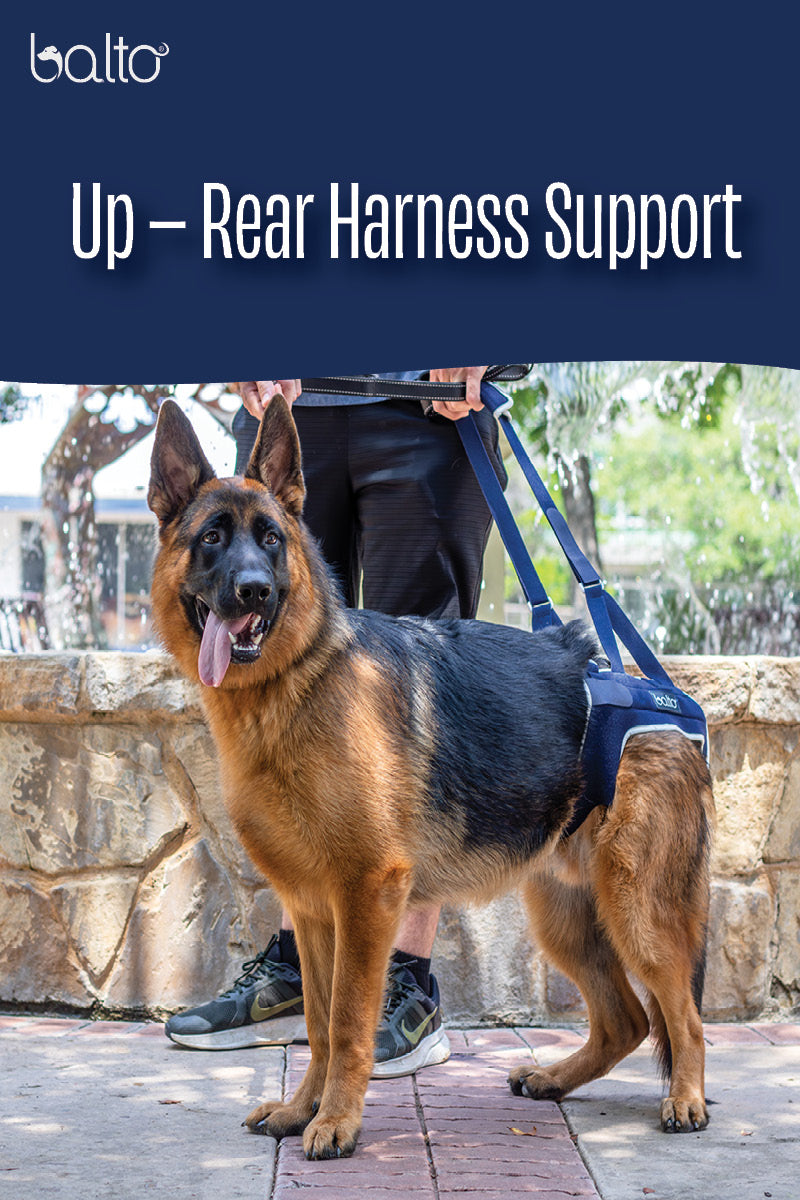
Dogs with stiffness or weak muscles need extra care. Use a rear support harness that lifts gently and evenly. Avoid harnesses with hard or sharp edges. Help your dog move slowly at first to get used to the support. Support handles can assist in lifting or steadying your dog. Always follow your vet’s advice on using the harness safely.
Credit: baltousa.com
Frequently Asked Questions
What Is A Rear Support Harness For Dogs?
A rear support harness helps dogs with mobility issues by supporting their hind legs. It eases walking and reduces strain on their back. This harness is ideal for older dogs or those recovering from injury or surgery. It improves comfort and stability during movement.
How Do I Choose The Best Rear Support Harness?
Choose a harness that fits your dog’s size and weight perfectly. Look for adjustable straps, durable materials, and padding for comfort. Consider your dog’s specific needs, such as extra support or ease of use. Reviews and recommendations can guide your purchase decision.
Can Rear Support Harnesses Help Dogs With Arthritis?
Yes, rear support harnesses provide extra stability and reduce pressure on arthritic joints. They help dogs maintain mobility and improve quality of life. Using a harness can prevent falls and support weaker hind legs effectively.
Are Rear Support Harnesses Suitable For All Dog Breeds?
Rear support harnesses are available for most dog breeds but must be sized correctly. Small breeds need lighter, flexible harnesses, while larger breeds require sturdy, supportive designs. Always check product specifications to ensure a proper fit for your dog’s breed and size.
Conclusion
Choosing the best rear support harness helps your dog move with ease. It supports weak hips and legs gently. Comfort and fit matter most for your pet’s safety. A good harness reduces pain and improves walking. Always check for durability and adjustability in the harness.
Your dog will enjoy walks more with proper support. Small steps lead to better mobility and happiness. Give your dog the care it deserves every day.