If your dog struggles with allergies, you know how tough it can be to find food that keeps them healthy without breaking the bank. You want the best for your furry friend, but expensive options aren’t always easy to afford.
What if you could give your dog relief and nutrition with food that fits your budget? You’ll discover the best inexpensive dog foods designed specifically for dogs with allergies. Keep reading to find affordable choices that can make a real difference in your dog’s comfort and happiness.
Credit: www.ksl.com
Causes Of Dog Allergies
Dog allergies happen when a dog’s immune system reacts to certain substances. These substances are called allergens. The immune system treats them as threats and causes allergic reactions. Allergies can come from many sources. Food is a common cause. Identifying the cause helps in managing the allergy better.
Common Allergens In Dog Food
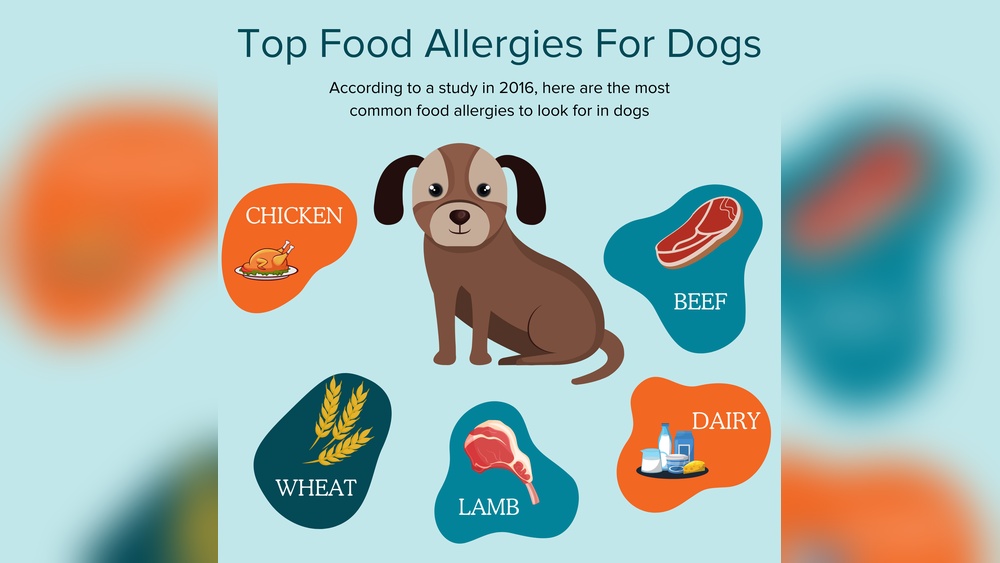
Many dog foods contain ingredients that can trigger allergies. Beef, chicken, and dairy are frequent culprits. Wheat, soy, and corn also cause allergies in some dogs. Artificial additives and preservatives can irritate sensitive dogs. Grain-free does not always mean allergy-free. Each dog reacts differently to food ingredients. Knowing common allergens helps choose better food options.
Symptoms To Watch For
Allergic dogs show clear signs of discomfort. Itching and scratching are the most common symptoms. Red, inflamed skin often appears on paws and ears. Hair loss happens from constant scratching. Dogs may lick or chew their paws a lot. Digestive issues like vomiting or diarrhea can occur. Early detection of symptoms can prevent severe problems.
:strip_icc()/Spruce-best-budget-dog-foods-5270232-97e8e65ac6e04bbfb145418bcf0eb897.jpg)
Credit: www.thesprucepets.com
Key Ingredients For Allergy Relief
Choosing the right ingredients in dog food helps reduce allergy symptoms. Dogs with allergies need gentle foods that avoid common triggers. Certain ingredients soothe the digestive system and calm skin irritation. Understanding key elements in allergy relief food guides better choices for your pet.
Hypoallergenic Protein Sources
Proteins can cause allergic reactions in many dogs. Hypoallergenic proteins come from less common animals. Examples include duck, rabbit, and venison. These proteins reduce the chance of an allergy flare-up. Hydrolyzed proteins are also good. They break down into tiny pieces, making allergies less likely.
Grain-free Vs Limited Ingredient Diets
Grain-free diets remove wheat, corn, and soy, common allergens for dogs. They help dogs sensitive to grains feel better. Limited ingredient diets have fewer components. This makes it easier to spot and avoid allergens. Both diets aim to lower allergy risks. Choose based on your dog’s specific needs and vet advice.
Benefits Of Affordable Allergy Dog Food
Affordable allergy dog food offers great benefits for pet owners and their dogs. It helps manage allergies without high costs. Dogs with allergies need special diets that avoid common triggers. Choosing budget-friendly options can keep your dog healthy and your wallet happy.
Cost-effective Nutrition
Affordable allergy dog food provides essential nutrients at a low price. These foods focus on simple ingredients that avoid allergens. Your dog gets balanced meals that support skin and coat health. You pay less but still feed your dog well. This helps maintain good health and reduces vet visits.
Quality Vs Price Balance
Finding the right balance between quality and price is important. Affordable allergy dog food often uses limited ingredients to reduce allergy risks. These foods avoid fillers and harmful additives. They offer good protein sources without expensive extras. This ensures your dog gets safe and nutritious food without overspending.
Top Budget-friendly Dog Foods For Allergies
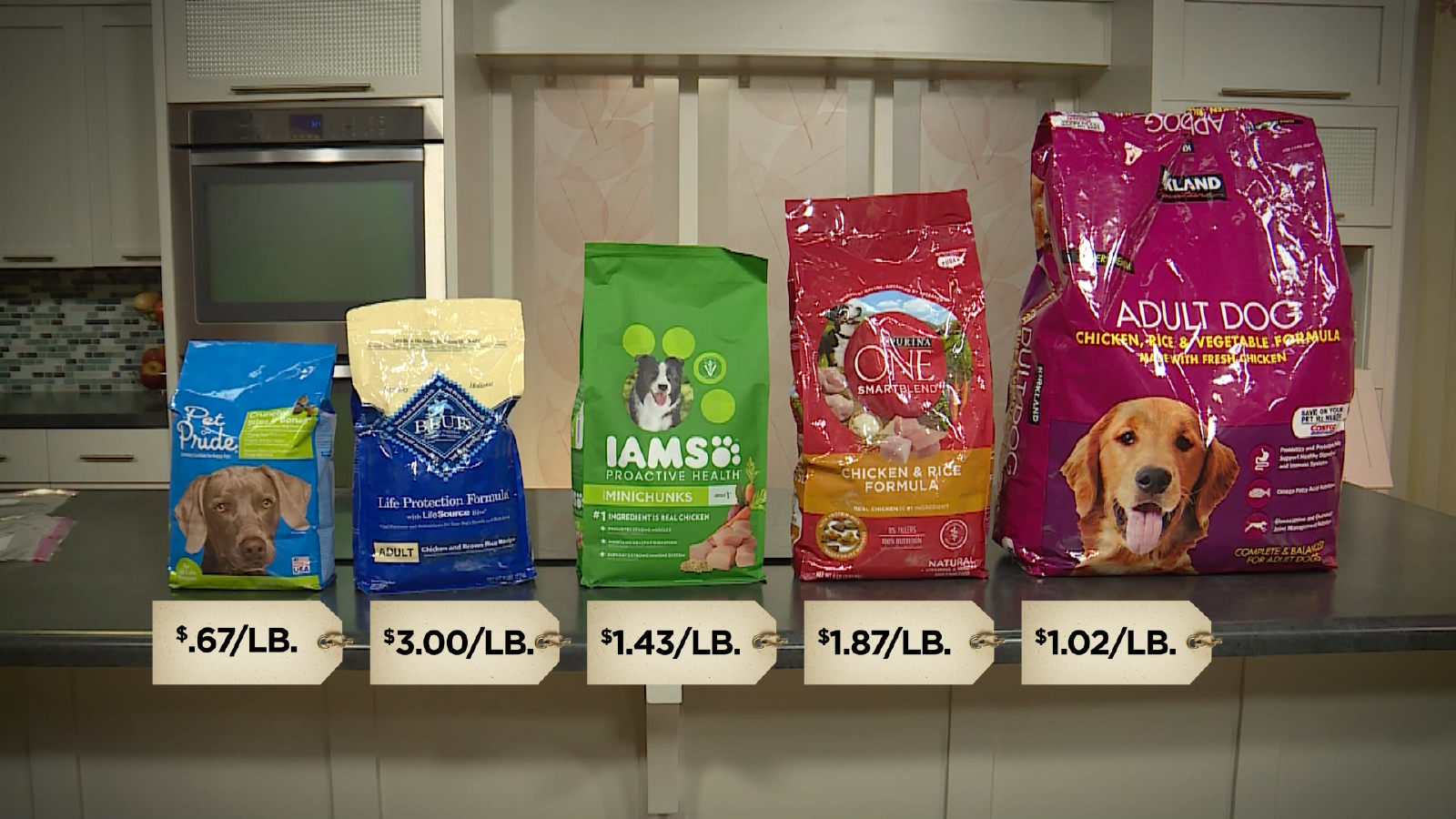
Finding the right dog food for allergies can be tough on a budget. Many special diets cost a lot. This section shares top affordable options that help manage allergies without breaking the bank. Each choice supports your dog’s health and comfort.
Best Dry Dog Foods
Dry dog food is easy to store and serve. Some brands offer limited ingredients to reduce allergic reactions. Look for foods with single protein sources like lamb or duck. Avoid common allergens such as wheat and soy. These dry options are both gentle and affordable.
Best Wet Dog Foods
Wet dog food has higher moisture, which helps dogs with sensitive skin. Many wet foods use simple recipes with natural ingredients. Choose products free from artificial colors and flavors. Wet food can be mixed with dry kibble to improve taste and digestion. These options suit picky eaters with allergies.
Best Raw And Freeze-dried Options
Raw and freeze-dried foods keep nutrients intact. They often contain minimal ingredients to lower allergy risks. These diets include fresh meats and vegetables without fillers. Freeze-dried meals are easy to prepare and store. These choices provide natural nutrition for dogs with sensitivities.
Tips For Transitioning Your Dog’s Diet
Changing your dog’s diet needs care and patience. Sudden food changes can upset their stomach. Allergies make the process even more delicate. Proper transition helps your dog adjust well to new food. It reduces the chance of digestive problems and allergic reactions. Follow these tips to make the switch smooth and safe.
Gradual Food Changes
Start by mixing a small amount of new food with the old. Increase the new food portion slowly over 7 to 10 days. Watch your dog’s eating habits and energy levels closely. Slow changes help the digestive system adapt without stress. Never switch all at once; it can cause vomiting or diarrhea.
Monitoring Allergic Reactions
Check your dog’s skin, ears, and eyes daily for signs of allergies. Look for itching, redness, swelling, or unusual odors. Watch for changes in behavior like scratching or licking paws more. Keep a journal of any symptoms and when they appear. This helps identify if the new food causes any problems. Contact your vet if severe reactions occur.

Credit: www.nbcnews.com
Additional Allergy Management Strategies
Managing dog allergies involves more than just food choices. Other strategies can help reduce symptoms and improve your dog’s comfort. These methods support the overall health of your dog and help control allergy triggers in their environment.
Supplements To Support Skin Health
Supplements can boost your dog’s skin health. Omega-3 fatty acids reduce itching and inflammation. They come from fish oil or flaxseed oil. Adding these to your dog’s diet can ease allergic reactions.
Probiotics improve gut health. A healthy gut strengthens the immune system. This may lower allergy symptoms over time. Always check with your vet before starting supplements.
Environmental Allergy Controls
Allergens in the environment can worsen symptoms. Regularly clean your dog’s bedding and toys. Use hypoallergenic cleaning products to reduce irritants.
Limit outdoor time during high pollen seasons. Wipe your dog’s paws and fur after walks. This removes pollen and dust that cause allergies.
Using air purifiers at home can reduce airborne allergens. Keeping your home clean supports allergy control.
Frequently Asked Questions
What Ingredients Are Best For Dogs With Allergies?
Hypoallergenic ingredients like lamb, rice, and sweet potatoes reduce allergy risks. Avoid common allergens such as wheat and soy. Limited ingredient diets help identify triggers. Always choose foods with natural, easily digestible components to support your dog’s health.
How To Identify Food Allergies In Dogs?
Watch for symptoms like itching, redness, ear infections, and digestive upset. Allergies may cause vomiting or diarrhea. If symptoms persist, consult a vet for allergy testing. Proper diagnosis helps select the best inexpensive dog food for allergies.
Are Grain-free Dog Foods Better For Allergies?
Grain-free dog foods can help if your dog is allergic to grains. However, not all allergic dogs need grain-free diets. Consult your vet before switching. The best inexpensive dog food for allergies balances nutrition and allergen avoidance.
Can Homemade Diets Help Allergic Dogs?
Yes, homemade diets allow control over ingredients, reducing allergens. They must be balanced and vet-approved to ensure nutritional adequacy. Homemade meals can be cost-effective and tailored to your dog’s specific allergies, providing relief and improved health.
Conclusion
Choosing the right dog food for allergies does not need to be expensive. Many affordable options provide good nutrition and reduce allergic reactions. Pay close attention to ingredients and your dog’s specific needs. Always watch for signs of improvement or discomfort.
Your dog’s health and happiness matter most. Simple, careful choices make a big difference. Keep your pet comfortable without overspending. The best food supports your dog’s wellbeing every day.