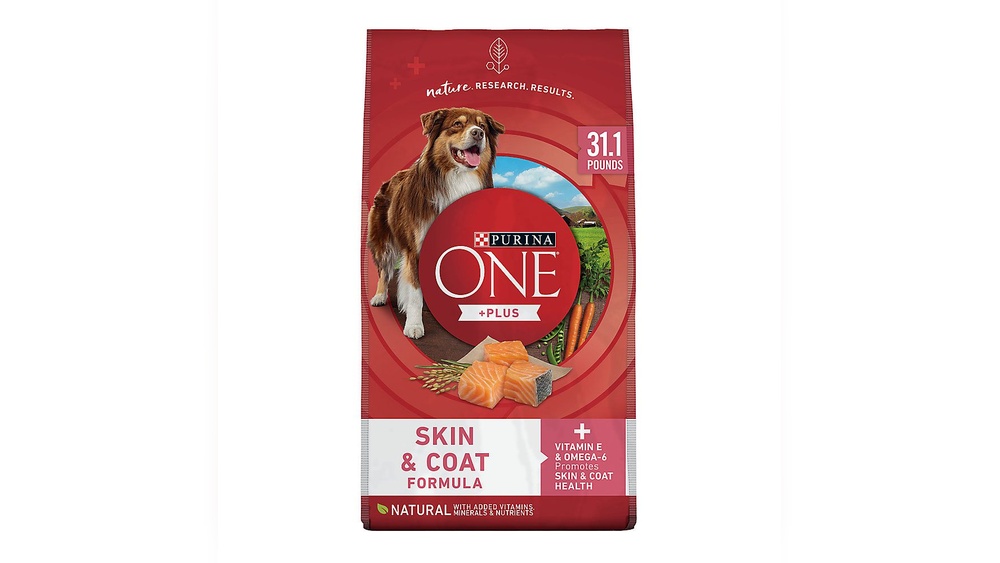
If your Labrador is struggling with allergies, finding the right food can feel overwhelming. You want to give your loyal friend meals that keep them healthy and happy without triggering itchy skin or upset stomachs.
But how do you choose the best dog food that meets these special needs? This guide will help you discover the top options designed specifically for Labradors with allergies. By the end, you’ll know exactly what to look for to keep your dog comfortable and full of energy.
Let’s dive in and find the perfect meal for your furry companion.
:strip_icc()/Spruce-best-dog-food-for-allergies-4173781-024027f06d344cd8acf7267d38694fa3.jpg)
Credit: www.thesprucepets.com
Labrador Allergies Explained
Labradors are friendly and active dogs. Many owners love their playful nature. Yet, some Labradors face allergies. These allergies can make your pet uncomfortable. Knowing about Labrador allergies helps you care better. Understanding symptoms and allergens is key. This knowledge guides you to choose the right food. Let’s explore what causes these allergies and their signs.
Common Allergy Symptoms
Labradors with allergies often scratch a lot. Their skin may become red or inflamed. Hair loss can happen in some areas. Some dogs lick their paws frequently. Ear infections may occur repeatedly. Digestive problems like vomiting or diarrhea are signs. These symptoms show your dog is not comfortable. Watching for these signs helps catch allergies early.
Typical Allergens In Dog Food
Certain ingredients in dog food can trigger allergies. Beef and chicken are common culprits. Dairy products may cause reactions in some dogs. Wheat, corn, and soy are frequent allergens. Eggs and fish can also cause problems. Artificial additives and preservatives might irritate sensitive dogs. Choosing hypoallergenic or limited ingredient foods helps. Understanding allergens avoids feeding your Labrador harmful foods.

Credit: www.nbcnews.com
Key Nutrients For Sensitive Labradors
Sensitive Labradors need special care in their diet. Their allergies can cause itching, redness, and upset stomach. Choosing the right nutrients helps soothe these problems and keeps them healthy.
Key nutrients support the skin, coat, and digestion of sensitive dogs. They reduce allergic reactions and improve overall comfort. Focus on ingredients that are gentle yet nourishing.
Essential Fatty Acids
Essential fatty acids like omega-3 and omega-6 are vital for sensitive Labradors. These fats help reduce inflammation in the skin. They also keep the coat shiny and soft.
Fish oil and flaxseed are good sources of these fatty acids. They calm itching and dryness linked to allergies. A balanced amount supports immune health too.
Hypoallergenic Protein Sources
Hypoallergenic proteins lower the risk of allergic reactions in Labradors. Novel proteins such as duck, venison, or rabbit are often used. These proteins are less likely to trigger sensitivities.
Hydrolyzed proteins break down into tiny pieces. This helps avoid immune system attacks. Choosing the right protein is key to managing food allergies.
Top Dog Food Types For Allergies
Choosing the right food helps manage your Labrador’s allergies well. Food allergies cause itching, redness, and upset stomachs. The right diet reduces these symptoms and improves your dog’s health.
Several dog food types work better for allergic Labradors. These foods avoid common allergens and support sensitive digestion. Understanding these options helps you pick the best one for your pet.
Limited Ingredient Diets
Limited ingredient diets have fewer ingredients than regular dog food. This reduces the chance of allergic reactions. Usually, these diets include one protein and one carbohydrate source.
Fewer ingredients make it easier to find the cause of allergies. These diets also contain no artificial colors or preservatives. They help sensitive Labradors feel better quickly.
Grain-free Formulas
Grain-free dog foods do not contain wheat, corn, or soy. These grains often trigger allergies in Labradors. Grain-free formulas use vegetables, potatoes, or legumes instead.
These foods support dogs with grain intolerance or sensitivity. They can reduce skin problems and digestive issues. Many Labradors find grain-free diets easier to digest.
Novel Protein Options
Novel proteins come from sources your dog has not eaten before. Examples include duck, venison, or kangaroo. These proteins lower the risk of allergic reactions.
Using novel proteins helps Labradors with common meat allergies. It gives them a new source of nutrition without causing symptoms. Novel protein diets often improve energy and coat health.
Best Dry Dog Foods For Allergic Labradors
Choosing the right dry dog food for Labradors with allergies can ease their discomfort. Allergies cause itching, redness, and upset stomachs. A special diet helps reduce these symptoms. Dry foods with limited ingredients work best. They avoid common triggers like wheat, corn, and soy. Protein sources like lamb or fish often suit sensitive Labradors.
High-quality dry dog food supports your Labrador’s skin and coat health. It also boosts their immune system. Look for foods with omega fatty acids and natural antioxidants. These ingredients soothe inflammation and improve overall well-being. Always check the label for clear, simple ingredients. Avoid artificial colors and preservatives.
Limited Ingredient Diets For Sensitive Labradors
Limited ingredient diets contain fewer components. This reduces allergy risks. They focus on one protein and one carbohydrate source. Common options include sweet potatoes and duck. These diets are easy to digest. They help identify specific allergens causing problems.
Grain-free Dry Dog Foods
Grain-free formulas eliminate wheat, corn, and soy. These grains often cause allergies in dogs. Grain-free foods use peas, potatoes, or lentils instead. They provide essential nutrients without triggering allergies. Many Labradors thrive on these diets.
Hypoallergenic Dry Dog Foods
Hypoallergenic foods use proteins broken into tiny parts. These parts are less likely to cause allergies. Hydrolyzed protein is common in such diets. These foods help Labradors with severe allergies. They are often recommended by veterinarians.
Best Wet Dog Foods For Allergic Labradors
Choosing the best wet dog food helps allergic Labradors stay healthy and happy. Wet foods often contain fewer fillers and artificial ingredients that trigger allergies. They also provide extra moisture, which supports your dog’s skin and coat.
Wet dog food with limited ingredients reduces the chance of allergic reactions. High-quality proteins from novel sources help avoid common allergens like chicken or beef. Balanced nutrition ensures your Labrador gets all needed vitamins and minerals.
Hydrolyzed Protein Wet Dog Foods
Hydrolyzed protein breaks down proteins into small pieces. This process stops the immune system from reacting badly. These foods are great for dogs with severe allergies or sensitive stomachs. They provide nutrition without causing itching or digestive issues.
Grain-free Wet Dog Foods
Some Labradors react to grains like wheat or corn. Grain-free wet foods exclude these ingredients. They use alternative carbs like sweet potatoes or peas. This helps reduce allergy symptoms and improves digestion.
Limited Ingredient Wet Dog Foods
Limited ingredient diets use fewer ingredients to lower allergy risks. They often feature one protein and one carbohydrate source. This makes it easier to spot and avoid allergens. These foods support dogs with multiple food sensitivities.
Novel Protein Wet Dog Foods
Novel proteins come from uncommon sources like duck, venison, or fish. Labradors rarely encounter these proteins in their diet. This lowers the chance of allergy development. Novel protein wet foods offer variety and nutrition without triggers.
Homemade Diets For Allergic Labradors
Homemade diets offer a good option for Labradors with allergies. Cooking at home lets you control every ingredient your dog eats. This helps avoid allergens and keeps your dog healthy. It also allows you to include fresh and natural foods. Many dog owners find homemade meals to be gentle on sensitive stomachs.
Preparing food at home takes time and care. You must balance nutrients well for your dog’s health. Consulting a vet or pet nutritionist is important. They help create meals that meet your Labrador’s needs. Homemade diets can improve your dog’s skin, coat, and energy.
Safe Ingredients To Use
Choose simple, fresh ingredients that rarely cause allergies. Lean meats like turkey, lamb, or duck are good protein sources. Avoid common allergens like beef, chicken, or soy. Use vegetables such as carrots, green beans, and sweet potatoes. These provide fiber and vitamins without causing irritation. Rice and quinoa are gentle carbohydrates that suit sensitive dogs. Avoid onions, garlic, and artificial additives as they can harm dogs. Fresh water should always be available alongside meals.
Sample Recipes
Try this basic recipe: cook ground turkey with sweet potatoes and green beans. Add a small amount of cooked rice for extra energy. Mix in fish oil for healthy fats and a shiny coat. Another option is lamb with carrots and quinoa. Boil the lamb and vegetables until soft. Cool before serving to avoid burns. Always serve portions based on your dog’s size and activity level. Rotate ingredients to keep meals interesting and balanced.
Tips To Manage Labrador Allergies
Managing allergies in Labradors requires careful attention and patience. Allergies can cause itching, redness, and discomfort. Understanding how to control these symptoms helps your dog live happily.
Using the right approach to identify allergens and reduce exposure is key. Simple steps can make a big difference in your Labrador’s health.
Elimination Diet Trials
Elimination diet trials help find food triggers causing allergies. Start by feeding a simple diet with one protein and one carb source. Avoid treats and other foods during this time.
After a few weeks, slowly add new foods one at a time. Watch for allergic reactions like itching or upset stomach. This process helps identify foods to avoid.
Consulting Your Veterinarian
Your veterinarian guides allergy management and confirms diagnosis. They may suggest allergy tests or special diets. Follow their advice for medication or supplements.
Regular check-ups ensure your Labrador stays healthy and comfortable. Never change diet or medication without talking to your vet first.

Credit: americannaturalpremium.com
Frequently Asked Questions
What Ingredients Should Labrador Allergy Dog Food Avoid?
Labrador allergy dog food should avoid common allergens like wheat, soy, corn, and artificial additives. Limited ingredient diets help reduce allergic reactions. Novel proteins such as duck or salmon are often safer choices to prevent allergies in Labradors.
How To Choose The Best Hypoallergenic Dog Food?
Choose hypoallergenic dog food with limited, high-quality ingredients. Look for grain-free options and novel protein sources. Check for absence of common allergens and consult your vet for personalized recommendations.
Can Homemade Diets Help Labradors With Allergies?
Yes, homemade diets allow full control over ingredients, reducing allergens. They must be balanced nutritionally, so consult a vet or pet nutritionist before starting. Homemade meals can improve allergy symptoms effectively with proper guidance.
How Long To See Results With Allergy Dog Food?
It usually takes 6 to 8 weeks to notice improvement. Consistent feeding of allergy-friendly food helps reduce symptoms like itching and skin irritation. Monitor your Labrador closely and consult your vet if symptoms persist.
Conclusion
Choosing the right food helps your Labrador feel better daily. Allergies can make dogs uncomfortable and tired. Feeding them with care supports their health and happiness. Always check ingredients to avoid triggers. Consult your vet if unsure about food choices.
A healthy diet keeps your dog active and strong. Small changes make a big difference over time. Your Labrador deserves the best food for a joyful life. Keep learning and adjusting to meet your dog’s needs.