
Taking care of your small dog’s teeth is more important than you might think. Just like you, your furry friend needs a toothbrush that fits perfectly and cleans thoroughly.
But with so many options out there, how do you find the best toothbrush for your small dog? You’ll discover simple tips and top picks that make brushing easy and effective. Keep reading to give your dog a healthier smile and fresher breath every day.
Why Dental Care Matters For Small Dogs
Dental care plays a big role in the health of small dogs. Their tiny mouths make them prone to specific dental problems. Clean teeth help small dogs eat well and stay happy. Taking care of their teeth can prevent pain and costly vet visits. Good dental habits lead to a better life for your small dog.
Common Dental Issues In Small Breeds
Small dog breeds often face dental troubles more than larger dogs. Their teeth are closer together, which makes plaque buildup easier. This can cause tartar, bad breath, and gum disease. Some small dogs lose teeth early due to poor dental health. Tooth decay and infections are also common problems. Regular cleaning helps stop these issues before they get worse.
Benefits Of Regular Brushing
Brushing your small dog’s teeth regularly keeps their mouth clean and fresh. It removes plaque and stops tartar from forming. Healthy teeth and gums reduce the chance of pain and infections. Regular brushing also helps avoid bad breath. Dogs with clean teeth can chew their food better. This simple habit supports their overall health and happiness.
Key Features Of Ideal Toothbrushes
Choosing the best toothbrush for a small dog means knowing what features matter most. The right toothbrush helps keep your dog’s teeth clean and healthy. It also makes brushing easier for you and more comfortable for your pet. Key features include size, bristle type, and handle design.
Size And Shape Considerations
Small dogs have tiny mouths. A toothbrush must fit well inside without causing discomfort. A compact head helps reach all teeth, even in the back. Slim and angled shapes work best for easy access. Avoid large or bulky brushes that might hurt your dog.
Bristle Type And Softness
Soft bristles protect sensitive gums. Hard bristles can cause pain or damage. Look for gentle nylon bristles that clean well without scratching. The bristles should be firm enough to remove plaque but soft enough to avoid irritation. This keeps brushing safe and pleasant.
Handle Design And Grip
A good handle gives control and comfort. Non-slip grips prevent slipping during brushing. Handles that fit your hand well reduce strain. Some toothbrushes have angled handles to reach difficult spots easily. A strong grip helps you brush your dog’s teeth thoroughly.
Top Toothbrushes For Small Dogs
Choosing the right toothbrush for small dogs is important for their dental health. Small dogs have tiny mouths and sensitive teeth. This means a toothbrush must be gentle and the right size. The right brush helps clean teeth well and keeps gums healthy. There are different types of toothbrushes made for small dogs. Each type has its own benefits and suits different needs.
Manual Toothbrushes
Manual toothbrushes are the most common choice for small dogs. They have soft bristles that clean teeth without hurting gums. The brush heads are small to fit tiny mouths easily. These brushes give control over brushing pressure and speed. They are simple to use and easy to find at stores. Manual brushes work well for daily cleaning routines.
Finger Toothbrushes
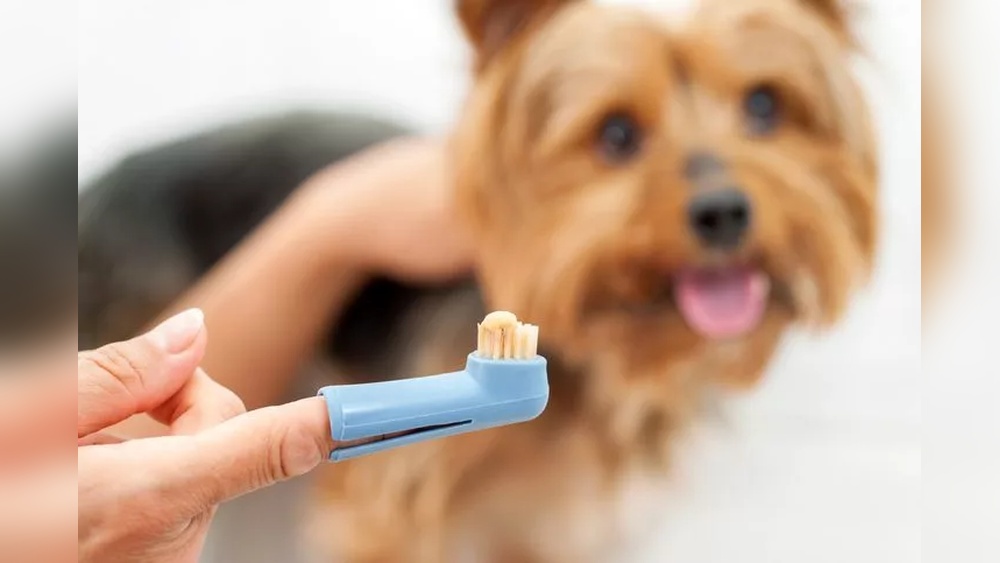
Finger toothbrushes fit over your finger like a cap. This design lets you feel your dog’s teeth and gums while brushing. They have soft bristles that gently clean teeth. Finger brushes are great for dogs not used to regular brushing. They help you reach tight spots inside the mouth. Many pet owners find them easy to use and less scary for dogs.
Electric Toothbrush Options
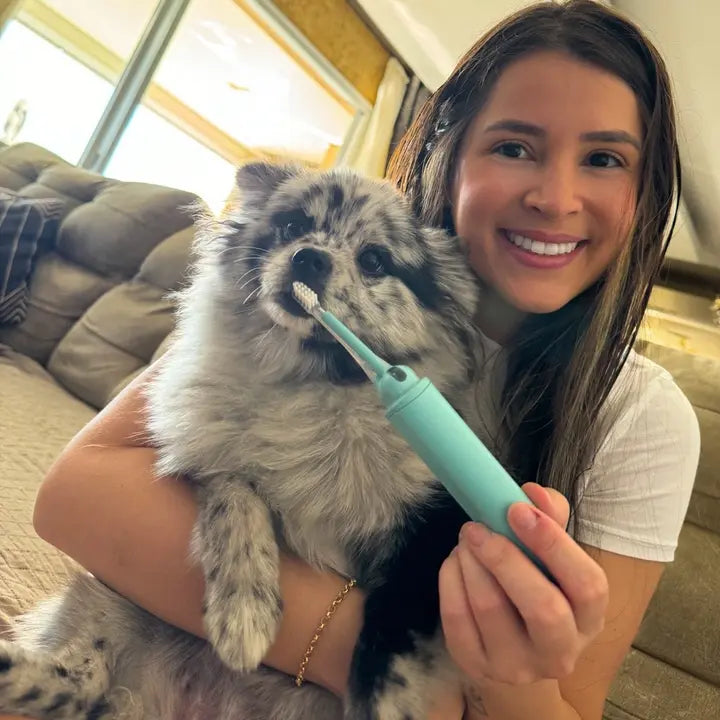
Electric toothbrushes offer gentle vibrations to clean teeth better. Some models have small heads designed for small dogs. The vibrating action helps remove plaque quickly. Electric brushes are good for dogs with stubborn tartar. They can reduce brushing time and effort. Use electric toothbrushes with care to avoid hurting your dog’s mouth.
Credit: ca.wagbright.com
Choosing The Right Toothpaste
Choosing the right toothpaste for your small dog is very important. Dogs cannot use human toothpaste. It has ingredients that can harm them. You need toothpaste made just for dogs. It cleans their teeth and keeps their mouth healthy.
Some toothpastes are better than others. The right toothpaste will help prevent bad breath and dental disease. It also makes brushing easier for both you and your dog. Let’s look at what to find in a good dog toothpaste.
Safe Ingredients For Dogs
Dog toothpaste must have safe ingredients only. Avoid fluoride and xylitol. These are toxic to dogs. Look for natural ingredients like aloe vera and baking soda. These clean teeth gently without hurting gums. Enzymes in toothpaste help break down plaque. They keep your dog’s mouth fresh and healthy.
Check labels carefully. Choose toothpaste approved by vets or pet dental groups. Safety is the top priority.
Flavors Dogs Enjoy
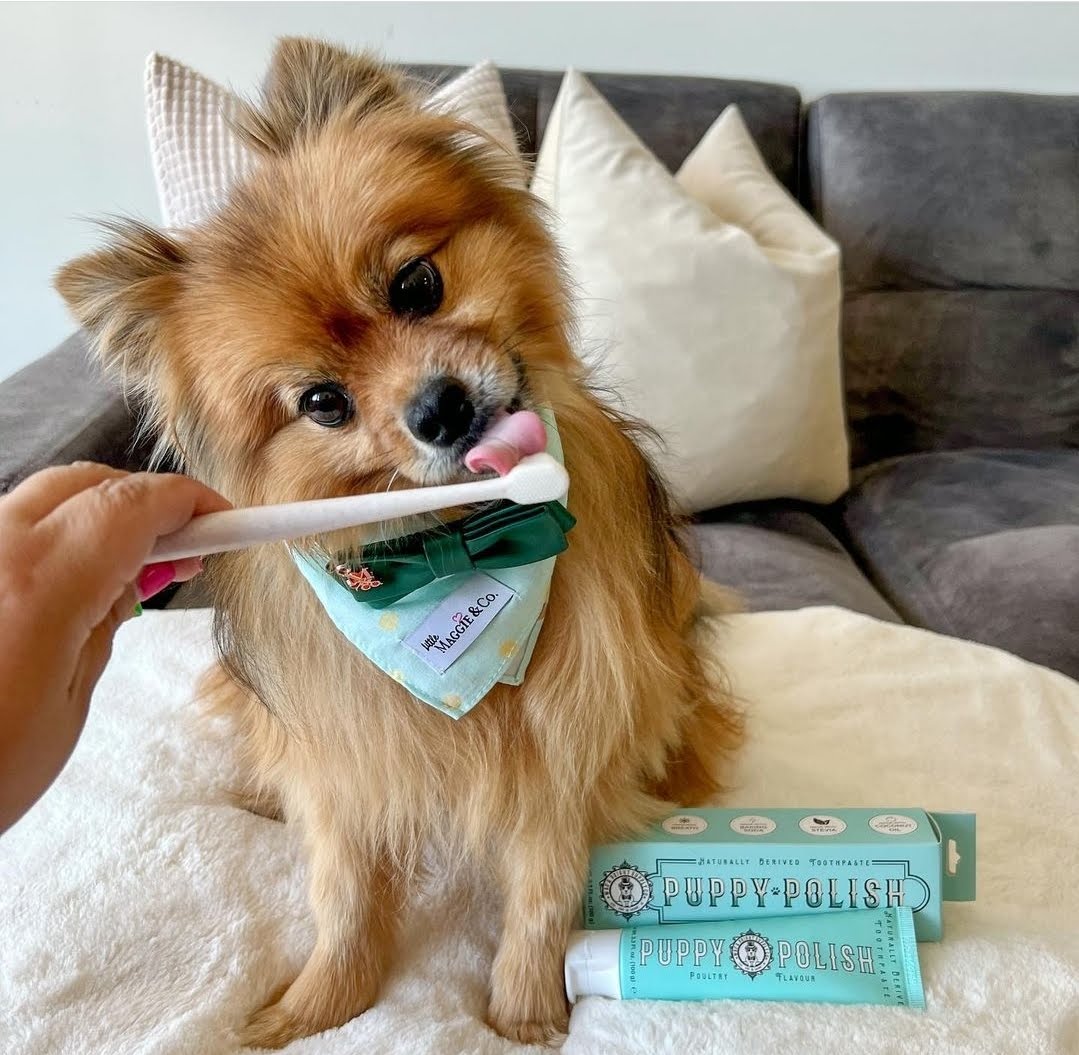
Dogs prefer tasty toothpaste. Common flavors include poultry, beef, and peanut butter. These flavors make brushing more pleasant for your dog. It helps them stay calm and cooperative.
Try different flavors to find the one your dog likes best. A pleasant taste encourages regular brushing. It also reduces stress during dental care.
Tips For Effective Brushing
Brushing your small dog’s teeth is important for their health. It helps stop bad breath, tooth decay, and gum disease. Effective brushing needs patience and the right approach. This guide shares simple tips to make brushing easier for you and your dog.
Getting Your Dog Comfortable
Start slowly by letting your dog smell the toothbrush. Use a soft brush made for small dogs. Let your dog taste a little dog-friendly toothpaste. Gently touch their teeth and gums with your finger first. Give praise and treats to build trust. Keep the first sessions short and calm.
Brushing Techniques
Hold the brush at a 45-degree angle to the teeth. Use small, gentle circles on the outer teeth. Focus on the gum line where plaque hides. Brush the front and back teeth carefully. Avoid pushing too hard to protect gums. Use slow, calm movements to keep your dog relaxed.
Frequency And Routine
Brush your dog’s teeth at least three times a week. Daily brushing is best for strong oral health. Choose a consistent time that fits your routine. Make brushing part of your daily care habits. Regular brushing helps your dog get used to it. Reward your dog after every session to encourage good behavior.
Credit: www.betterandbetter.com
Alternative Dental Care Options
Taking care of your small dog’s teeth is important for their health. Brushing is great, but other options can help too. These alternatives support clean teeth and fresh breath. They are easy to add to your dog’s routine.
Dental Chews And Toys
Dental chews help reduce plaque and tartar. They also massage gums and freshen breath. Choose chews made for small dogs to avoid choking. Toys with ridges or bumps clean teeth while your dog plays. These options keep your dog busy and healthy.
Professional Cleanings
Vet cleanings remove plaque that brushing misses. A professional cleaning keeps your dog’s mouth healthy. It also prevents bad breath and gum disease. Regular check-ups help catch problems early. Trust your vet to care for your dog’s teeth safely.

Credit: www.amazon.com
Frequently Asked Questions
What Is The Best Toothbrush Type For Small Dogs?
Soft-bristled toothbrushes designed for small dog mouths work best. They gently clean teeth without hurting gums. Look for small brush heads or finger brushes for better control and comfort.
How Often Should I Brush My Small Dog’s Teeth?
Brush your small dog’s teeth at least 2-3 times weekly. Daily brushing is ideal for optimal dental health. Regular brushing helps prevent plaque, tartar, and bad breath.
Can I Use Human Toothpaste For My Small Dog?
No, never use human toothpaste. It contains harmful ingredients like fluoride. Use toothpaste formulated specifically for dogs to ensure safety and effectiveness.
Are Finger Toothbrushes Better For Small Dogs?
Finger toothbrushes offer better control and are less intimidating. They fit your finger and allow gentle cleaning in tight spaces. Many pet owners find them ideal for small dogs.
Conclusion
Choosing the right toothbrush keeps your small dog’s teeth clean and healthy. Soft bristles protect sensitive gums and reach tiny teeth easily. Regular brushing helps prevent bad breath and dental problems. Small dogs need gentle care for their mouths. A good toothbrush makes brushing simple and stress-free.
Remember, healthy teeth mean a happier pet. Start brushing today for lasting dental health.


