Is your dog struggling to shed some extra pounds? Finding the best dog food to help your furry friend lose weight can be tricky.
You want something healthy, tasty, and effective—but with so many options, where do you start? This guide will help you discover the right food to support your dog’s weight loss journey. By choosing the right diet, you’re not only improving their appearance but also boosting their energy and overall health.
Keep reading to learn how to make the best choice for your dog’s wellbeing.
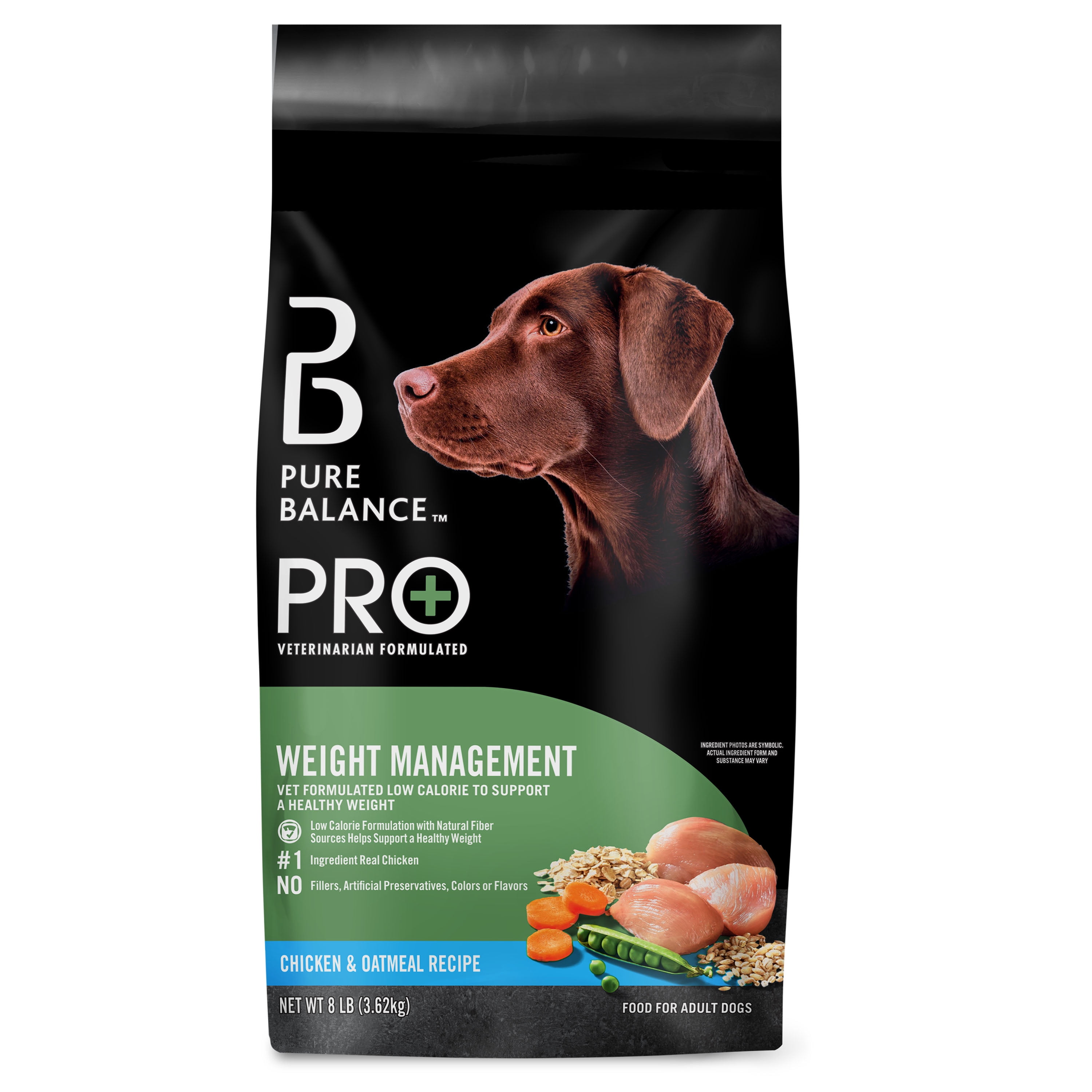
Credit: www.walmart.com
Why Weight Management Matters
Weight management is key to your dog’s long and happy life. Keeping your dog at a healthy weight improves their comfort and energy. It also helps prevent many health problems. Understanding why weight control matters helps you take better care of your pet.
Health Risks Of Overweight Dogs
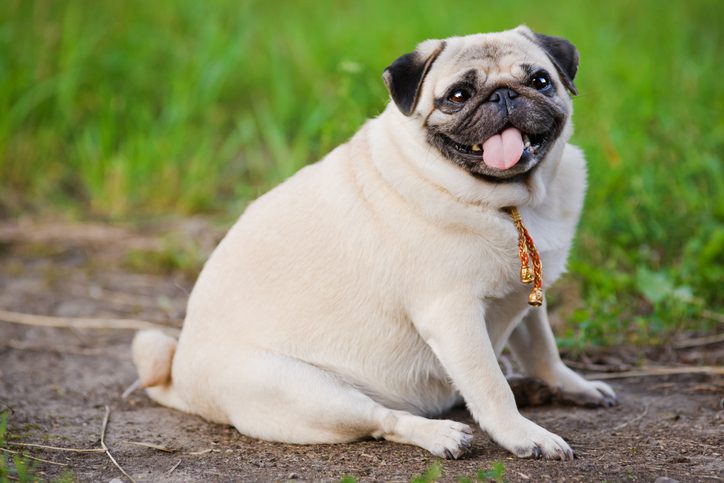
Extra weight puts stress on your dog’s heart and joints. It can cause diabetes, breathing problems, and a shorter life. Overweight dogs often feel tired and move less. This can lead to muscle loss and weak bones. The risk of arthritis and injuries grows with excess weight.
Benefits Of Healthy Weight
A healthy weight keeps your dog active and happy. Dogs with proper weight have stronger muscles and better breathing. They heal faster and live longer lives. Healthy weight also improves mood and behavior. Your dog will enjoy walks and playtime more.
Key Ingredients For Weight Loss
Choosing the right food helps dogs lose weight safely and steadily. Some dog food types support weight loss better than others. These options focus on fewer calories and balanced nutrition. Here are the top dog food types that promote healthy weight loss.
Dry Kibble Options
Dry kibble is popular and easy to measure. Weight loss kibble has fewer calories and more fiber. Fiber helps dogs feel full without extra calories. Many brands add protein to keep muscles strong. Kibble also helps clean teeth during chewing.
Wet Food Choices
Wet food has high moisture, which helps dogs feel full. It usually contains fewer carbohydrates and more protein. Wet food can be lower in calories than regular canned food. Some dogs find it tastier, encouraging better eating habits. Always check the calorie content on the label.
Raw And Homemade Diets
Raw and homemade diets allow control over ingredients. They can include lean meats, vegetables, and supplements. These diets reduce fillers and unhealthy fats. Preparing fresh meals helps manage calorie intake. Consult a vet to balance nutrients correctly for weight loss.
Top Dog Food Types For Weight Loss
Choosing the right dog food brand is key to helping your dog lose weight safely. Many brands offer formulas designed to support weight loss and maintain good health. These foods focus on balanced nutrition and controlled calories. Finding a trusted brand gives you confidence in your choice.
Below are some top dog food brands that work well for weight management. They range from vet-recommended to budget-friendly and premium options.
Veterinarian-recommended Brands
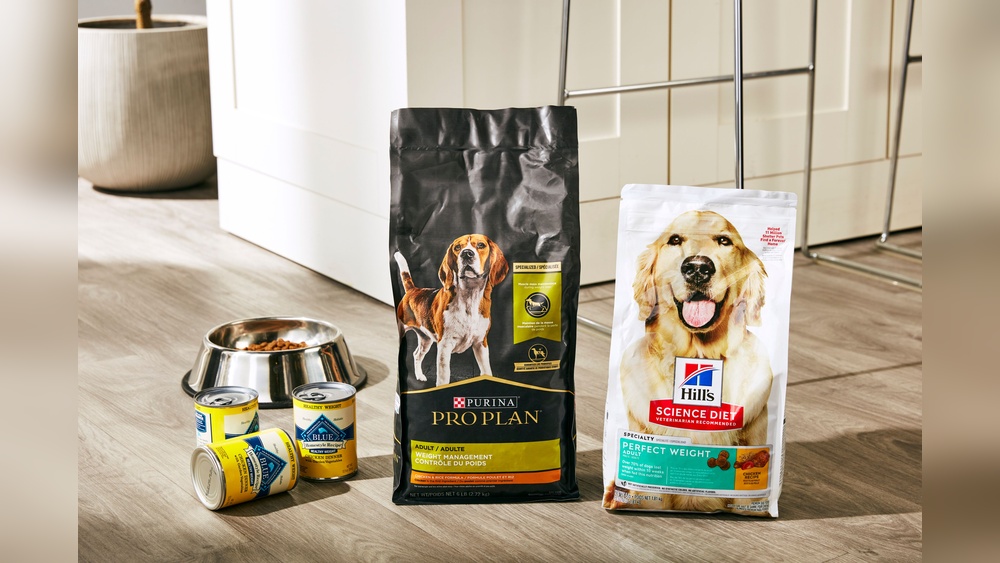
Brands like Hill’s Science Diet and Royal Canin often appear in veterinary clinics. These companies create special weight management recipes backed by research. Their foods contain high-quality protein and fiber to keep dogs full longer. Many vets trust these brands to support healthy weight loss safely.
Affordable Quality Options
Not all good dog food must be expensive. Brands such as Blue Buffalo Basics and Nutro offer balanced diets at a reasonable price. These brands use natural ingredients with fewer fillers. They provide essential nutrients and calorie control without breaking the bank.
Premium And Organic Choices
Some pet owners prefer organic or all-natural dog foods. Brands like Wellness Core and Castor & Pollux focus on organic ingredients and no artificial additives. Their formulas often include lean meats and superfoods. These options suit dogs with sensitive stomachs or special dietary needs.
Best Dog Food Brands To Consider
Switching your dog to weight loss food needs care and patience. Sudden changes can upset their stomach or cause refusal to eat. Follow smart steps to make the change smooth and stress-free for your dog.
Gradual Switching Process
Start by mixing a small amount of the new food with the old. Slowly increase the new food’s share over 7 to 10 days. This gentle change helps your dog’s digestive system adjust. Watch if your dog accepts the new taste well.
Monitoring Your Dog’s Reaction
Check your dog’s stool, energy, and appetite daily. Notice any signs of discomfort or allergy like itching or vomiting. If problems occur, slow the transition or consult a vet. Your dog’s comfort is a top priority.
Adjusting Portions And Feeding Schedule
Follow the weight loss food’s feeding guidelines closely. Adjust portions based on your dog’s weight and activity level. Divide meals into smaller, more frequent servings to boost metabolism. Keep feeding times consistent to support healthy habits.
Tips For Transitioning To Weight Loss Food
Helping your dog lose weight needs more than just the right food. Other steps can make a big difference. These help keep your dog active and healthy. They also support the diet changes you make. Here are some key strategies to try alongside the best dog food for weight loss.
Increased Exercise And Activity
Exercise burns calories and builds muscle. Start with short walks and play sessions. Slowly increase the time and intensity. Try games like fetch or tug-of-war. These keep your dog moving and interested. Daily activity helps your dog lose weight safely.
Treats And Snacks Control
Many treats add extra calories. Choose low-calorie or healthy treats. Limit the number of treats each day. Use treats to reward good behavior, not often. Try vegetables like carrots or green beans as snacks. This controls calorie intake and supports weight loss.
Regular Vet Checkups
Weight loss needs monitoring by a vet. Regular checkups track your dog’s progress. The vet can adjust the diet and exercise plan. They check for health problems that affect weight. Keep vet visits on schedule for the best results.

Credit: www.myollie.com
Credit: lakecityanimalhospital.com
Frequently Asked Questions
What Ingredients Should I Look For In Dog Weight Loss Food?
Look for high protein, low fat, and fiber-rich ingredients. These help keep dogs full and maintain muscle. Avoid fillers like corn and soy. Natural, wholesome ingredients improve digestion and energy levels during weight loss.
How Much Should I Feed My Dog To Lose Weight?
Feed smaller portions than usual, based on your vet’s advice. Measure food accurately and avoid free feeding. Portion control combined with regular exercise aids safe and effective weight loss.
Can Grain-free Dog Food Help With Weight Loss?
Grain-free food isn’t necessarily better for weight loss. Focus on calorie content and nutrient balance instead. Some dogs may benefit from grain-free diets due to allergies, but it’s not a weight loss guarantee.
How Long Does It Take For Dog Food To Show Weight Loss Results?
Typically, results appear within 6 to 12 weeks. Consistency in feeding and exercise is key. Regular vet checkups ensure progress and adjust plans if needed.
Conclusion
Choosing the right dog food helps your pet lose weight safely. Healthy ingredients support good digestion and energy. Keep portion sizes controlled and feed on schedule. Regular exercise boosts weight loss and overall health. Watch your dog’s progress and adjust food if needed.
A balanced diet improves your dog’s happiness too. Small changes make a big difference over time. Your dog deserves a healthy, happy life.