
If your dog struggles with allergies, you know how tough it can be to find the right food. You want something simple, safe, and effective—something that won’t upset their sensitive stomach or skin.
That’s where limited ingredient dog food comes in. These special formulas focus on just a few key ingredients, reducing the chance of allergic reactions and helping your furry friend feel their best. Keep reading to discover the best options that will make mealtime easier and healthier for your dog.
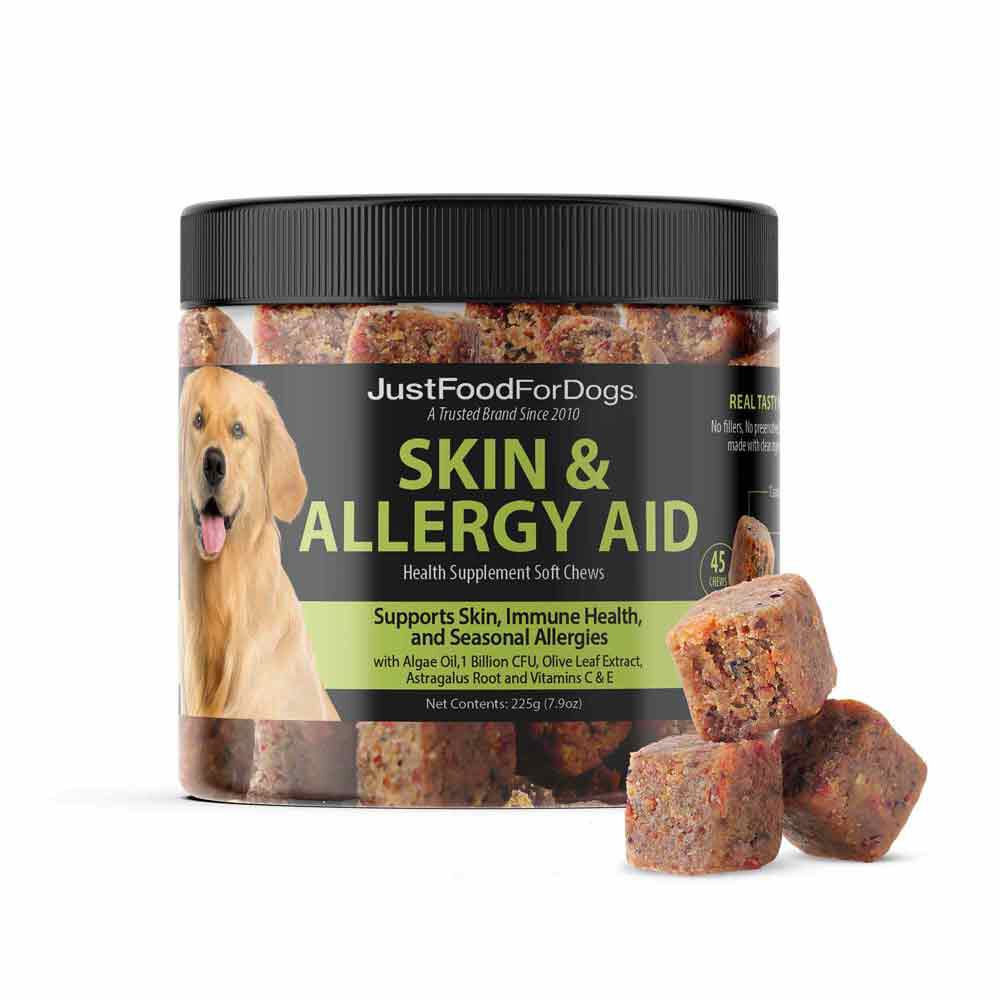
Credit: www.justfoodfordogs.com
Why Choose Limited Ingredient Dog Food
Choosing the right food for dogs with allergies is very important. Limited ingredient dog food offers a simple way to reduce allergy problems. It contains fewer ingredients, which helps avoid common triggers. This type of food focuses on quality and ease of digestion. Dogs with sensitive stomachs or skin often feel better with limited ingredient diets.
Benefits For Allergic Dogs
Limited ingredient dog food reduces the chance of allergic reactions. Fewer ingredients mean fewer chances for allergens to harm your dog. It supports better digestion and less itching. Dogs often have shinier coats and healthier skin after switching. These foods make it easier to identify what causes allergies.
Common Allergens In Dog Food
Many dog foods contain ingredients that trigger allergies. Common allergens include beef, dairy, wheat, soy, and chicken. These ingredients can cause itching, ear infections, or upset stomachs. Some dogs also react to artificial additives and preservatives. Avoiding these allergens helps improve your dog’s health.
How Limited Ingredients Help
Limited ingredient dog food uses fewer, simple ingredients. It usually contains one protein and one carbohydrate source. This makes it easier to spot and remove allergens. The food is gentle on the stomach and easier to digest. It supports your dog’s overall well-being and comfort.
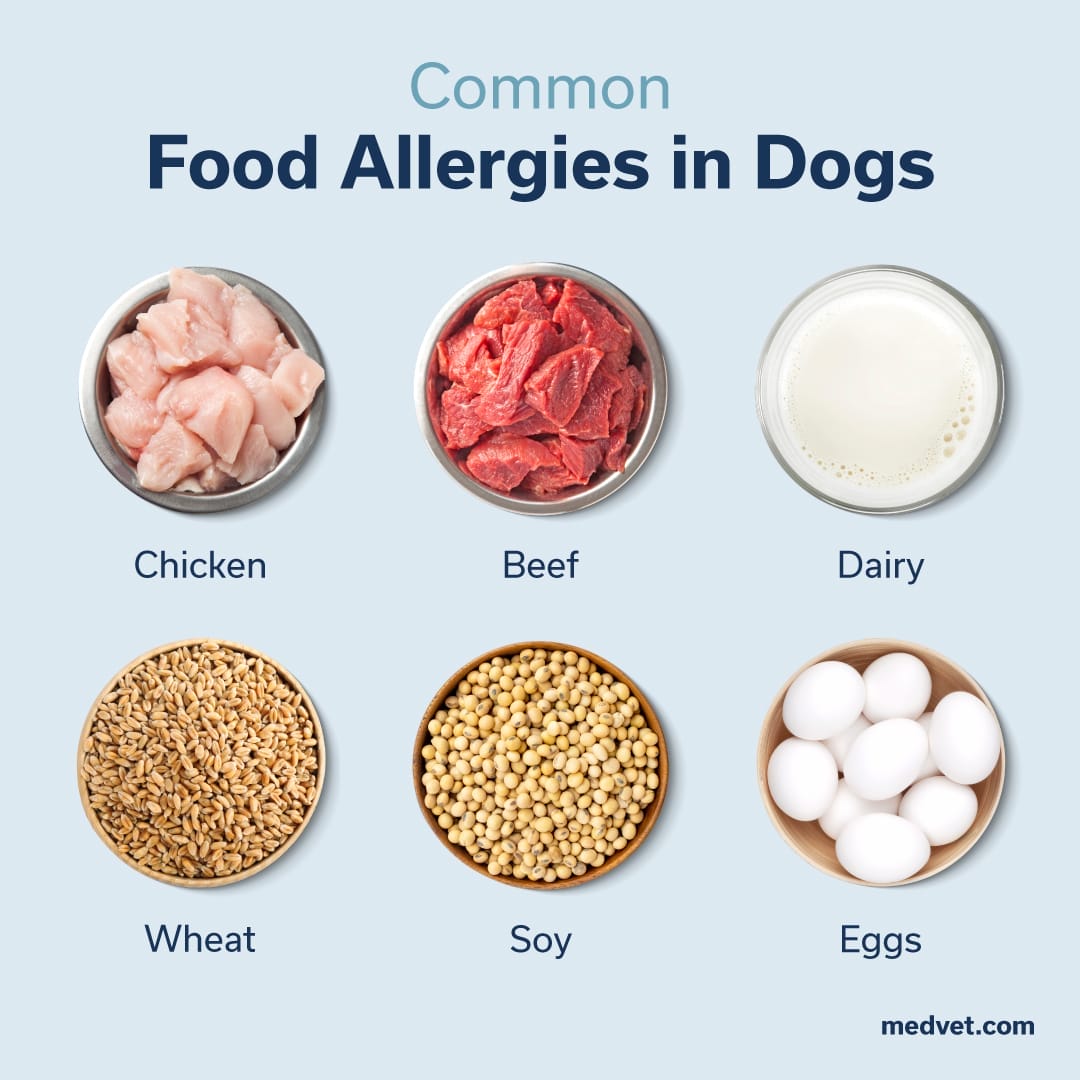
Credit: myvalorhealth.com
Key Ingredients To Look For
Choosing the right ingredients in limited ingredient dog food is important for dogs with allergies. The goal is to avoid common allergens and provide balanced nutrition. Simple, natural ingredients help reduce the chance of allergic reactions. Focus on a few key components that support your dog’s health and digestion.
Novel Proteins
Novel proteins are proteins your dog has not eaten before. These include duck, venison, or rabbit. They help reduce allergy risks. Dogs allergic to chicken or beef may tolerate these better. Novel proteins support muscle health and energy without triggering reactions.
Simple Carbohydrates
Simple carbohydrates like sweet potatoes or peas offer easy digestion. They provide energy without causing stomach upset. Avoid grains like wheat or corn, which can cause allergies. Simple carbs also support a healthy gut and steady energy levels.
Essential Nutrients
Essential nutrients include vitamins, minerals, and fatty acids. These keep your dog’s skin, coat, and immune system strong. Omega-3 and Omega-6 fatty acids reduce inflammation and improve coat health. Balanced nutrients ensure your dog stays healthy and active.
Top Limited Ingredient Dog Food Brands
Finding the right limited ingredient dog food helps dogs with allergies feel better. Many brands focus on simple recipes with fewer ingredients. These foods reduce the chance of allergic reactions.
Choosing from trusted brands ensures quality and safety for your dog. Some brands offer premium options with high-quality ingredients. Others provide budget-friendly choices without sacrificing nutrition. Grain-free varieties are also popular among allergy-sensitive dogs.
Premium Options
Premium brands use high-quality proteins like lamb or duck. They often include natural ingredients with no fillers. These foods support your dog’s health and digestion. Brands like Blue Buffalo Basics and Natural Balance offer such options. They focus on limited ingredients for sensitive dogs.
Budget-friendly Choices
Affordable brands still provide good nutrition for allergy-prone dogs. Look for products with simple ingredient lists and essential nutrients. Brands like Rachael Ray Nutrish and 4Health are good picks. They balance cost and quality well. These options help keep your dog healthy without overspending.
Grain-free Varieties
Grain-free dog foods avoid common allergens like wheat and corn. They use ingredients like sweet potatoes or peas instead. Grain-free options suit dogs with grain sensitivities. Brands like Merrick Limited Ingredient Diet and Wellness Simple excel here. These foods help reduce allergy symptoms effectively.
Homemade Limited Ingredient Meals
Homemade limited ingredient meals offer a safe option for dogs with allergies. Preparing food at home lets you control every ingredient. This reduces the risk of allergic reactions and helps your dog enjoy tasty meals. Simple recipes with few ingredients keep meals gentle on sensitive stomachs.
Making your dog’s food at home also allows customization. You can avoid common allergens like wheat, soy, or certain proteins. Fresh ingredients bring better nutrition and flavor. Homemade meals can improve your dog’s health and energy.
Easy Recipes
Start with single protein sources like chicken, turkey, or lamb. Use simple carbs such as rice or sweet potatoes. Add a small amount of vegetables like carrots or green beans. Cook all ingredients thoroughly to help digestion. Mix ingredients well to create balanced meals. Avoid spices, salt, and artificial additives. Store meals in the fridge or freezer for freshness.
Balancing Nutrients
Dogs need protein, fats, and carbohydrates in each meal. Include healthy fats like fish oil or flaxseed oil. Add calcium through crushed eggshells or supplements. Vegetables provide fiber and vitamins for digestion. Consult a vet or pet nutritionist to ensure balance. Avoid excess or missing nutrients that harm health. Monitor your dog’s weight and energy for adjustments.
Safety Tips
Use fresh ingredients to prevent contamination. Wash hands and utensils before and after cooking. Avoid toxic foods like onions, garlic, and chocolate. Cook meat to safe temperatures to kill bacteria. Introduce new foods slowly to watch for reactions. Keep homemade meals separate from regular food. Label and date meals to track freshness and use quickly.
Tips For Transitioning To New Food
Switching your dog to a new limited ingredient food needs care and patience. Sudden changes can upset their stomach or cause allergic reactions. Follow simple steps to help your dog adjust smoothly and safely.
Gradual Introduction
Start by mixing a small amount of new food with the old food. Increase the new food gradually over 7 to 10 days. Watch your dog eat and make sure they like the new taste. This slow change helps avoid stomach upset.
Monitoring Allergic Reactions
Check your dog’s skin, ears, and coat for signs of allergies. Look for itching, redness, or swelling. Watch for vomiting or diarrhea. If you see any signs, stop the new food and note the symptoms. Keep a daily log to share with your vet.
Consulting Your Vet
Talk to your vet before changing your dog’s food. Share your plan and any allergy history. Ask for advice on the best limited ingredient options. Contact your vet if you notice any allergic reactions or health changes during the transition.

Credit: reveilloncrocobeach.com.br
Signs Your Dog Benefits From Limited Ingredients
Dogs with allergies often show clear signs that their diet needs a change. Limited ingredient dog food can help manage these signs. This type of food uses fewer ingredients to reduce the chance of allergic reactions. Understanding the signs helps you decide if your dog needs limited ingredients.
Improved Skin And Coat
Allergies often cause itchy, red skin in dogs. They may scratch or lick a lot. Limited ingredient diets can reduce skin problems. You might see less itching and redness. The coat may become shinier and softer. Healthy skin and coat show that your dog benefits from simpler food.
Reduced Digestive Issues
Digestive problems like vomiting or diarrhea can signal allergies. Dogs may also have gas or stomach pain. Limited ingredient foods are gentle on the stomach. They often help reduce these issues. Your dog’s digestion improves, making them feel better daily.
Enhanced Energy Levels
Dogs with allergies may seem tired or less active. Allergic reactions can drain their energy. Limited ingredient dog food can boost vitality. As symptoms ease, energy levels often rise. Your dog may play more and enjoy walks again.
Frequently Asked Questions
What Is Limited Ingredient Dog Food?
Limited ingredient dog food contains fewer components. It’s designed to reduce allergy risks in sensitive dogs. It typically includes a single protein source and limited carbohydrates for easier digestion.
How Does Limited Ingredient Food Help Allergic Dogs?
It minimizes exposure to common allergens. Fewer ingredients mean fewer chances of triggering allergies. This helps improve digestion and reduces skin and coat issues in allergic dogs.
Can All Dogs Benefit From Limited Ingredient Diets?
Not all dogs need it, only those with allergies or sensitivities. Dogs with food intolerances or digestive problems also benefit. Always consult a vet before switching to limited ingredient food.
What Ingredients Should I Avoid In Allergenic Dog Food?
Avoid common allergens like beef, dairy, wheat, and soy. Some dogs react to chicken or eggs as well. Reading labels carefully helps prevent allergic reactions and ensures safety.
Conclusion
Choosing the right limited ingredient dog food helps ease allergy symptoms. Dogs feel better with fewer ingredients to digest. Simple recipes reduce the chance of allergic reactions. Watch your dog’s health improve with proper food. Always check labels to avoid hidden allergens.
Consult a vet for the best diet advice. Healthy food means a happier, more active dog. Keep your dog comfortable and safe with careful choices. The right food makes a big difference every day.