Choosing the best food for your Pomeranian isn’t always easy. You want to keep your furry friend happy, healthy, and full of energy.
But with so many options out there, how do you know which dog food truly meets your Pomeranian’s unique needs? This guide will help you find the perfect nutrition that supports their tiny size, playful spirit, and overall well-being. Keep reading, and discover how to give your Pomeranian the food they deserve.
Pomeranian Nutritional Needs
Pomeranians are small dogs with big energy. Their tiny bodies need special care, especially in diet. Feeding them right helps keep them lively and healthy. Understanding their nutritional needs guides you in choosing the best food.
Each Pomeranian has a unique metabolism, but some basics apply to all. Their diet should support their active lifestyle and protect their delicate health.
Calorie Requirements
Pomeranians burn energy quickly due to their active nature. They need about 250 to 400 calories per day, depending on age and activity. Overfeeding can cause weight gain and health issues. Underfeeding may lead to weakness and poor growth. Balanced calorie intake is key to keeping them fit.
Essential Nutrients
Protein is vital for muscle strength and repair. Look for foods with high-quality animal protein. Fats provide energy and help maintain a shiny coat. Omega-3 and Omega-6 fatty acids are important. Carbohydrates give quick energy but should be limited. Vitamins and minerals support immunity and bone health. A mix of all these nutrients keeps Pomeranians strong.
Common Dietary Restrictions
Pomeranians can have sensitive stomachs. Avoid foods with artificial colors, flavors, or preservatives. Some dogs react to grains like wheat or corn. Dairy may cause digestion problems. Foods high in salt or sugar should be skipped. Always watch for allergies or intolerances. Feeding safe and clean ingredients helps avoid health issues.

Credit: www.spectrum-diagnostics.com
Types Of Dog Food
Pomeranians need the right kind of food to stay healthy and happy. Choosing the right type of dog food is important. It affects their energy, coat, and overall health.
There are several types of dog food to consider. Each type has benefits and suits different needs. Understanding these options helps you pick the best for your Pomeranian.
Dry Kibble Benefits
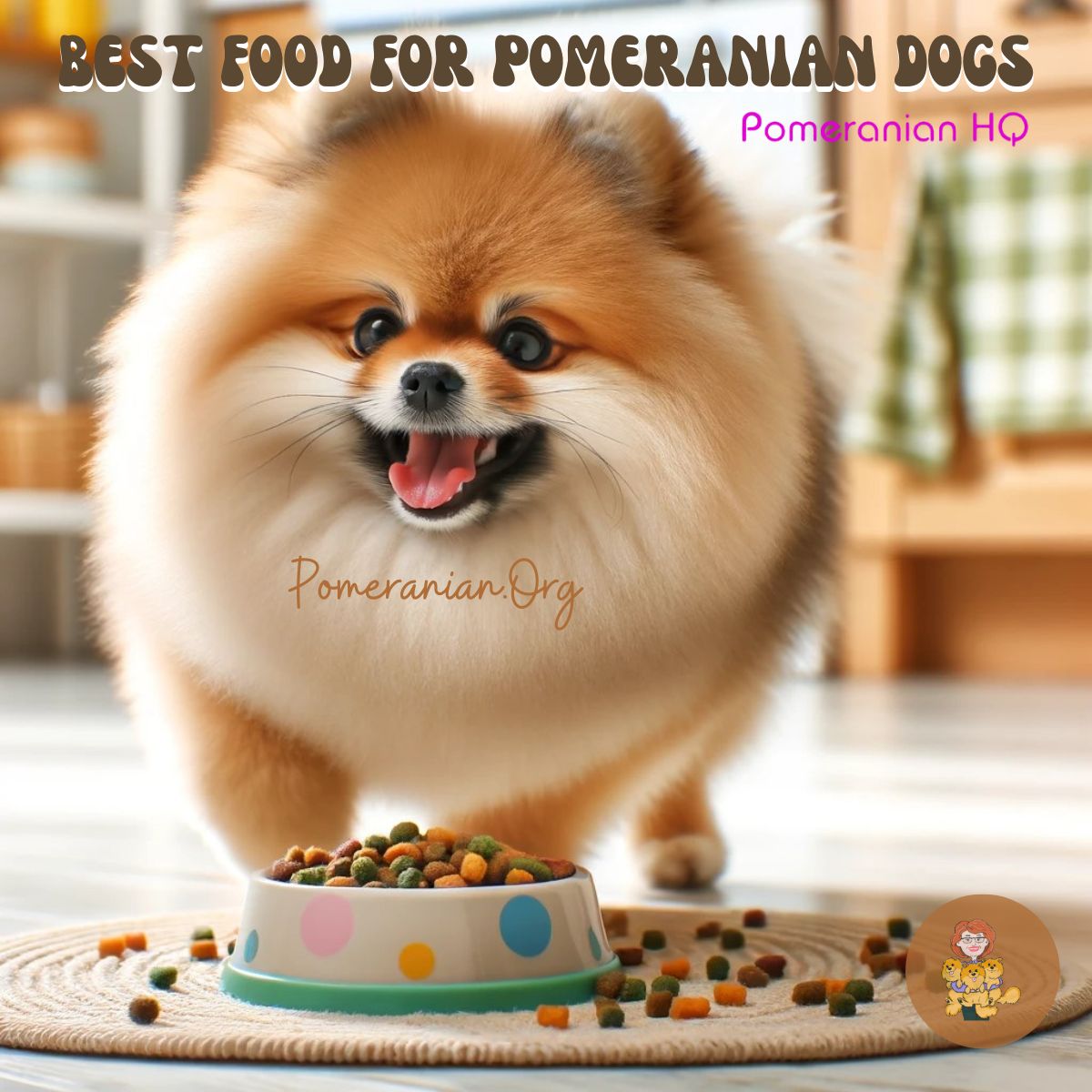
Dry kibble is popular among dog owners. It is easy to store and has a long shelf life. Kibble helps keep teeth clean by reducing plaque buildup. It is usually more affordable than other options. Many brands offer formulas with balanced nutrients for small breeds like Pomeranians. Kibble allows portion control, which helps maintain a healthy weight.
Wet Food Advantages
Wet food contains more moisture, which helps with hydration. It is soft and easy to chew, perfect for small dogs. Many Pomeranians find wet food tastier and more appealing. It can be mixed with dry kibble to improve flavor. Wet food often has a stronger aroma, which can excite picky eaters. It provides good nutrition with fewer preservatives.
Raw And Homemade Options
Raw and homemade diets let you control ingredients. Fresh meat, vegetables, and grains can be included. This option may improve coat shine and energy levels. It requires more preparation and knowledge about nutrition. Homemade meals must be balanced to avoid deficiencies. Raw diets need careful handling to avoid bacteria. Many owners choose this for a natural feeding style.
Top Dog Food Brands For Pomeranians
Choosing the right dog food brand is important for Pomeranians. Their small size and active nature need special nutrition. Some brands focus on quality ingredients, while others offer affordable options. Specialty formulas help with health issues common in Pomeranians. Here are some top dog food brands to consider for your furry friend.
Premium Brand Choices
Premium brands use high-quality ingredients for better health. They often include real meat, vegetables, and grains. These foods support energy and maintain a shiny coat. Brands like Blue Buffalo, Wellness, and Orijen are popular. They focus on balanced nutrition and avoid fillers. Choosing premium food can improve your Pomeranian’s overall wellbeing.
Budget-friendly Alternatives
Not all good dog food costs a lot. Some budget brands provide decent nutrition at a lower price. Look for options with named meat sources and no by-products. Brands such as Natural Balance and Diamond offer affordable choices. These foods keep your dog healthy without breaking the bank. Always check the ingredient list to ensure quality.
Specialty Formulas
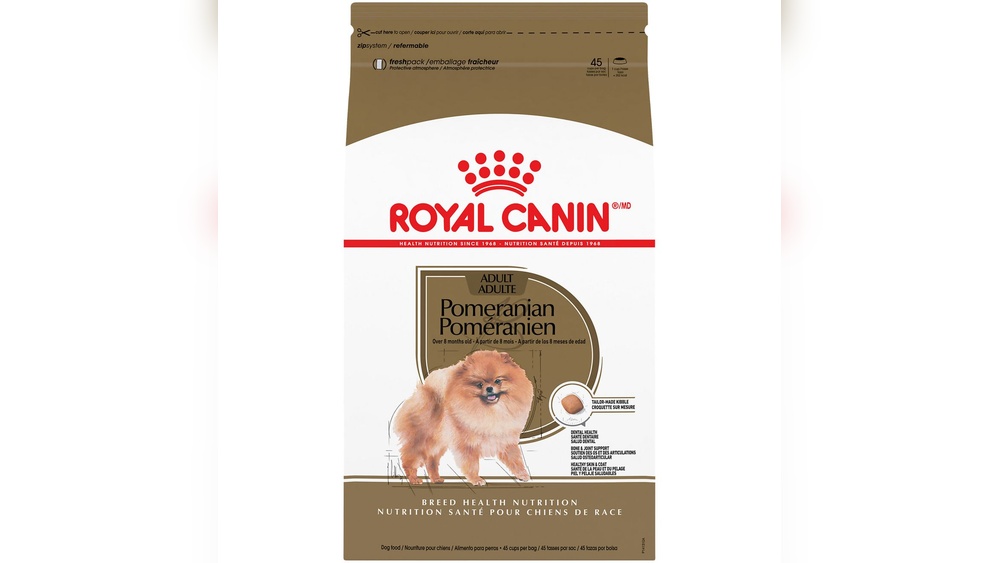
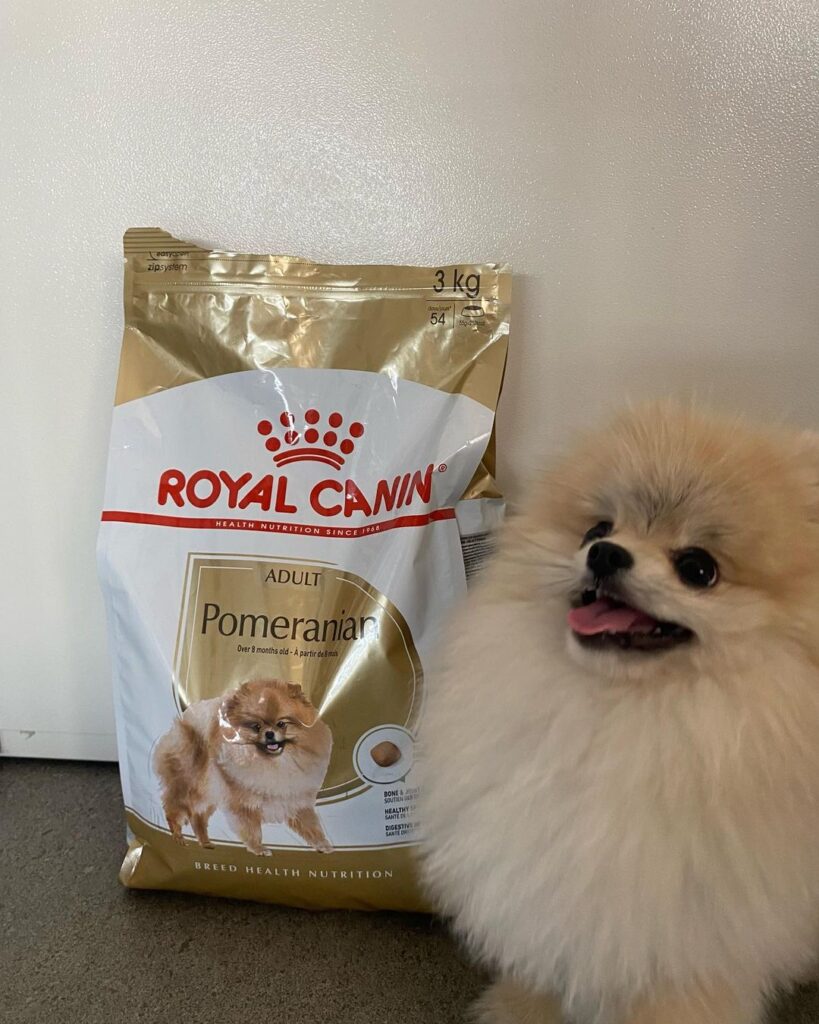
Some Pomeranians need special diets for health problems. Grain-free, limited ingredient, or sensitive skin formulas are common. Brands like Hill’s Science Diet and Royal Canin provide these options. Specialty foods help with allergies, digestion, and weight control. Consult your vet to find the best formula for your dog.
Credit: pomeranian.org
Ingredients To Look For
Choosing the right dog food for Pomeranians means checking the ingredients carefully. Good ingredients help keep your small dog healthy and full of energy. Focus on foods with nutrients that support their tiny bodies and active lives. Here are key ingredients that matter most.
High-quality Proteins
Proteins build strong muscles and keep your Pomeranian active. Look for meat sources like chicken, turkey, or fish listed first. Avoid foods with vague terms like “meat meal” or “by-products.” Quality proteins help maintain healthy skin and a shiny coat.
Healthy Fats
Fats give energy and keep the coat soft and shiny. Sources like fish oil and flaxseed provide omega-3 and omega-6 fatty acids. These fats support brain health and reduce inflammation. Avoid foods with too many fillers or unhealthy fats.
Vitamins And Minerals
Vitamins and minerals support overall health and strong bones. Ingredients like carrots, spinach, and sweet potatoes add natural vitamins. Calcium and phosphorus keep teeth and bones healthy. Balanced nutrients help your Pomeranian stay lively and strong.
Ingredients To Avoid
Choosing the right food for Pomeranians means knowing what ingredients to avoid. Some ingredients can harm their health or cause allergies. This section highlights those harmful components.
Fillers And Additives
Fillers add bulk but offer little nutrition. Corn, wheat, and soy are common fillers. These can cause digestive issues and weight gain in Pomeranians. Avoid foods that list fillers as main ingredients. Additives like artificial colors and flavors also provide no benefits. They may irritate your dog’s stomach or skin.
Artificial Preservatives
Preservatives keep food fresh longer. Some, like BHA, BHT, and ethoxyquin, may harm your dog’s health. These chemicals can cause allergic reactions or affect organs over time. Choose dog food with natural preservatives such as vitamin E or rosemary extract. Natural options are safer and support your Pomeranian’s wellbeing.
Common Allergens
Pomeranians can be sensitive to certain proteins and grains. Beef, dairy, and chicken often cause allergies. Grains like corn and wheat also trigger reactions. Allergens cause itching, ear infections, and digestive problems. Pick foods with limited ingredients or novel proteins. This reduces the risk of allergies and keeps your dog happy.
Credit: www.vermontmarblemuseum.org
Feeding Tips For Pomeranians
Pomeranians need special care in feeding to stay healthy and happy. Their small size means they require the right amount of food. Too much or too little can cause problems. Good feeding habits help their energy, coat, and overall health.
Portion Control
Small dogs like Pomeranians need measured portions. Overfeeding can lead to weight gain and health issues. Use a measuring cup for accuracy. Follow the food package guidelines for their weight and age. Adjust portions if your dog gains or loses weight.
Feeding Frequency
Pomeranians do best with multiple small meals daily. Two to three meals spread out helps keep energy steady. Avoid feeding too late at night. Regular feeding times create a healthy routine. Watch your dog’s hunger and adjust as needed.
Hydration Importance
Water is vital for Pomeranians. Always provide fresh, clean water nearby. Dehydration can cause serious health problems. Wet food can help add moisture to their diet. Check water bowls several times a day to keep them full.
Adjusting Diet For Life Stages
Adjusting a Pomeranian’s diet as it grows is essential for its health. Different life stages require different nutrients. This helps your dog stay strong and happy. Paying attention to these changes supports their energy and body needs over time.
Puppy Food Needs
Pomeranian puppies need food rich in protein and fat. These nutrients support fast growth and energy. Look for puppy formulas made for small breeds. These have smaller kibble and balanced vitamins. Feeding the right diet helps build healthy bones and muscles.
Adult Maintenance Diet
Adult Pomeranians require a balanced diet to maintain weight. Protein remains important but in moderate amounts. Fiber helps with digestion and keeps them full. Choose foods that support skin and coat health. Avoid overfeeding to prevent obesity and joint problems.
Senior Dog Nutrition
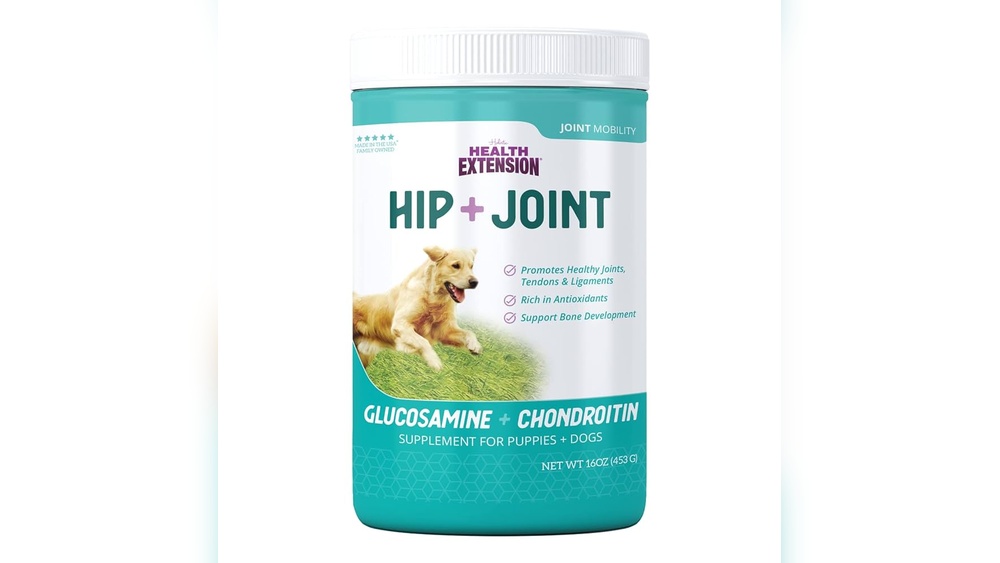
Senior Pomeranians need fewer calories but more nutrients. Foods with added antioxidants aid brain and immune health. Joint supplements like glucosamine help mobility. Soft or smaller kibble may be easier to eat. Proper nutrition supports comfort and longevity in older dogs.
Monitoring Health And Diet
Keeping a close eye on your Pomeranian’s health and diet is very important. Their small size means even small diet changes can affect them a lot. Regular monitoring helps catch problems early. This makes sure your dog stays happy and active.
Signs Of Nutritional Deficiency
Watch for dull fur, constant itching, or dry skin. These may show your dog lacks key nutrients. Weakness or low energy can also be a sign. Check their stool for changes like diarrhea or constipation. Loss of appetite might mean a problem too. Catching these signs early helps fix diet issues quickly.
Weight Management
Keep your Pomeranian’s weight steady and healthy. Weigh your dog weekly to track changes. Overweight dogs risk joint and heart problems. Underweight dogs might not get enough nutrients. Adjust food portions based on activity and age. Avoid feeding too many treats or scraps. A balanced diet supports a healthy weight.
When To Consult A Vet
Visit a vet if your dog shows lasting changes in behavior or health. Persistent vomiting, diarrhea, or sudden weight loss need attention. Skin problems or hair loss should not be ignored. Your vet can check for nutrient deficiencies and other issues. Regular vet visits help keep your Pomeranian healthy over time.
Frequently Asked Questions
What Ingredients Are Best For Pomeranian Dog Food?
High-quality protein, healthy fats, and essential vitamins are best for Pomeranian food. Look for chicken, fish, sweet potatoes, and omega fatty acids for coat health and energy.
How Much Food Should I Feed My Pomeranian Daily?
Feed your Pomeranian 1/4 to 1/2 cup of high-quality dog food twice daily. Adjust portions based on age, weight, and activity level to maintain a healthy weight.
Are Grain-free Dog Foods Good For Pomeranians?
Grain-free dog foods can be good if your Pomeranian has allergies. Otherwise, whole grains like brown rice provide important nutrients and fiber for digestion.
Can Pomeranians Eat Dry Kibble Or Wet Food?
Both dry kibble and wet food are suitable for Pomeranians. Dry kibble helps dental health, while wet food offers hydration and is easier to chew for some dogs.
Conclusion
Choosing the right food helps your Pomeranian stay healthy and happy. Good dog food supports their energy and shiny coat. Always check ingredients for quality and nutrition. Small dogs need food made just for them. Feeding your Pomeranian well means fewer health problems later.
Remember to watch portion sizes to avoid weight gain. Healthy eating leads to a longer, joyful life. Your dog will thank you with playful days and love. Keep learning about their needs as they grow. Simple steps make a big difference in their well-being.