Is your dog scratching more than usual or showing flaky skin? Dry skin can make your furry friend uncomfortable and unhappy.
You want the best for your pet, but finding the right solution can be confusing. What if you could discover simple, effective ways to soothe your dog’s dry skin and keep their coat healthy and shiny? Keep reading to learn the best things you can do right now to help your dog feel their best every day.
Credit: www.akcpetinsurance.com
Causes Of Dry Skin In Dogs
Dry skin in dogs can cause discomfort and itching. Understanding the causes helps in preventing and treating it. Several factors can lead to dry skin, ranging from environment to health issues. Knowing these causes helps pet owners provide better care.
Environmental Factors
Cold weather often dries out a dog’s skin. Low humidity reduces moisture in the air, affecting skin hydration. Frequent bathing with harsh shampoos strips natural oils. Sun exposure can also cause skin dryness and irritation.
Allergies And Irritants
Dogs may react to allergens like pollen, dust, or mold. Certain chemicals in cleaning products or flea treatments can irritate skin. Food allergies also play a role. These irritants cause inflammation, leading to dry and itchy skin.
Nutritional Deficiencies
Poor diet affects a dog’s skin health. Lack of essential fatty acids, like omega-3 and omega-6, causes dryness. Vitamins A and E are important for skin repair. Balanced nutrition supports a healthy and shiny coat.
Health Conditions
Some illnesses cause dry skin as a symptom. Hypothyroidism slows down skin regeneration. Parasites like mites lead to itching and flakiness. Skin infections can worsen dryness and cause discomfort.
Symptoms Of Dry Skin In Dogs
Dry skin in dogs can cause discomfort and affect their overall health. Knowing the symptoms helps spot the problem early. Watch your dog’s skin closely for signs of dryness. Early care can prevent bigger issues later.
Flaking And Scaling
Dry skin often appears as white flakes on your dog’s coat. These flakes come off easily and look like dandruff. The skin may also feel rough or scaly to the touch. Flaking shows the skin is losing moisture and needs attention.
Itching And Scratching
Dogs with dry skin scratch more than usual. The itch can be constant and annoying for them. Scratching might cause small wounds or sores. Itching means your dog is uncomfortable and needs relief fast.
Redness And Inflammation
Dry skin can lead to redness and swelling. Inflamed areas may look warm or irritated. This happens because dry skin weakens the skin’s barrier. Redness shows your dog’s skin is under stress.
Hair Loss
Dry skin can cause patches of hair to fall out. The coat may look thin or patchy in some spots. Hair loss happens when the skin cannot support healthy fur. Notice hair loss early to protect your dog’s coat.
Top Remedies For Dry Skin
Dry skin can make dogs uncomfortable and itchy. It needs gentle care to heal and stay healthy. Several natural and safe remedies can soothe dry skin and bring relief quickly. These treatments work by moisturizing, calming irritation, and supporting skin health from inside out.
Moisturizing Shampoos And Conditioners
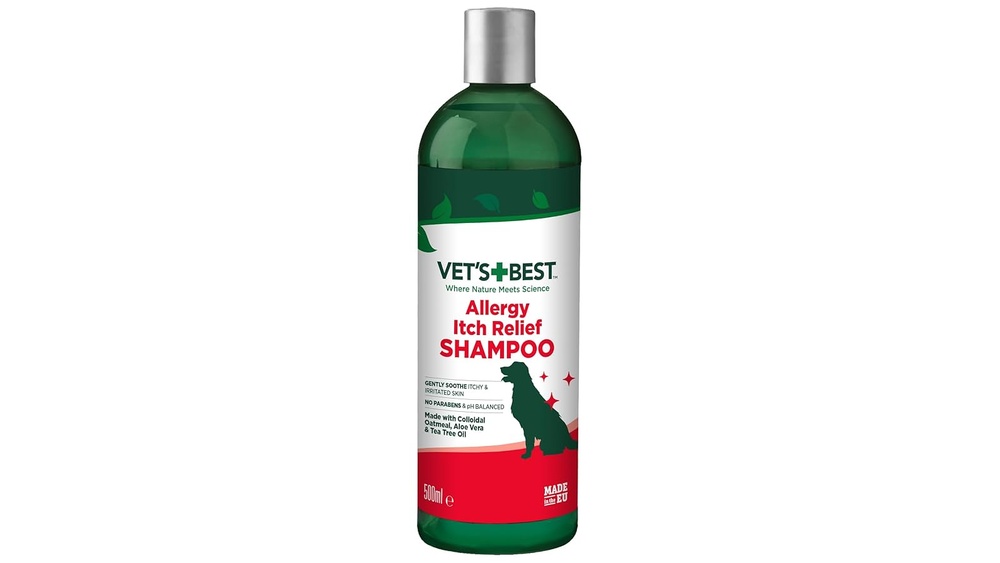
Use shampoos made for dry, sensitive skin. These products clean without removing natural oils. Conditioners help keep the coat soft and hydrated. Choose formulas with gentle ingredients like aloe or oatmeal. Regular baths with these can reduce dryness and itching.
Oatmeal Baths
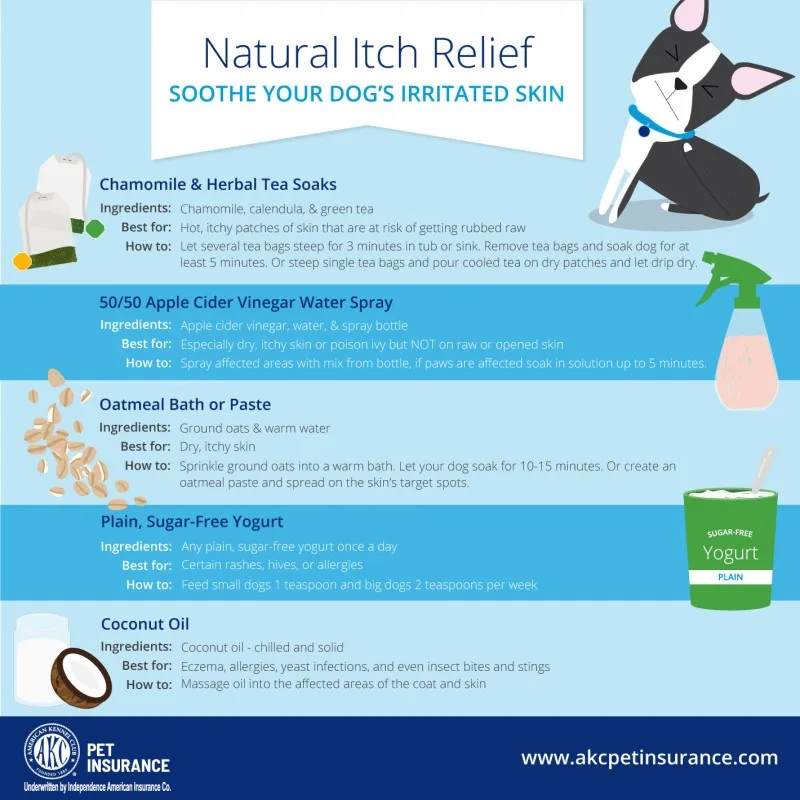
Oatmeal soothes irritated skin. It lowers redness and calms itching fast. Grind plain oatmeal into a fine powder. Add it to warm bath water. Let your dog soak for 10 to 15 minutes. Pat dry gently to keep moisture in the skin.
Coconut Oil Applications
Coconut oil hydrates and protects dry skin. Apply a small amount directly on dry patches. Massage gently to help absorption. It also fights bacteria and reduces inflammation. Use daily for best results but avoid overuse to prevent greasiness.
Omega-3 Fatty Acid Supplements
Omega-3 fats support skin health from inside. They improve skin barrier and reduce dryness. Fish oil capsules or liquid can be added to meals. Follow dosage instructions carefully. Consistent use helps improve coat shine and skin moisture.
Aloe Vera Treatments
Aloe vera soothes and heals dry skin fast. Use pure aloe gel without added chemicals. Apply a thin layer on irritated areas. It cools itching and supports skin repair. Repeat application twice daily for relief and comfort.
Diet Changes To Improve Skin Health
Diet plays a key role in improving dry skin in dogs. The right foods help nourish their skin from inside. Changes in diet can reduce itching and flaking. Focus on nutrients that support skin health and moisture.
Balanced Nutrition For Skin
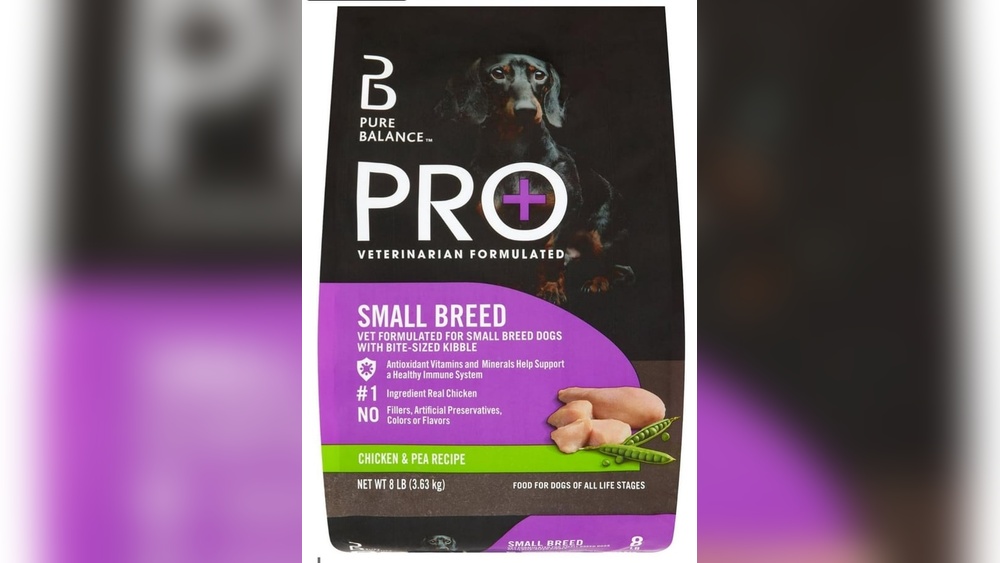
Dogs need a mix of proteins, fats, and vitamins for healthy skin. Proteins help repair skin cells. Vitamins like A, E, and B complex keep skin strong. Avoid foods with fillers or artificial ingredients. Choose high-quality dog food with balanced nutrients.
Foods Rich In Fatty Acids
Fatty acids like omega-3 and omega-6 improve skin moisture. Fish oils, flaxseed, and chia seeds have these healthy fats. They reduce inflammation and soothe dry skin. Adding these foods helps keep your dog’s coat shiny and soft.
Hydration Tips
Water is essential for skin health. Dehydration makes dry skin worse. Provide fresh water throughout the day. Wet food can add extra moisture. Encourage your dog to drink enough every day.
Home Care Tips For Relief
Dry skin can cause discomfort for dogs. Home care helps soothe their skin. Simple steps can make a big difference. These tips keep your dog’s skin healthy and happy.
Regular Grooming Practices
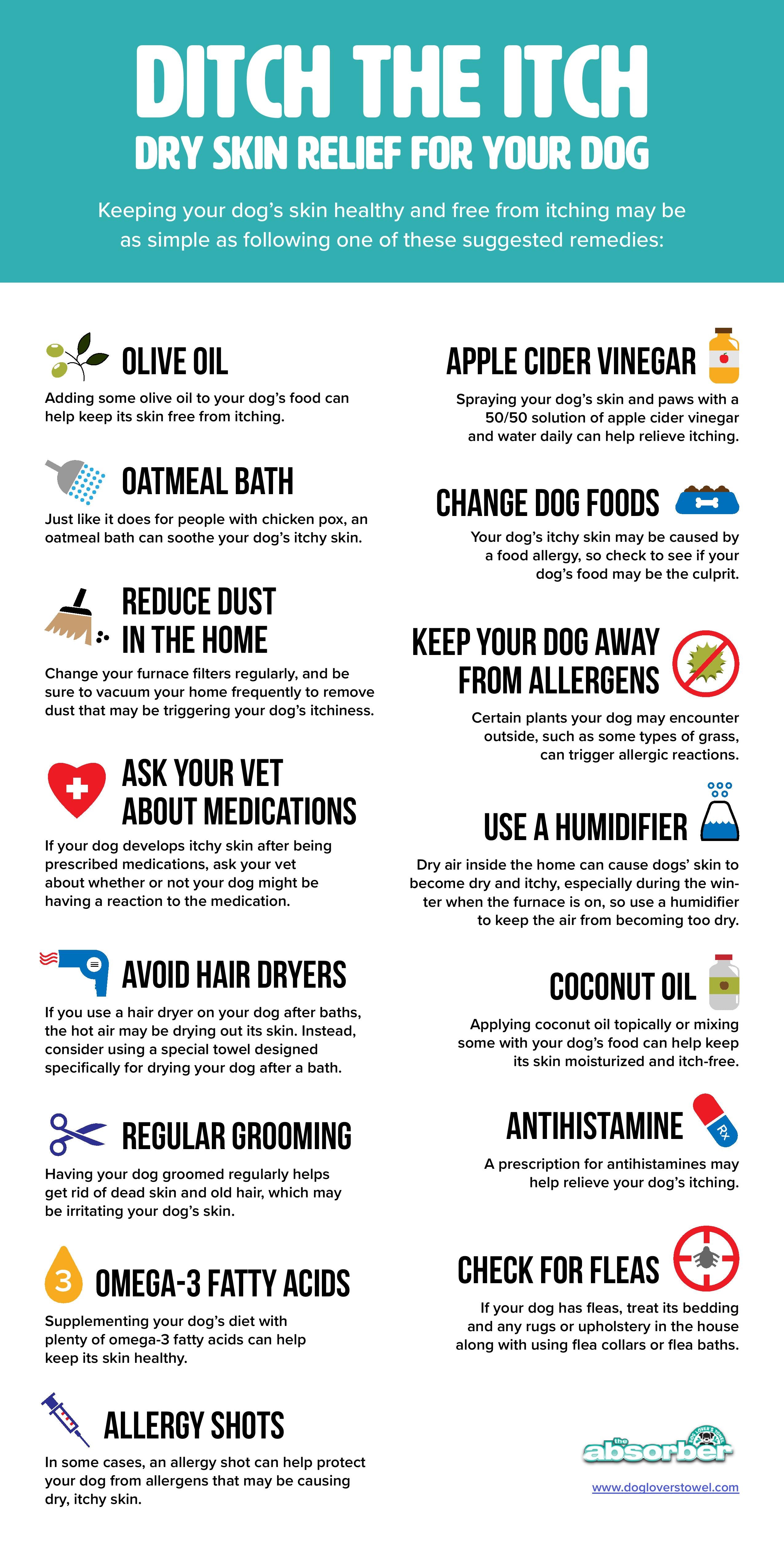
Brush your dog’s coat often to remove dead skin and dirt. This helps spread natural oils across the skin. Use a gentle brush that suits your dog’s fur type. Grooming also checks for signs of irritation or infection. Keep nails trimmed to avoid scratching and wounds.
Proper Bathing Frequency
Bathe your dog only when needed. Too many baths can dry out the skin further. Use a mild, moisturizing dog shampoo. Avoid human shampoos as they can harm your dog’s skin. After bathing, dry your dog well but gently to prevent irritation.
Humidifier Use At Home
Dry air worsens your dog’s dry skin. Using a humidifier adds moisture to the air. This helps keep your dog’s skin hydrated. Place the humidifier in rooms where your dog spends time. Clean the humidifier regularly to prevent mold and bacteria.

Credit: www.amazon.com
When To See A Veterinarian
Knowing when to see a veterinarian is key to keeping your dog’s skin healthy. Dry skin can be a sign of many issues. Sometimes, it resolves with home care. Other times, it needs professional help.
Watch your dog closely. Notice any changes in behavior or skin condition. Acting early can prevent serious problems. Here are signs that show it is time to visit the vet.
Persistent Symptoms
Dry skin lasting more than two weeks needs a vet check. Constant itching or scratching is a warning. Your dog may lose hair or have red patches. These symptoms show the problem is not going away.
Signs Of Infection
Look for swelling, oozing, or bad smell from the skin. These are signs of infection. Infections can cause pain and spread quickly. A vet can give medicines to stop the infection fast.
Allergic Reactions
Swelling around the face or paws needs quick attention. Allergies can cause dry, itchy skin. Severe reactions may cause breathing trouble. Vets can find the cause and treat allergies safely.
Credit: labiosthetique.ee
Frequently Asked Questions
What Is The Best Moisturizer For Dry Dog Skin?
The best moisturizer for dry dog skin is a natural, hypoallergenic balm or coconut oil. These soothe and hydrate without irritation. Avoid products with harsh chemicals or artificial fragrances to protect sensitive skin.
How Can I Prevent Dry Skin In My Dog?
To prevent dry skin, feed a balanced diet rich in omega-3 fatty acids. Regular grooming and bathing with gentle shampoos also help maintain healthy skin and coat.
Are There Home Remedies For Dry Skin In Dogs?
Yes, home remedies like oatmeal baths and coconut oil massages can relieve dry skin. These natural treatments moisturize and reduce itching safely and effectively.
When Should I See A Vet For My Dog’s Dry Skin?
See a vet if dry skin worsens, causes severe itching, hair loss, or infections. Persistent symptoms may indicate allergies or underlying health issues needing professional care.
Conclusion
Dry skin can make your dog uncomfortable and itchy. Treating it early helps your pet feel better fast. Use gentle shampoos and moisturizers made for dogs. Regular brushing removes dead skin and spreads natural oils. Healthy food with good fats supports skin health from inside.
Keep your dog hydrated by providing fresh water daily. Simple care steps can improve your dog’s skin and happiness. Watch your pet closely and adjust care as needed. Healthy skin means a happy, active dog every day.