If your dog is struggling with inflammatory bowel disease (IBD), you know how tough it can be to see them uncomfortable and unsettled. Choosing the right food is one of the most important steps you can take to help ease their symptoms and improve their quality of life.
But with so many options out there, how do you find the best food that truly supports your dog’s digestive health? You’ll discover simple, effective choices that can make a real difference for your furry friend. Keep reading to learn how to nourish your dog’s gut and bring back their happy, energetic self.
Symptoms Of Canine Inflammatory Bowel Disease
Canine Inflammatory Bowel Disease (IBD) affects a dog’s digestive system. It causes inflammation in the stomach and intestines. This inflammation leads to various signs that you can notice in your dog’s behavior and health. Recognizing these symptoms early helps manage the condition better.
Symptoms of IBD vary by dog. Some show mild signs, while others face severe discomfort. Regular observation of your dog’s habits is important. It helps spot changes that may point to IBD.
Diarrhea And Loose Stools
One of the most common signs is diarrhea. Stools may be soft, watery, or contain mucus. Sometimes, diarrhea happens frequently and lasts for days.
Vomiting
Dogs with IBD often vomit. Vomiting can be occasional or frequent. It may include bile or food remnants. This happens because the stomach lining is irritated.
Weight Loss
Unexplained weight loss is a warning sign. Even if your dog eats normally, weight may drop. The inflamed gut absorbs fewer nutrients, causing weight loss.
Loss Of Appetite
Dogs may eat less or refuse food. This happens due to stomach pain or nausea. Loss of appetite leads to weakness and lethargy.
Abdominal Pain And Discomfort
Your dog may show signs of belly pain. It may whine or avoid touch on the stomach. Restlessness and pacing are also common signs.
Increased Thirst And Urination
Some dogs drink more water than usual. This increases urination frequency. It may result from dehydration caused by diarrhea or vomiting.
Diet’s Role In Managing Ibd
Diet plays a key role in managing Inflammatory Bowel Disease (IBD) in dogs. Choosing the right food can reduce symptoms and improve your dog’s quality of life. A proper diet supports the gut and helps control inflammation.
IBD affects the digestive system, causing discomfort and poor nutrient absorption. Feeding your dog food that is gentle and easy to digest can ease these issues. It also helps maintain a healthy weight and energy level.
Understanding what foods work best is important. Some ingredients can trigger flare-ups, while others can calm the gut and support healing. Tailoring the diet to your dog’s needs can make a big difference.
Identifying Trigger Ingredients
Certain ingredients can worsen IBD symptoms. Common triggers include dairy, wheat, soy, and high-fat foods. Avoiding these helps reduce inflammation and digestive upset. Reading labels carefully is essential for choosing safe foods.
Benefits Of Limited Ingredient Diets
Limited ingredient diets contain fewer components. This makes it easier to spot and avoid allergens or irritants. These diets often use novel proteins like duck or venison. They help reduce immune system reactions and promote gut healing.
Importance Of Highly Digestible Foods
Highly digestible foods break down easily in the gut. They reduce the workload on your dog’s digestive system. Ingredients like rice, pumpkin, and boiled chicken are gentle choices. These foods help improve nutrient absorption and reduce diarrhea.
Role Of Fiber In Ibd Diets
Fiber supports healthy digestion and bowel movements. Soluble fiber can soothe the gut lining and reduce inflammation. Sources include pumpkin and oats. Balancing fiber types is key to managing symptoms effectively.
Incorporating Omega-3 Fatty Acids
Omega-3 fatty acids have anti-inflammatory properties. They help calm the gut and support overall health. Fish oil is a common source. Adding omega-3s to your dog’s diet can ease IBD symptoms and promote healing.
Key Nutrients For Digestive Health
Dogs with Inflammatory Bowel Disease need special care in their diet. The right nutrients support their digestive health and ease symptoms. Feeding your dog balanced food helps reduce inflammation and improve digestion.
Understanding key nutrients can guide you to better food choices. These nutrients help heal the gut lining and maintain healthy digestion. Choosing foods rich in these elements is essential for dogs with IBD.
Protein
Protein helps repair damaged tissues in the digestive tract. Select easily digestible sources like chicken, turkey, or fish. Avoid high-fat proteins as they can worsen symptoms.
Fiber
Fiber supports healthy gut bacteria and improves stool quality. Soluble fiber like pumpkin or oats is gentle on the gut. It slows digestion and reduces irritation in the intestines.
Fat
Low to moderate fat levels reduce stress on the digestive system. Omega-3 fatty acids from fish oil help lower gut inflammation. Avoid high-fat foods that cause diarrhea or vomiting.
Vitamins And Minerals
Vitamins A, E, and zinc promote healing of the gut lining. These nutrients strengthen the immune system. Deficiencies can worsen digestive issues and delay recovery.
Probiotics
Probiotics restore healthy bacteria balance in the gut. They improve digestion and reduce inflammation. Yogurt or supplements can provide beneficial probiotic strains.
Limited Ingredient Diets
Limited ingredient diets offer a simple way to manage inflammatory bowel disease (IBD) in dogs. These diets contain fewer ingredients to reduce the chance of triggering allergies or sensitivities. Dogs with IBD often react to certain foods, so limiting ingredients helps identify and avoid problem foods.
These diets focus on a few high-quality ingredients. The goal is to provide balanced nutrition without extra fillers or additives. This helps calm the digestive system and improves nutrient absorption. Many vets recommend limited ingredient diets for dogs with sensitive stomachs.
What Are Limited Ingredient Diets?
Limited ingredient diets use a small number of protein and carbohydrate sources. This reduces the risk of food allergies or intolerances. Most formulas contain one protein like lamb or fish. The carbohydrate source is usually simple, such as rice or potatoes. These diets avoid artificial colors, flavors, and preservatives.
Benefits For Dogs With Ibd
These diets reduce digestive upset and inflammation. They help control diarrhea, vomiting, and gas. Limited ingredients make it easier to spot food triggers. Dogs often show better energy and coat health. The simple formulas support healing of the gut lining.
Choosing The Right Limited Ingredient Diet
Pick diets with novel proteins your dog has not eaten before. Avoid common allergens like chicken or beef if needed. Check that the food meets AAFCO standards for complete nutrition. Discuss options with your vet for best results. Some dogs may need prescription limited ingredient diets.
Hydrolyzed Protein Diets
Hydrolyzed protein diets help dogs with inflammatory bowel disease (IBD) by reducing immune reactions. These diets use proteins broken into tiny pieces. This makes it hard for the dog’s immune system to recognize and attack them.
Feeding hydrolyzed protein can lower inflammation in the gut. It supports healing and eases symptoms like diarrhea and vomiting.
What Are Hydrolyzed Protein Diets?
Hydrolyzed protein diets contain proteins split into small parts. These parts are too small to trigger allergies. The protein is usually from chicken, soy, or fish.
This special process makes proteins less likely to cause a reaction. It helps dogs with sensitive stomachs and food allergies.
How Hydrolyzed Protein Helps Ibd Dogs
Dogs with IBD often react to normal proteins. Hydrolyzed proteins reduce this risk. This lowers gut inflammation and pain.
The diet allows the intestines to rest and heal. It can improve digestion and nutrient absorption.
Choosing The Right Hydrolyzed Protein Food
Select a diet made specifically for dogs with IBD. Check the ingredient list for hydrolyzed proteins. Avoid common allergens like grains or artificial additives.
Consult your vet before starting this diet. They can recommend the best option for your dog’s needs.

Credit: growlingtums.co.uk
Novel Protein Options
Novel protein options help dogs with Inflammatory Bowel Disease (IBD) by reducing food reactions. These proteins differ from common meats like chicken or beef. They may cause fewer allergies and ease digestion.
Choosing a novel protein supports healing in the gut. It lowers inflammation and improves nutrient absorption. Dogs often feel better and have fewer symptoms.
Fish As A Novel Protein
Fish offers a gentle protein source. Varieties like salmon or whitefish are easy to digest. Fish also contains omega-3 fatty acids that reduce gut inflammation.
Duck And Other Poultry
Duck is less common in dog food. It works well for dogs sensitive to chicken. Other poultry like quail or turkey can also be good choices.
Lamb And Venison
Lamb and venison are often safe for dogs with IBD. These proteins are rare in commercial dog foods. They provide a tasty alternative that may reduce gut irritation.
Rabbit Protein
Rabbit meat is lean and easy on the stomach. It contains essential nutrients with low allergenic risk. This protein suits dogs with sensitive digestive systems.
High-fiber Foods And Their Benefits
High-fiber foods play a key role in managing Inflammatory Bowel Disease (IBD) in dogs. These foods help improve digestion and support gut health. Fiber adds bulk to the stool and promotes regular bowel movements. It also feeds good bacteria in the intestines, which helps reduce inflammation.
Choosing the right fiber sources can ease your dog’s discomfort. It can also prevent flare-ups and support long-term health. High-fiber diets are gentle on the digestive system and help balance nutrient absorption.
Types Of Fiber Beneficial For Dogs With Ibd
Soluble fiber dissolves in water and forms a gel-like substance. It slows digestion and helps absorb nutrients better. Good sources include pumpkin, oats, and apples.
Insoluble fiber does not dissolve in water. It adds bulk to stool and helps food move through the gut. Examples are carrots, green beans, and brown rice.
How Fiber Supports Gut Health
Fiber acts as food for good gut bacteria. These bacteria produce short-chain fatty acids that reduce inflammation. This process helps heal the gut lining. A healthy gut lining prevents harmful substances from causing damage.
Recommended High-fiber Foods For Dogs With Ibd
Pumpkin is a gentle fiber source that soothes the gut. Oats provide soluble fiber and essential nutrients. Sweet potatoes offer both soluble and insoluble fiber and vitamins. Green beans are low-calorie and add bulk to stool. Brown rice is easy to digest and helps regulate digestion.

Credit: www.bonza.dog
Homemade Vs. Commercial Diets
Choosing the right diet for a dog with Inflammatory Bowel Disease (IBD) is important. Diet affects how well your dog feels every day. Two main options exist: homemade meals and commercial diets. Each has good and bad points. Understanding these helps pick the best food for your dog’s health.
Homemade diets let you control every ingredient. This can reduce foods that upset your dog’s stomach. Commercial diets are made to meet nutritional needs and are easy to use. Both need care and attention to work well for dogs with IBD.
Benefits Of Homemade Diets
Homemade meals allow you to avoid common allergens. You can use fresh, simple ingredients. This reduces gut irritation and inflammation. You also control the cooking method, which helps digestion. Meals can be tailored to your dog’s taste and needs. Fresh food often looks and smells better to dogs.
Advantages Of Commercial Diets
Commercial diets are made by experts. They contain balanced nutrients needed for health. These foods are tested for safety and digestibility. Many commercial diets are specially made for dogs with IBD. They save time and effort in meal preparation. Packaging helps keep food fresh and easy to store.
Challenges Of Homemade Diets
Making homemade food takes time and effort. It is hard to balance all nutrients correctly. Missing key vitamins or minerals can cause health problems. You may need help from a vet or nutritionist. Mistakes in recipes can worsen your dog’s condition. Consistency in ingredients and cooking is important.
Drawbacks Of Commercial Diets
Some commercial diets contain fillers and additives. These can irritate a sensitive gut. Not all brands are tested for IBD dogs. Your dog might not like the taste or texture. Cost can be high for specialty diets. Reading labels carefully is important to avoid triggers.
Supplements To Support Gut Health
Supplements play a key role in supporting gut health for dogs with inflammatory bowel disease (IBD). They help reduce inflammation and improve digestion. These supplements support the balance of good bacteria in the gut. A healthy gut can improve your dog’s comfort and overall health.
Probiotics For Digestive Balance
Probiotics are live bacteria that help keep the gut healthy. They restore the natural balance of bacteria. This can reduce diarrhea and gas in dogs with IBD. Probiotics also improve the immune system to fight off gut infections.
Prebiotics To Feed Good Bacteria
Prebiotics are fibers that feed good bacteria in the gut. They help probiotics work better and grow faster. Prebiotics also improve digestion and nutrient absorption. These fibers come from natural sources like chicory root and beet pulp.
Omega-3 Fatty Acids For Inflammation
Omega-3 fatty acids reduce inflammation in the digestive tract. They come from fish oils or flaxseed oils. These fats can ease swelling and pain caused by IBD. Omega-3s also support skin and coat health.
Digestive Enzymes To Aid Breakdown
Digestive enzymes help break down food into nutrients. They ease the digestive process in dogs with IBD. These enzymes reduce symptoms like bloating and gas. Enzymes can come from natural sources or supplements.
Foods To Avoid With Ibd
Choosing the right food is key for dogs with Inflammatory Bowel Disease (IBD). Some foods can make symptoms worse. Avoiding these can help your dog feel better faster.
Feeding your dog the wrong foods may cause stomach pain, diarrhea, or vomiting. Watch out for ingredients that irritate the gut or cause allergies. Knowing what to skip helps keep your dog healthy.
Foods High In Fat
Fatty foods slow digestion and irritate the intestines. Avoid fatty meats and fried treats. These can trigger flare-ups in dogs with IBD.
Dairy Products
Many dogs are lactose intolerant. Cheese, milk, and yogurt may cause gas and diarrhea. Best to leave out dairy from your dog’s diet.
Grains And Gluten
Wheat, corn, and soy may worsen inflammation. Some dogs react poorly to gluten. Grain-free diets often help reduce symptoms.
Artificial Additives
Preservatives, colors, and flavors can irritate the gut. Avoid processed dog foods with these chemicals. Natural ingredients are safer for sensitive stomachs.
Spicy And Seasoned Foods
Spices and strong seasonings upset the digestive system. Keep your dog’s meals plain and simple. This supports healing and comfort.
Tips For Transitioning Your Dog’s Diet
Changing your dog’s diet is a big step for dogs with inflammatory bowel disease. It needs care and patience. Sudden changes can upset your dog’s stomach more. A slow, steady switch helps your dog’s body adjust well. This section shares tips to make this process smooth and safe.
Start With Small Portions
Begin by mixing a small amount of new food with the old. Use about 10% new food and 90% old food at first. Keep this mix for three to four days. Watch your dog’s reaction closely. If no problems appear, increase the new food slowly.
Increase New Food Gradually
Raise the new food by about 10% every few days. This helps your dog’s digestive system adapt. Moving too fast can cause diarrhea or vomiting. Patience is key. Keep feeding small, balanced meals during this time.
Watch For Signs Of Discomfort
Look for signs like vomiting, diarrhea, or loss of appetite. If any of these happen, slow down the transition. Sometimes, your dog might need more time. Consult your vet if symptoms persist or worsen.
Keep Hydration High
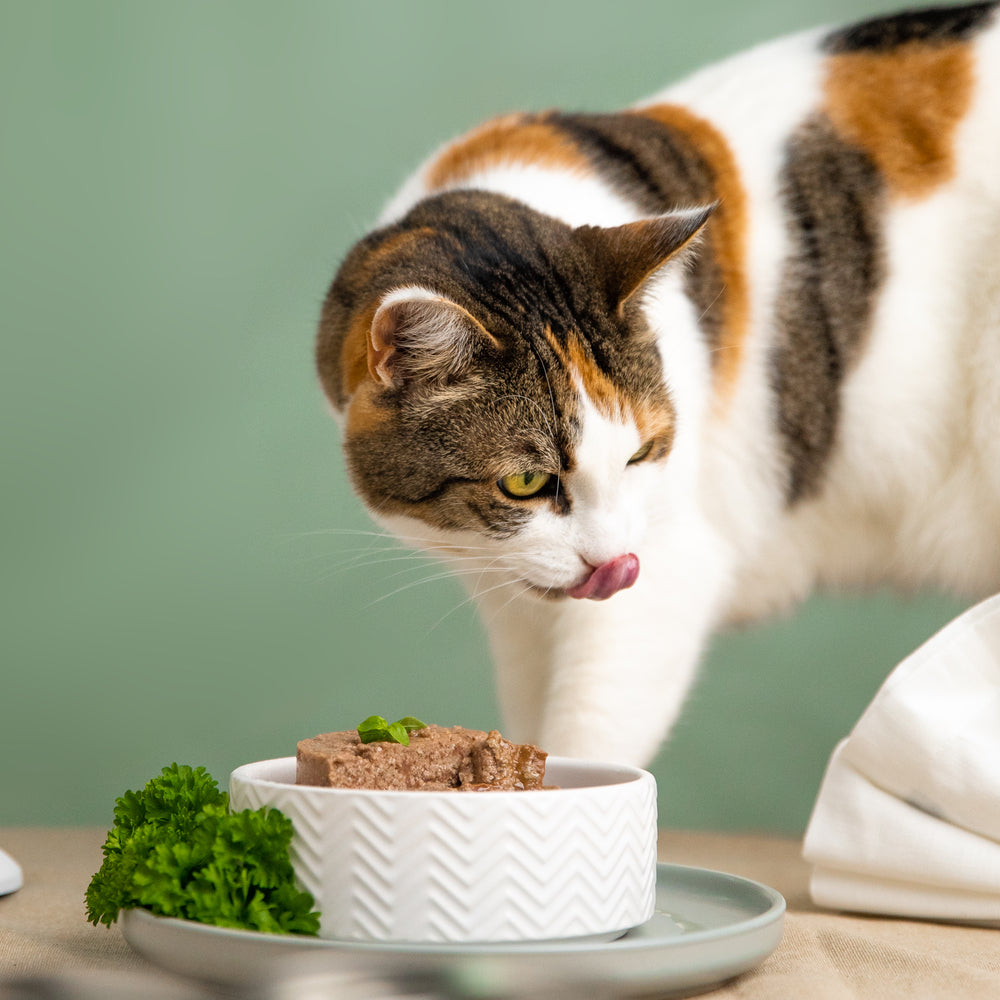
Dogs with bowel issues need plenty of water. Always provide fresh, clean water. Dehydration makes symptoms worse. Consider wet food if your dog drinks little water.
When To Consult A Veterinarian
Knowing when to consult a veterinarian is important for dogs with Inflammatory Bowel Disease (IBD). This condition can cause discomfort and serious health problems. Early veterinary advice helps manage symptoms and improves your dog’s quality of life.
Changes in your dog’s eating habits or behavior may signal a need for professional care. Monitoring your dog closely and understanding the signs can prevent worsening of IBD symptoms. Do not wait too long to seek help.
Signs Of Severe Digestive Problems
Watch for frequent vomiting or diarrhea lasting more than two days. Notice if your dog has bloody stools or severe stomach pain. These signs require immediate veterinary attention.
Sudden Weight Loss Or Weakness
Rapid weight loss can indicate poor nutrient absorption. If your dog seems weak or lethargic, a vet check is necessary. These symptoms could mean the disease is worsening.
Refusal To Eat Or Drink
A dog with IBD might refuse food or water for more than 24 hours. This can lead to dehydration and other health risks. A veterinarian can provide treatment to prevent complications.
Ineffective Home Diet Changes
Diet changes might not always control IBD symptoms. If your dog’s condition does not improve after diet adjustments, consult a vet. They can recommend the best food and medication.
Credit: www.zealandiapets.com
Frequently Asked Questions
What Is The Best Diet For Dogs With Inflammatory Bowel Disease?
A low-fat, highly digestible diet with limited ingredients is best. Avoid common allergens and include novel protein sources to reduce inflammation and improve digestion.
Can Homemade Food Help Dogs With Inflammatory Bowel Disease?
Yes, homemade meals with simple, easily digestible ingredients can help. Consult your vet to ensure balanced nutrition tailored to your dog’s condition.
Which Ingredients Should I Avoid For A Dog With Ibd?
Avoid grains, dairy, artificial preservatives, and high-fat foods. These can trigger flare-ups and worsen inflammatory bowel symptoms in dogs.
How Often Should I Feed A Dog With Inflammatory Bowel Disease?
Feed small, frequent meals to reduce digestive stress. This helps improve nutrient absorption and minimizes gastrointestinal discomfort.
Conclusion
Choosing the right food helps dogs with inflammatory bowel disease feel better. A diet with easy-to-digest ingredients supports their gut health. Protein sources like chicken or fish often work well. Adding fiber can improve digestion and reduce symptoms. Avoid foods that cause allergies or irritation.
Always check with your vet before changing your dog’s diet. Good nutrition makes a big difference in comfort and energy. Careful feeding helps your dog enjoy life more every day. Keep learning and adjusting to meet your dog’s needs.