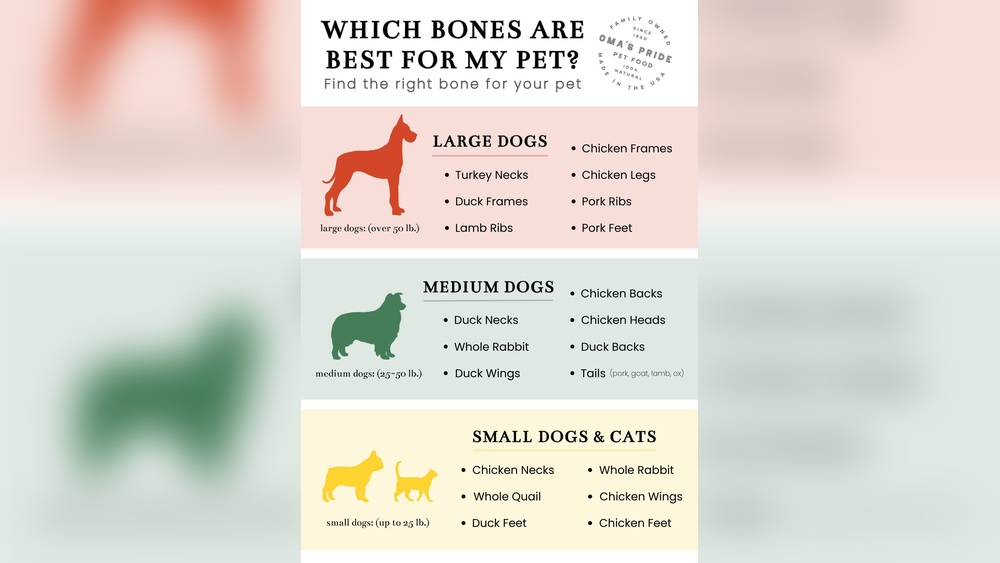
If you want to keep your dog happy and healthy, choosing the right type of bones is key. But with so many options out there, how do you know which ones are safe and beneficial for your furry friend?
Giving your dog the best bones not only satisfies their natural chewing instinct but also helps maintain strong teeth and gums. You’ll discover the top bone choices that are both safe and enjoyable for your dog. Keep reading to find out what will truly make your dog’s tail wag with joy!

Credit: medsourcellc.com
Benefits Of Giving Bones To Dogs
Giving bones to dogs offers several benefits that help their health and happiness. Bones are more than just a tasty treat. They support various aspects of a dog’s well-being.
Choosing the right type of bone can improve your dog’s daily life. Here are some key benefits of giving bones to dogs.
Dental Health Improvement
Chewing bones helps clean a dog’s teeth naturally. It removes plaque and reduces tartar build-up. Strong teeth and healthy gums lower the risk of dental disease. Dogs often enjoy chewing, making dental care easier for owners.
Mental Stimulation
Bones keep dogs busy and focused. Chewing requires concentration and can reduce boredom. This mental activity helps prevent destructive behavior at home. It also provides a sense of satisfaction and calmness for dogs.
Nutritional Value
Bones contain minerals like calcium and phosphorus. These nutrients support strong bones and teeth. Some bones also provide marrow, which is rich in healthy fats. Feeding appropriate bones adds natural nutrition to your dog’s diet.
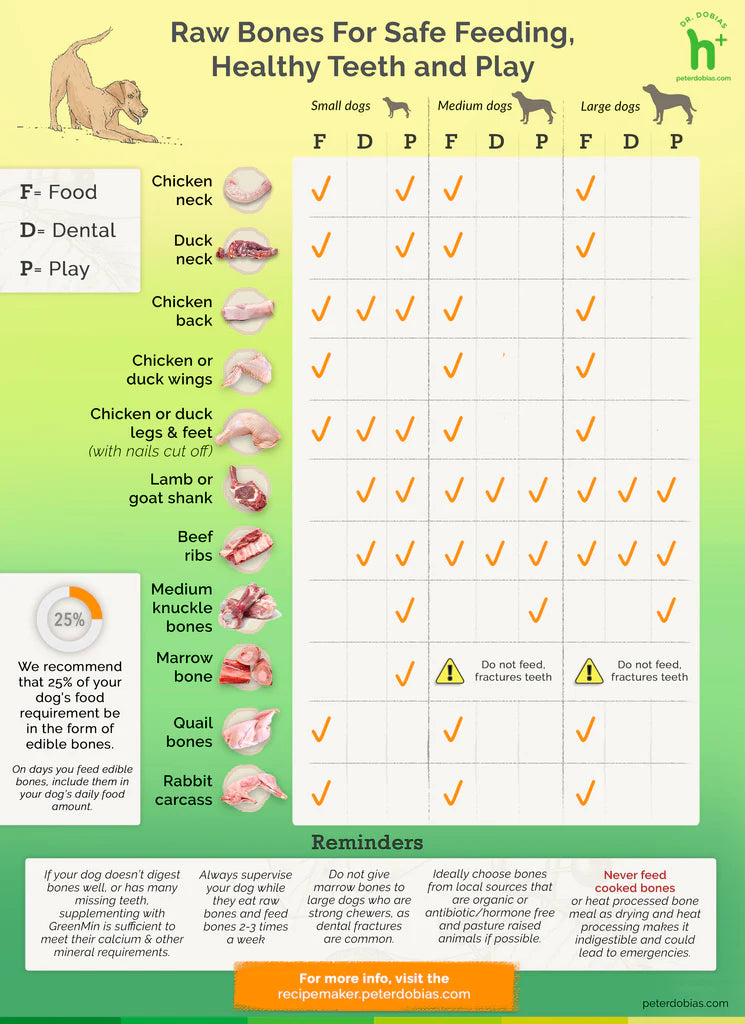
Credit: peterdobias.com
Safe Bone Types For Dogs
Choosing the right bones for your dog is important for their safety and health. Some bones can cause harm, while others can be safe and enjoyable. Knowing which bones are safe helps keep your dog happy and healthy. This section explains different types of safe bones for dogs.
Raw Bones Vs Cooked Bones
Raw bones are generally safer for dogs than cooked bones. Cooking makes bones brittle and easy to break. Broken pieces can hurt your dog’s mouth and stomach. Raw bones are softer and less likely to splinter. They also contain nutrients that cooked bones lose. Always supervise your dog when giving raw bones.
Recreational Bones
Recreational bones are large, hard bones meant for chewing. They do not have much meat on them. These bones help clean teeth and satisfy chewing urges. Examples include beef knuckle bones and femur bones. Choose bones that are bigger than your dog’s mouth. This reduces the risk of choking or swallowing large pieces.
Edible Bones
Edible bones have some meat and marrow left on them. They provide nutrition and taste good to dogs. Examples include raw chicken necks and wings. These bones are softer and easier to chew. Always feed edible bones under supervision. Remove any small or sharp pieces to keep your dog safe.
Durable Bones For Heavy Chewers
Heavy chewers need bones that last long and keep them busy. Durable bones help prevent boredom and protect furniture from damage. They also support strong teeth and gums. Choosing the right bone matters for your dog’s health and happiness.
Beef Femur Bones
Beef femur bones are thick and tough. They offer a solid chew that lasts for hours. These bones contain marrow, which dogs love to lick and eat. Always supervise your dog to avoid small pieces breaking off. Freeze the bone first to keep it safe and reduce splintering.
Antler Bones
Antler bones come from deer or elk. They are very hard and can withstand strong jaws. These bones do not splinter easily, making them safer than cooked bones. Antlers also provide minerals like calcium and phosphorus. Make sure to choose the right size for your dog’s breed.
Synthetic Alternatives
Synthetic bones are made from durable materials like nylon. They mimic natural bones but last longer. These bones come in different shapes and sizes to suit heavy chewers. Some have flavors to keep your dog interested. They clean teeth and reduce plaque buildup effectively.

Credit: thecoylelawgroup.com
Bones To Avoid For Safety Reasons
Choosing the right bone size for your dog is very important. The size affects your dog’s safety and enjoyment. A bone that is too small can be a choking hazard. A bone that is too large might be hard to chew and cause frustration. Picking the right size helps keep your dog happy and healthy.
Matching Bone Size To Dog Size
Small dogs need small bones that fit their mouths. Large dogs need bigger bones that match their strength. Choose a bone that your dog can hold and chew easily. Avoid bones that are too thin or brittle for big dogs. Check your dog’s breed and weight for the best bone size.
Supervising Chewing Sessions
Always watch your dog while chewing a bone. Supervision helps prevent accidents like choking or swallowing large pieces. Take the bone away if your dog chews it into small, sharp bits. Give bones only during calm times to reduce rough chewing. Keep the chewing time short for safety.
Signs Of Bone-related Issues
Look for signs like coughing, gagging, or trouble breathing. Watch for broken teeth or mouth pain after chewing. Check for vomiting or diarrhea as these can be signs of swallowing bone pieces. Stop giving bones if any problems appear. Consult your vet if you see these signs.
How To Choose The Right Bone Size
Bones are popular for dogs to chew on. But not all bones are safe. Some can splinter and hurt your dog. Bone alternatives offer safe ways to keep dogs busy and healthy.
These alternatives help clean teeth and reduce boredom. They come in many types and textures. Each option has benefits for your dog’s dental health and fun.
Dental Chews
Dental chews are made to clean your dog’s teeth. They help reduce plaque and freshen breath. Dogs enjoy chewing them because of their taste and texture. These treats come in many sizes for all dog breeds.
Rubber Toys
Rubber toys are tough and last long. They are safe for dogs to chew on daily. Many have grooves to clean teeth while chewing. Some can be filled with treats to keep dogs interested.
Natural Chew Treats
Natural chew treats come from ingredients like rawhide, antlers, or bully sticks. They are digestible and provide nutrients. These chews satisfy dogs’ natural urge to chew. Always choose high-quality, natural options for safety.
Bone Alternatives For Dogs
Storing dog bones properly keeps your pet safe and happy. Good hygiene stops bad germs from growing. Clean bones and safe storage help bones last longer. Follow these tips to care for your dog’s bones well.
Proper Cleaning Methods
Wash bones with warm water after use. Avoid soap or chemicals that can harm dogs. Use a brush to remove stuck food or dirt. Let bones dry completely before storing them. Dry bones reduce the chance of mold or bacteria.
Storage Duration
Store bones in the fridge for up to one week. Freezing bones can keep them safe for months. Thaw frozen bones fully before giving to your dog. Do not keep bones at room temperature for many hours. Freshness matters for your dog’s health and safety.
Avoiding Bacterial Growth
Use airtight containers or bags for bone storage. Keep bones away from raw meats and other foods. Clean storage areas regularly to prevent bacteria build-up. Check bones often for cracks or soft spots. Discard bones that seem unsafe to avoid illness.
Frequently Asked Questions
What Are The Safest Bones For Dogs To Chew?
Safe bones for dogs include raw beef or lamb bones. Avoid cooked bones as they can splinter and cause harm. Always supervise your dog while chewing to prevent choking or injury. Choose size-appropriate bones to reduce swallowing risks.
Can Dogs Chew On Raw Bones Daily?
Raw bones can be given regularly but not daily. Over-chewing may cause dental wear or digestive issues. Offer raw bones a few times per week as treats. Monitor your dog’s response to avoid any health problems.
Are Cooked Bones Harmful To Dogs?
Yes, cooked bones are harmful as they splinter easily. Splinters can cause choking, mouth injuries, or internal damage. Always avoid giving cooked bones to dogs. Opt for raw, natural bones instead for safety.
How Do I Choose The Right Bone Size For My Dog?
Pick a bone larger than your dog’s mouth to prevent choking. Small bones or fragments can be swallowed whole. Size-appropriate bones ensure safe and enjoyable chewing sessions. Consult your vet for breed-specific recommendations.
Conclusion
Choosing the right bones keeps dogs happy and healthy. Safe bones help clean teeth and stop boredom. Avoid bones that can break or hurt your dog. Always watch your pet while they chew. Remember, natural bones from trusted sources work best.
Healthy chewing supports strong jaws and good habits. Treat your dog with care and smart choices. Good bones make a big difference in their life. Keep tails wagging with safe, tasty chew options.