Are you worried about leaving your dog alone while you’re at work or running errands? Finding the right dog that handles alone time well can make your life so much easier.
Imagine coming home to a calm, happy pet that doesn’t feel anxious or destructive when you’re away. You’ll discover the best dogs that can be left alone without stress. Keep reading to find the perfect furry friend who fits your lifestyle and brings you peace of mind.
Traits Of Independent Dogs
Independent dogs have special traits that make them good at staying alone. They handle time by themselves without feeling stressed or lonely. These dogs do not need constant attention or care. Their nature helps them stay calm and happy, even when no one is around.
Low Maintenance Needs
Independent dogs do not need much grooming or care daily. They can stay clean and healthy with less effort. These dogs usually eat simple food and do not have special health needs. Their low maintenance makes them easy to care for, especially for busy owners.
Adaptability To Alone Time
Such dogs can adjust well to being alone for hours. They do not panic or become anxious when left by themselves. They use their calm nature to relax and wait patiently. This trait helps prevent destructive behavior during alone time.
Self-entertainment Skills
Independent dogs know how to keep themselves busy. They play with toys or explore their space calmly. These dogs can rest quietly or find fun without human help. This skill reduces boredom and keeps them happy alone.

Credit: furbo.com
Top Independent Dog Breeds
Some dog breeds handle being alone better than others. These dogs do not need constant attention. They enjoy their own space and are calm when left alone. Choosing an independent dog helps prevent anxiety and destructive behavior. Here are some top breeds known for their independence and ease of being alone.
Basenji
Basenjis are quiet and clean dogs. They do not bark much, which makes them low noise. They enjoy exploring but can entertain themselves indoors. Basenjis are smart and adapt well to alone time.
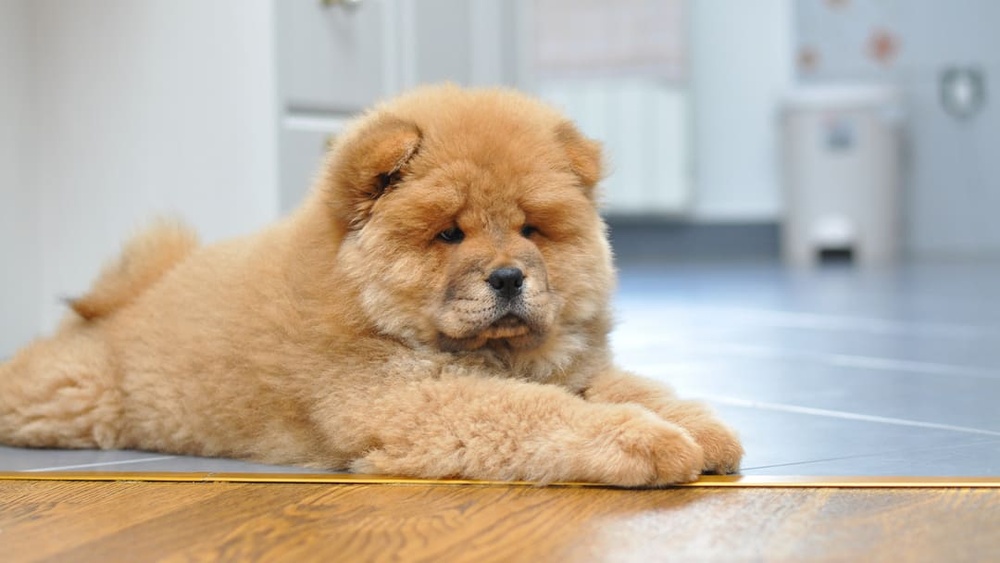
Chow Chow
Chow Chows are calm and reserved. They like to stay close to their owners but do not need constant attention. These dogs are independent and handle solitude well. Their thick fur requires regular grooming.
Shiba Inu
Shiba Inus are known for their strong-willed nature. They are alert and very clean dogs. They enjoy being alone and do not get anxious easily. Shibas are great for owners who want a low-maintenance dog.
Greyhound
Greyhounds are gentle and relaxed dogs. Despite their speed, they love resting most of the day. They do well alone and are very quiet. Greyhounds need some exercise but then enjoy downtime.
French Bulldog
French Bulldogs are friendly and low-energy. They enjoy sleeping and relaxing at home. These dogs do not mind being alone for short periods. They are social but can self-entertain.
Lhasa Apso
Lhasa Apsos are alert and confident dogs. They are used to spending time alone without stress. These dogs are good watchdogs and stay calm inside. Their coat needs regular care to stay healthy.
Basset Hound
Basset Hounds are laid-back and patient dogs. They enjoy resting and can be left alone easily. These dogs have a strong sense of smell and love to nap. Bassets are gentle and adapt well to quiet environments.
Training Tips For Alone Time
Training your dog to be comfortable alone is very important. Dogs need time to adjust to being by themselves. This helps reduce stress and prevents bad behavior. Good training makes alone time easier for both you and your dog.
Creating A Safe Space
Make a small, cozy area for your dog. Use a crate or a quiet room. Add their bed and favorite toys. A safe space feels like home to your dog. It helps them relax while you are away.
Gradual Alone Time Increase
Start by leaving your dog alone for a few minutes. Slowly add more time each day. Watch your dog’s reaction closely. Stop increasing if they get anxious. This slow process builds trust and calmness.
Using Interactive Toys
Give your dog toys that keep them busy. Puzzle feeders or treat-dispensing toys work well. These toys distract your dog from being alone. They also keep their mind active and happy.
Credit: www.psw-pritzwalk.de
Common Challenges And Solutions
Leaving dogs alone can bring challenges for owners and pets. Dogs need care, attention, and training. Recognizing problems early helps keep dogs calm and safe. Solutions reduce stress and improve their well-being. Understanding common issues guides better care for dogs left alone.
Separation Anxiety Signs
Dogs with separation anxiety show clear signs. They may bark, whine, or howl loudly. Some dogs pace or scratch doors and windows. Others drool or try to escape. These behaviors increase as owners prepare to leave. Watch for sudden changes in behavior or mood.
Preventing Destructive Behavior
Destructive behavior happens when dogs feel bored or anxious. They chew furniture, shoes, or other items. To prevent this, provide toys and chew bones. Exercise dogs before leaving to tire them out. Create a safe space with comforting items. Training helps dogs learn good habits over time.
Maintaining Social Interaction
Dogs need social contact to stay happy. Playtime with family or other dogs is important. Schedule regular walks and visits to dog parks. Use technology like video calls to check on them. Hire dog walkers or sitters for long absences. Social interaction reduces loneliness and stress for dogs.
Choosing The Right Breed For Your Lifestyle
Choosing the right dog breed is important for a happy home. Each breed has different needs. Picking a dog that fits your lifestyle helps avoid problems. Dogs that handle being alone well often need less attention. Understanding your routine and environment guides your choice. This ensures your dog stays healthy and calm.
Assessing Your Daily Schedule
Look at how much time you spend at home. Long work hours mean a dog that copes with alone time. Some breeds enjoy quiet and can stay calm alone. Others need company and get anxious if left too long. Know your hours before choosing a breed. This helps prevent stress for both you and your dog.
Considering Living Space
Think about your home size and yard access. Big dogs need room to move and play. Small apartments suit smaller or low-energy breeds better. Space affects a dog’s comfort and behavior. Dogs left alone in tight spaces may get restless. Match your living space to the dog’s needs.
Matching Energy Levels
Dogs have different activity needs. High-energy dogs need daily exercise and playtime. Low-energy breeds rest more and handle alone time better. Choose a dog with energy levels that fit your lifestyle. This keeps the dog happy and reduces damage at home. Energy matching avoids frustration for both.

Credit: furbo.com
Frequently Asked Questions
Which Dog Breeds Tolerate Being Left Alone Best?
Breeds like Basset Hounds, French Bulldogs, and Shih Tzus adapt well to solitude. They enjoy calm environments and require less exercise, making them ideal for owners who leave them alone for moderate periods.
How Long Can Dogs Be Left Alone Safely?
Most dogs can stay alone for 4 to 6 hours daily. Puppies and senior dogs need shorter periods. Providing toys and breaks helps reduce stress and prevents destructive behavior during alone time.
What Traits Make Dogs Good For Being Alone?
Independent, low-energy, and calm dogs handle solitude better. They don’t demand constant attention and adapt to quiet settings. These traits reduce separation anxiety and promote healthy behavior when owners are away.
Can Training Improve A Dog’s Ability To Be Alone?
Yes, gradual training helps dogs feel comfortable alone. Positive reinforcement, starting with short alone times, builds confidence. Consistent routines and safe spaces reduce anxiety and improve alone-time tolerance.
Conclusion
Choosing the right dog makes time alone easier for both of you. Some breeds handle solitude better than others. They stay calm and happy without constant attention. This helps prevent stress and unwanted behaviors. Always prepare your dog with toys and a safe space.
Regular exercise and training also make alone time better. Remember, every dog is unique and needs love. Pick a breed that fits your lifestyle and home. This creates a happy, balanced life for your pet and you.