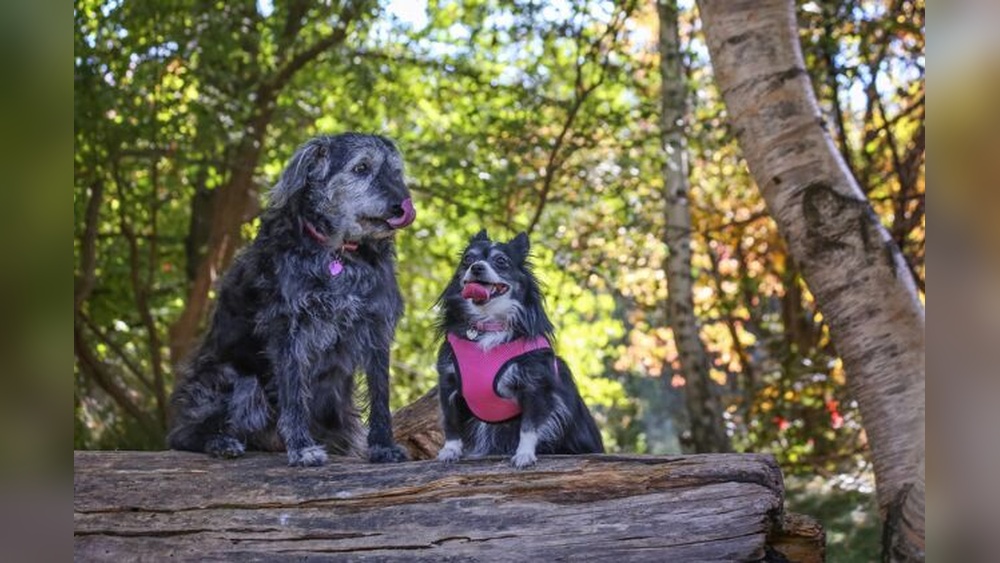
Finding the best harness for senior dogs can make a huge difference in your furry friend’s comfort and safety. As dogs age, their needs change, and the right harness can help support their joints, reduce strain, and keep walks enjoyable for both of you.
If you want to make sure your senior dog stays happy and secure, keep reading. This guide will help you choose the perfect harness that fits your dog’s unique needs and makes every step easier. Your loyal companion deserves the best—let’s find it together.
Challenges For Senior Dogs
Senior dogs face many challenges that affect their daily life. Aging changes their body and behavior. These changes make walking, playing, and even resting harder. A good harness helps them stay comfortable and safe. Understanding these challenges helps choose the best harness for your senior dog.
Common Mobility Issues
Older dogs often struggle to move easily. Their muscles weaken and their balance worsens. Climbing stairs or jumping becomes difficult. Some dogs may limp or drag their paws. These issues mean they need extra support during walks. A harness designed for mobility can reduce strain and improve control.
Joint Pain And Arthritis
Joint pain is common in senior dogs. Arthritis causes stiffness and swelling in joints. It makes movement painful and slow. Dogs may avoid walking or change their posture. A harness that avoids pressure on painful areas helps. Soft padding and adjustable straps reduce discomfort. This support encourages gentle exercise and better health.
Behavioral Changes
Senior dogs can show new behaviors. They may become anxious or less active. Changes in senses cause confusion or fear. Some dogs resist tight collars or pulling. A harness that feels secure but gentle calms them. It gives owners better control without causing stress. Understanding these changes helps keep walks safe and pleasant.

Credit: www.reddit.com
Benefits Of Using A Harness
Using a harness for senior dogs offers many important benefits. It helps keep them safe and comfortable during walks. Older dogs often have weak muscles or joint problems. A harness supports their body better than a collar. This support improves their walking experience and reduces injuries.
Improved Support And Stability
A harness spreads pressure evenly across the dog’s chest and shoulders. This support helps dogs with weak legs or arthritis stay steady. It stops sudden pulls from causing harm. Senior dogs feel more balanced and secure. They can walk longer without pain or discomfort.
Reduced Strain On Neck And Back
Collars put pressure on the neck, which can hurt older dogs. A harness avoids this by attaching around the chest. This change protects the spine and throat. It lowers the risk of injury to the neck and back. Senior dogs breathe and move more easily with less strain.
Enhanced Control During Walks
A harness gives better control of strong or nervous dogs. It helps guide dogs gently without pulling on their neck. Owners can steer their dogs calmly and safely. This control makes walks less stressful for both dogs and owners. It also reduces the chance of sudden escapes or accidents.
Types Of Harnesses For Senior Dogs
Senior dogs need harnesses that offer comfort and control. Different types of harnesses fit different needs. Understanding these types helps you pick the best one for your dog. Here are the main types of harnesses for senior dogs.
Front-clip Harnesses
Front-clip harnesses have a leash ring on the chest area. This design helps reduce pulling during walks. It gently steers your dog to the side. Good for dogs who pull or are strong. It gives better control without hurting your dog’s neck.
Back-clip Harnesses
Back-clip harnesses have the leash ring on the back. This style is simple and comfortable for many dogs. It lets your dog move freely and easily. Best for calm dogs that do not pull much. It is easy to put on and take off.
Dual-clip Harnesses
Dual-clip harnesses have leash rings on both chest and back. This offers more control and flexibility. You can choose which clip to use during walks. Useful for dogs with different walking behaviors. Great for training and everyday use.
Support And Lift Harnesses
Support and lift harnesses help dogs with mobility issues. They have handles to assist your dog’s movement. Perfect for senior dogs with weak joints or arthritis. These harnesses reduce strain and prevent falls. They provide comfort and safety during walks.
Key Features To Look For
Choosing the best harness for senior dogs requires careful thought. Older dogs need special support and comfort. The right harness protects their joints and skin. It also keeps them safe during walks. Focus on features that enhance fit, comfort, and safety. These qualities make walks enjoyable for both you and your dog.
Adjustability And Fit
A harness must fit well to avoid chafing or slipping. Look for adjustable straps around the neck and chest. This allows a snug but gentle fit. Senior dogs may have changing body shapes. Adjustable harnesses adapt to these changes easily. Proper fit prevents injuries and discomfort during walks.
Padding And Comfort
Soft padding is crucial for senior dogs. It cushions sensitive areas like the chest and shoulders. Padding reduces pressure on joints and skin. Choose harnesses with breathable materials to avoid overheating. Comfortable harnesses encourage dogs to move freely without pain.
Durable And Lightweight Materials
Durability ensures the harness lasts through daily use. Lightweight materials reduce strain on aging muscles. Look for strong yet soft fabrics like nylon or mesh. These materials balance strength with comfort. A durable harness withstands pulling without adding extra weight.
Ease Of Use And Safety
Easy-to-use harnesses save time and stress. Simple buckles and clips make putting on and taking off quick. Reflective strips improve visibility during low-light walks. Safety features like secure fastenings prevent escapes. A safe harness protects your senior dog every step.
Top Harness Picks For Senior Dogs
Finding the right harness for senior dogs is important. Older dogs need comfort and support. A good harness helps reduce strain on their joints and muscles. It also keeps them safe and secure during walks. Here are some top harness picks for senior dogs that meet these needs well.
These harnesses offer different benefits. Some focus on overall comfort. Others provide extra joint support. Some are perfect for small senior dogs. Others work best for large breeds. Each choice helps make walks easier and more enjoyable for older dogs.
Best Overall Harness
The best overall harness fits well and feels soft. It has strong straps that don’t irritate the skin. This harness is easy to put on and take off. It spreads pressure evenly to avoid pain. Many senior dogs find it comfortable for daily use.
Best For Joint Support
A harness designed for joint support helps dogs with arthritis or stiffness. It offers extra padding around the chest and shoulders. This design reduces pressure on sensitive joints. It also helps dogs move more freely and with less pain. Owners can use it for gentle, supportive walks.
Best For Small Senior Dogs
Small senior dogs need lightweight and adjustable harnesses. These harnesses fit snugly without being tight. They are made from soft materials to avoid rubbing or chafing. This type of harness keeps small dogs safe and comfortable on short walks.
Best For Large Senior Dogs
Large senior dogs need harnesses with strong support and durability. These harnesses have wider straps to spread weight evenly. They help reduce strain on big muscles and joints. Large harnesses also provide control for gentle guidance during walks.

Credit: www.businessinsider.com
How To Properly Fit A Harness
Fitting a harness properly is key for your senior dog’s safety and comfort. A well-fitted harness prevents chafing and slipping. It also helps control your dog gently without causing pain. Follow these steps to ensure the harness fits right.
Measuring Your Dog
Use a soft tape to measure your dog’s chest and neck. Measure the widest part of the chest, just behind the front legs. Also, measure around the neck where the collar usually sits. Write down these numbers before shopping for a harness.
Adjusting Straps Correctly
Place the harness on your dog and adjust the straps slowly. Tighten the straps until they are snug but not tight. You should fit two fingers between the strap and your dog’s body. Check all adjustable points for a balanced fit.
Checking For Comfort And Security
Watch your dog move around to test the harness fit. Look for any pinching or rubbing spots on the skin. The harness should stay in place without sliding or twisting. Your dog should feel free to walk without pulling or discomfort.
Tips For Walking Senior Dogs
Walking senior dogs needs care and attention. Their bodies are slower and more fragile. Adjusting walks helps keep them safe and happy. Use gentle steps and watch their needs.
Pacing And Duration
Keep a slow and steady pace. Avoid fast or long walks. Shorter walks reduce stress on joints and muscles. Let your dog stop and sniff. This keeps walks enjoyable and stress-free.
Using Harness Support
Choose a soft, padded harness for comfort. Harnesses protect the neck and give better control. Supportive harnesses help dogs with weak legs. Use harnesses that fit well and do not rub skin.
Recognizing Signs Of Discomfort
Watch for limping or stiff movements. Heavy panting or stopping often shows tiredness. Whining or looking back may mean pain. Stop and rest if your dog seems hurt. Check paws and joints after walks.

Credit: djangobrand.com
Maintenance And Care For Harnesses
Taking care of your senior dog’s harness keeps it safe and comfortable. Regular maintenance helps the harness last longer. It also protects your dog from discomfort or injury.
Simple care steps make a big difference. Cleaning, checking for damage, and timely replacement keep the harness in top shape. This section explains how to care for harnesses easily.
Cleaning Instructions
Clean the harness after every walk with dirt or mud. Use mild soap and warm water for hand washing. Avoid strong detergents that can irritate your dog’s skin.
Rinse the harness thoroughly to remove soap residue. Let it air dry completely before the next use. Machine washing is not recommended unless the label says it is safe.
Inspecting For Wear And Tear
Check the harness often for signs of damage. Look for frayed straps, broken buckles, or loose stitching. Pay attention to areas that rub against your dog’s skin.
Damaged parts can hurt your dog or cause the harness to fail. Early detection avoids accidents during walks. Make inspection part of your routine.
Replacing Worn Harnesses
Replace the harness if you find serious wear or damage. A worn harness cannot hold your dog securely. Buy a new one that fits comfortably and supports your dog well.
Regular replacement ensures your senior dog stays safe. It also keeps walks enjoyable and stress-free for both of you.
Frequently Asked Questions
What Features Make A Harness Best For Senior Dogs?
The best harnesses for senior dogs offer extra padding, easy adjustments, and support for weak joints. They reduce strain and improve comfort during walks. Look for lightweight, breathable materials that prevent chafing and provide gentle control without restricting movement.
How Do Harnesses Help Senior Dogs With Mobility Issues?
Harnesses provide better support and stability for senior dogs with mobility problems. They allow owners to assist dogs in standing or walking safely. Harnesses reduce pressure on the neck and spine, helping dogs move without pain or discomfort during daily activities.
Can A Harness Prevent Injuries In Older Dogs?
Yes, harnesses can prevent injuries in older dogs by distributing pressure evenly. They avoid neck strain common with collars, especially in dogs with arthritis or spinal issues. A well-fitted harness supports weak muscles and joints, reducing risks of falls or sudden pulls during walks.
How To Choose The Right Size Harness For Senior Dogs?
Measure your senior dog’s chest girth and neck circumference accurately before buying. Choose a harness with adjustable straps for a snug yet comfortable fit. Avoid tight harnesses that restrict movement and loose ones that cause slipping or chafing.
Conclusion
Choosing the best harness helps senior dogs stay safe and comfy. A good harness supports their joints and reduces strain. Soft, adjustable straps make walks easier and more fun. Always pick a harness that fits well and suits your dog’s needs.
Gentle care keeps your older dog happy and healthy. Small changes can make a big difference in their life. Enjoy peaceful, worry-free walks together every day. Trust your choice and cherish these moments.