
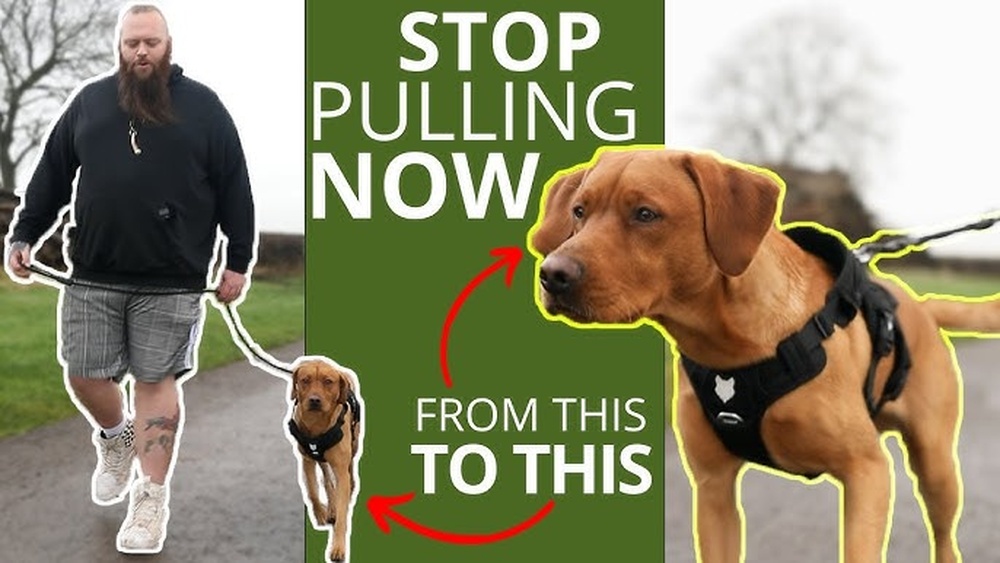
If your dog pulls on the leash every time you go for a walk, you know how frustrating it can be. It’s not just uncomfortable—it can be unsafe for both you and your furry friend.
You want a solution that works, something simple and effective to keep your dog calm and by your side. Finding the best lead to stop a dog pulling can change your walks from stressful to enjoyable. You’ll discover the top options designed to give you control without hurting your dog, so every walk becomes a pleasant experience you both look forward to.
Keep reading to find the perfect lead for your dog and take the first step toward peaceful, happy walks.
Why Dogs Pull On Leashes
Dogs pulling on leashes is a common problem for many pet owners. Understanding why dogs pull helps find the best lead to stop this behavior. Pulling happens for various reasons. Each dog may have a different cause. Knowing these causes is the first step to better walks.
Common Causes Of Pulling
Many dogs pull because they are excited to explore. New smells, sounds, and sights attract their attention. Dogs also pull to reach something interesting or other animals. Some pull due to lack of training or bad habits. Anxiety or fear can make dogs pull away from stress. Young dogs often pull more as they learn leash manners.
Effects On Dog And Owner
Pulling can cause stress and discomfort for both dog and owner. Dogs may hurt their neck or throat from constant pulling. Owners often feel tired and frustrated during walks. Poor walking habits can lead to less outdoor time for dogs. Pulling also affects the bond between dog and owner. Safe and calm walks help build trust and happiness.
Types Of Leads For Gentle Control
Choosing the right lead helps control your dog gently during walks. It stops pulling without causing pain. Several types of leads offer gentle control. Each type suits different dogs and walking styles. Understanding these leads helps you pick the best one for your dog.
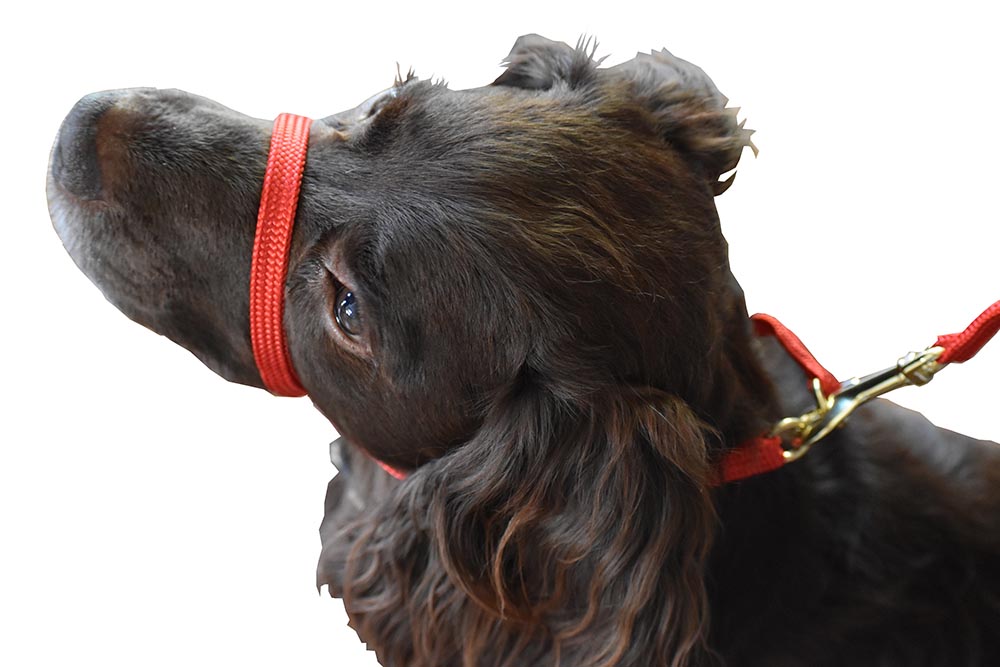
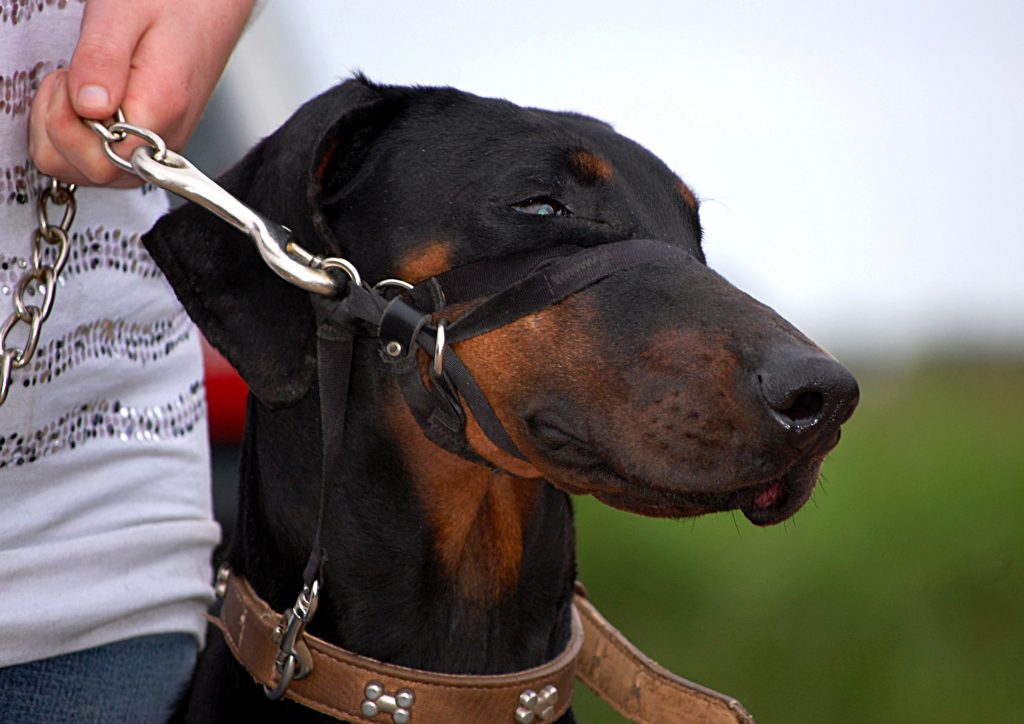
Head Collars
Head collars fit around your dog’s nose and head. They guide the dog by steering the head. This reduces pulling by redirecting your dog’s attention. Dogs cannot pull hard because their head controls their body. These collars are gentle but need slow introduction.
Front-clip Harnesses
Front-clip harnesses have a leash ring on the chest. When your dog pulls, the harness turns them toward you. It stops pulling without choking or hurting. These harnesses give control while allowing natural movement. They work well for dogs that pull forward strongly.
No-pull Harnesses
No-pull harnesses use special designs to discourage pulling. They may have multiple clip points or straps that tighten slightly. This gentle pressure reminds dogs to slow down. No-pull harnesses protect the dog’s neck and throat. They are good for dogs learning to walk calmly.
Slip Leads
Slip leads combine collar and lead in one loop. They tighten when the dog pulls and loosen when the dog stops. This quick feedback helps teach dogs to walk nicely. Slip leads are simple and easy to use. They must fit well to avoid discomfort.
Top Picks For Gentle Control Leads
Choosing the right lead can make walking your dog easier. Gentle control leads help reduce pulling without causing pain. They guide your dog calmly and keep walks safe and fun.
Here are some top picks that offer gentle control. Each type suits different dogs and walking styles. Find the best fit for your furry friend.
Best Head Collars
Head collars fit around your dog’s nose and neck. They give you control over the head, which helps stop pulling. Dogs learn to walk beside you without strain. Choose soft, padded options for comfort.
Best Front-clip Harnesses
Front-clip harnesses have a leash ring on the chest. This design redirects pulling to the side. It stops your dog from leaning forward. Look for adjustable straps and breathable materials for a good fit.
Best No-pull Harnesses
No-pull harnesses tighten slightly when your dog pulls. This gentle pressure discourages pulling behavior. They spread pressure evenly to avoid discomfort. Pick harnesses with easy on-and-off features.
Best Slip Leads
Slip leads combine a collar and leash in one piece. They tighten when your dog pulls and loosen when walking calmly. Use them only for short walks or training. Ensure they are made of soft, durable materials.
Credit: www.mponara.com.br
Choosing The Right Lead For Your Dog
Choosing the right lead for your dog helps control pulling during walks. It makes walks more pleasant for both of you. The right lead fits your dog’s size, behavior, and comfort needs. This guide helps you find the best lead for your dog.
Consider Your Dog’s Size And Breed
Small dogs need lighter leads that don’t weigh them down. Large dogs require strong leads to handle their strength. Some breeds pull more, so leads with extra control work well. Match the lead size to your dog’s breed and weight.
Assessing Temperament And Behavior
Calm dogs may do fine with a basic lead. Dogs that pull hard need leads designed to reduce pulling. Leads with front clips can help redirect pulling dogs. Understand your dog’s behavior to choose the best lead type.
Material And Comfort Factors
Soft materials prevent chafing and irritation on your dog’s neck. Nylon leads are durable but can be rough on skin. Leather leads are comfortable but need care to last. Padding on the handle helps your grip during walks.
Training Tips With Gentle Control Leads
Training your dog to stop pulling can be easier with gentle control leads. These leads help guide your dog without causing pain or fear. They give you more control while keeping the experience calm and safe. Using gentle control leads correctly supports better behavior during walks.
Below are some key tips to use these leads well in training your dog.
Proper Fit And Adjustment
Make sure the gentle control lead fits your dog properly. It should be snug but not too tight. Adjust the lead so it sits comfortably around the neck. A loose or tight lead can cause discomfort or reduce control. Check the fit every time before walks. Proper adjustment helps the lead work effectively and keeps your dog safe.
Positive Reinforcement Techniques
Reward your dog when they walk calmly beside you. Use treats, praise, or toys as rewards. Positive reinforcement helps your dog learn good habits faster. Avoid pulling on the lead to correct behavior. Instead, stop walking if your dog pulls. Start again only when they walk nicely. This teaches your dog that calm walking leads to rewards.
Consistency And Patience
Train your dog regularly using the gentle control lead. Consistency helps your dog understand what is expected. Be patient if your dog pulls or gets distracted. Training takes time and practice. Keep sessions short and positive to hold your dog’s interest. Over time, your dog will learn to walk calmly on the lead.

Credit: www.bestmatedogtraining.co.nz
Safety And Maintenance Of Leads
Using the right lead to stop a dog from pulling is important for safety. A strong, well-kept lead protects both you and your dog. Taking care of your lead keeps it working well for a long time. Check your lead often to avoid accidents.
Regular Inspection
Look at your lead every time before a walk. Check for loose threads, cracks, or tears. Test the clip and rings to ensure they work well. A broken lead can cause your dog to run away. Spot problems early to keep walks safe.
Cleaning And Care
Clean your lead regularly to remove dirt and sweat. Use mild soap and warm water for cleaning. Dry it fully before storing to avoid mold and bad smells. Avoid harsh chemicals that can weaken the material. Proper care keeps the lead strong and fresh.
When To Replace
Replace your lead if you find damage that affects safety. Frayed parts or broken clips mean it’s time for a new one. Also, change leads that smell bad or feel stiff. A worn lead cannot hold your dog properly. Always choose a new lead that fits your dog well.
Credit: www.k9bridle.com
Frequently Asked Questions
What Is The Best Lead To Stop A Dog Pulling?
The best lead to stop a dog pulling is a no-pull harness or head halter. These distribute pressure evenly and discourage pulling without causing harm. They offer better control and make walks more enjoyable for both you and your dog.
How Does A No-pull Lead Work?
A no-pull lead works by gently redirecting your dog’s movement. It applies pressure when the dog pulls, encouraging them to walk beside you. This method trains dogs to walk calmly and reduces pulling behavior over time.
Can A Regular Leash Prevent Pulling?
A regular leash alone usually can’t prevent pulling effectively. Without additional training tools like no-pull harnesses, dogs may continue to pull. Combining a proper lead with training yields the best results in stopping pulling.
Are Head Halters Safe For Dogs?
Yes, head halters are safe when used correctly. They give you control over your dog’s head, reducing pulling. Always introduce them gradually and ensure they fit well to avoid discomfort.
Conclusion
Choosing the right lead helps your dog walk calmly. It makes walks safer and more pleasant. A good lead stops pulling without causing pain. Try different types to find what suits your dog best. Practice patience and stay consistent during training.
Your dog will learn to walk nicely with time. Enjoy peaceful walks and a happier dog every day.


