

Are you wondering if crate training is the right choice for your dog? You might have heard mixed opinions and feel unsure about whether it helps or harms your furry friend.
The truth is, crate training can be a powerful tool when done correctly, offering benefits for both you and your dog. But how do you know if it’s good for your pet’s behavior, comfort, and happiness? Keep reading to discover the real facts and learn how crate training could make life easier for you and your dog.

Credit: www.purina.com
Benefits Of Crate Training
Crate training offers many benefits for dogs and their owners. It helps create a calm and controlled environment. Dogs learn important habits and feel secure. This training method supports good behavior and comfort.
Here are some key benefits of crate training.
Creates A Safe Space
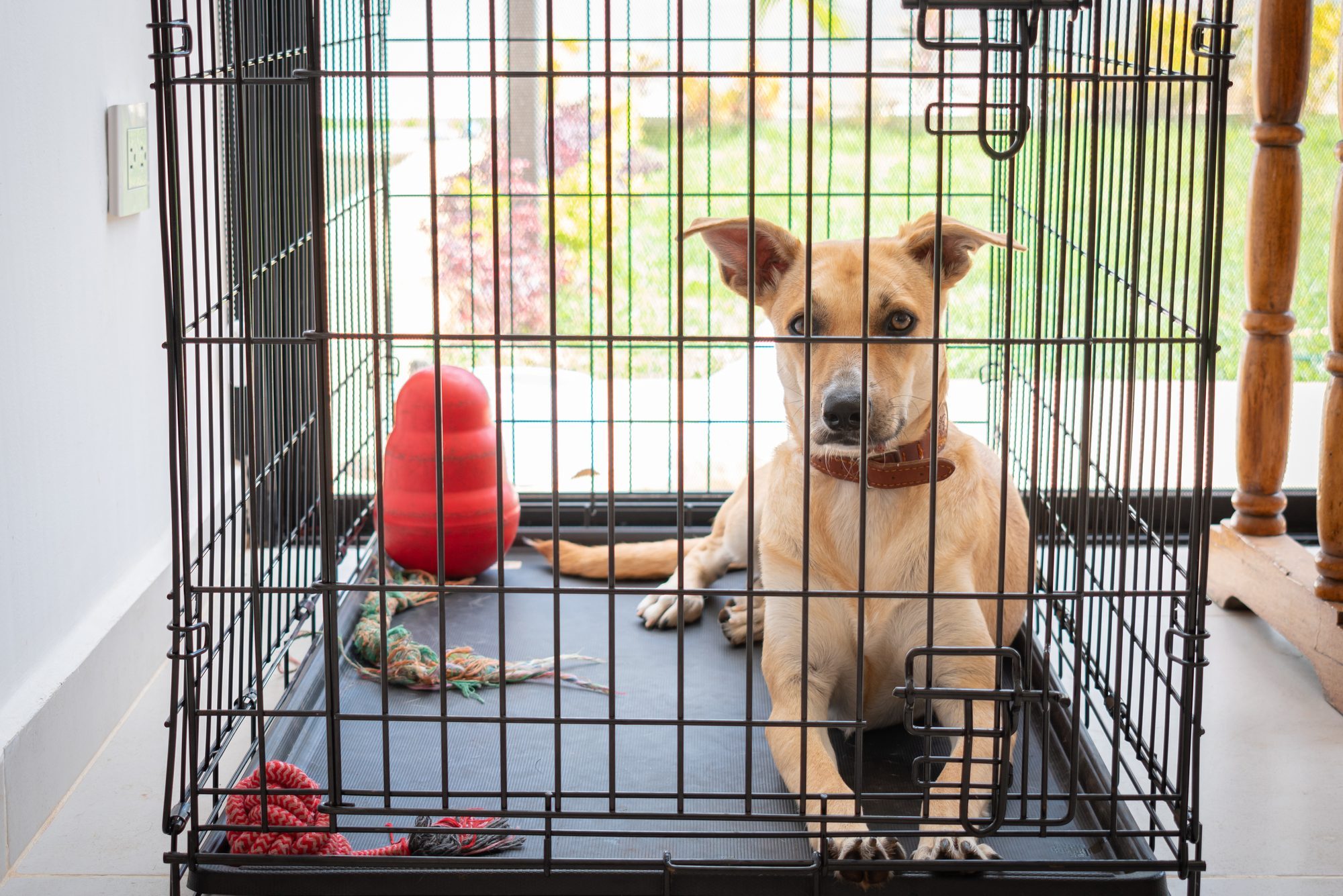
A crate acts like a small den for your dog. It becomes their personal space to rest and relax. Dogs naturally seek out cozy, quiet places. This safe spot reduces stress and gives them peace of mind. A crate helps dogs feel protected and calm.
Aids In Housebreaking
Crate training helps teach dogs to hold their bladder. Dogs avoid soiling their sleeping area. This natural instinct makes housebreaking easier and faster. Consistent crate use builds good bathroom habits. It also reduces accidents inside the house.
Reduces Anxiety
Many dogs feel anxious in new or busy places. A crate offers a familiar and quiet retreat. Dogs can escape noise and overwhelming situations. This reduces stress and prevents panic. Over time, dogs learn to manage their anxiety better.
Prevents Destructive Behavior
Dogs left alone may chew or damage things. Crate training limits access to household items. This lowers the chance of destructive acts. Dogs stay safe and keep your home intact. It also teaches self-control and discipline.

Credit: www.threads.com
Choosing The Right Crate
Choosing the right crate for your dog is an important step in crate training. The crate must fit your dog’s size and needs. A good crate keeps your dog safe and comfortable. It also helps your dog feel secure and calm. This section explains how to pick the best crate for your dog.
Size And Material Options
The crate should be large enough for your dog to stand, turn, and lie down. A crate too small feels cramped and stressful. Too big, and your dog might use one side as a toilet.
Crates come in metal, plastic, and fabric. Metal crates are strong and well-ventilated. Plastic crates offer more privacy and shelter. Fabric crates are lightweight but less durable. Choose the material based on your dog’s behavior and needs.
Portable Vs. Stationary Crates
Portable crates are easy to carry and fold. Great for travel or visits to the vet. Stationary crates are sturdy and often larger. Ideal for home use. Think about where you will use the crate most. This helps decide which type fits best.
Comfort And Accessibility
Comfort is key for your dog to accept the crate. Add soft bedding or a mat inside. Ensure good airflow and visibility. Doors should open easily for quick access. Place the crate in a quiet spot with natural light.
Effective Crate Training Tips
Effective crate training makes the process easier for both dogs and owners. It helps dogs feel safe and secure inside their crate. Proper training encourages positive habits and reduces stress. Follow these simple tips to create a smooth crate training experience.
Introducing The Crate Positively
Start by placing the crate in a quiet, comfortable area. Leave the door open to let your dog explore freely. Put soft bedding and toys inside to make it inviting. Use treats to encourage your dog to enter the crate. Praise your dog gently to build positive feelings. Avoid forcing your dog inside the crate.
Establishing A Routine
Set specific times for crate use each day. Use the crate during naps and bedtime to build habit. Keep crate sessions short at first, then increase gradually. Always take your dog out for bathroom breaks before crate time. Consistency helps your dog understand when crate time starts and ends.
Avoiding Common Mistakes
Never use the crate as punishment. This creates fear and resistance. Avoid leaving your dog in the crate too long. Dogs need regular exercise and social time outside the crate. Do not ignore signs of distress or anxiety. Address problems early with calm, patient training.
Credit: www.rd.com
Addressing Common Concerns
Many dog owners have questions about crate training. Concerns often focus on the dog’s comfort and safety. This section clears up common doubts. Understanding these points helps you decide if crate training suits your dog and lifestyle.
Is Crate Training Cruel?
Some think crate training is cruel. Actually, crates mimic a den, a natural safe space for dogs. Proper use means the crate is a cozy retreat, not a punishment. Dogs often enjoy having their own quiet place. The key is to introduce the crate gently and never use it for long timeouts.
How Long To Keep A Dog In A Crate
Time limits depend on the dog’s age and needs. Puppies should stay in a crate for no more than two hours. Adult dogs can handle up to four to six hours. Long hours can cause stress and discomfort. Breaks for exercise, bathroom, and play are important. Always watch your dog’s behavior for signs of distress.
Alternatives To Crate Training
Some dogs dislike crates, so alternatives exist. Playpens offer more space and still limit roaming. Baby gates can block off areas safely. Training with supervision and houseproofing the home helps too. The goal is a safe and calm environment for your dog.
Crate Training For Different Dog Types
Crate training works differently for various types of dogs. Each dog has unique needs and habits. Understanding these helps make crate training more effective and gentle.
Some dogs adapt quickly, while others need more time and patience. Tailoring the approach improves comfort and learning for your dog.
Puppies Vs. Adult Dogs
Puppies often accept crates easily. They see it as a cozy, safe space. Crates help with house training and keeping puppies calm.
Adult dogs might resist at first. They may have past experiences or habits to overcome. Gentle encouragement and patience work best.
Both puppies and adults benefit from short, positive crate sessions. Gradual increase builds trust and comfort.
Training Rescue Dogs
Rescue dogs may have fears or trauma tied to confinement. Crate training needs extra care and time here.
Start slow. Let the dog explore the crate without pressure. Use treats and praise to create positive feelings.
Consistency and kindness help rescue dogs see the crate as a safe place.
Dogs With Anxiety Issues
Dogs with anxiety can find crates comforting or stressful. Watch your dog’s reaction closely.
Create a calm space with soft bedding and toys inside the crate. Keep crate sessions short at first.
Use the crate to reduce anxiety, not to isolate. Quiet, positive moments help anxious dogs relax.
Frequently Asked Questions
What Are The Benefits Of Crate Training Dogs?
Crate training provides dogs with a safe, cozy space. It aids housebreaking, reduces anxiety, and prevents destructive behavior. It also helps in travel safety and vet visits, making dogs feel secure in new environments.
How Long Should A Dog Stay In A Crate Daily?
Dogs should not stay in a crate for more than 4-6 hours during the day. Puppies need shorter intervals. Overnight crating is acceptable if comfortable. Regular breaks for exercise, play, and bathroom are essential for their well-being.
Can Crate Training Cause Stress Or Anxiety In Dogs?
If introduced gradually, crate training reduces anxiety by creating a safe haven. Sudden confinement or long durations can cause stress. Positive reinforcement and patience ensure dogs associate the crate with comfort, not punishment.
Is Crate Training Suitable For All Dog Breeds?
Crate training works well for most breeds but depends on the dog’s temperament. Active or anxious dogs may need more patience. Adjust crate size and training methods to suit breed-specific needs and individual personality.
Conclusion
Crate training helps dogs feel safe and secure at home. It teaches them good habits and reduces stress. Dogs learn to enjoy their personal space and rest quietly. Owners find it easier to manage their pets daily. Patience and kindness make crate training work well.
Every dog is different, so take your time. This method can improve your dog’s behavior and comfort. Try crate training and see the positive changes yourself. Simple, gentle training often leads to happy, well-behaved dogs.

