
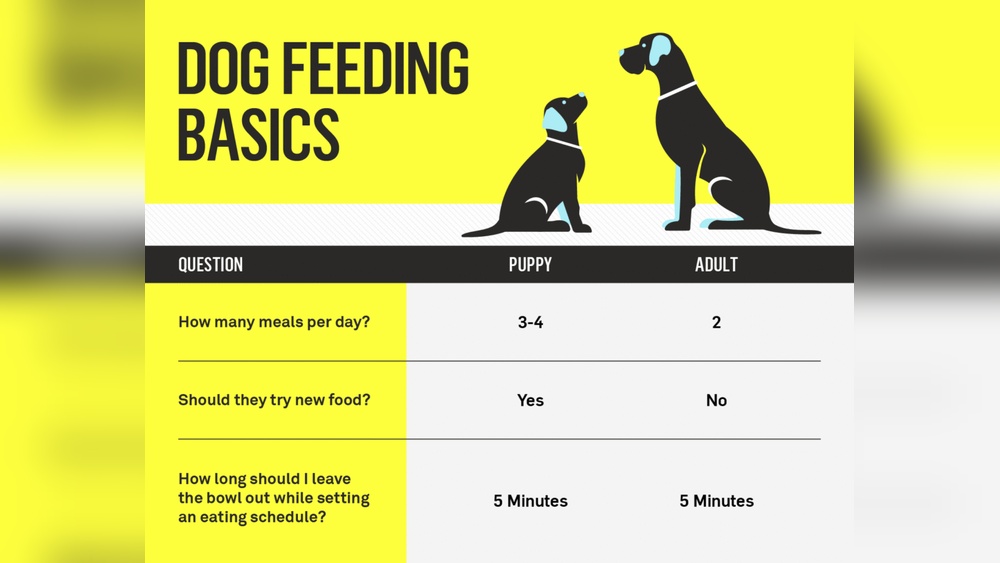
Are you wondering when it’s the right time to switch your puppy to adult dog food? Feeding your furry friend the right food at the right stage is crucial for their health and happiness.
Giving your puppy adult dog food too early or too late can affect their growth, energy, and overall wellbeing. You’ll discover the simple signs to look for and expert tips to make this transition smooth and safe. Keep reading to learn exactly when you can feed your puppy adult dog food and help your dog thrive every step of the way.
Puppy Vs Adult Dog Food
Choosing the right food for your dog is important for its health. Puppy food and adult dog food are made differently. Each type supports a different stage of your dog’s life. Feeding the right food at the right time helps your dog grow strong and stay healthy.
Key Nutritional Differences
Puppy food has more calories than adult food. Puppies need extra energy to grow fast. Their food also has more protein to build muscles. Calcium and phosphorus help puppies develop strong bones. Adult dog food has less fat and fewer calories. It supports a healthy weight and keeps adult dogs active.
Why Timing Matters
Feeding puppy food for too long can cause weight gain. Adult food too early may not meet growth needs. Most dogs switch to adult food around one year old. Large breeds might need more time on puppy food. Watch your dog’s size and energy to decide the right time.
Signs Your Puppy Is Ready
Knowing when to switch your puppy to adult dog food is important. Puppies grow fast and their needs change. Watch for clear signs that your puppy is ready for the new food. These signs help you feed your dog right and keep it healthy.
Weight And Size Benchmarks
Check your puppy’s weight regularly. Most dogs start adult food at about 80% of their adult weight. Small breeds usually switch earlier, around 9 to 12 months. Large breeds may need puppy food longer, up to 18 months. Size matters more than age in deciding the right time.
Behavioral Changes
Puppies become less hyperactive as they grow. They may eat less often and sleep more. If your puppy shows calmer behavior, it might be ready for adult food. Watch for a steady appetite and less chewing on toys. These changes signal growth and readiness for new nutrition.
Health Indicators
Healthy puppies have shiny coats and clear eyes. Look for strong teeth and healthy gums. Good energy levels and firm stools also show health. If your puppy meets these health signs, switching to adult food is safe. Always check with your vet for the best timing.
Ideal Age To Switch
Switching your puppy from puppy food to adult dog food is an important step. Choosing the right time helps your dog grow strong and stay healthy. The ideal age to switch depends on your dog’s breed and health needs. Watch your dog’s growth and energy levels closely. Use these signs to know when to change their diet.
Breed-specific Timelines
Small dog breeds grow faster than large breeds. Many small breeds are ready for adult food by 9 to 12 months. Large and giant breeds take longer. They may need puppy food until 12 to 24 months. Feeding adult food too early can harm large breeds’ bone growth. Check your breed’s typical growth rate for guidance.
Veterinarian Recommendations
Your vet can give the best advice on when to switch food. They know your dog’s health history and growth pattern. A vet may suggest tests to check your dog’s nutrition needs. Follow their advice to keep your dog healthy. Regular check-ups help adjust the diet at the right time.
Transitioning Tips
Switching your puppy to adult dog food is an important step. Doing it right helps your dog stay healthy and happy. Sudden changes can upset their stomach. Careful transition makes the process smooth and easy.
Gradual Food Mixing
Start by mixing a small amount of adult food with puppy food. Gradually increase adult food over 7 to 10 days. This helps your dog’s system adjust slowly. Avoid giving only adult food at first. Mixing both types reduces the chance of stomach problems.
Monitoring Digestive Responses
Watch your dog for signs of discomfort or diarrhea. Changes in stool or vomiting mean slow down the switch. Keep an eye on your dog’s appetite and energy. Healthy digestion shows the new food suits them well. Adjust the pace based on how your dog reacts.
Risks Of Early Or Late Switching
Switching a puppy to adult dog food too early or too late can cause health problems. Puppies and adult dogs have different nutritional needs. Feeding the wrong food can harm their growth and well-being. Understanding the risks helps you make the right choice for your dog.
Nutritional Deficiencies
Puppy food contains more protein and calories than adult food. Switching too early may cause your puppy to miss important nutrients. This can slow growth and weaken bones. Late switching may lead to excess nutrients, causing stomach upset. Both cases harm your dog’s health and development.
Overfeeding And Obesity
Adult dog food has fewer calories than puppy food. Feeding puppy food for too long can cause weight gain. Overfeeding leads to obesity, which strains the heart and joints. Switching too late may make your dog lazy and unhealthy. Balanced feeding keeps your dog fit and active.
Credit: www.gallant.com
Special Considerations
Special considerations matter when switching your puppy to adult dog food. Puppies grow at different rates. Their needs can vary based on health and breed. Paying attention to these details helps keep your dog healthy and happy.
Puppies With Health Issues
Puppies with health problems need careful feeding choices. Some illnesses affect digestion and nutrient absorption. Your vet may suggest a special diet or delayed switch to adult food. Always follow professional advice for the best care.
Watch for signs like weight loss or poor energy. These may mean the food is not right yet. Adjusting diet slowly can help avoid stomach upset. Regular check-ups ensure your puppy grows strong and well.
Large Vs Small Breeds
Large and small breed puppies grow at different speeds. Large breeds take longer to mature. They need puppy food for 12 to 18 months. Small breeds often switch around 9 to 12 months.
Large breed puppy food has nutrients to support slow, steady growth. Small breed formulas focus on higher energy and smaller kibble size. Feeding the right type prevents health problems later in life.
Understand your breed’s needs. This helps choose the best time to switch food. Proper nutrition supports a long, active life for your dog.
Expert Advice And Resources
Knowing the right time to switch your puppy to adult dog food is important for their health. Expert advice and reliable resources help you make the best choice. This section shares key tips from professionals and trusted guides to support your decision.
Consulting Your Vet
Your vet knows your puppy’s health best. They can tell you the right time to start adult dog food. Vets consider breed, size, and growth rate before advising. A quick checkup helps spot if your puppy is ready. Always ask your vet for tailored feeding advice.
Reliable Feeding Guides
Feeding guides from pet food brands offer clear instructions. These guides show age and weight milestones for switching food. They also explain portion sizes and feeding frequency. Use guides as a helpful tool to track your puppy’s progress. Choose guides from trusted brands for accurate information.
:strip_icc()/Puppy-food-feeding-schedule-2804779-a35fb27f23bd427cbea6ed24236fee22.jpg)
Credit: www.thesprucepets.com
Credit: www.purina.com
Frequently Asked Questions
When Should I Switch My Puppy To Adult Dog Food?
You should switch when your puppy reaches about 80% of their adult size. This is usually around 9 to 12 months. Large breeds may take longer, up to 18 months. Consult your vet for the best timing based on your puppy’s breed and growth.
What Are Signs My Puppy Is Ready For Adult Food?
Look for slowed growth and decreased energy levels. If your puppy’s weight stabilizes, they may be ready. Also, adult food suits their changing nutritional needs. Always transition gradually to avoid digestive upset. Check with your vet before making the switch.
Can I Feed Adult Dog Food To A Puppy?
Adult dog food lacks the nutrients puppies need for growth. Feeding it too early can cause deficiencies. Puppies require higher protein, fat, and calorie levels. Always provide puppy-specific food until your vet advises switching to adult food.
How Do I Transition My Puppy To Adult Dog Food?
Mix increasing amounts of adult food with puppy food over 7-10 days. Start with 25% adult food and 75% puppy food. Gradually adjust the ratio until fully switched. This prevents stomach upset and helps your puppy adapt smoothly.
Conclusion
Choosing the right time to feed puppy adult dog food is important. Usually, dogs switch to adult food around one year old. Watch your dog’s size, energy, and health for clues. Gradual change helps avoid stomach problems. Always check with your vet to be sure.
Feeding the right food keeps your dog strong and happy. Remember, every dog grows at its own pace. Patience and care make feeding easier and safer. Your dog will thank you with good health and joy.


