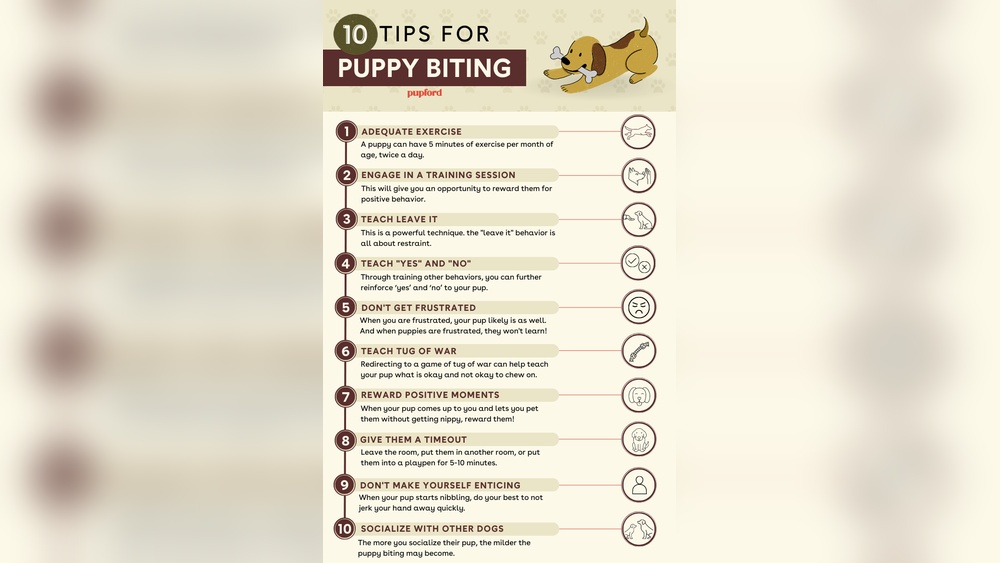
Is your puppy biting everything in sight—your hands, shoes, or even your clothes? It’s frustrating, and you might be wondering how to stop this behavior before it becomes a bigger problem.
You’re not alone, and the good news is that with the right tips, you can teach your puppy to control their biting in a gentle and effective way. Keep reading, because these simple strategies will help you build a happier, calmer relationship with your furry friend—starting today.
Why Puppies Bite
Puppies biting is a common behavior that many new dog owners face. Understanding why puppies bite helps handle this behavior better. Puppies use biting to learn about the world around them. This behavior is natural but needs guidance to keep it safe and gentle.
Teething And Exploration
Puppies bite because they are teething. Their baby teeth fall out and new teeth grow in. This process causes discomfort and soreness in their gums. Biting helps relieve this pain. Puppies also use their mouths to explore things. They learn about texture, taste, and shape by biting objects.
Play Behavior
Biting is part of how puppies play with their littermates. They nip and bite to practice hunting and social skills. Play biting teaches them how hard they can bite without hurting others. When puppies play with people, they may bite to invite more play.
Attention Seeking
Some puppies bite to get attention from their owners. If they feel lonely or bored, biting can be a way to start interaction. Puppies learn that biting makes people react quickly. This reaction encourages them to bite more to keep attention.
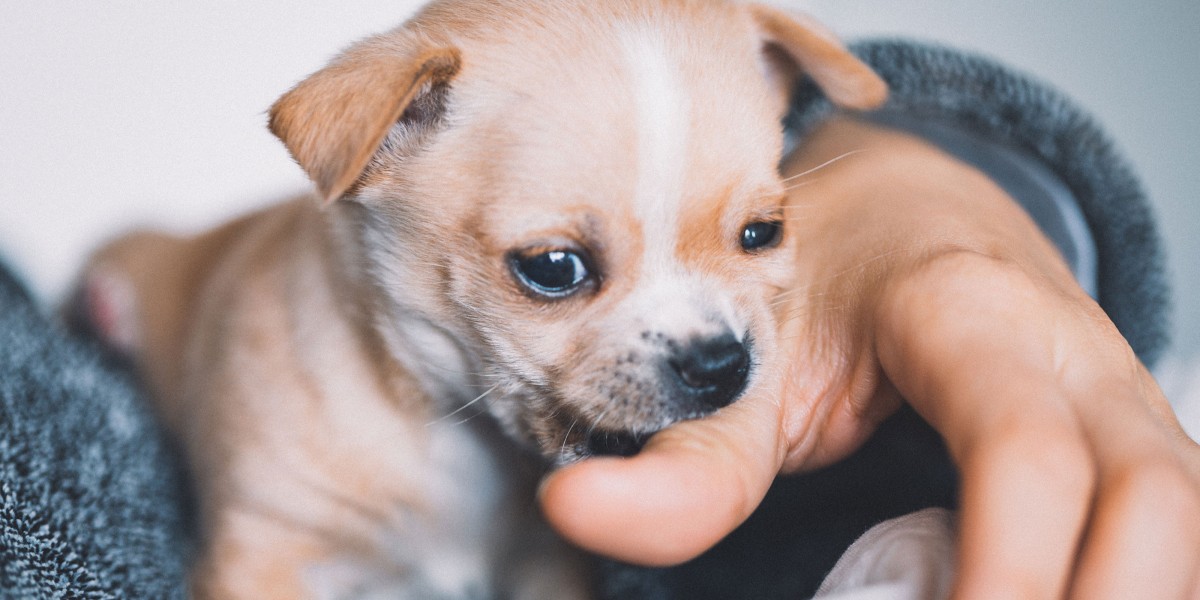
Credit: www.purina.com
Signs Of Biting Behavior
Puppy biting is normal but can cause problems. Puppies explore the world with their mouths. They use biting to play and learn limits. Knowing signs of biting helps manage this behavior early. It prevents bad habits and keeps everyone safe.
Recognizing Nipping
Nipping is gentle biting or mouthing. Puppies often nip during play or excitement. It feels like little bites or quick mouth touches. This behavior shows curiosity, not aggression. Watch for loose body language and wagging tails. Nipping stops when puppies learn it hurts people.
When Biting Becomes Aggressive
Aggressive biting is different and more serious. It may cause pain or injury. Signs include hard biting, growling, and stiff body posture. The puppy might snap or lunge suddenly. Aggressive bites happen out of fear or frustration. Early action is important to avoid future problems.
Immediate Responses To Biting
Immediate responses to puppy biting are important. They teach your puppy what behavior is not allowed. Acting quickly helps your puppy learn faster. It also prevents biting from becoming a habit. Stay calm and consistent. Your puppy will understand your limits better.
Using A Firm ‘no’
Say a firm “No” when your puppy bites. Use a strong, clear voice. Not too loud, just serious. This helps your puppy connect biting with the word “No.” Avoid yelling or scaring your puppy. It should feel like a clear rule. Repeat this every time your puppy bites.
Redirecting To Toys
Give your puppy a toy to bite instead. Offer a chew toy or a soft ball. This shows what is okay to bite. Take your hand away gently. Let your puppy focus on the toy. Praise your puppy for choosing the toy. This teaches good biting habits quickly.

Credit: www.preventivevet.com
Training Techniques To Reduce Biting
Training a puppy to stop biting takes clear techniques and calm effort. Puppies explore with their mouths. Biting is natural but needs control. The right training helps teach them limits. Use methods that are kind and effective. These techniques build good habits early.
Positive Reinforcement
Reward good behavior with treats or praise. When your puppy plays gently, give a treat. This shows biting softly is better than hard biting. Use a happy voice to encourage your puppy. Positive reinforcement helps your puppy learn fast. It makes training fun and clear.
Time-outs
Stop play if biting gets too hard. Say “no” firmly and walk away for a moment. This shows biting stops all fun. Time-outs teach the puppy that biting has consequences. Keep time-outs short but consistent. Your puppy learns that biting means no play.
Consistency And Patience
Use the same rules every day. Everyone in the family must follow these rules. This helps your puppy understand what is right. Be patient; learning takes time. Puppies need many chances to improve. Consistency and patience create lasting good habits.
Socializing Your Puppy
Socializing your puppy is key to reducing biting and building good behavior. Puppies learn a lot from meeting other dogs and experiencing new places. Early socialization helps puppies feel calm and confident. It teaches them how to play nicely without biting hard. Safe social experiences shape a happy, well-behaved dog.
Puppy Playdates
Arrange playdates with friendly puppies or adult dogs. These meetings teach your puppy how to use gentle mouths. Playdates help puppies practice biting softly during play. Watch closely to stop rough play or hard biting. Positive play with others lowers your puppy’s urge to bite at home.
Exposure To Different Environments
Take your puppy to various safe places. Parks, sidewalks, and pet stores offer new sights and sounds. This exposure helps your puppy stay calm in different settings. Puppies that feel secure in new places bite less out of fear. Short visits with treats can make these trips enjoyable.
Tools And Products To Help
Puppy biting is a natural behavior but needs guidance. Tools and products can help teach your puppy what is okay to chew and bite. These items make training easier and protect your hands and furniture. Using the right tools keeps your puppy happy and safe.
Chew Toys
Chew toys are perfect for puppies. They satisfy the need to bite and chew safely. Toys come in many shapes and textures to keep puppies interested. Hard rubber or nylon toys help soothe sore teeth. Soft plush toys can comfort puppies during teething. Always choose toys made for puppies to avoid choking hazards.
Bitter Sprays
Bitter sprays discourage biting unwanted objects. They have a taste puppies dislike. Spray these on your hands or furniture. Puppies learn to avoid biting those areas. This method helps protect your belongings. Make sure the spray is safe and non-toxic for pets.
Training Aids
Training aids include clickers and treats. Clickers mark good behavior clearly. Treats reward your puppy instantly. These tools help puppies learn quickly. Consistent use builds good habits. Use them gently and patiently for best results.
When To Seek Professional Help
Knowing when to seek professional help is important for managing puppy biting. Some biting behaviors need expert advice to keep your puppy and family safe. Early action can prevent problems from getting worse. Watch your puppy closely. Notice any biting that feels hard to control or causes worry.
Persistent Biting Issues
Persistent biting means your puppy bites often and hard. Simple training may not stop this behavior. A professional trainer or behaviorist can help find the cause. They offer special techniques to reduce biting safely. Persistent biting may show your puppy feels stressed or anxious. Experts can teach you how to calm and guide your puppy better.
Aggression Concerns
Aggression is more than playful biting. It includes growling, snapping, or biting with force. Aggressive behavior can be dangerous for people and other animals. Do not ignore signs of aggression. A professional can assess your puppy’s behavior. They create a safe plan to manage aggression. Early help keeps everyone safe and improves your puppy’s future.

Credit: www.visco-foam.com
Frequently Asked Questions
Why Do Puppies Bite During Play?
Puppies bite to explore and communicate. They learn bite inhibition through play with littermates. Proper training helps reduce biting.
How Can I Stop My Puppy From Biting?
Use positive reinforcement to reward gentle behavior. Redirect biting to chew toys. Consistency and patience are key.
When Should Puppy Biting Behavior Decrease?
Puppy biting usually decreases by 4 to 6 months. Training and socialization speed up this process.
Are Teething Toys Effective For Puppy Biting?
Yes, teething toys soothe sore gums and reduce biting. Provide safe chew toys to distract your puppy.
Conclusion
Puppy biting can feel tough to handle. Stay patient and consistent with your training. Offer toys to chew instead of your hands. Praise your puppy when they play gently. Remember, puppies learn best with kindness and clear rules. Bite habits will improve with time and care.
Enjoy the fun moments as your puppy grows. Keep practicing these tips daily for good results. Your puppy will become a well-behaved friend soon.