
Have you ever noticed your dog pooping less after switching to a higher nutrition food? It might seem surprising, but there’s a simple reason behind it.
When your dog eats better quality food, their body absorbs more nutrients and wastes less. This means fewer trips outside for bathroom breaks—and that’s a good thing! If you want to understand why this happens and how it benefits your furry friend’s health, keep reading.
You’ll discover how the right food can make a big difference in your dog’s digestion and overall well-being.
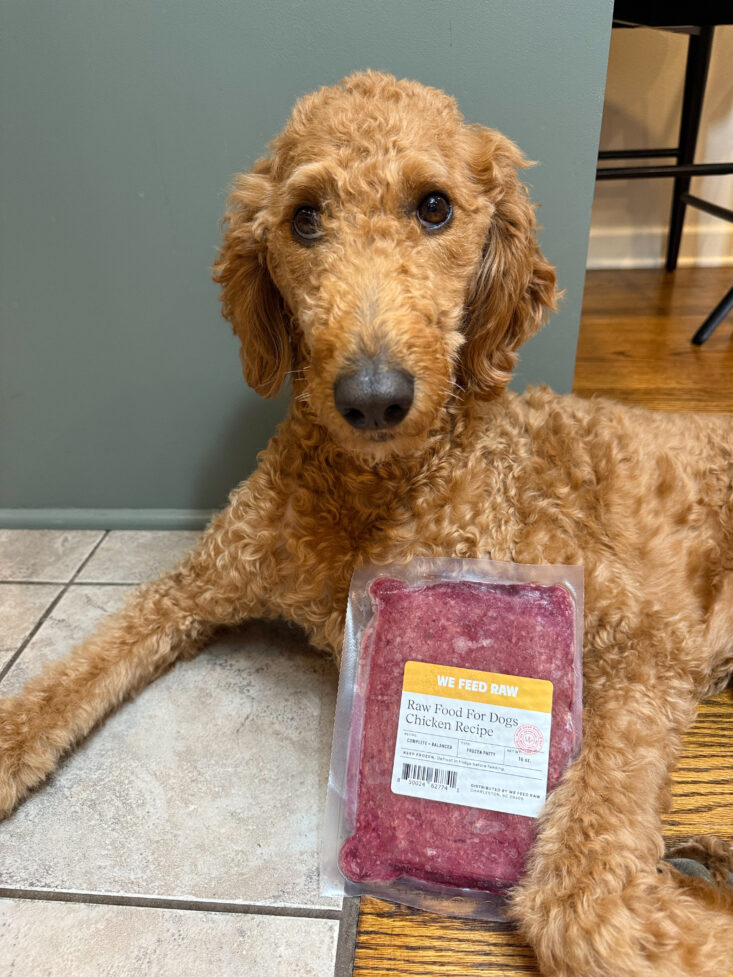
Credit: www.mysubscriptionaddiction.com
Nutrient Density And Digestive Efficiency
Nutrient density and digestive efficiency play a big role in why dogs poop less with higher nutrition food. Foods rich in nutrients give dogs what they need without extra fillers. Their bodies can use these nutrients better. This means less waste is left to pass out as poop.
Understanding how these factors work helps explain the link between quality food and smaller stool amounts. Let’s explore this in detail.
Concentrated Nutrients In High-quality Food
High-quality dog food has concentrated nutrients. It contains more vitamins, minerals, and proteins in smaller amounts. Dogs get enough nutrition without eating large portions. This reduces the volume of food passing through the digestive system. Less food bulk means less stool produced.
Improved Absorption Rates
Better food quality improves nutrient absorption. Dogs digest and absorb nutrients more efficiently. Their intestines extract more energy and nutrients from each bite. This leaves fewer leftovers to be excreted. Efficient absorption supports overall health and reduces stool size.
Reduced Waste Production
Higher nutrient absorption means less waste forms in the gut. Low-quality food often has fillers that pass through undigested. These fillers add bulk to stool. Quality food reduces these fillers and waste by-products. This leads to less frequent and smaller bowel movements.

Credit: www.houndsy.com
Role Of Fiber In Stool Volume
Fiber plays a key role in how much dogs poop. It affects stool size and how often dogs need to go. The type and amount of fiber in dog food change digestion and stool volume. Understanding fiber helps explain why higher nutrition food often leads to less poop.
Types Of Fiber In Dog Food
Dog food contains two main types of fiber: soluble and insoluble. Soluble fiber dissolves in water and forms a gel-like substance. It helps slow digestion and improve nutrient absorption. Insoluble fiber does not dissolve and adds bulk to stool. Both types work together to support healthy digestion.
Fiber’s Impact On Digestion
Fiber affects how food moves through the digestive tract. Soluble fiber slows digestion, allowing more nutrients to be absorbed. Insoluble fiber helps food pass through faster by adding bulk. Together, they balance digestion, reduce stool volume, and improve stool quality.
Balancing Fiber For Optimal Bowel Movements
Too much fiber can cause loose stools or gas. Too little fiber leads to hard, dry stools. The right fiber balance supports regular, healthy bowel movements. High-quality dog food carefully balances fiber types and amounts. This balance helps dogs poop less often and with less volume.
Protein Quality And Metabolism
Protein quality plays a key role in how dogs digest food. High-quality proteins are easier for dogs to use. This means their bodies get more nutrients from less food. The result is less waste to pass as stool. Understanding protein quality and metabolism helps explain why dogs poop less with better food.
Complete Proteins And Dog Health
Complete proteins contain all essential amino acids. Dogs need these amino acids for growth and repair. Animal-based proteins usually provide complete amino acids. These proteins support strong muscles and healthy skin. Feeding dogs complete proteins improves their overall health.
Protein Breakdown And Waste Output
Good proteins break down efficiently in the digestive system. This means fewer leftovers reach the intestines. Poor proteins leave more undigested material behind. These leftovers increase waste and stool volume. High-quality protein reduces waste output by improving digestion.
Effects On Stool Frequency
Better protein digestion lowers stool frequency in dogs. Less undigested food means less work for the gut. Dogs on high-quality protein diets poop less often. This is a sign of better nutrient absorption. Feeding higher nutrition food keeps dogs’ digestive systems healthy.
Hydration And Stool Consistency
Hydration plays a key role in how often dogs poop and the quality of their stool. Foods with higher water content help keep dogs hydrated. This hydration affects digestion and stool consistency. Understanding this link explains why dogs fed nutritious food poop less often.
Water Content In Nutritious Dog Food
Nutritious dog foods often contain more water than dry kibble. Wet or fresh foods include 70% to 80% water. This added moisture helps dogs stay hydrated. Hydration supports many body functions, including digestion. More water in food means less need for extra water intake.
Hydration’s Role In Digestion
Water helps break down food inside the digestive tract. It softens food and moves it smoothly through the intestines. Good hydration prevents constipation and discomfort. Proper digestion means dogs absorb nutrients better. Healthy digestion reduces the amount of waste produced.
Impact On Stool Firmness And Frequency
Hydrated dogs produce stools that are firm but not hard. The stool is easier to pass and less frequent. Less waste passes through because nutrients are well absorbed. This means dogs poop less often and with less effort. Healthy stool consistency reflects good hydration and nutrition.
Benefits Beyond Reduced Pooping
Feeding dogs higher nutrition food offers benefits beyond just less poop. Quality food improves many areas of a dog’s health. It supports energy, skin, and immune function. These benefits make dogs feel better and live healthier lives.
Improved Energy Levels
High-quality dog food contains better proteins and fats. These nutrients give dogs steady energy throughout the day. Dogs stay active and playful longer. They do not tire quickly during walks or playtime. This helps dogs enjoy life more fully.
Healthier Coat And Skin
Good nutrition affects a dog’s coat and skin. Essential fatty acids in premium food keep skin hydrated. Dogs have shiny, soft fur that looks healthy. They also suffer less from itching or dryness. Healthy skin protects dogs from infections and irritations.
Stronger Immune System
Higher nutrition food supports the immune system. Antioxidants and vitamins help dogs fight illness. Dogs recover faster from sickness or injury. A strong immune system keeps dogs healthy longer. This reduces vet visits and improves overall well-being.
Choosing The Right High-nutrition Food
Choosing the right high-nutrition food for your dog affects their health and digestion. High-quality food helps dogs get more nutrients from smaller amounts. This means they produce less waste and poop less often. Picking the best food requires attention to ingredients and quality.
Key Ingredients To Look For
Protein is vital for your dog’s muscle and energy. Look for real meat like chicken, beef, or fish listed first. Healthy fats like omega-3 and omega-6 support skin and coat. Whole grains and vegetables provide fiber and vitamins. These ingredients help with digestion and nutrient absorption.
Avoiding Fillers And Additives
Avoid foods with fillers like corn, wheat, and soy. These add bulk but little nutrition. Artificial colors, flavors, and preservatives can upset your dog’s stomach. Clean labels with fewer additives make better choices. Pure, natural ingredients improve digestion and reduce poop size.
Consulting Your Veterinarian
Your vet knows your dog’s health needs best. Talk about diet changes and high-nutrition options. They can recommend foods that suit your dog’s age, size, and health. Regular check-ups help track how well the new food works. A vet’s advice ensures safe, healthy feeding choices.
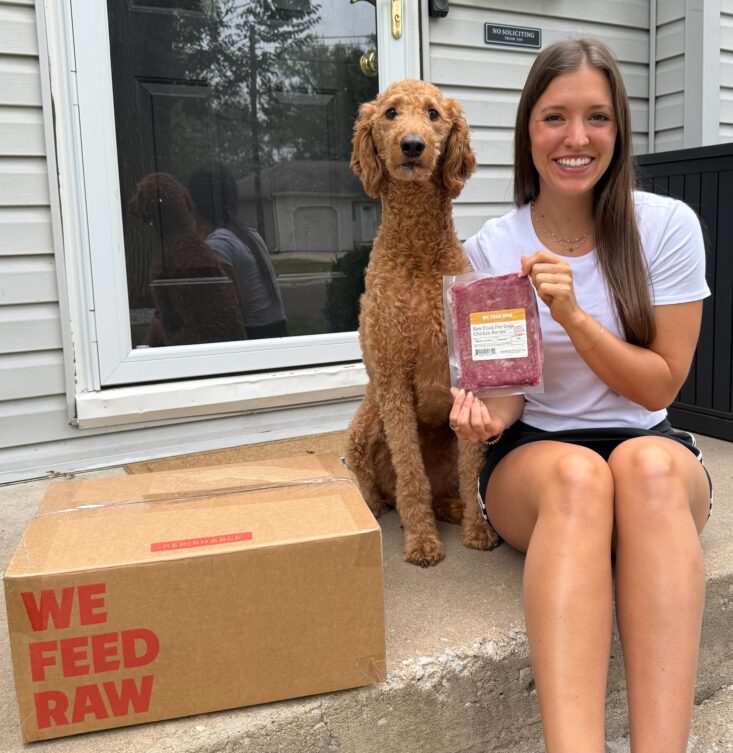
Credit: www.mysubscriptionaddiction.com
Frequently Asked Questions
Why Do Dogs Poop Less With High Nutrition Food?
High nutrition food is more digestible and absorbed better. This reduces waste, so dogs produce less stool. Quality ingredients lead to efficient digestion and nutrient uptake.
Does High-quality Dog Food Improve Digestion?
Yes, premium dog food contains balanced nutrients and fewer fillers. This helps dogs digest food smoothly and absorb more nutrients, resulting in less frequent bowel movements.
Can Nutrition Affect A Dog’s Stool Size?
Absolutely. Better nutrition means less indigestible material passes through. Dogs on high nutrition diets tend to have smaller, firmer stools due to efficient nutrient absorption.
Is It Normal For Dogs To Poop Less On Premium Diets?
Yes, it’s normal. High-quality diets reduce waste output since dogs absorb more nutrients. Less frequent pooping indicates better digestion, not a health problem.
Conclusion
Feeding dogs higher nutrition food helps their bodies absorb more nutrients. This means less waste is left to pass as poop. Dogs feel healthier and have more energy from better food. You may notice they poop less often and with less volume.
Choosing quality dog food supports their digestion and overall well-being. It’s a smart way to care for your pet every day. Better food equals a happier, healthier dog. Simple but true.


