
Switching your dog to adult food should be a simple step in their growth, but what happens when it leads to diarrhea? If your furry friend suddenly has upset stomachs or loose stools, it can be worrying.
You want to help your dog feel better quickly and avoid any lasting issues. You’ll discover why this happens and exactly what you can do to ease your dog’s digestive troubles. Keep reading to find practical tips that will get your dog back to feeling their best.

Credit: www.iams.com
Causes Of Diarrhea After Switching Food
Switching your dog to adult food can cause diarrhea. This problem often puzzles many pet owners. Understanding why this happens helps you fix it quickly. Several reasons explain the upset stomach after a diet change. Knowing these causes guides you to better care for your dog.
Sudden Diet Changes
Changing your dog’s food too fast often leads to diarrhea. The digestive system needs time to adapt to new ingredients. A sudden switch can shock the stomach and intestines. This shock causes loose stools and discomfort. Gradual changes are key to avoiding this problem.
Food Sensitivities
Some dogs react badly to new food components. Proteins, grains, or additives may cause allergic reactions. Sensitivities trigger diarrhea as the body rejects certain ingredients. Watching your dog’s reaction helps spot these issues early. Choosing the right food avoids these digestive troubles.
Digestive Adjustment Period
The gut needs time to adjust to new nutrients. Enzymes and bacteria in the intestines change with diet shifts. This natural process can cause soft stools or diarrhea briefly. Usually, this period lasts a few days to a week. Patience and proper feeding help your dog settle comfortably.
Signs To Monitor
Switching your dog to adult food can sometimes cause diarrhea. It is important to watch your dog closely during this time. Recognizing signs early helps prevent serious issues. Knowing what to look for keeps your dog safe and healthy.
Frequency And Consistency
Check how often your dog poops each day. More than three times could mean diarrhea. Notice if stools are loose, watery, or very soft. Normal poop is firm and easy to pick up. Changes in stool consistency show your dog’s digestion is upset.
Behavioral Changes
Watch your dog’s mood and energy. A dog with diarrhea may seem tired or restless. Look for signs like whining or licking the rear excessively. Loss of appetite or refusal to eat is also a concern. These changes tell you your dog is not feeling well.
Dehydration Symptoms
Diarrhea can cause dehydration fast. Check if your dog drinks more water than usual. Pinch the skin at the back of the neck gently. If it stays up instead of going back, dehydration is possible. Also, dry gums and sunken eyes are warning signs. Act quickly if you see these symptoms.
Immediate Home Remedies
Switching your dog to adult food can sometimes upset their stomach. Diarrhea is a common problem during this change. Acting fast with home remedies helps your dog feel better. Use these simple steps to ease their digestion and avoid dehydration.
Fasting Period
Give your dog’s stomach a rest by skipping food for 12 hours. This pause helps clear irritation and reduces diarrhea. Always provide water during fasting. Do not fast puppies or small breeds without vet advice.
Hydration Tips
Keep your dog well hydrated. Offer small amounts of fresh water often. You can also give ice cubes to lick. Avoid sugary or flavored drinks. Hydration helps replace fluids lost in diarrhea.
Bland Diet Options
After fasting, feed a bland diet to soothe the stomach. Boiled chicken without skin and plain white rice works well. Serve small portions several times a day. Avoid fatty or spicy foods until digestion improves.
Credit: www.houndsy.com
Gradual Transition Strategies
Switching your dog to adult food can upset their stomach. Diarrhea often happens because their digestive system needs time to adjust. A slow and careful change helps reduce this risk. Gradual transition strategies support your dog’s health and comfort during this time.
Mixing Old And New Food
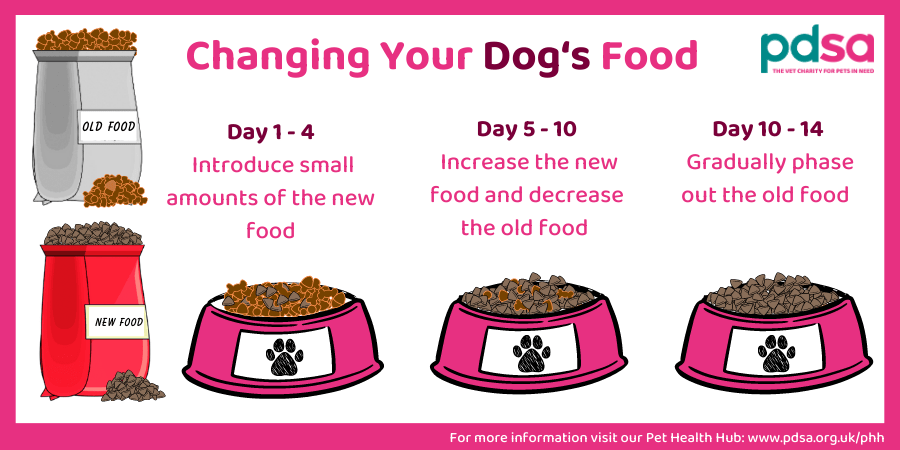
Start by mixing a small amount of new food with the old. Use about 25% new food and 75% old food. Feed this mix for a few days. Gradually increase the new food portion. This helps your dog’s stomach get used to the new taste and ingredients.
Extending Transition Time
Take more time if diarrhea appears. Extend the transition over two weeks or more. Slow changes give your dog’s gut more time to adapt. Rushing may cause more stomach upset. Patience is key to a smooth switch.
Observing Tolerance Levels
Watch your dog’s reaction carefully. Check for diarrhea, vomiting, or lack of appetite. If symptoms worsen, slow down the transition. Some dogs need more time to adjust. Adjust the pace based on your dog’s needs.
When To Consult A Veterinarian
Switching your dog to adult food may sometimes cause diarrhea. Most cases clear up in a day or two. Watch your dog closely for any worrying signs. Knowing when to see a vet helps keep your dog safe and healthy.
Persistent Diarrhea
If diarrhea lasts more than two days, contact your vet. Long-lasting diarrhea can cause dehydration and other problems. Your vet can find the cause and give the right treatment. Do not wait too long to get help.
Signs Of Illness
Look for signs like vomiting, fever, or weakness. A dog that stops eating or drinks less needs care fast. Lethargy or unusual behavior also means a vet visit is needed. These signs show your dog might have a serious problem.
Allergic Reactions
Some dogs react badly to new food ingredients. Watch for itching, swelling, or trouble breathing. Allergic reactions need quick medical attention. Your vet can suggest safe food options and medicine to help.
Credit: www.pdsa.org.uk
Preventing Future Issues
Switching to adult dog food can sometimes upset your dog’s stomach. Diarrhea is a common sign of this. Taking steps to prevent these problems helps keep your dog healthy and happy. Careful choices and routines make a big difference.
Choosing Quality Dog Food
Select dog food with natural ingredients. Avoid fillers like corn, soy, and wheat. Look for foods rich in protein and fiber. High-quality food supports digestion and overall health. Check labels for simple, recognizable ingredients.
Regular Feeding Schedule
Feed your dog at the same times every day. A regular schedule helps their digestion stay balanced. Avoid sudden changes in meal times or portion sizes. Small, frequent meals can reduce stomach upset. Consistency helps your dog’s body adjust smoothly.
Probiotics And Supplements
Probiotics support healthy gut bacteria. They can reduce diarrhea and improve digestion. Ask your vet about safe probiotic options. Supplements like pumpkin or fish oil may also help. These aid digestion and soothe the stomach.
Frequently Asked Questions
Why Does Adult Dog Food Cause Diarrhea?
Switching to adult dog food can upset your dog’s digestive system. New ingredients or higher fiber may cause diarrhea. Gradual transition helps avoid sudden changes. Your dog’s gut needs time to adjust to the new diet.
How Long Does Diarrhea Last After Switching Food?
Diarrhea usually lasts 3 to 5 days after changing dog food. If it persists longer, consult your vet. Monitor your dog’s hydration and behavior during this time for safety.
Should I Stop Feeding Adult Dog Food If Diarrhea Occurs?
Do not stop feeding immediately. Slow down the transition process and mix old and new food gradually. If diarrhea worsens or continues beyond a week, consult your veterinarian for advice.
Can Probiotics Help With Diarrhea From Food Change?
Yes, probiotics can restore healthy gut bacteria and improve digestion. Adding probiotics during food transition may reduce diarrhea severity. Consult your vet for the best probiotic supplement for your dog.
Conclusion
Switching to adult dog food can upset your dog’s tummy at first. Give your dog time to adjust slowly. Try mixing old and new food over several days. Keep fresh water available to help your dog stay hydrated. Watch for signs of serious illness, like lethargy or vomiting.
Consult your vet if diarrhea lasts more than a few days. Patience and care help your dog feel better soon. Your dog will enjoy adult food without discomfort with the right steps.


