

Are you wondering if it’s okay to feed your puppy adult dog food? It’s a question many dog owners ask, especially when they want to make sure their furry friend gets the best nutrition.
What you feed your puppy now can affect their growth, health, and energy levels for years to come. But is adult dog food really the right choice for your little one? Keep reading to find out what experts say and how you can make the best decision for your puppy’s diet.
Your pup’s well-being depends on it!
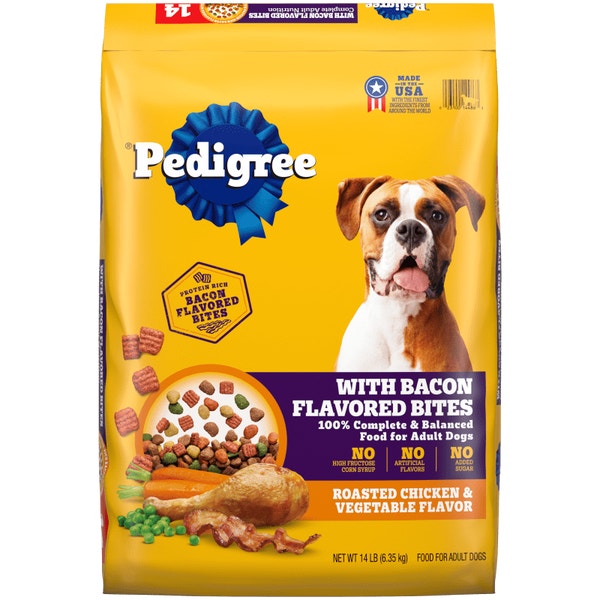
Credit: www.pedigree.com
Puppy Nutritional Needs
Puppies have special needs that differ from adult dogs. Their bodies grow fast, so they require specific nutrients. Feeding the right food supports healthy bones, muscles, and the immune system.
Adult dog food may not meet these needs well. Understanding what puppies need helps in choosing the correct diet. Good nutrition sets a strong foundation for a puppy’s future.
Key Nutrients For Growth
Puppies need more protein than adult dogs. Protein helps build muscles and repair tissues. Fat is also important to provide energy and support brain development.
Calcium and phosphorus keep bones and teeth strong. DHA, a type of fat, helps with brain and eye growth. Vitamins and minerals support the immune system and overall health.
Differences From Adult Dogs
Adult dogs need fewer calories and less fat than puppies. Their growth slows, so their food focuses on maintenance, not development. Puppy food has extra nutrients to help rapid growth.
Adult food may lack some vitamins and minerals puppies need. Feeding adult food to puppies can cause nutrient gaps. This might lead to weak bones or poor development.
Risks Of Adult Food For Puppies
Feeding puppies adult dog food carries several risks. Puppies need special nutrition to grow strong and healthy. Adult dog food does not meet these needs fully. This can lead to problems in their growth and health.
Understanding these risks helps pet owners make better food choices for puppies. The wrong diet can cause lasting damage to their bodies.
Potential Nutrient Deficiencies
Adult dog food often lacks enough protein and fat for puppies. These nutrients are vital for muscle and brain development. Puppies need higher levels of calcium and phosphorus for strong bones. Adult food may have too little or too much of these minerals. This imbalance can cause bone problems. Puppies may also miss out on essential vitamins and fatty acids. These nutrients support the immune system and skin health. Missing them can weaken a puppy’s defenses and cause poor coat quality.
Impact On Development
Improper nutrition slows a puppy’s growth rate. They may gain weight too slowly or become weak. The wrong balance of nutrients affects organ development. Puppies may suffer from poor heart and brain function. Lack of proper nutrients can cause behavioral issues. Energy levels may drop, making puppies less active. Feeding adult food to puppies can lead to long-term health issues. Growth plates in bones might close too early or too late. This results in malformed or fragile bones. Overall, adult dog food does not support healthy puppy development.
When Adult Food Might Be Suitable
Puppies need special food to grow healthy and strong. Sometimes, adult dog food can be okay for puppies. This depends on the situation and the puppy’s needs. Knowing when it is suitable helps keep your puppy safe and happy.
Adult dog food usually has different nutrients than puppy food. Puppies need more protein, fat, and vitamins. But there are times when adult food fits better. Understanding these moments is important for your puppy’s health.
Short-term Feeding Scenarios
Short-term feeding with adult dog food can happen during travel or emergencies. When puppy food is not available, adult food works temporarily. It is important not to feed adult food long-term to puppies.
Adult food may also be used if your puppy has a sensitive stomach. Some adult foods are gentler and easier to digest. Always watch how your puppy reacts to the new food.
Veterinarian Recommendations
A veterinarian might suggest adult dog food for puppies with special health needs. Some puppies have allergies or illnesses requiring adult food formulas. Your vet knows what food suits your puppy’s condition best.
Follow your vet’s advice closely. They can help you choose the right type and amount of food. Regular check-ups ensure your puppy grows well on the chosen diet.
Choosing The Right Puppy Food
Puppies need special food to grow strong and healthy. Their bodies are still developing. They need more nutrients than adult dogs. Feeding puppies adult dog food can cause problems.
Choosing the right food helps puppies build bones, muscles, and a good immune system. The right food also supports brain development and energy levels. It is important to pick food made for puppies.
Reading Labels And Ingredients
Check the label for the word “puppy” or “growth.” These foods have more protein and fat. Protein helps build muscles. Fat gives energy and helps brain growth.
Look for named meat sources, like chicken or beef, as the first ingredient. Avoid foods with too many fillers like corn or wheat. Puppies need quality ingredients for good health.
Special Diets For Puppies
Some puppies have special needs. They may need food for allergies or sensitive stomachs. Some breeds require specific diets for their size or health risks.
Talk to a vet about special diets. They can help choose the best food. Special formulas support healthy growth and prevent problems later.
Transitioning Between Foods
Transitioning your puppy from one type of food to another requires care. Sudden changes can upset their stomach. A smooth change helps your puppy adjust well. It also supports good digestion and nutrient absorption.
Understanding how to switch foods carefully protects your puppy’s health. It keeps them happy and energetic during this important growth phase.
Gradual Food Changes
Start by mixing a small amount of adult dog food with puppy food. Increase the adult food amount slowly over 7 to 10 days. This slow change helps your puppy’s stomach adapt. Watch for any signs of upset like vomiting or diarrhea. If problems occur, slow the transition more. Gradual changes lower the risk of digestive troubles.
Monitoring Puppy Health
Observe your puppy’s energy levels and stool quality daily. Healthy puppies have firm, regular stools and active behavior. Loss of appetite or tiredness may signal problems. Check their weight to ensure steady growth. Consult your vet if you notice any health concerns. Careful watching ensures your puppy stays strong and well-fed.

Credit: www.lucautosrl.it
Expert Tips For Feeding Puppies
Feeding puppies requires care and attention. Their growing bodies need the right nutrients. Choosing the right food supports healthy bones, muscles, and organs. Proper feeding helps puppies develop strong immune systems. It also sets the stage for good habits as they grow.
Understanding what to feed and how much is important. Puppies have different needs than adult dogs. Following expert advice ensures they get balanced meals. Avoiding common mistakes prevents health problems later in life.
Balanced Diet Guidelines
Puppies need food rich in protein, fats, and vitamins. Protein supports muscle growth. Fats provide energy and help brain development. Vitamins and minerals keep bones strong and support the immune system.
Choose puppy food labeled for growth and development. These foods have the right nutrients in the correct amounts. Feed puppies small, frequent meals to match their energy needs. Fresh water should always be available.
Consult your vet for specific feeding amounts and schedules. Adjust food quantity as your puppy grows. Watch for healthy weight and activity levels.
Common Feeding Mistakes To Avoid
Giving puppies adult dog food can miss important nutrients. Adult food lacks enough protein and fats for growth. Feeding too much can cause obesity and other issues. Too little food slows development and lowers energy.
Do not change food suddenly. Sudden changes can upset digestion. Introduce new foods slowly over several days. Avoid feeding table scraps or human food. These can cause stomach problems and poor habits.
Ignore treats during training. Too many treats add extra calories. Use healthy treats and keep portions small.

Credit: www.rover.com
Frequently Asked Questions
Is It Safe To Feed Puppies Adult Dog Food?
Feeding puppies adult dog food is not recommended. Adult formulas lack essential nutrients puppies need for growth. Puppies require higher protein, fat, and vitamins. Using adult food can lead to poor development and health issues. Always choose puppy-specific food for balanced nutrition.
What Happens If Puppies Eat Adult Dog Food?
If puppies eat adult dog food, they may miss vital nutrients. This can cause slow growth, weak bones, and low energy. Adult food doesn’t support puppies’ immune systems properly. Long-term feeding can result in developmental problems. It’s best to switch to puppy food early.
When Can Puppies Start Eating Adult Dog Food?
Puppies can start eating adult dog food around 12 months old. By then, their growth slows and nutritional needs change. Gradually transition over 7-10 days to avoid digestion issues. Consult your vet for the perfect timing based on breed and size.
Can Adult Dog Food Cause Health Issues In Puppies?
Yes, adult dog food can cause health problems in puppies. It lacks sufficient calories, proteins, and nutrients crucial for puppy growth. This can lead to nutrient deficiencies, poor bone development, and weakened immunity. Always provide age-appropriate food to ensure puppy health.
Conclusion
Feeding puppies adult dog food can cause health problems. Puppies need special nutrients to grow strong and healthy. Adult dog food lacks these important nutrients. Always choose food made for puppies to support their development. Proper nutrition helps puppies build bones and muscles well.
Consult a vet to pick the right food for your puppy. Giving the right food now helps your dog live a long, happy life. Remember, good food means a happy puppy. Choose wisely and keep your puppy healthy.


